What a 600mm Conveyor Belt Is
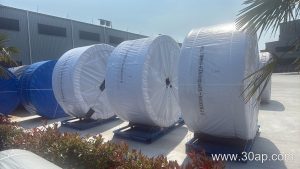
A 600mm conveyor belt is a belt with a nominal width of 600 millimeters, often written as B600 in specifications. It sits in the middle of the common narrow-to-medium range, above B500 and below B650 and B800, which makes it a practical choice for secondary transport lines, short transfer conveyors, and space-limited installations. In a sand and gravel plant, a cement mill, or an underground coal mining section, this width can move a steady tonnage without demanding the frame width and pulley size of a 1000mm or 1200mm system.
The width alone does not define the belt. A 600mm conveyor belt is described by its carcass, cover rubber, and any surface features, and those choices decide whether it suits a quarry conveyor, a power plant coal line, or a food-grade process.
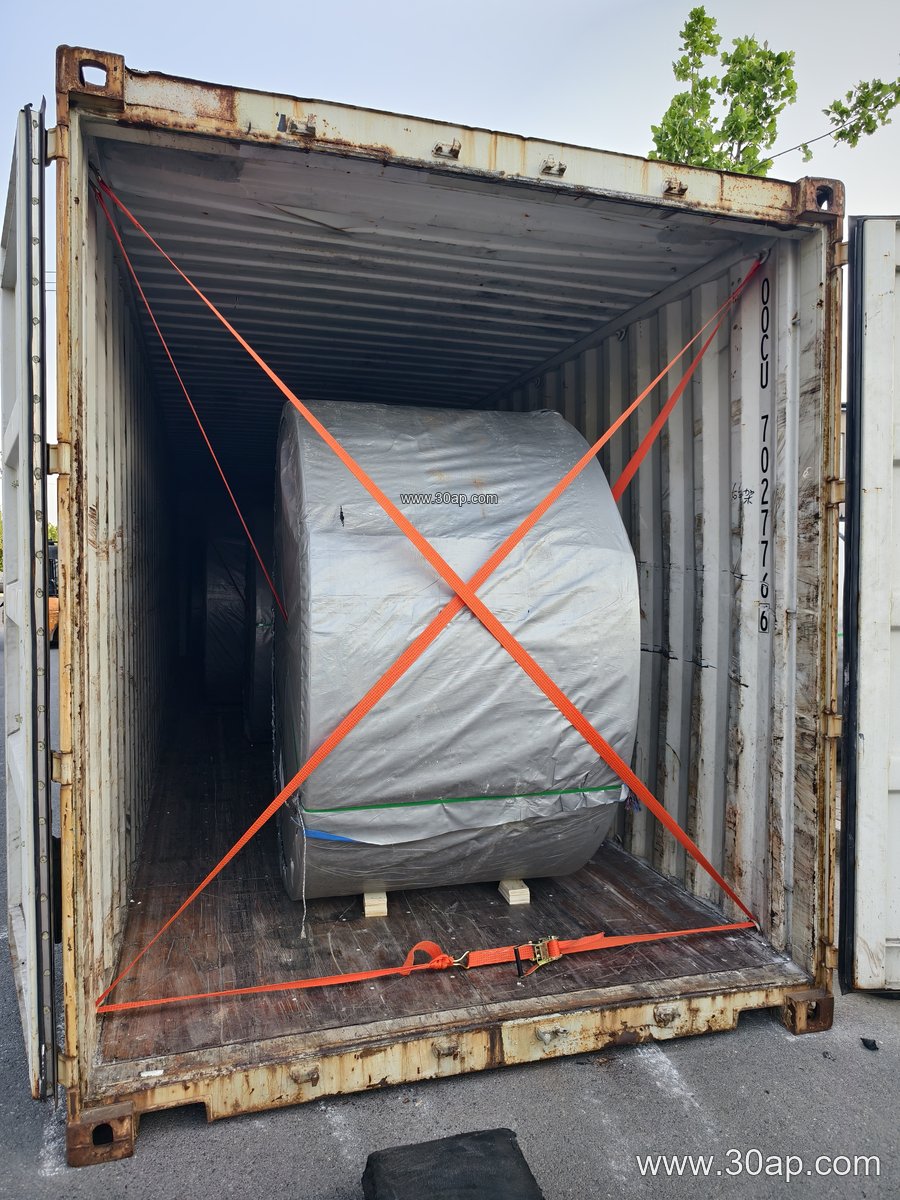
Construction and Common Configurations
Most belts at this width use a fabric core. An EP conveyor belt with polyester warp and nylon weft is widely chosen for general bulk material handling, while an NN conveyor belt with all-nylon fabric offers good flexibility and impact absorption. Multi-ply fabric core designs with two to six plies are common, and heavier duties may call for a steel cord conveyor belt when tension and splice strength requirements are high.
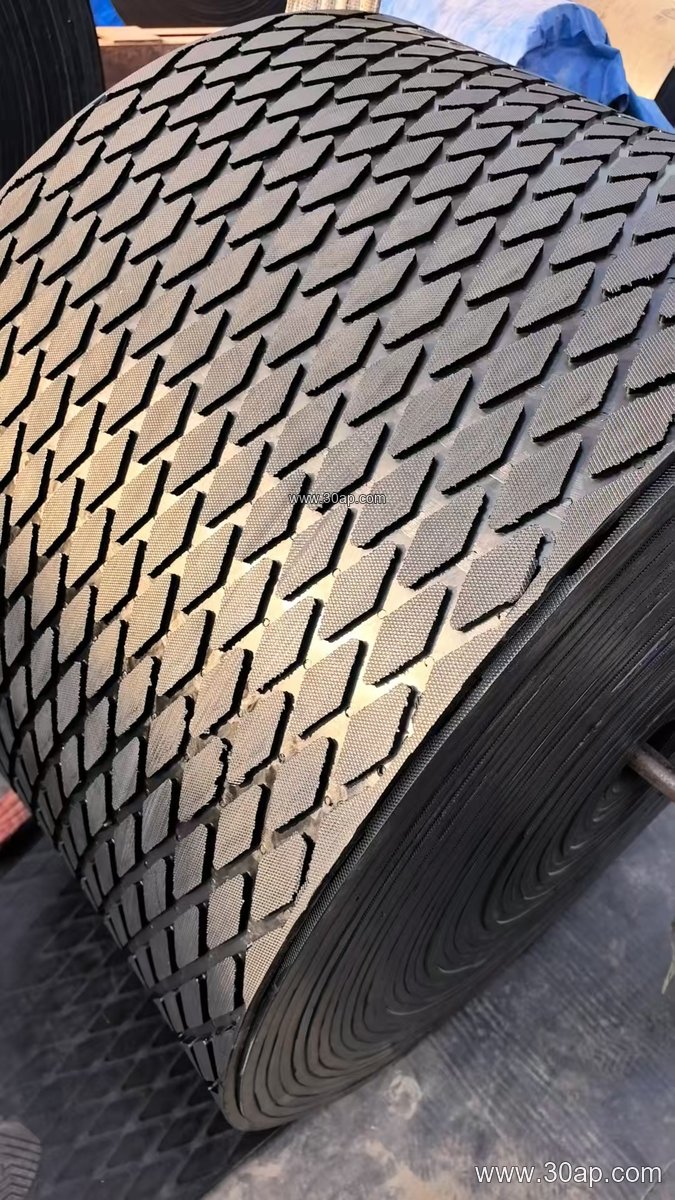
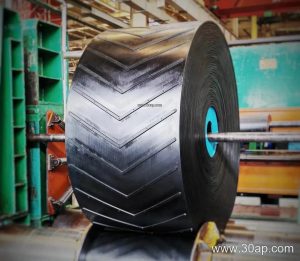
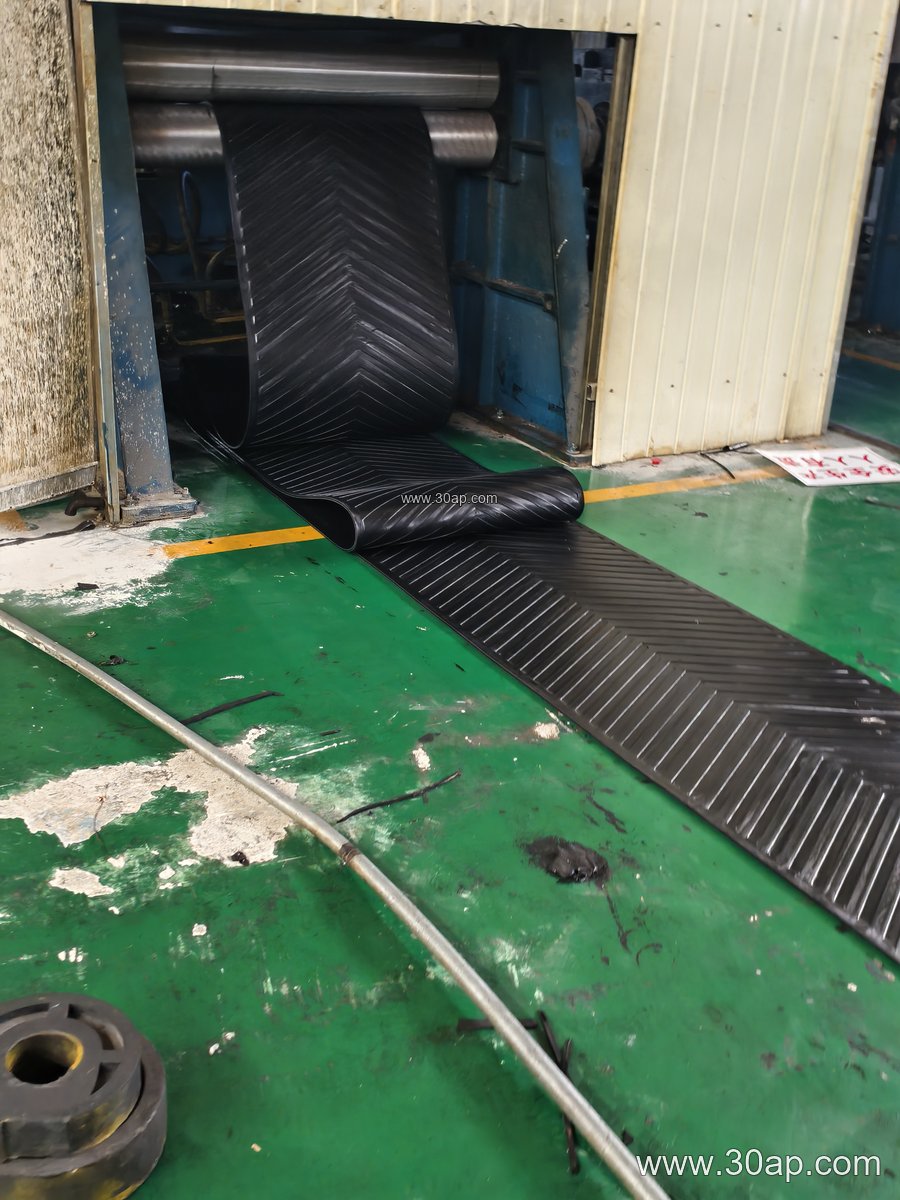
Cover rubber is usually specified as a top and bottom thickness pair, such as 4+2 mm or 6+2 mm. The grade should match the environment: abrasion resistant conveyor belt for crushed stone and ore, heat resistant conveyor belt near clinker or sinter, flame retardant conveyor belt and anti-static conveyor belt in coal mining conveyor belt applications, and oil resistant or cold resistant grades where conditions demand them. Chevron conveyor belt, skirted conveyor belt, and corrugated sidewall conveyor belt variants help with incline control and material containment.
| Item | Typical Options |
|---|---|
| Belt width | 600 mm (B600) |
| Carcass type | EP fabric, NN fabric, multi-ply fabric, steel cord |
| Strength grade (reference) | EP200, EP315, EP400, EP500, EP630, EP800 |
| Cover thickness | 3+1.5, 4+2, 5+2, 6+2 mm |
| Ply count | 2 to 6 plies |
Values above are reference points only. Actual belt construction is confirmed by the manufacturer against the conveyor design.
Where It Fits in a Conveyor Line
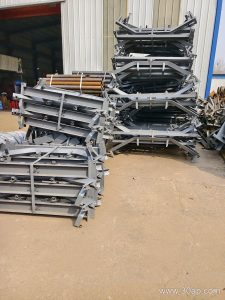
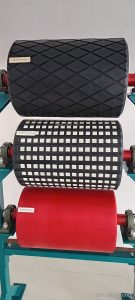
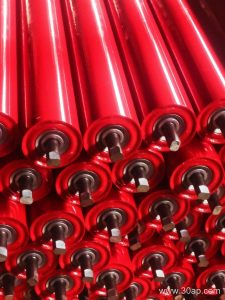
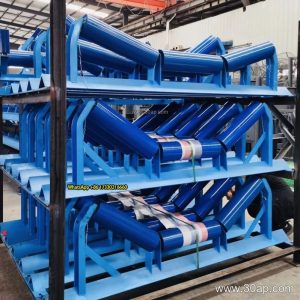
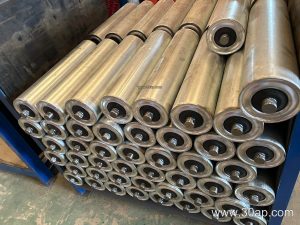
A 600mm belt is often paired with a drive pulley, tail pulley, and bend pulleys sized by the conveyor engineer rather than by belt width alone. The idler roller spacing, trough angle, and conveyor bracket layout also follow the load and belt stiffness. A troughed 600mm belt on a three-roller idler set handles aggregate and ore well; a flat return run may use a single return roller.
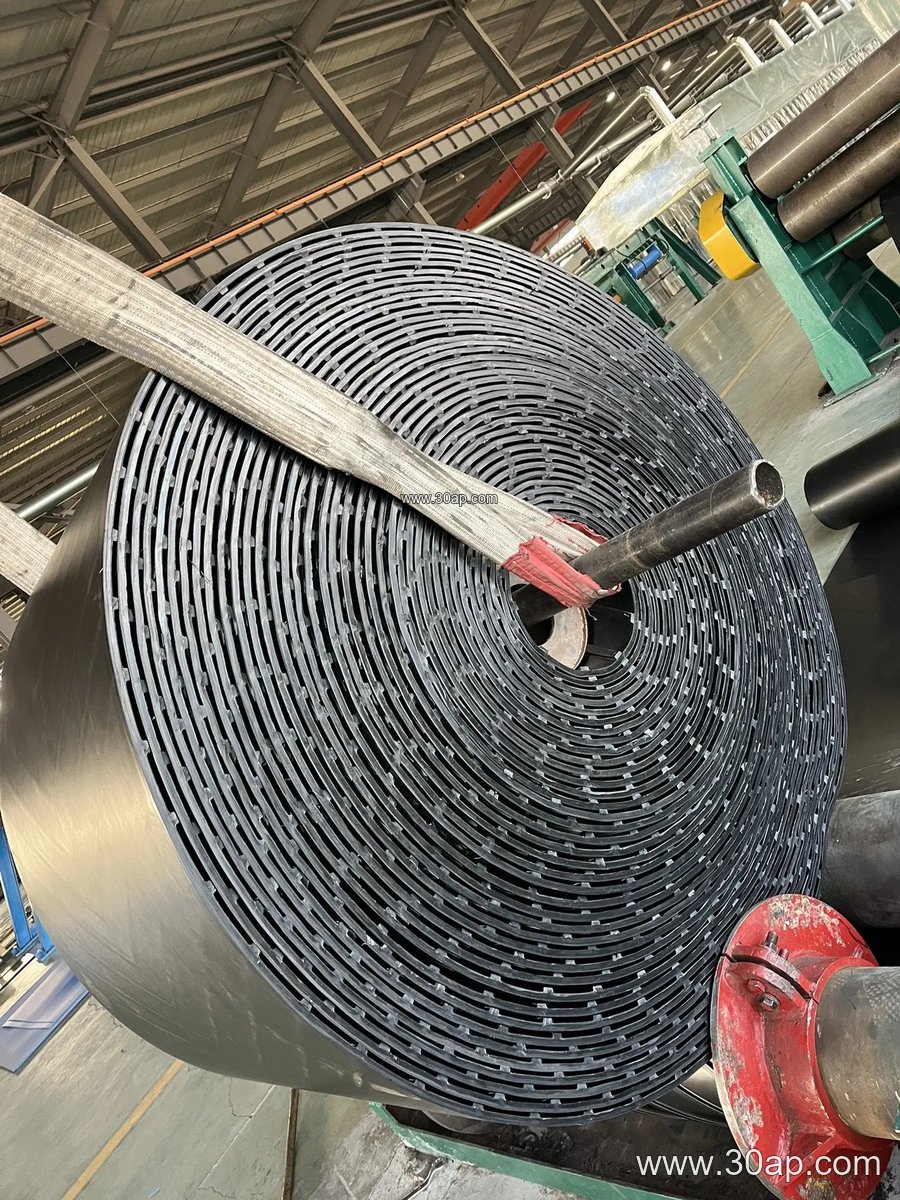
Typical industries include mining, coal preparation, cement plants, power stations, quarries, and recycling lines. In a crusher conveyor belt duty, the belt may need high abrasion resistance and good impact tolerance at the loading point. In port and ship loading conveyors, a 600mm unit often serves as a feeder or transfer belt rather than the main long-haul line.
Buyer Checklist
- Confirm the duty: material type, lump size, temperature, and whether the belt runs underground or outdoors.
- State the required tensile grade and ply count, plus cover grade and thickness.
- Describe the pulley diameters and take-up arrangement so splice and flexibility requirements are clear.
- Ask whether an endless conveyor belt or an open belt with field splicing is preferred.
- Check compatibility with idler roller diameter, trough angle, and conveyor bracket dimensions.
- For coal or dusty service, specify flame retardant and anti-static properties explicitly.
Buyers should also request the belt’s recommended minimum pulley diameter, storage guidance, and splicing method. These details affect service life more than width alone.
Maintenance Notes
Keep the belt tracking straight by checking pulley alignment and idler roller condition. Worn rollers cause edge damage and reduce belt life. Inspect splices and cover wear at loading points, and clean material buildup from return rollers and bend pulleys. In cement and power plant service, heat and dust combine to age rubber, so cover thickness and grade should be reviewed during planned shutdowns.
For any 600mm conveyor belt project, match the belt to the conveyor design, not the other way around. A well-specified EP or NN belt with the right cover grade will usually outperform a heavier belt chosen without regard to pulley size, load profile, and environment.