What the bracket does on a running conveyor
A belt conveyor bracket is the structural interface between the conveyor frame and the rollers that carry or return the belt. It looks simple — usually a folded steel shape with slots, holes or notched seats — but it fixes the roller spacing, the trough angle and the belt line height along the whole run. In a quarry, a cement plant or a power plant coal yard, a loose or wrongly seated bracket shows up quickly as belt misalignment, edge wear or spillage. That is why the bracket is best treated as a locating component, not as a generic piece of steel.
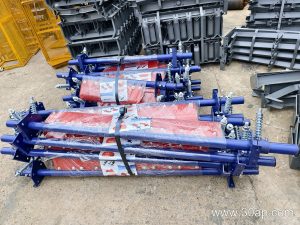
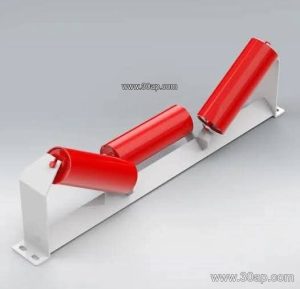
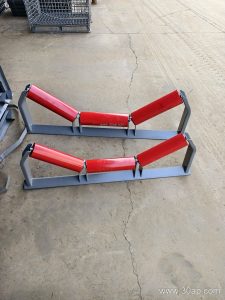
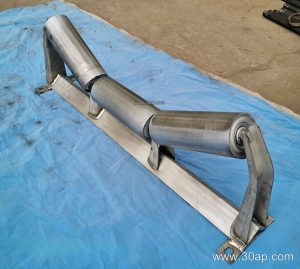
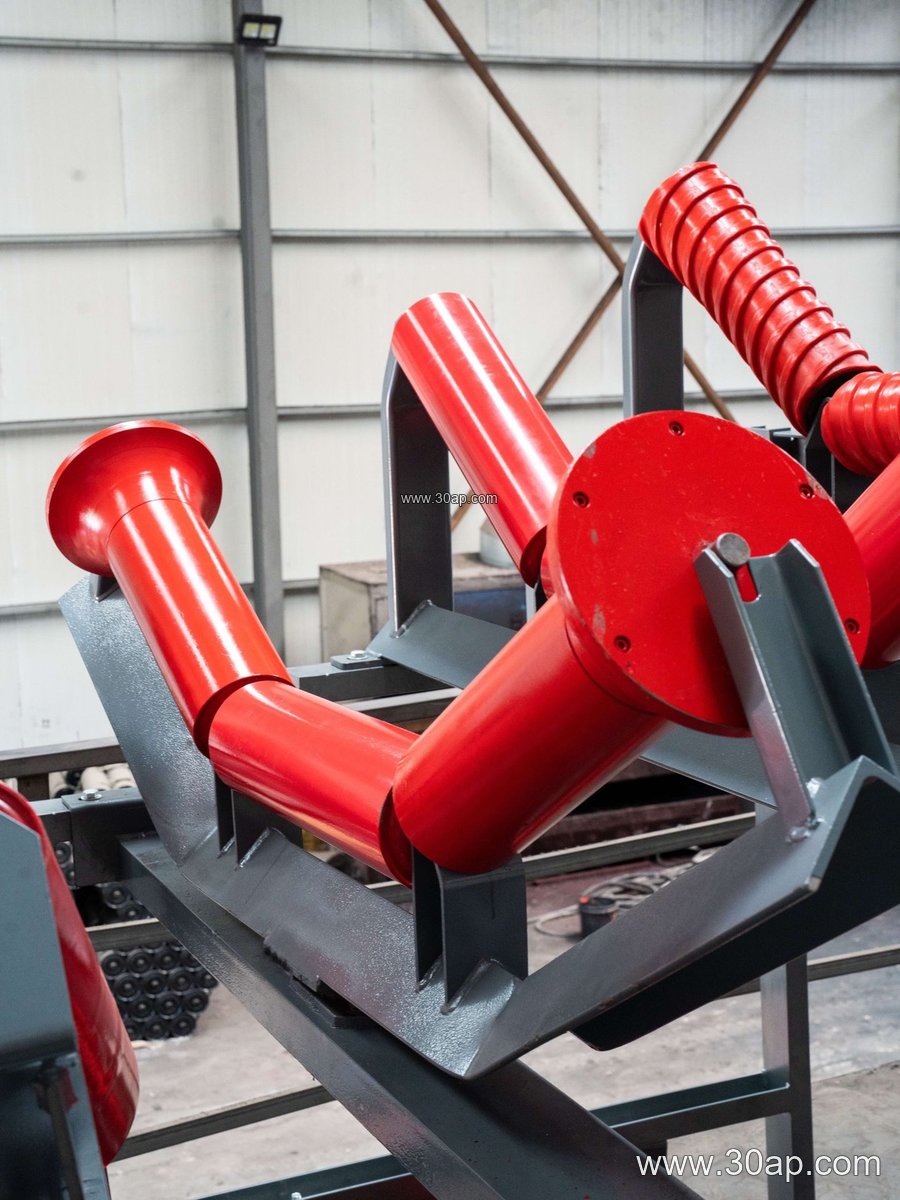
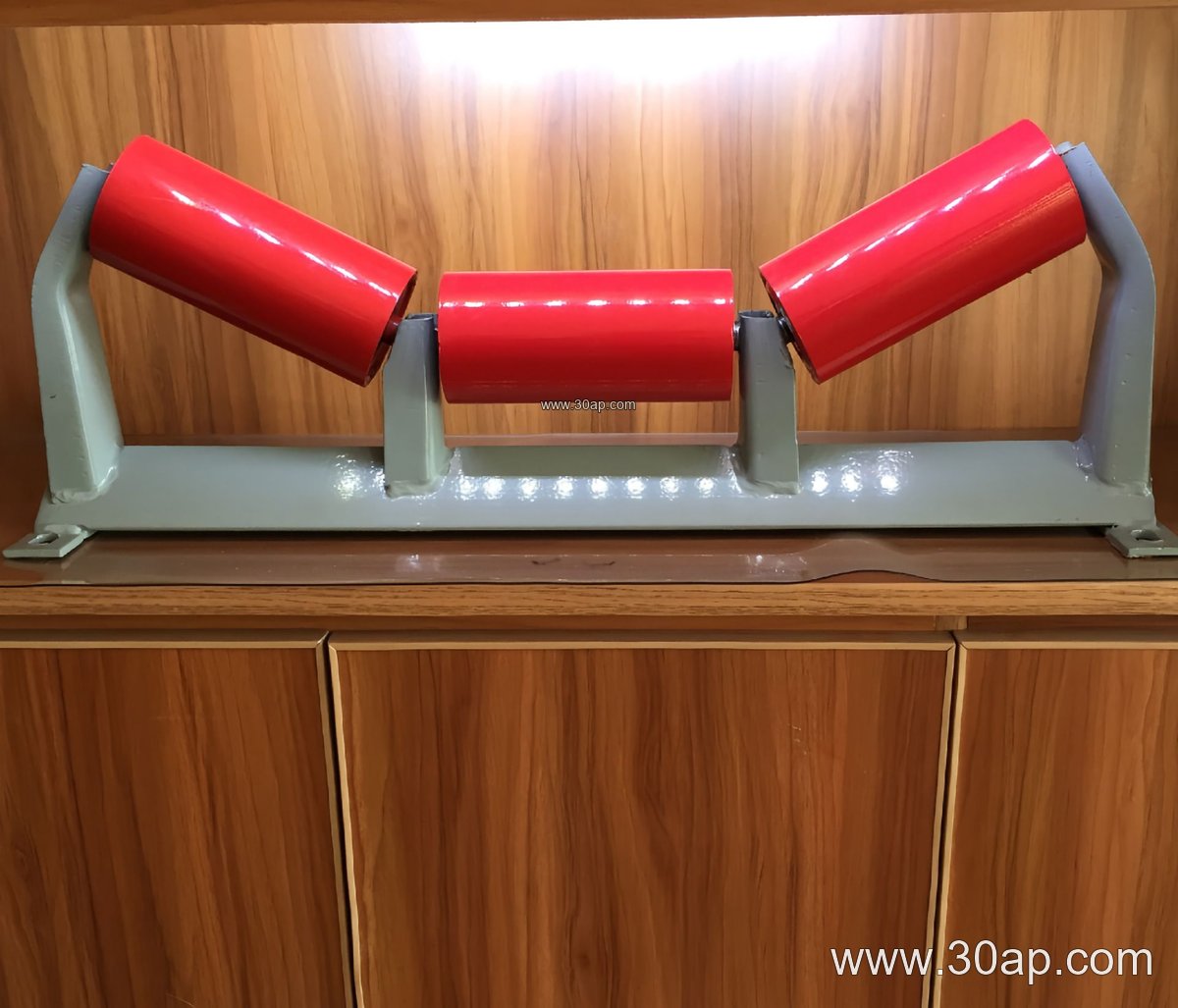
On a typical troughed section, the bracket sits on the stringer and holds three idler roller positions: one centre roller and two side rollers. Return brackets support the belt on the way back. The bracket does not tension the belt and does not drive it. Those jobs belong to the drive pulley and the tail pulley, which are separate components with their own bearing housings.
Common forms and where each is used
Bracket families are usually described by function rather than by a single universal shape. The list below covers the forms most often specified for bulk handling lines.
- Trough bracket (carrying side) — sets the centre roller and the two wing rollers at a fixed or adjustable angle.
- Transition bracket — placed near the head or tail to ease the belt from flat to troughed profile.
- Return bracket and V-return bracket — support the empty belt; the V form helps centre the belt on the return run.
- Impact bracket — fitted under a loading point and used with impact rollers to absorb lump impact.
- Self-aligning bracket — carries a pivoting frame that corrects slight belt drift.
- Forward-leaning bracket — tilts the side rollers slightly to help self-centring, commonly around 1.5 to 2 degrees.
- Suspended and adjustable brackets — used where the frame geometry must be set on site.
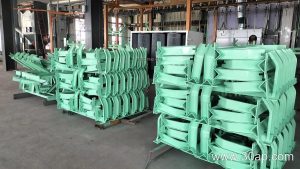
Material choice is usually angle steel, channel steel or folded plate. Heavier sections suit wide, high-tonnage lines such as a 1800mm or 2000mm conveyor belt width, while lighter folded designs are common on smaller aggregate and sand plant conveyors.
Matching bracket angle, roller diameter and belt width
Trough angle and roller diameter are design choices, not fixed pairings. A 20 degree, 30 degree, 35 degree or 45 degree trough angle may be used on the same belt width depending on material behaviour and capacity. Adjustable brackets let the site crew work between those angles. Roller diameters of Ø89, Ø108, Ø133, Ø159 and Ø194 are all in common service, and the correct choice depends on belt speed, load and bearing life targets rather than on width alone.
The table below gives reference combinations only. Mounting hole spacing and beam length change with belt width, trough angle and frame design, so they should always be confirmed against the drawing.
| Belt width | Typical trough angle | Roller diameter reference | Bracket note |
|---|---|---|---|
| B500 / B650 | 20–30 degrees | Ø89 | Light folded bracket, short beam |
| B800 | 30–35 degrees | Ø89 / Ø108 | Fixed or adjustable trough bracket |
| B1000 / B1200 | 35–45 degrees | Ø108 / Ø133 | Channel or folded plate, heavier seat |
| B1400 / B1600 | 35–45 degrees | Ø133 / Ø159 | Reinforced stringer mounting |
| B1800 / B2000 | 35–45 degrees | Ø159 / Ø194 | Heavy-duty bracket at transfer points |
These pairings are not compulsory. A B1200 line may run a 45 degree trough with Ø133 rollers, while a B650 chute feed may use 30 degrees with Ø89. What matters is that the bracket, roller shaft and frame holes agree.
Buying and installation checks
Before ordering, confirm the belt width, the required trough angle, the roller shaft end type and the frame hole pattern. Ask whether the bracket is fixed or adjustable, and check the steel thickness and finish for the site conditions. In a coal preparation plant or underground coal mining conveyor, flame retardant conveyor belt and anti-static properties of the belt matter, but the bracket itself should also be checked for coating and fit in wet or dusty conditions.
During installation, keep brackets square to the frame and at a consistent height. A bracket that sits a few millimetres high creates a bump that stresses the conveyor belt and the roller bearings. Align the first carrying bracket, the transition bracket and the return bracket as a set, then check belt tracking before loading. For lines handling abrasive ore or clinker, a high abrasion resistant conveyor belt paired with well-seated brackets reduces edge damage.
Related components worth planning together
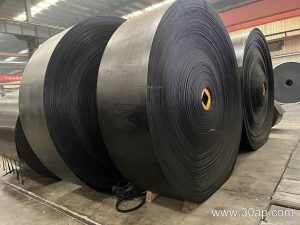
Brackets are ordered alongside the idler roller set, the conveyor pulley assemblies and the belt itself. On a long overland line using steel cord conveyor belt or EP conveyor belt, the bracket schedule should follow the same roller spacing plan as the idler drawing. On a chevron conveyor belt or corrugated sidewall conveyor belt run, check that the bracket and roller seats do not interfere with the cleat or wall profile. If the line handles hot material, the bracket under a heat resistant conveyor belt may need a heat shield or a wider roller gap to protect the bearing.
Keep a small spares stock of the most loaded brackets — those at the feed point, at the bend and at the drive end. Replacing a bent bracket early is cheaper than replacing the roller and belt edge it damages. For more on matching belts, rollers and brackets, see our pages on conveyor belt and conveyor bracket options at conveyor-belt-industrial.com.