What a Spiral Return Idler Is
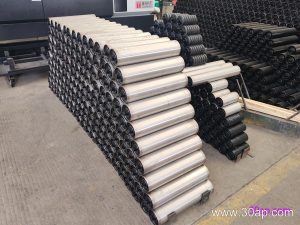
A spiral return idler is a return-side idler roller whose shell carries a continuous helical wrap, usually a rubber or polyurethane spiral, around a steel tube. The spiral contacts the returning conveyor belt and continuously scrapes off fine carryback, while the roller itself supports the belt on the return run. In many plants it is simply called a spiral roller, and it belongs to the return idler family rather than to carrying or impact idlers.
The working position is specific: it sits under the conveyor belt on the return strand, often replacing or supplementing a plain flat return idler. This is not a drive pulley, tail pulley or bend pulley, and it should not be specified as a substitute for those components. When a plant needs both support and light cleaning on the return side, the spiral return idler is a practical option.
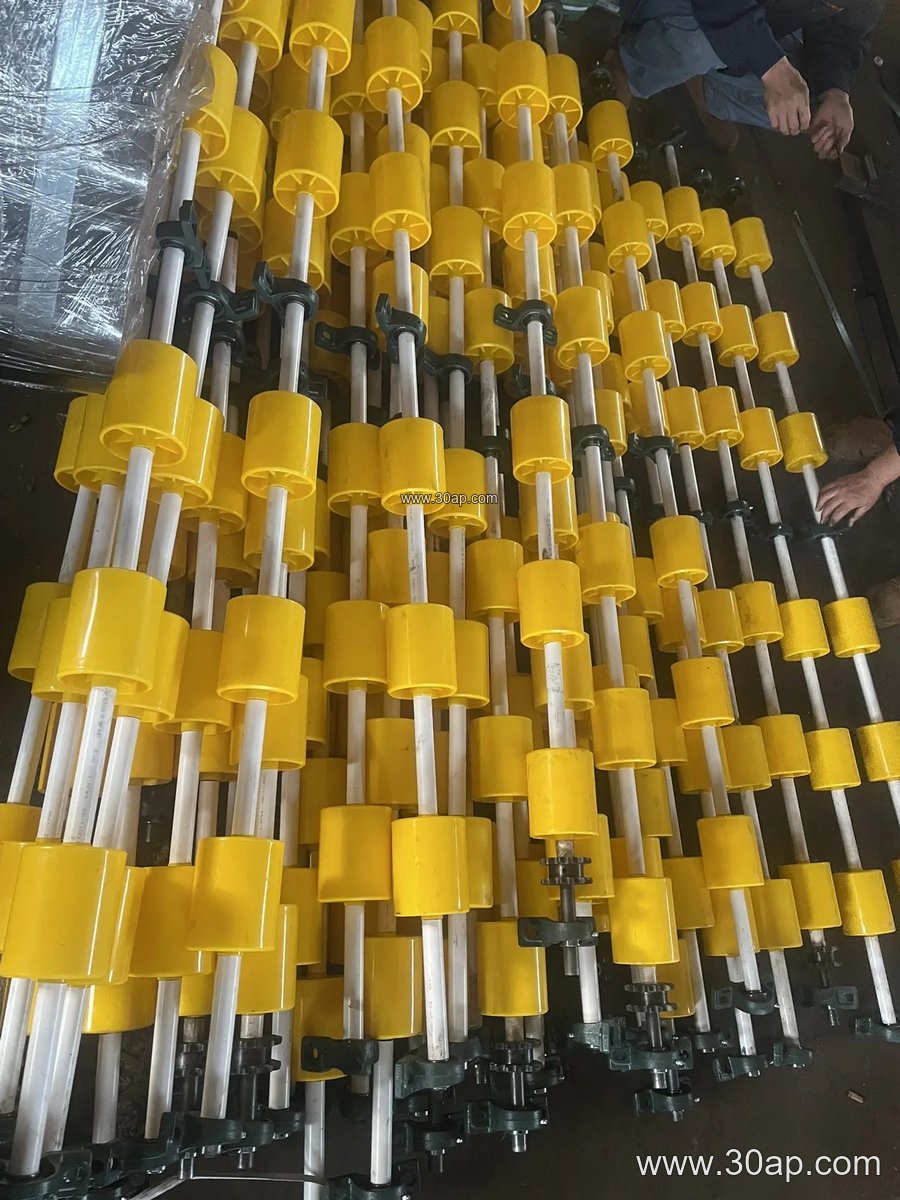
How It Is Built
The body is typically a steel tube with welded bearing housings at both ends. The shaft runs through sealed bearings, commonly deep-groove ball bearings, and the spiral is fixed to the shell. The spiral can be a molded rubber helix or a wrapped profile, and the pitch and thickness are selected for the belt width and the amount of fines expected.
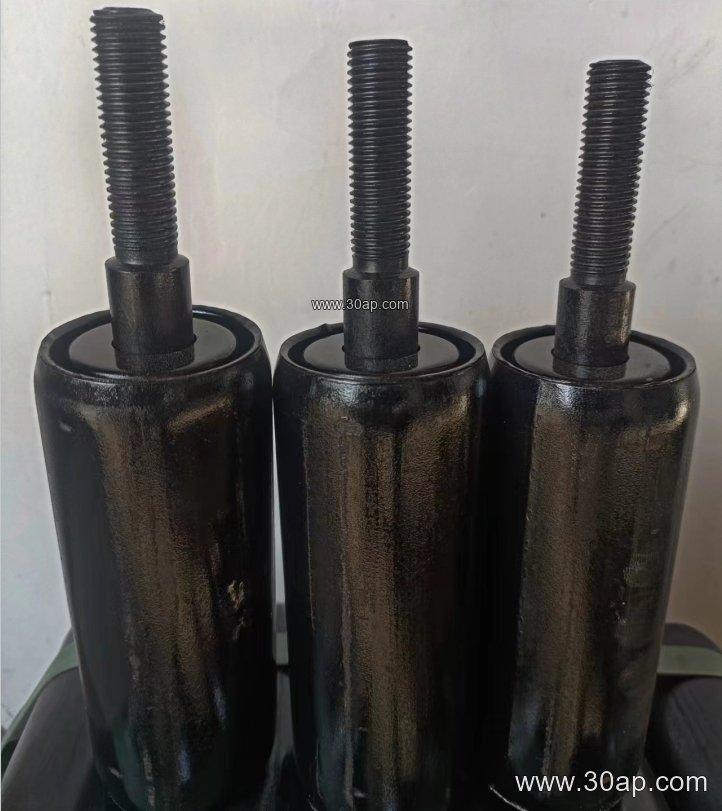
Bearing selection is not fixed to one tube size. Common bearing numbers in return idlers include 6204, 6205, 6305, 6306, 6308 and 6310, but the final match depends on shaft diameter, load and sealing arrangement. The roller surface may be plain steel, nylon, ceramic or rubber-covered on other idler types; for the spiral return idler the spiral itself is the functional surface, so the tube is usually protected by the helix rather than by a separate cover.
Where It Fits in a Conveyor
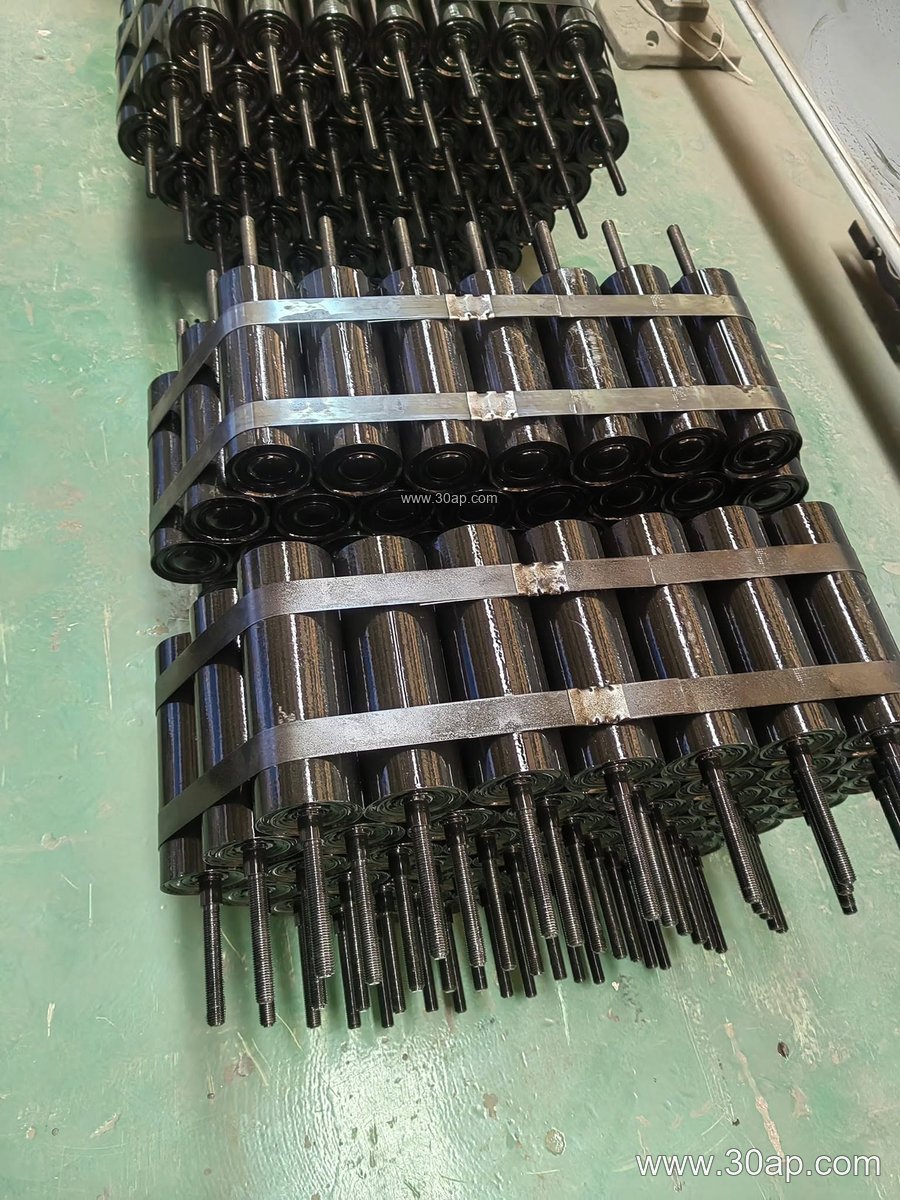
Spiral return idlers are used on bulk material conveyors in aggregates plants, cement works, coal handling systems, power plant coal yards, iron ore and copper ore concentrators, and port ship-loading lines. They are especially useful where the conveyed material is fine and damp, because carryback sticks to the return belt and builds up on plain return rollers. The spiral keeps the belt surface open and reduces the chance of material wrapping around a smooth roller.
They are also found on conveyors moving clinker, limestone, fertilizer and sand. On a coal mining conveyor belt, a spiral return idler can reduce the labor needed for manual cleaning under the belt. On a quarry conveyor belt or crusher conveyor belt, the same roller helps keep the return strand tracking better because the belt is not riding on a growing lump of fines.
Common Sizes and Related Parameters
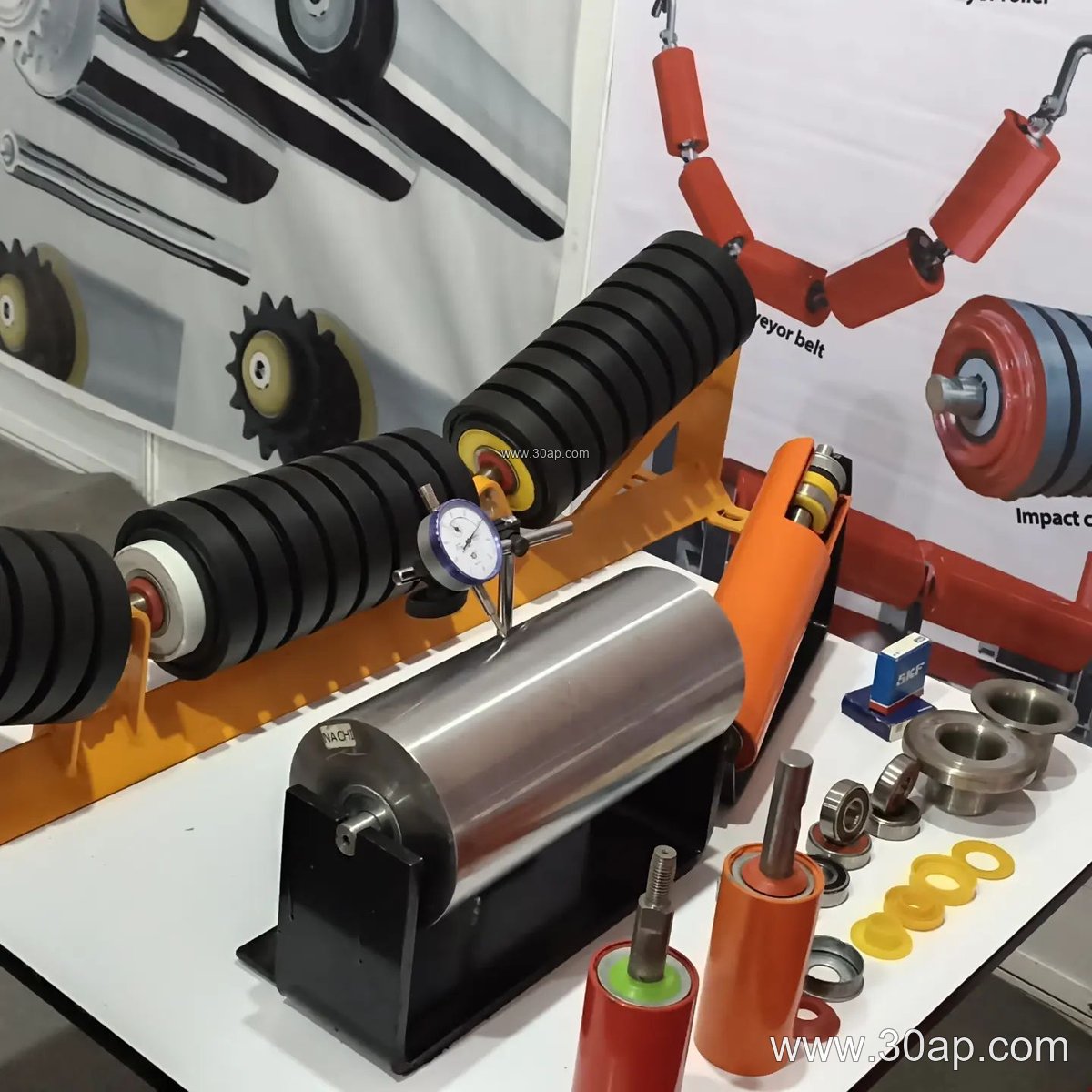
Spiral return idlers follow the same diameter and belt-width conventions as other return idlers. Diameters commonly range from Ø63 mm to Ø219 mm, with Ø89, Ø102, Ø108, Ø127, Ø133 and Ø159 being frequent choices. Belt widths usually run from B500 to B2400, and the roller length is set by the belt width and the return idler arrangement, not by a single fixed rule.
| Reference item | Common range or example |
|---|---|
| Roller diameter | Ø63, Ø76, Ø89, Ø102, Ø108, Ø127, Ø133, Ø159, Ø178, Ø194, Ø219 mm |
| Belt width | B400, B500, B650, B800, B1000, B1200, B1400, B1600, B1800, B2000, B2200, B2400 |
| Bearing numbers | 6204, 6205, 6305, 6306, 6308, 6310 |
| Spiral material | Rubber or polyurethane helix on steel tube |
These are reference values, not a universal size chart. A 1200mm wide conveyor belt can be paired with different return roller diameters depending on load, speed and frame design. Do not assume that one belt width locks in one shaft diameter or one bearing size.
Buyer Checklist
- Confirm the return idler position, belt width and actual mounting dimensions before ordering.
- Match the spiral pitch and hardness to the material; sticky fines and sharp rock need different approaches.
- Check the sealing system, because dust and water ingress shorten bearing life more than load does in many plants.
- Review the conveyor bracket and frame height; a spiral return idler may need extra clearance compared with a plain flat return idler.
- Consider the full conveyor belt specification, including whether an abrasion resistant conveyor belt or a flame retardant conveyor belt is in use, since belt surface and carryback behavior affect cleaning performance.
For plants using EP conveyor belt, NN conveyor belt or steel cord conveyor belt, the spiral return idler is chosen by return-side load and belt width, not by the belt construction alone. A heavy-duty mining conveyor belt may call for a larger shaft and bearing, while a lighter aggregate conveyor belt can use a smaller roller. The spiral return idler is one part of the conveyor system, and it works best when the belt, pulleys, brackets and idler frames are reviewed together.