What a Heavy-Duty Conveyor Bracket Does
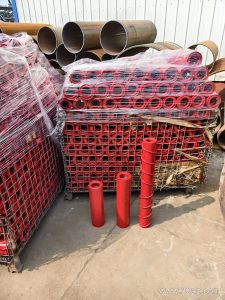
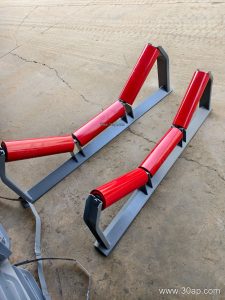
A heavy-duty conveyor bracket is the structural component that holds and positions idler rollers along a conveyor system. It carries the weight of the conveyor belt, the material load, and the idler assemblies, transferring those forces to the conveyor frame. In demanding environments such as coal mining, cement plants, and iron ore operations, this bracket must resist vibration, impact, and abrasive dust while keeping rollers aligned for smooth belt travel.
Also called a heavy-duty conveyor support bracket or heavy-duty idler bracket, this component is distinct from the drive pulley, tail pulley, and bend pulley. Those pulleys transmit power and change belt direction, while the bracket provides stationary support. The design directly affects belt tracking, roller life, and overall conveyor reliability.
Construction and Key Features
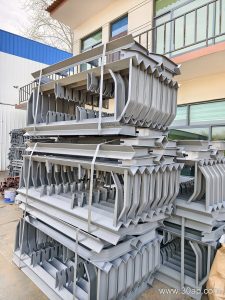
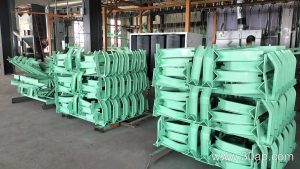
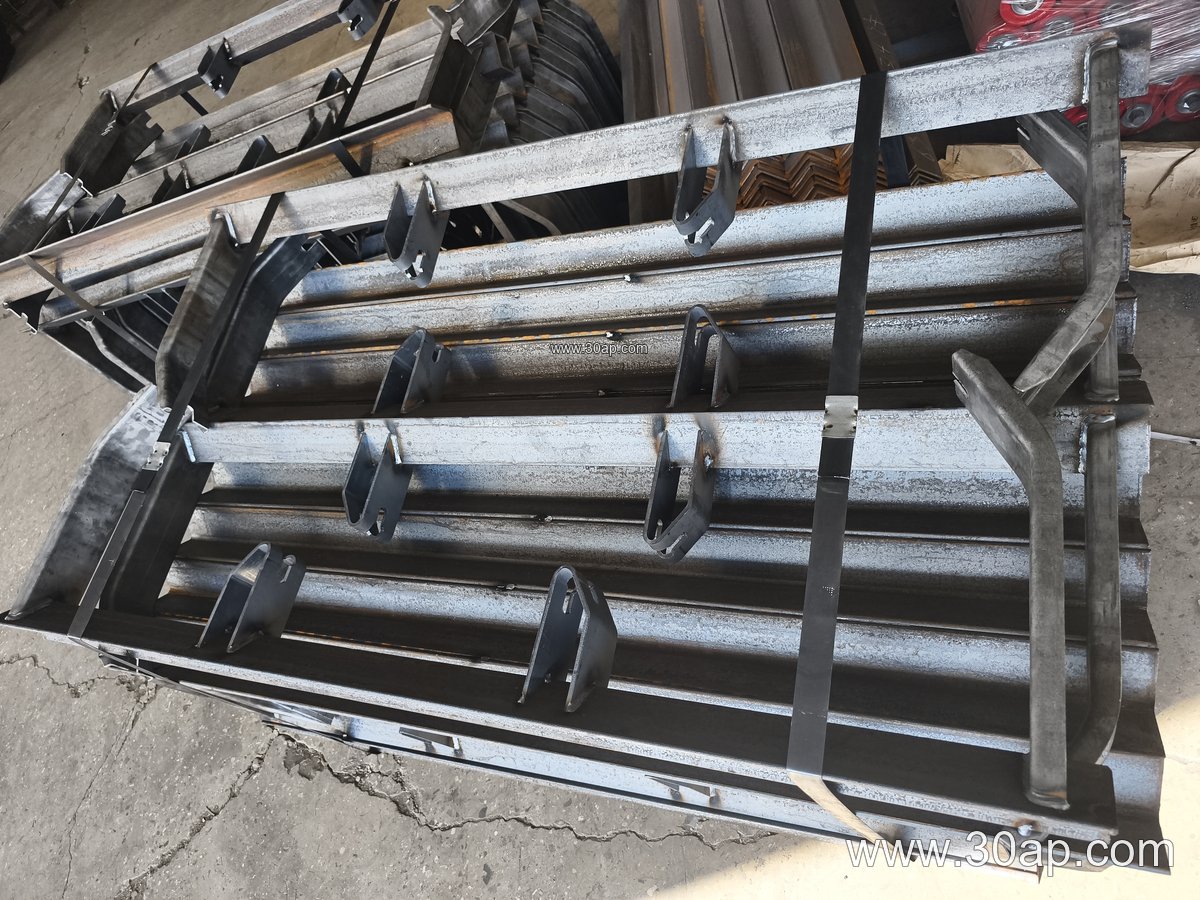
Heavy-duty brackets are typically fabricated from angle steel, channel steel, or bent steel plate. The material thickness and reinforcement are selected according to the belt width, load, and operating conditions. Common surface treatments include painting or galvanizing to resist corrosion in wet or chemical-laden atmospheres.
Design features often include:
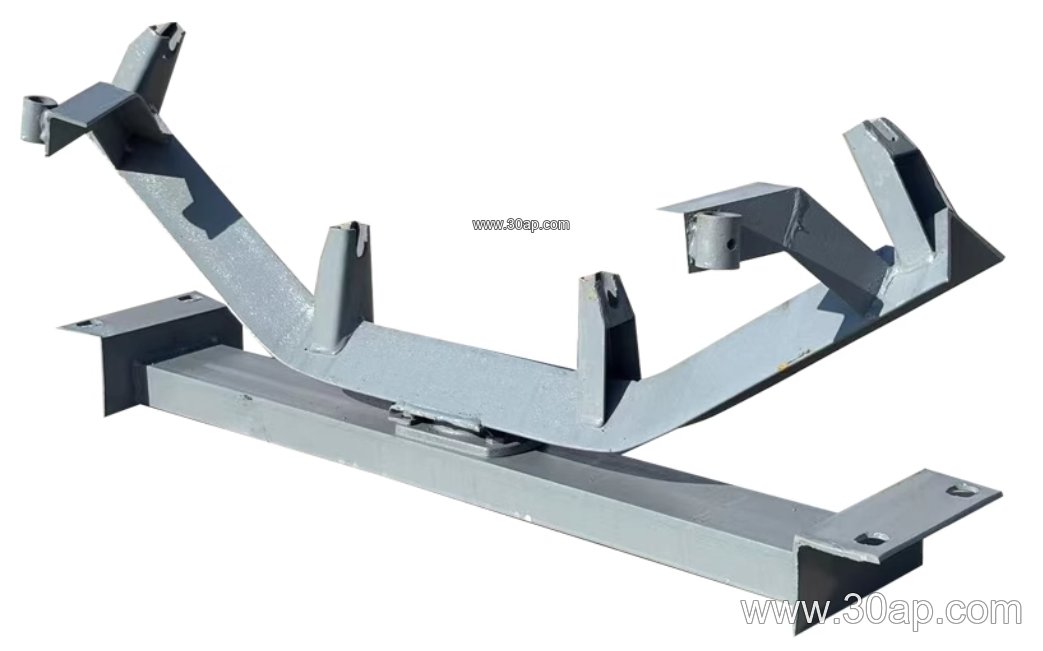
- Reinforced mounting points for high-impact zones
- Adjustable slot positions to set trough angles
- Integrated brackets for self-aligning or transition idlers
- Welded or bolted cross beams matched to frame width
For maintenance, some designs allow idler removal without dismantling the entire bracket, reducing downtime in continuous processes such as power plant coal handling or quarry aggregate lines.
Where It Is Used
Heavy-duty conveyor brackets appear in a wide range of bulk material handling systems. In underground coal mining, they support belts that carry coal through dusty, moist, and hazardous areas. In cement plants, they position rollers under high-temperature clinker or raw meal belts. Iron ore and copper ore operations rely on robust brackets to handle sharp, heavy lumps. Port terminals and ship loading facilities use them on long overland conveyors where reliability is critical.
Other common sites include limestone quarries, crushing and screening plants, steel mills, and fertilizer production lines. Each environment places different demands on the bracket, from corrosion resistance in fertilizer plants to impact resistance at crusher discharge points.
Types and Configuration
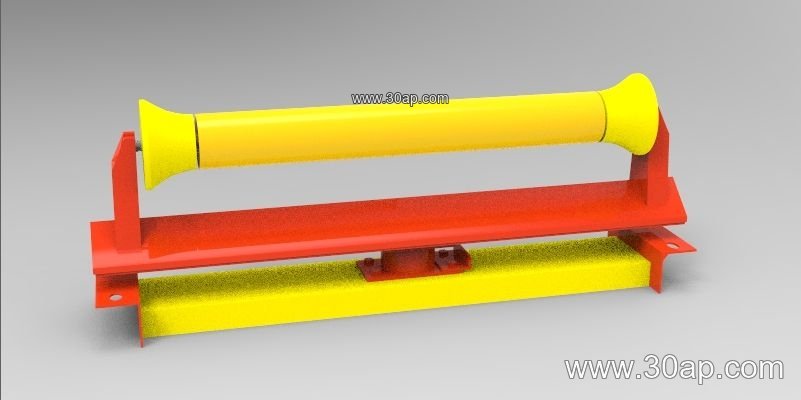
Heavy-duty conveyor brackets come in several configurations to match the idler type and belt path. Troughing brackets support the carrying side and set the trough angle. Return brackets support the belt on its return run, often with V-shaped or flat arrangements. Transition brackets guide the belt from flat to troughed profile near pulleys. Impact brackets are reinforced for loading zones. Self-aligning brackets work with training idlers to correct belt misalignment.
Adjustable brackets allow the trough angle to be changed on site, which helps optimize material containment and belt life. Fixed brackets are simpler and often used where conditions are stable.
Matching Brackets to Belt and Roller Sizes
Selecting the right heavy-duty conveyor bracket involves matching the belt width, trough angle, and roller diameter. The table below shows common combinations, but these are reference examples only. Actual selection depends on conveyor design, load, and site conditions.
| Belt Width | Common Trough Angle | Typical Roller Diameter | Bracket Type Example |
|---|---|---|---|
| B500 | 20°–30° | Ø89 | Troughing, fixed |
| B650 | 30°–35° | Ø89–Ø108 | Troughing, adjustable |
| B800 | 30°–35° | Ø108 | Troughing, transition |
| B1000 | 35°–45° | Ø108–Ø133 | Troughing, impact |
| B1200 | 35°–45° | Ø133 | Troughing, self-aligning |
| B1400 | 35°–45° | Ø133–Ø159 | Troughing, heavy-duty |
| B1600 | 35°–45° | Ø159 | Troughing, transition |
| B1800 | 35°–45° | Ø159–Ø194 | Troughing, impact |
| B2000 | 35°–45° | Ø194 | Troughing, heavy-duty |
Note that a given belt width can work with different trough angles and roller diameters. The bracket must be chosen to suit the specific idler frame and conveyor profile. Installation hole spacing and cross beam length vary with belt width and trough angle, so they are determined by design rather than fixed values.
Buyer Checklist
When specifying a heavy-duty conveyor bracket, consider the following:
- Belt width and trough angle required for the application
- Roller diameter and idler type (troughing, return, impact, self-aligning)
- Material and surface treatment for the environment (e.g., galvanized for wet conditions)
- Load rating and impact resistance at transfer points
- Compatibility with existing conveyor frame and pulley arrangements
- Ease of installation and maintenance access
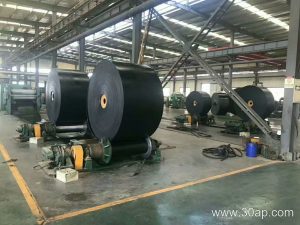
For systems using abrasive materials, pairing the bracket with abrasion resistant conveyor belt and quality idler roller improves overall performance. In coal mining, flame retardant conveyor belt and anti-static conveyor belt are often required, and the bracket must support the associated idler loads reliably.
Heavy-duty conveyor brackets may also be used with EP conveyor belt, steel cord conveyor belt, or heat resistant conveyor belt depending on the material and temperature. The bracket itself does not change belt properties, but proper support helps maintain belt integrity and tracking.
For more information on conveyor components, visit our site at www.example.com/conveyor-bracket or www.example.com/heavy-duty-bracket. Our range includes conveyor bracket solutions for mining, quarry, and bulk handling industries.