What Is an Adjustable Conveyor Bracket?
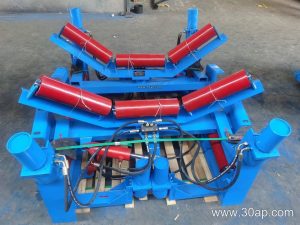
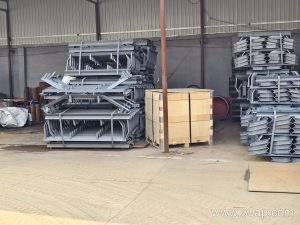
An adjustable conveyor bracket is a support component that holds idler rollers at a set angle while allowing that angle to be changed to suit different belt loads and material profiles. Unlike fixed brackets, which are welded or bolted at a single trough angle, this bracket uses slotted holes, pivoting arms, or movable mounting plates so maintenance teams can fine-tune roller positions without replacing the entire frame. In a quarry or aggregate line, that flexibility helps keep a rubber conveyor belt centered and reduces spillage when feed conditions vary.
The bracket is typically fabricated from angle steel, channel steel, or folded steel plate. Its design must match the conveyor width and the roller diameter in use, and the mounting hole spacing is determined by the belt width and trough angle rather than being a universal number.
How the Adjustable Design Works
Most adjustable brackets achieve their range through one of three methods: slotted mounting holes that let the roller shaft slide to a new position, pivoting arms that rotate around a fixed pin, or interchangeable spacer plates. The goal is to change the trough angle—common settings include 20, 30, 35, and 45 degrees—without cutting or re-welding the frame. Some designs also incorporate a slight forward tilt of about 1.5 to 2 degrees to help train the belt.
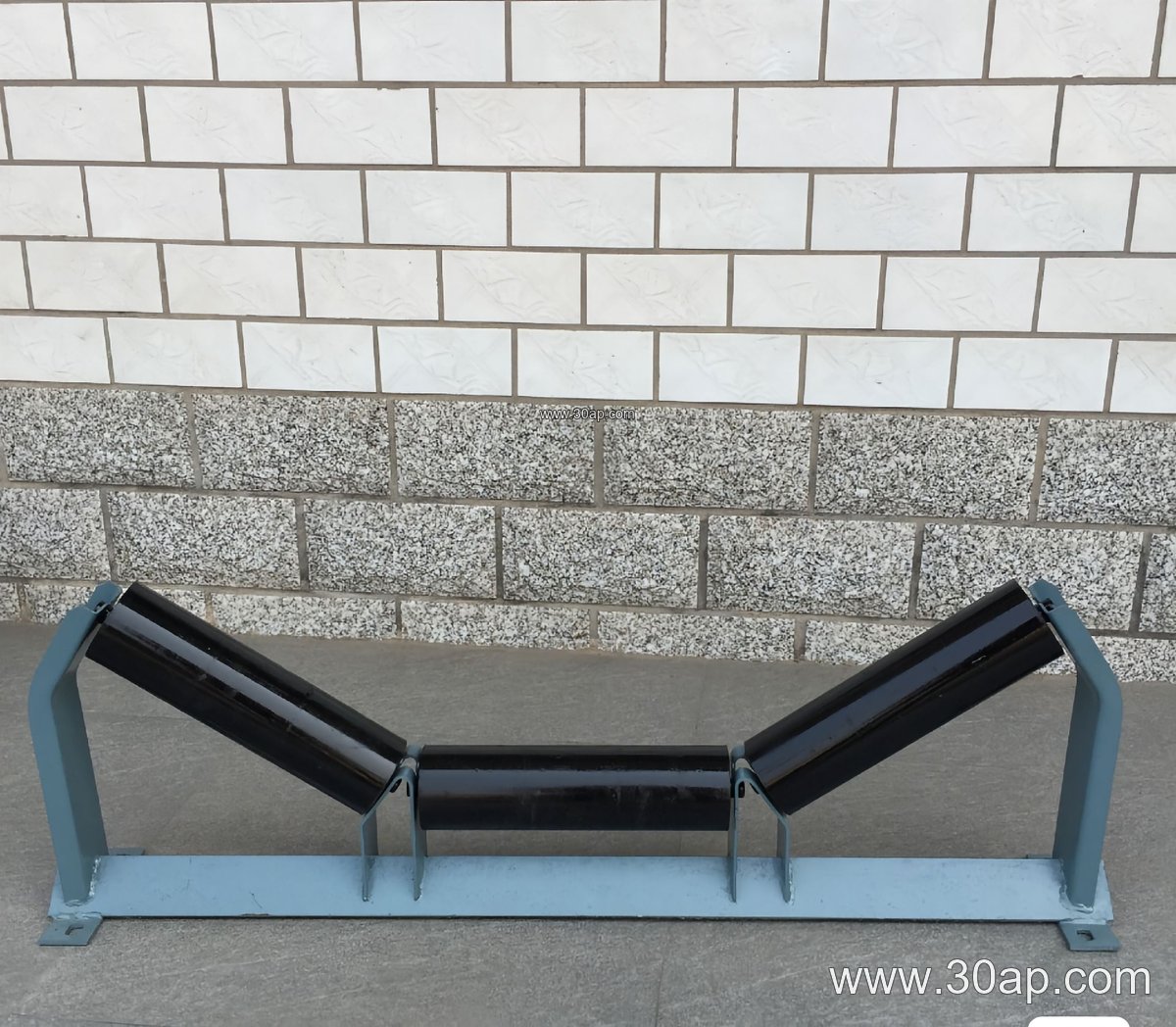
Because the bracket interfaces directly with the idler roller, the roller shaft diameter matters. Common roller diameters are Ø89, Ø108, Ø133, Ø159, and Ø194 mm. A bracket intended for a B800 conveyor with 35-degree troughing might use Ø108 rollers, while a B1200 system at 45 degrees could use Ø133 rollers. These are examples, not fixed rules; the actual combination depends on the conveyor design and the load profile.
Where Adjustable Brackets Are Used
These brackets appear wherever belt lines need periodic adjustment or where material characteristics change. In a coal mining operation, a flame retardant conveyor belt may be supported by brackets that can be re-set as the belt stretches or as new seams are developed. In a cement plant, heat resistant conveyor belt sections benefit from brackets that keep rollers aligned despite thermal expansion of the frame. Stockyard and port conveyors handling abrasive materials often use adjustable troughing brackets to maintain proper belt contact and reduce wear on the conveyor belt.
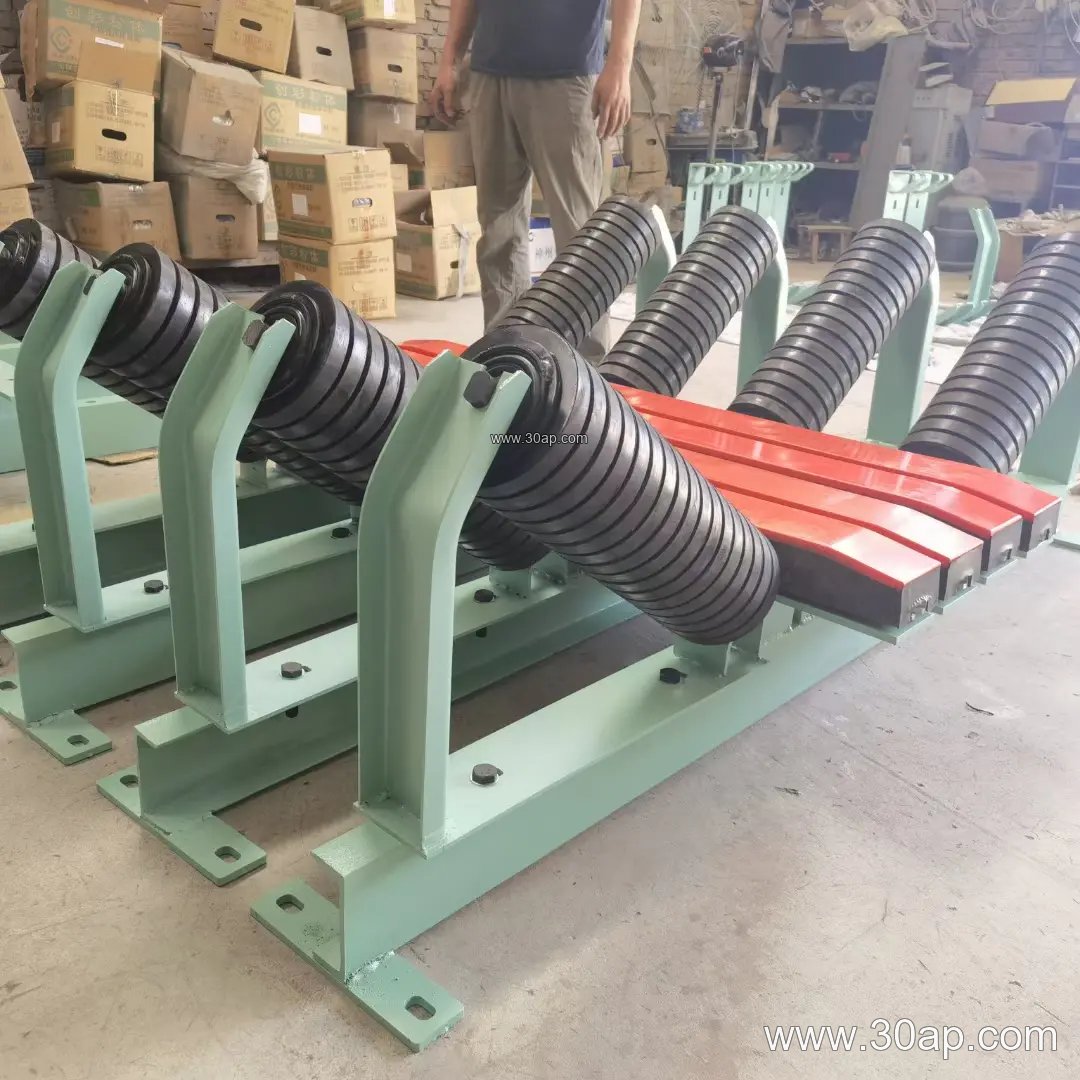
They are also useful in tunnel excavation and crushing circuits, where discharge points and material size can shift during the project. In such settings, the bracket works together with the conveyor pulley and idler roller to keep the belt tracking correctly.
Selection and Maintenance Tips
Buyers should confirm the belt width, the required trough angle range, and the roller diameter before ordering. A bracket that fits a B650 belt at 30 degrees will not fit a B1400 belt at 45 degrees without different mounting dimensions. Also check the material and finish: galvanized or painted steel is common for outdoor installations, while heavy-duty folded plate may be preferred in high-impact zones.
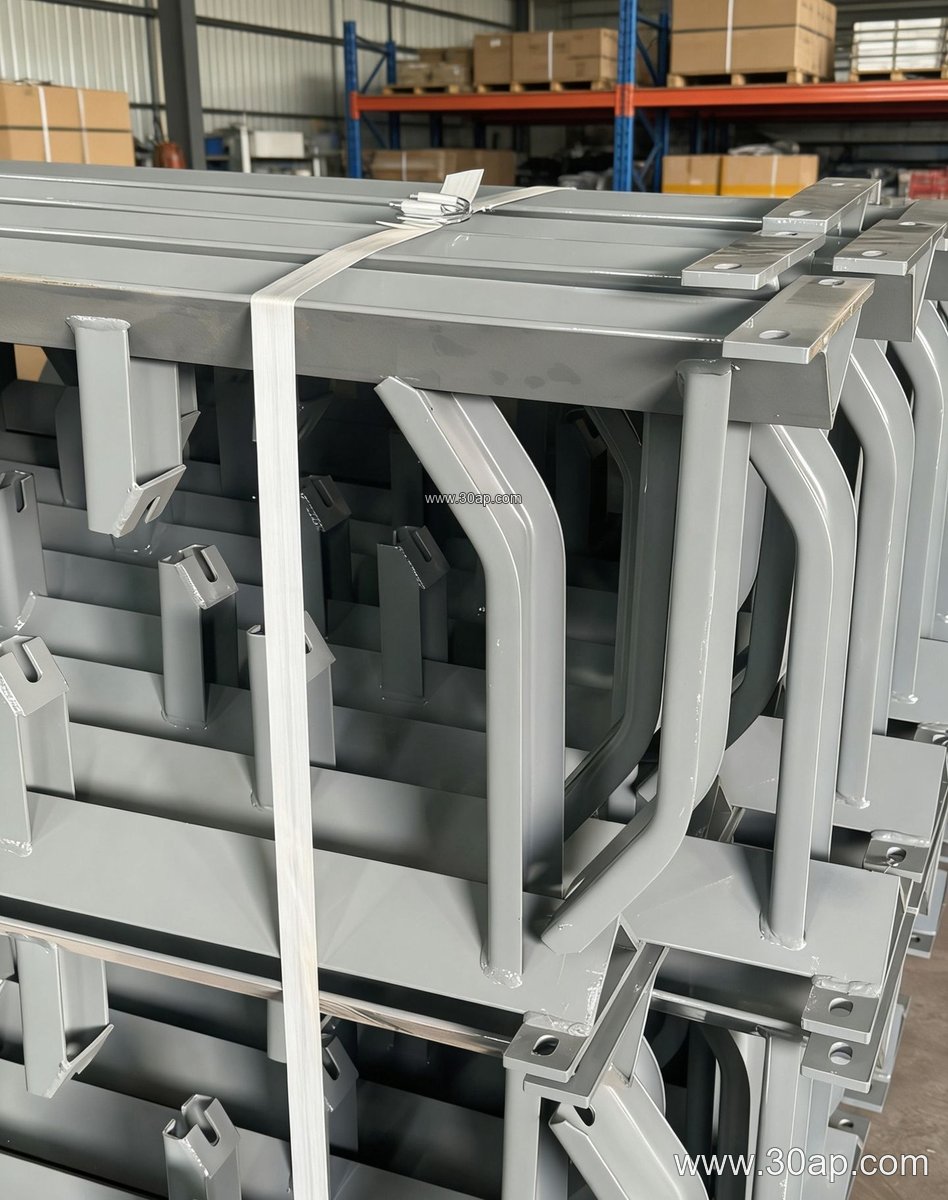
During maintenance, inspect the adjustment slots for elongation and verify that locking bolts remain tight. A loose bracket can allow the roller to shift, causing the belt to mistrack and wear against the structure. When replacing rollers, re-check the bracket angle to ensure it still matches the conveyor’s design requirements.
Typical Reference Data
The following table lists common bracket-related parameters. Values are for reference only and should be confirmed against the actual conveyor design.
| Parameter | Common Range or Example |
|---|---|
| Belt width (B) | B500, B650, B800, B1000, B1200, B1400, B1600, B1800, B2000 |
| Trough angle | 20°, 30°, 35°, 45° (adjustable) |
| Roller diameter | Ø89, Ø108, Ø133, Ø159, Ø194 mm |
| Forward tilt | About 1.5° to 2° (on some designs) |
| Material | Angle steel, channel steel, folded steel plate |
For belt widths such as 1000mm or 1200mm, the bracket crossbeam length and hole spacing are usually determined by the conveyor manufacturer. No single bracket size fits every application, and the correct choice depends on the belt, the roller, and the load.
Related Equipment and Final Notes
An adjustable conveyor bracket does not work in isolation. It supports the idler roller, which in turn carries the conveyor belt. In mining and bulk handling, the belt itself may be an EP conveyor belt, a steel cord conveyor belt, or a flame retardant conveyor belt, and the bracket must be selected to suit the belt’s tension and the roller’s dimensions. For advice on specific belt widths, roller diameters, or trough angles, consult the conveyor designer and verify all dimensions before installation.