What a Galvanized Conveyor Bracket Does on the Line
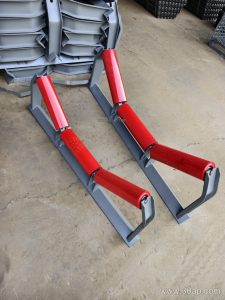
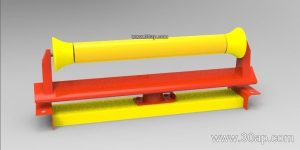
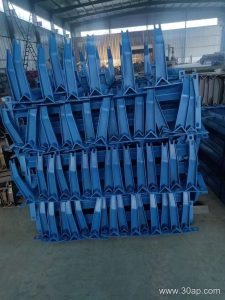
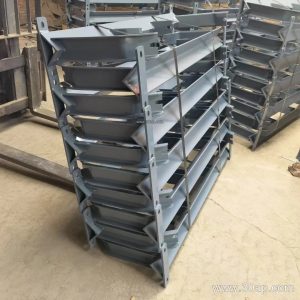
A galvanized conveyor bracket is the steel support that holds idler rollers at the correct height, spacing, and trough angle along a belt conveyor. In practice, it is often called a galvanized idler bracket or galvanized roller support frame, and those names point to the same component. The bracket carries the idler roller, keeps it aligned with the belt path, and transfers the load of the conveyor belt and material down to the conveyor stringer or frame. Because the part sits close to dust, moisture, and spilled material, hot-dip galvanizing is a common finish for quarries, coal handling, and cement plants where corrosion shortens the life of painted steel.
How the Bracket Is Built
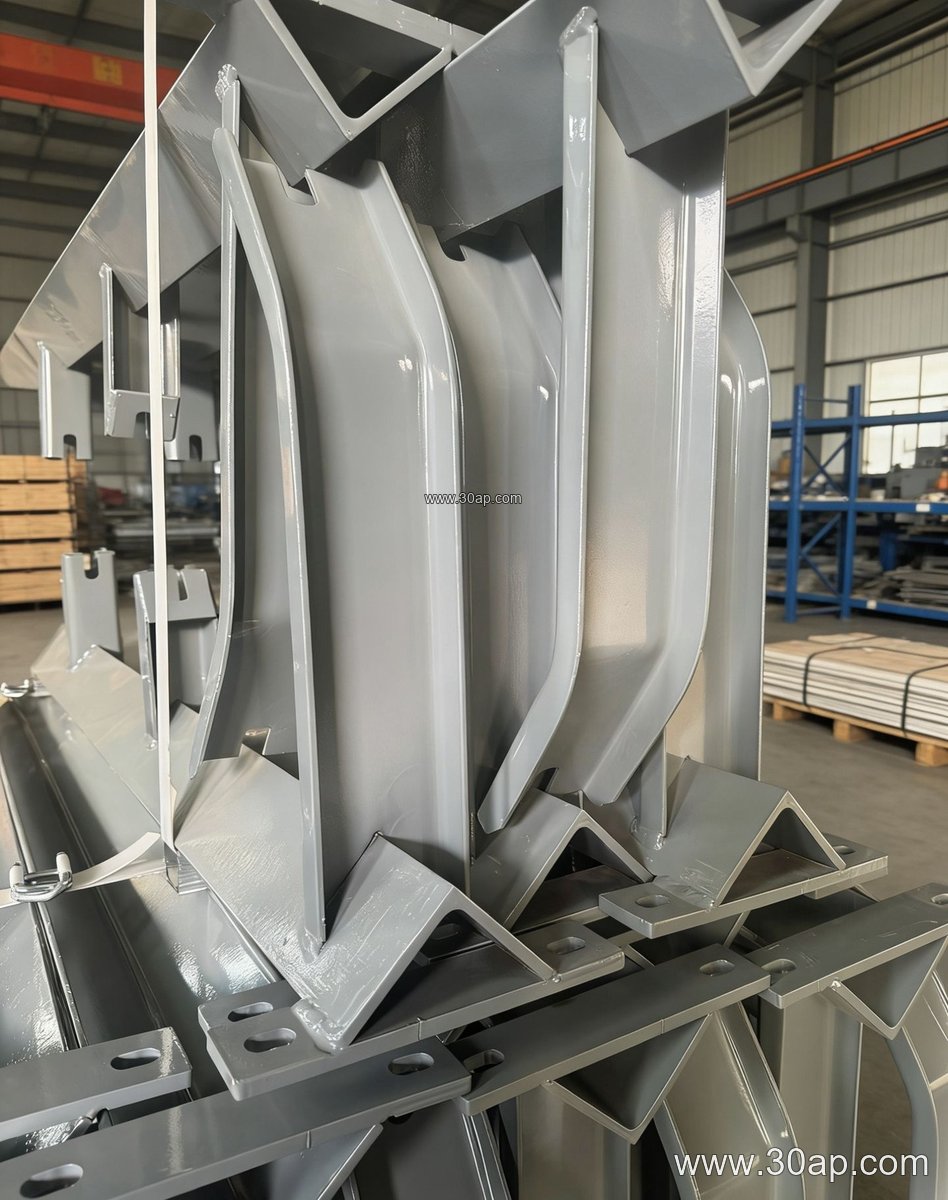
Most brackets are fabricated from angle steel, channel steel, or folded steel plate. The grade and thickness are chosen according to the belt width, the load, and the idler diameter, so two brackets that look similar may differ in plate thickness and hole spacing. After cutting and drilling, the assembly is hot-dip galvanized, which leaves a zinc layer on both the outside and the inside of the section. This matters on a conveyor bracket because condensation and fine dust collect in corners where paint tends to fail first.
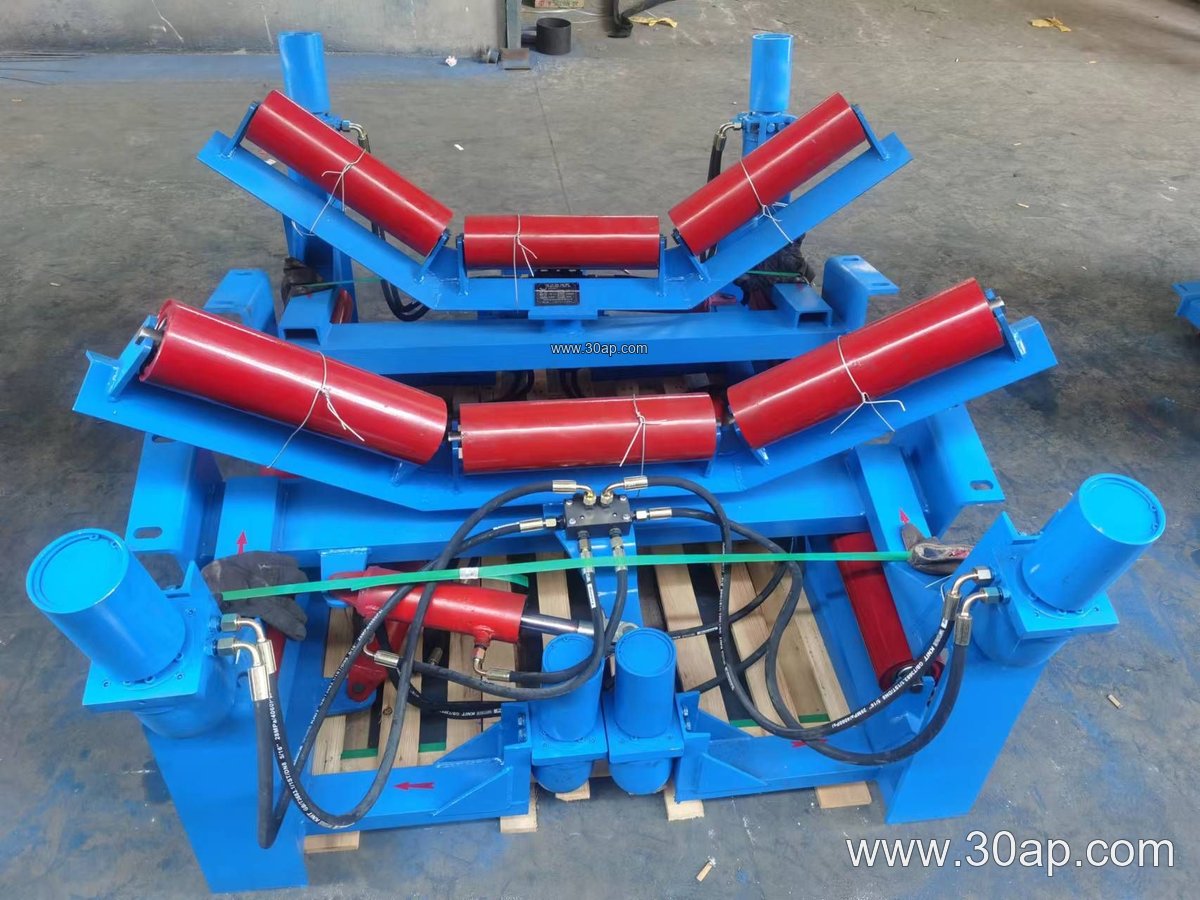
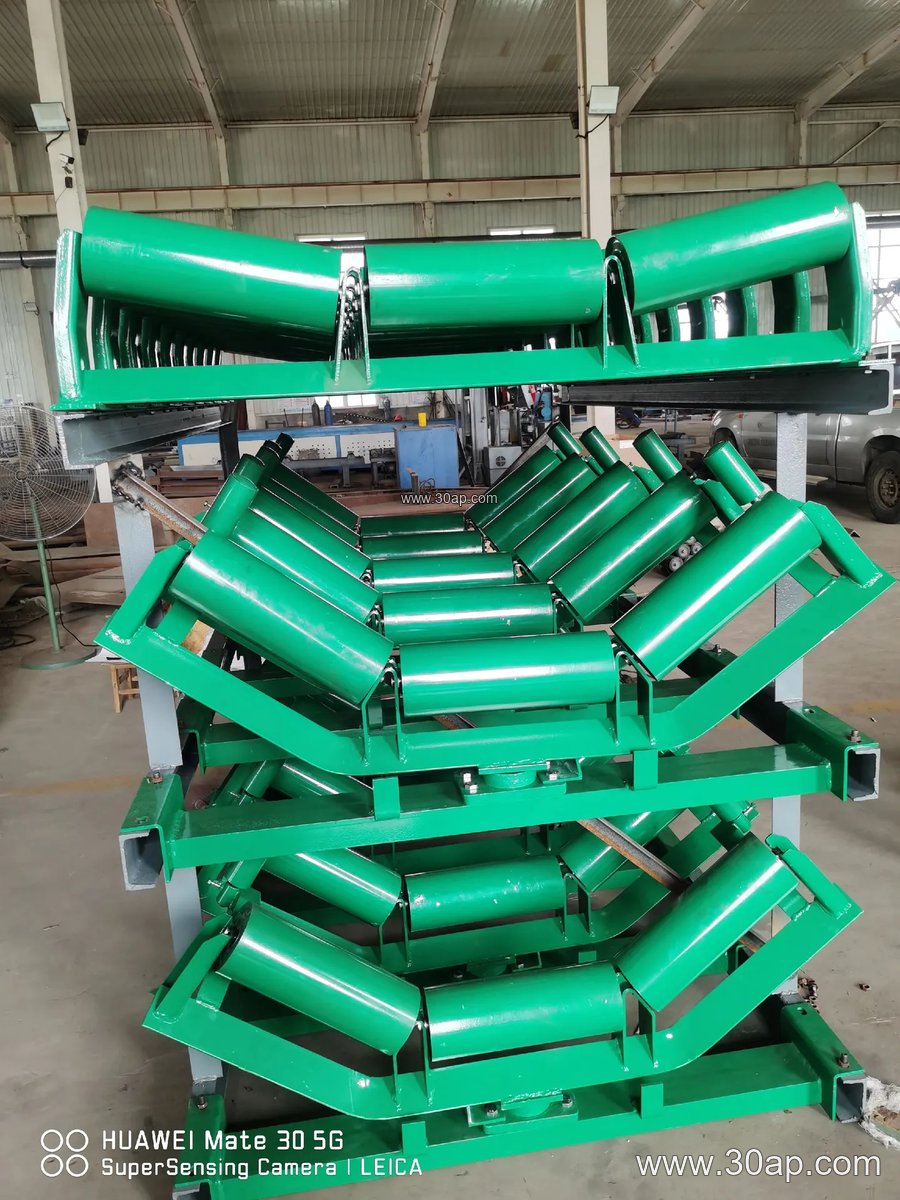
The main forms used on a belt conveyor include:
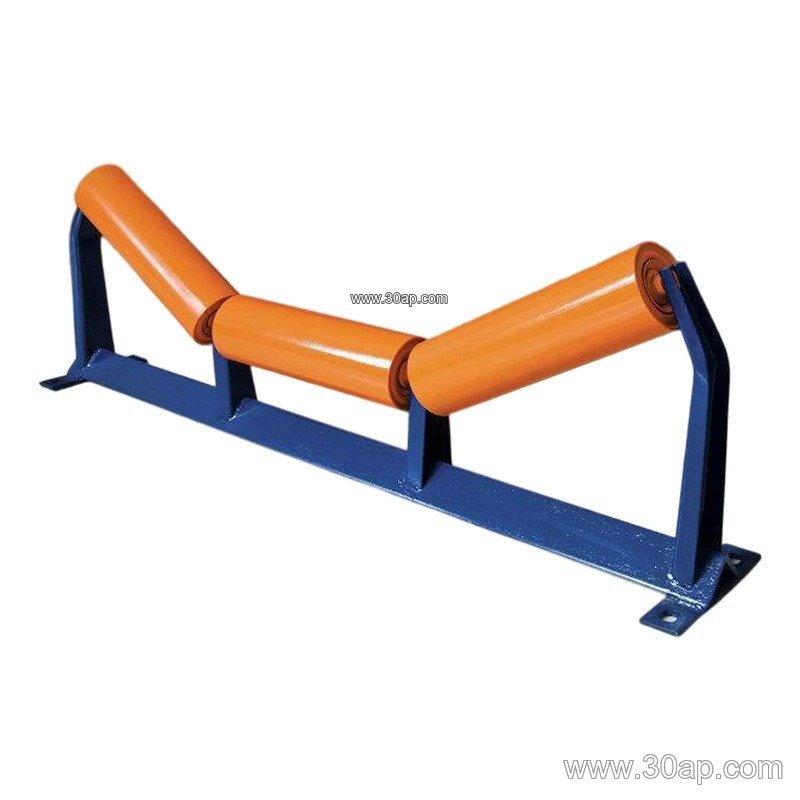
- Trough brackets for carrying idlers, usually set at 20, 30, 35, or 45 degrees
- Transition brackets near the head and tail to ease the belt from flat to troughed
- Return brackets and V-return brackets for the lower run
- Impact brackets under loading points, fitted with buffer idlers
- Self-aligning and forward-leaning brackets for belt tracking
- Adjustable brackets that allow the trough angle to be changed on site
Matching Bracket, Belt, and Idler
Sizing is a design decision rather than a fixed rule. A B800 belt may run at 30 or 35 degrees with Ø89 or Ø108 idlers, while a B1200 line in a heavy-duty mining conveyor belt duty often uses 35 or 45 degrees with Ø133 or Ø159 rollers. The bracket’s mounting hole spacing and crossbeam length change with belt width and trough angle, so they should be confirmed against the conveyor drawing instead of assumed. The table below shows typical reference combinations; these are examples, not mandatory pairings.
| Belt width | Common trough angle | Typical idler diameter |
|---|---|---|
| B500 / B650 | 20–30 degrees | Ø89 |
| B800 / B1000 | 30–35 degrees | Ø108 / Ø133 |
| B1200 / B1400 | 35–45 degrees | Ø133 / Ø159 |
| B1600 / B1800 | 35–45 degrees | Ø159 / Ø194 |
| B2000 and above | 35–45 degrees | Ø194 |
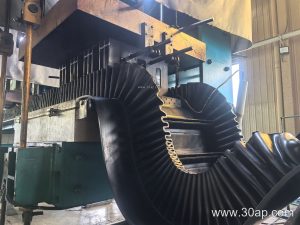
The bracket must also suit the belt itself. A heavy steel cord conveyor belt or a thick abrasion resistant conveyor belt used in iron ore handling puts more load on the idlers and frame than a lighter fabric core belt, and the bracket spacing should reflect that. On a coal mining conveyor belt with flame retardant properties, the bracket still has to keep the rollers square so the belt does not drift and rub the structure.
Where Galvanized Brackets Are Used
Galvanized conveyor brackets appear in stone crushing and screening lines, aggregate plants, cement works, and power station coal yards. In a quarry, the wash from wet screening makes galvanizing worthwhile on the return brackets and the trough frames. In a coal handling system, the same bracket type helps resist the damp, slightly acidic conditions found around transfer points. They are also used in port bulk terminals and in fertilizer or grain silo conveyors where the structure is exposed to the weather.
Buyer Checklist
Before ordering, confirm the belt width, the trough angle, the idler diameter, and the hole pattern on the existing stringer. Ask whether the bracket is fixed or adjustable, since an adjustable bracket lets maintenance staff fine-tune the trough angle after belt replacement. Check the zinc coating thickness and whether cut edges and weld seams are properly coated. For a conveyor bracket exposed to impact, specify the buffer bracket version and keep the impact idlers close to the loading chute. Finally, keep a small stock of spare brackets and idler rollers, because a bent bracket is a common cause of belt misalignment and edge damage.
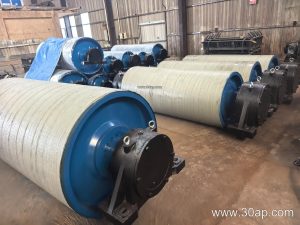
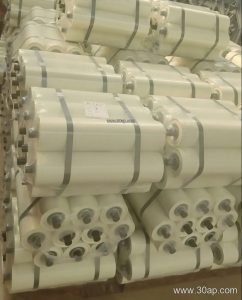
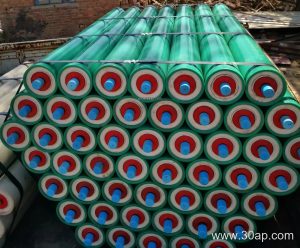
For related components such as the conveyor pulley, idler roller, and conveyor belt, match the bracket drawing with the supplier’s data sheet so the finished frame lines up on the first installation.