What a Mining Fire Resistant Conveyor Belt Is
A Mining Fire Resistant Conveyor Belt is a heavy-duty belt engineered for mines and other plants where a flame, spark or hot surface could otherwise ignite coal dust or fine material carried on the belt line. In practice, it is a fire resistant conveyor belt built for the mining duty class, and it is often supplied as a flame retardant conveyor belt with anti-static properties. The belt does not remove every ignition source, but it is designed so that fire resistance and static dissipation are part of the carcass and cover compound rather than an afterthought.
These belts appear in coal mining conveyors, underground coal mining conveyor belts, cement plants, power plants, steel works, quarry and aggregate lines, and port or ship loading systems. Wherever a conveyor belt moves dusty bulk material through an enclosed transfer point, a Mining Fire Resistant Conveyor Belt deserves serious attention.
How the Belt Is Built
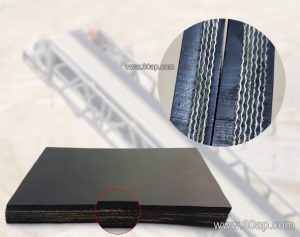
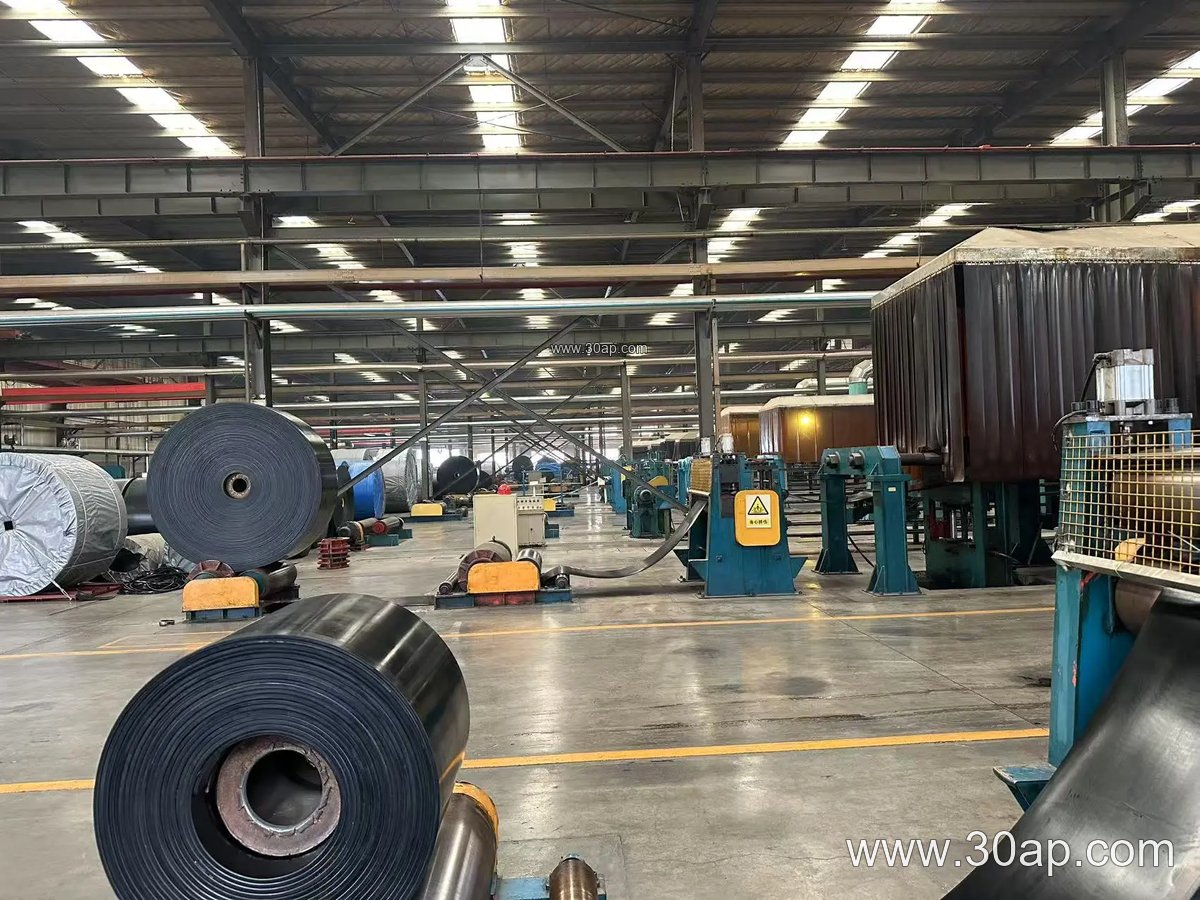
The product is usually a fabric core conveyor belt, most often an EP conveyor belt or NN conveyor belt with two to six plies, though steel cord conveyor belt constructions are also used for long, high-tension runs. Fire resistance comes from the cover compound and, where required, from the core treatment. Anti-static performance is controlled through the compound so that static charge does not build up on the running surface.
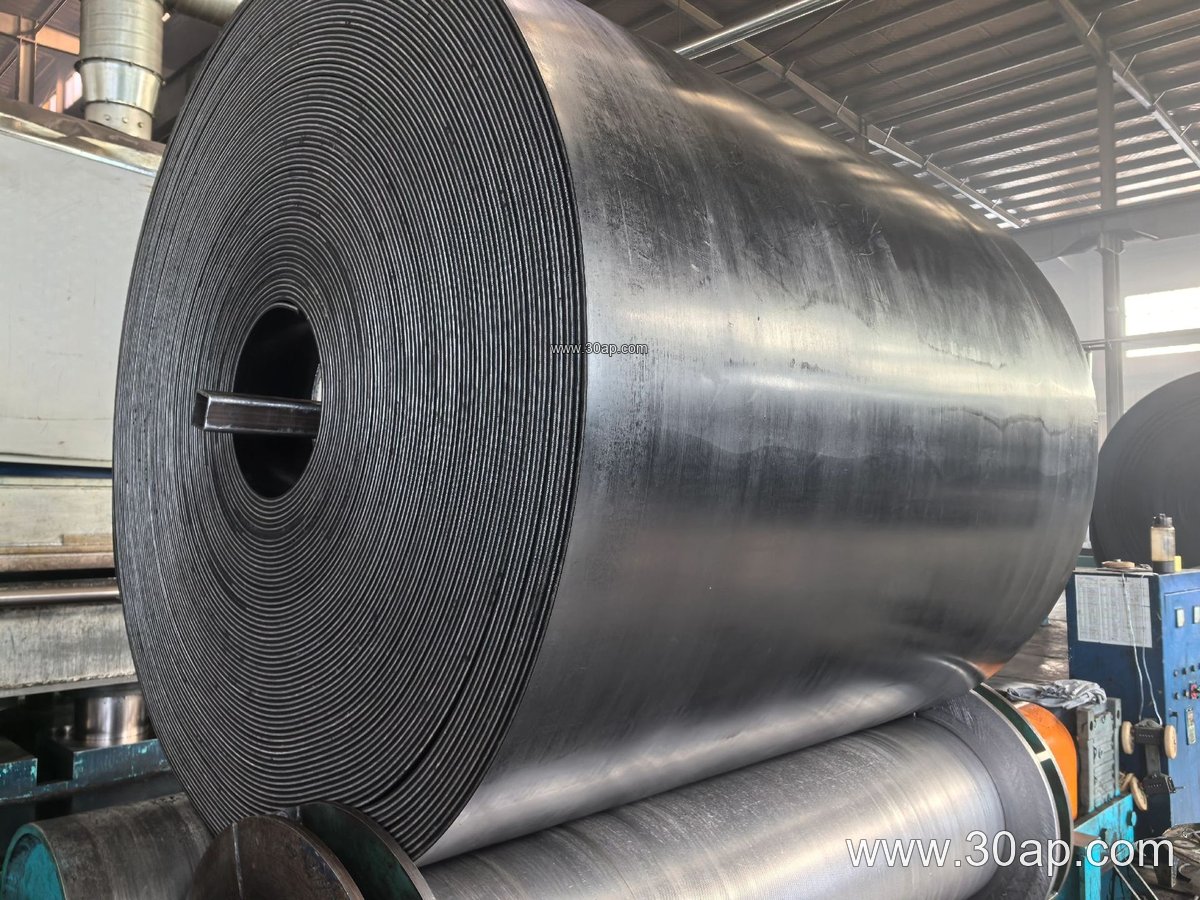
Cover grade and thickness are chosen for the material being carried. Common cover combinations include 3+1.5 mm, 4+2 mm, 5+2 mm, 6+2 mm and 8+3 mm, with the top cover taking the abrasion and impact. For a coal conveyor that also handles sharp rock, a high abrasion resistant conveyor belt cover may be paired with the fire resistant property, but the fire resistance requirement remains the base specification.
| Construction | Typical reference values | Notes for mining duty |
|---|---|---|
| EP fabric core | EP200, EP315, EP400, EP500, EP630, EP800, EP1000, EP1250 | Common for main and secondary mine belts |
| NN fabric core | NN100, NN200, NN300, NN400 | Good flexibility on shorter, tightly routed lines |
| Steel cord | ST1000, ST1250, ST1600, ST2000, ST2500 | For long overland and high-tension conveyors |
| Width | B500, B650, B800, B1000, B1200, B1400, B1600, B1800 | Match to tonnage, lump size and pulley face |
| Cover thickness | 3+1.5, 4+2, 5+2, 6+2, 8+3 mm | Thicker top cover for impact and abrasion |
These values are reference data. Actual belt strength, cover grade and width are set by the conveyor design, and different manufacturers offer different ranges.
Where It Fits on the Conveyor
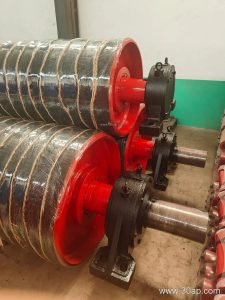
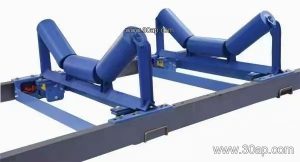
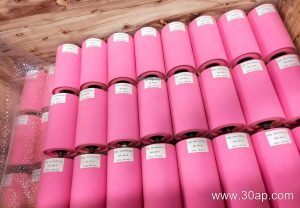
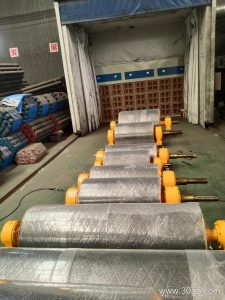
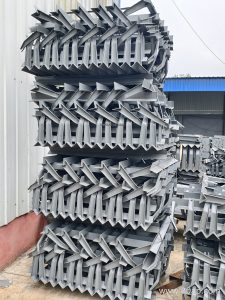
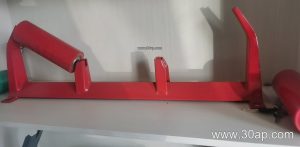
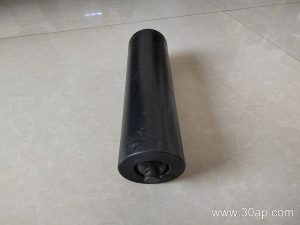
The belt works with a conveyor pulley at the drive and tail positions, and with bend pulleys that change direction along the route. Idler roller sets support the carrying and return sides, while the conveyor bracket and frame hold the idlers and pulleys in alignment. A well-aligned structure protects the belt edge and reduces the chance of friction heating at a misaligned idler or a seized roller.
Fire resistant belts are frequently specified together with other protective grades. A plant handling hot clinker may use a heat resistant conveyor belt in one section and a fire resistant belt in a dusty transfer zone. An oil resistant conveyor belt may be needed near gearboxes. A cold resistant conveyor belt is used at sites with severe winters. Each grade solves a different problem, so a Mining Fire Resistant Conveyor Belt should not be treated as a universal substitute for all of them.
Applications Across Industries
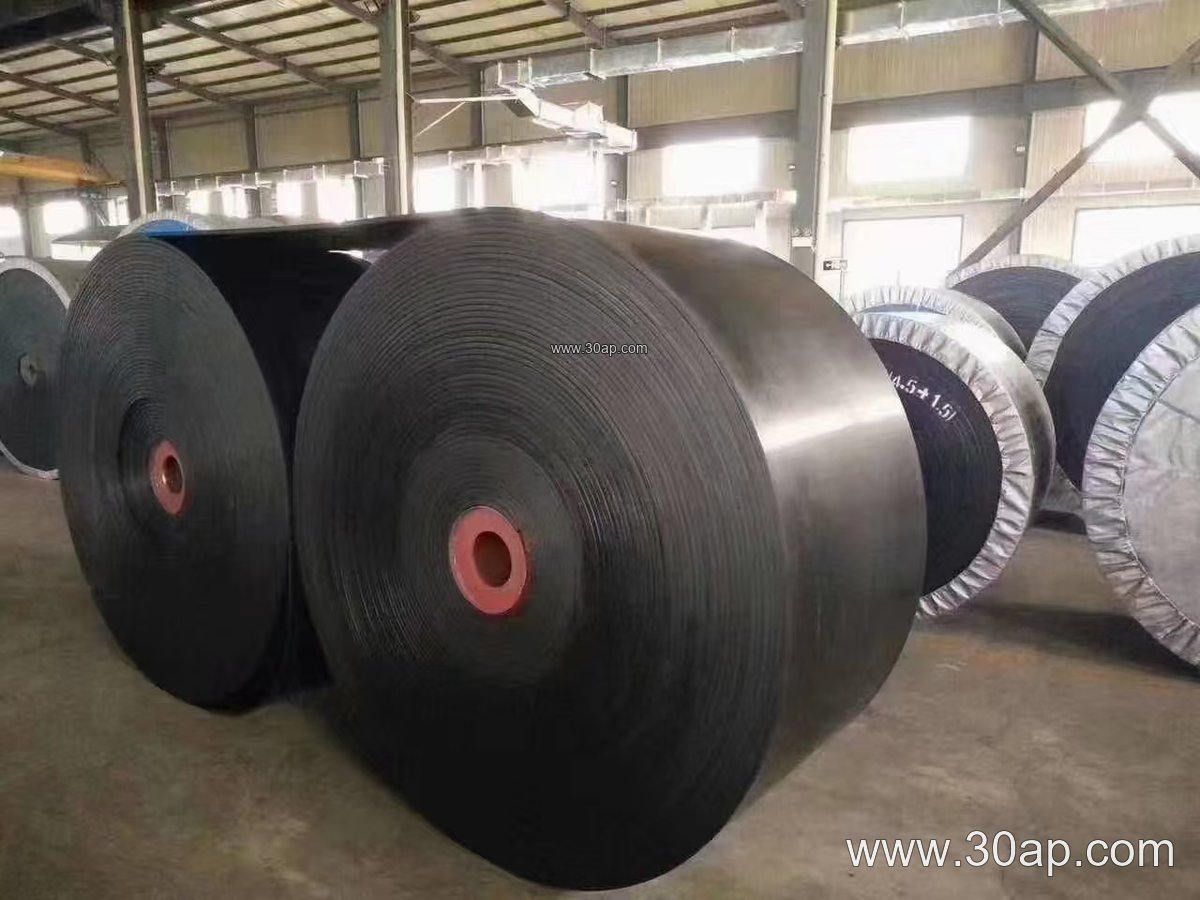
- Coal mining and underground coal mining conveyor systems, where dust and methane control make flame retardancy essential.
- Cement plants carrying limestone, clinker and additives.
- Power plants handling coal and biomass fuel.
- Steel plants and foundries moving ore, coke and slag.
- Quarries, aggregate plants and stone crushing lines.
- Ports and ship loading conveyors moving bulk material.
In these settings the same belt family may be ordered as a Mining Conveyor Belt, a Coal Mining Conveyor Belt or an Underground Mining Conveyor Belt, with the fire resistant requirement stated explicitly on the data sheet. A PVG conveyor belt is another fire resistant option often used in coal mines, and it is worth comparing with a fabric-core rubber belt when the layout and tension allow either one.
What Buyers Should Check
Start with the duty: material type, lump size, throughput, incline, and whether the conveyor runs underground. Confirm the required fire resistance and anti-static level, then select belt strength and width. Check the pulley diameters and the idler spacing so the belt can flex without over-stressing the carcass. Ask for the cover grade, ply count and cover thickness in writing, and confirm the splice method suits the belt construction.
During operation, keep the belt tracking straight, inspect the idler roller and pulley surfaces for build-up, and remove spilled material from return runs. A fire resistant belt still needs clean, well-maintained hardware to perform as intended. For a full range of belts, idlers, pulleys and brackets, buyers can review www.bulkconveyorparts.com and match each component to the same duty class.