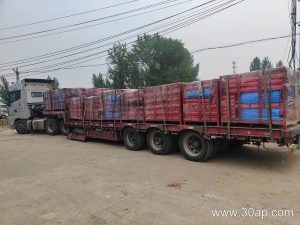
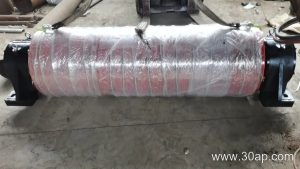
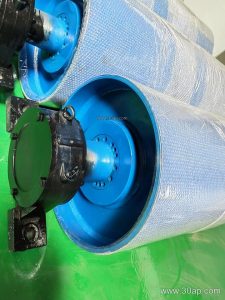
What Is a Head Pulley?
A head pulley is the driven pulley located at the discharge end of a belt conveyor. Often called the drive pulley, it transmits power from the drive unit to the conveyor belt through friction between the pulley surface and the belt. In mining, coal preparation, cement plants, power stations, and quarry lines, the head pulley is the component that keeps material moving toward the next stage. While it works alongside the tail pulley, bend pulley, and idler rollers, the head pulley is the primary driving element and is not interchangeable with those other positions.
Construction and Surface Options
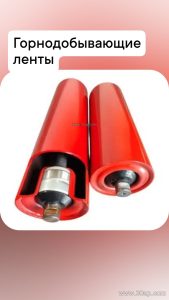
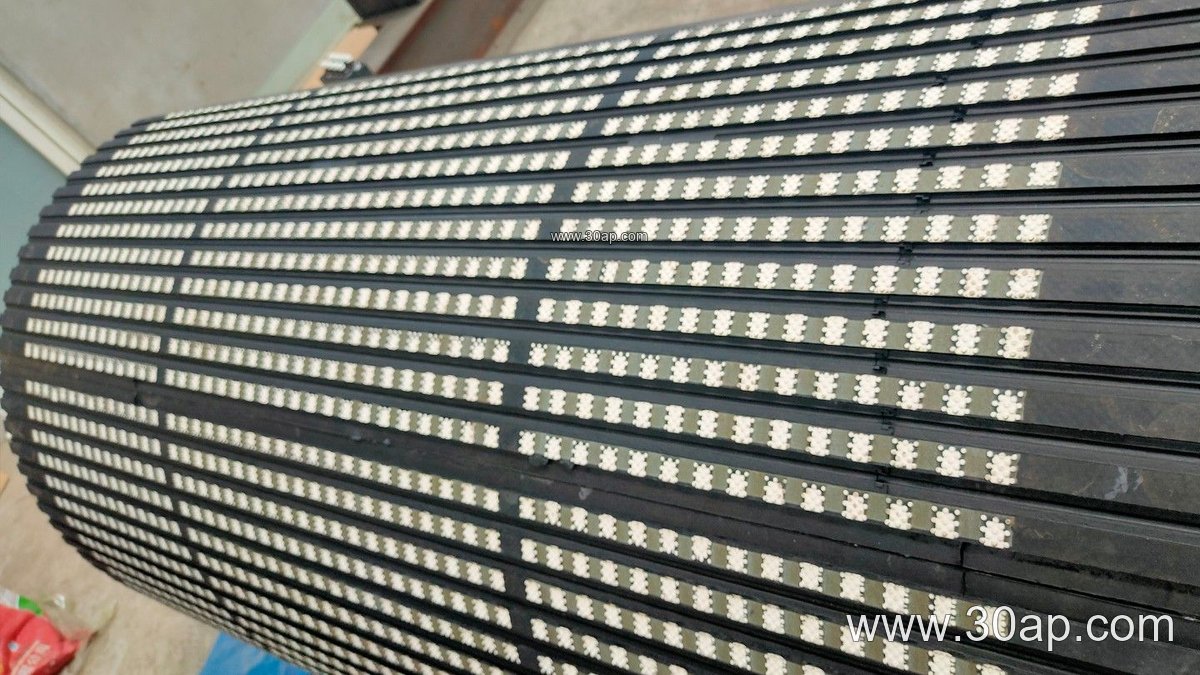
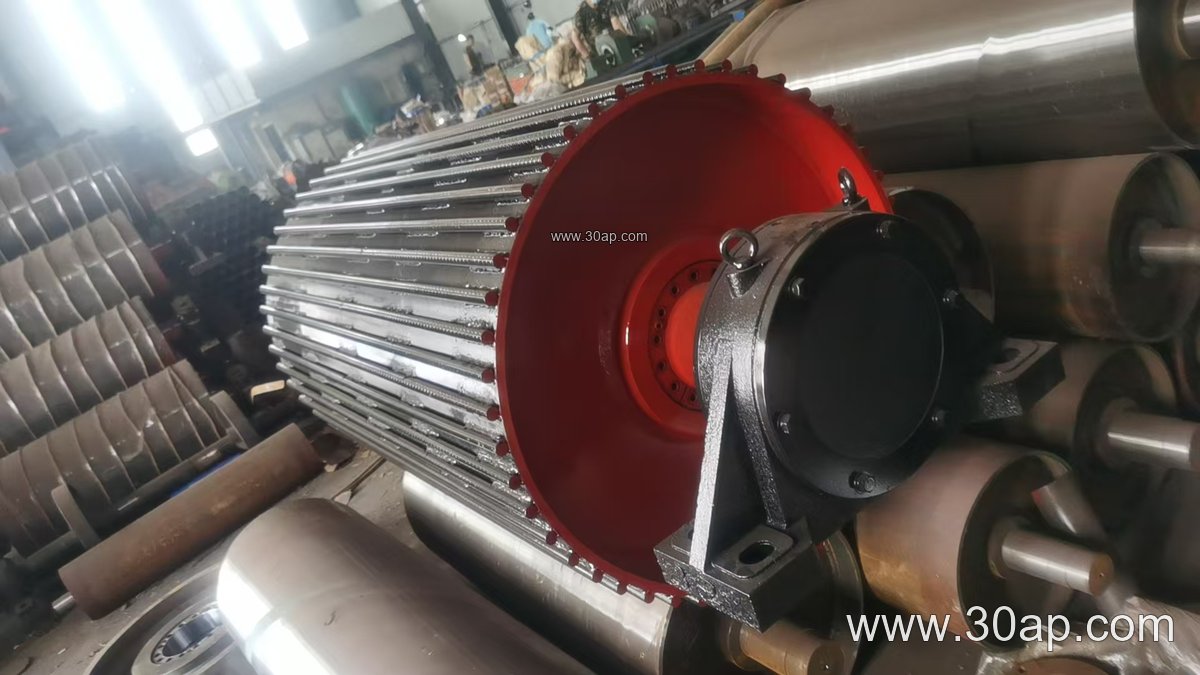
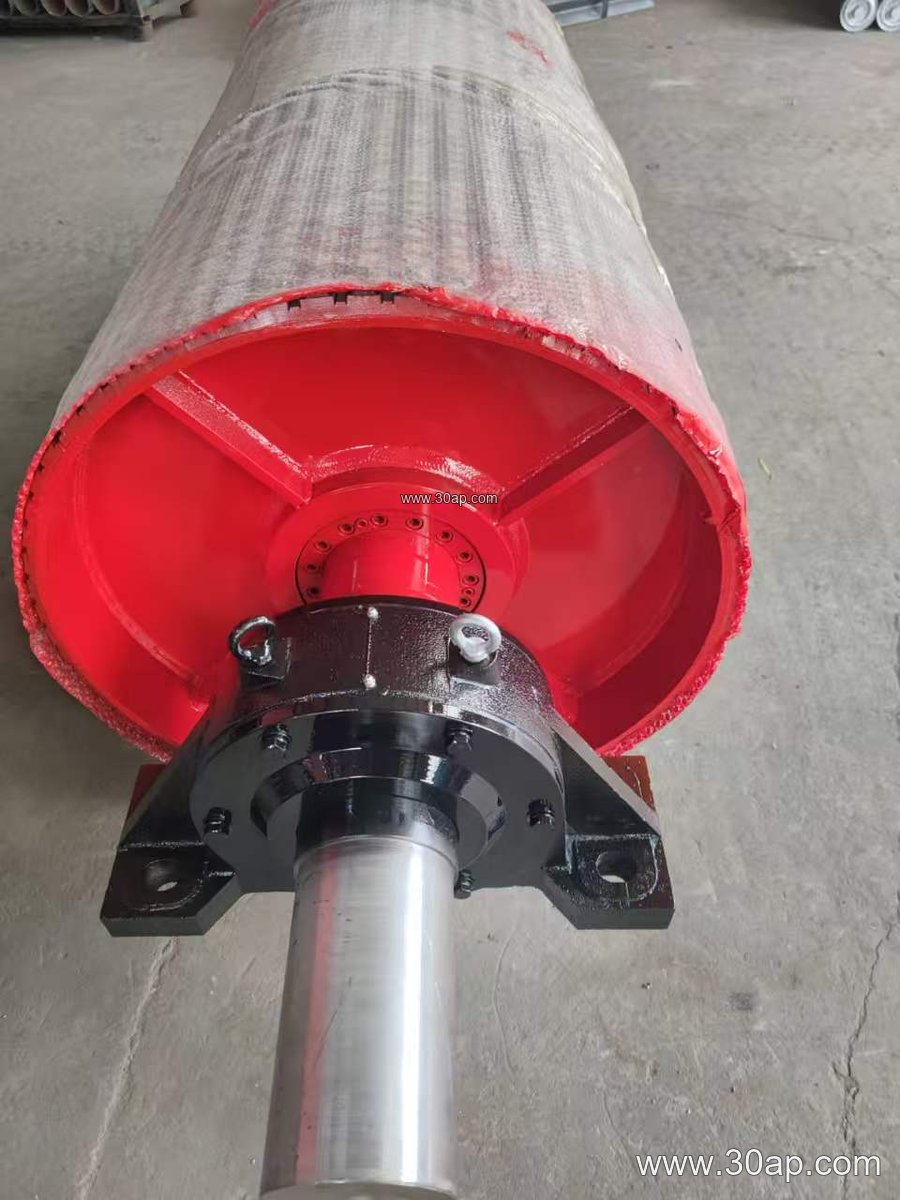
Head pulleys are typically built with a steel drum, shaft, and bearing housings. The drum surface may be plain or covered with rubber, ceramic, or other lagging to improve grip. Common surface forms include smooth, cast rubber, cold-bonded rubber, hot-vulcanized rubber, diamond grooved, herringbone grooved, and ceramic lagging. Lagging thicknesses of 8, 10, 12, 15, or 20 mm are often selected based on the duty. The pulley face width usually exceeds the belt width by about 100 to 200 mm to allow for belt tracking. For example, a B800 belt may use a pulley face around 950 mm, while a B1200 belt may use about 1400 mm. These are reference relationships, not fixed rules.
Where It Fits in the Conveyor System
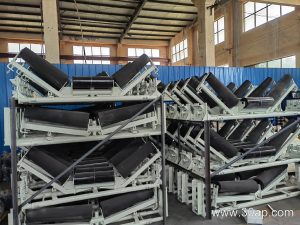
The head pulley sits at the discharge point, where the belt unloads material. It is supported by conveyor brackets and aligned with the conveyor frame. In a quarry or aggregate line, it may handle abrasive rock and stone; in a coal mining or underground coal mining operation, flame retardant and anti-static properties of the belt become important, and the head pulley must be sized to match the belt tension. In a cement plant or power plant, heat resistant or abrasion resistant conveyor belts may be used, and the head pulley lagging should suit the environment. The head pulley is distinct from the tail pulley, which is at the feed end, and from bend pulleys that change belt direction without driving.
Key Parameters for Buyers
When specifying a head pulley, buyers should consider belt width, pulley diameter, shaft diameter, face width, lagging type and thickness, and bearing size. The table below shows common reference combinations; actual selection depends on torque, load, and conveyor design.
| Belt Width (mm) | Typical Pulley Face (mm) | Common Diameter Range (mm) | Example Combination |
|---|---|---|---|
| B400 | 500 | 200–315 | B400 × Ø250 |
| B500 | 600 | 250–400 | B500 × Ø315 |
| B650 | 750 | 315–500 | B650 × Ø400 |
| B800 | 950 | 400–630 | B800 × Ø500 |
| B1000 | 1150 | 500–800 | B1000 × Ø630 |
| B1200 | 1400 | 630–1000 | B1200 × Ø800 |
| B1400 | 1600 | 800–1250 | B1400 × Ø1000 |
| B1600 | 1800 | 1000–1400 | B1600 × Ø1250 |
| B1800 | 2000 | 1250–1600 | B1800 × Ø1400 |
Shaft diameters commonly range from Ø50 to Ø200 mm, but the correct size is determined by torque and load, not by belt width alone. A larger belt width does not automatically require a specific shaft diameter. Buyers should also confirm the drive arrangement, whether the pulley is motorized or driven through a gearbox, and the bearing type.
Matching the Head Pulley to the Belt
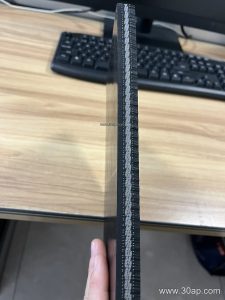
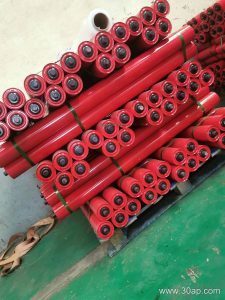
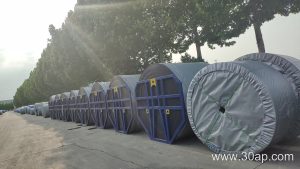
The head pulley must work with the conveyor belt to maintain traction and avoid slippage. For heavy-duty mining conveyor belts, such as steel cord conveyor belt or high abrasion resistant conveyor belt, a lagged head pulley with adequate friction is often needed. In food or clean environments, a smooth or food grade lagging may be preferred. The pulley diameter should be large enough to reduce belt bending stress, especially with thick or stiff belts like steel cord or multi-ply fabric core conveyor belt. The belt width and pulley face width should be matched so the belt is supported across its full width. Idler rollers and conveyor brackets should be aligned to keep the belt centered on the head pulley.
Maintenance and Selection Tips
Regular inspection of lagging wear, bearing condition, and shaft alignment helps prevent unplanned downtime. In dusty operations such as a quarry or coal mine, lagging grooves can clog, so cleaning and inspection schedules matter. When replacing a head pulley, verify the shaft diameter, keyway, bearing centers, and face width against the conveyor frame. Do not assume that a pulley from another position, such as a bend pulley or tail pulley, can serve as a head pulley; the drive duty and loading are different. For new projects, provide the belt width, belt type, expected tension, and drive power so the supplier can recommend a suitable head pulley. For more information on conveyor components, visit conveyor pulley and conveyor belt resources.