What a Trough Idler Bracket Does on a Conveying Line
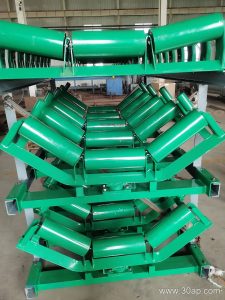
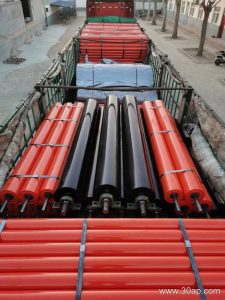
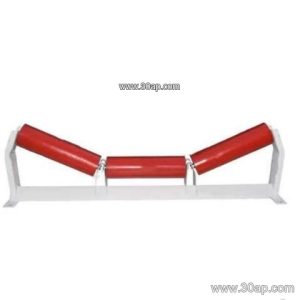
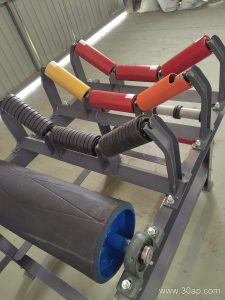
A trough idler bracket is the steel support that holds the three-roll carrying set in a troughed profile under the belt. It fixes the side rollers at the chosen trough angle so the conveyor belt forms a stable channel for bulk material. On a quarry conveyor or a cement plant feeding line, this bracket is the interface between the idler roller and the conveyor frame, and its geometry decides how well the belt is supported between the head and tail pulleys.
The bracket is not a wear part in the same sense as the roller shell, but it carries the load path from the belt and material into the stringer. A weak or misaligned bracket shows up quickly as belt edge wear, spillage, and uneven roller rotation. Buyers comparing conveyor bracket options should treat it as a structural component with its own dimensional rules, not as a universal accessory.
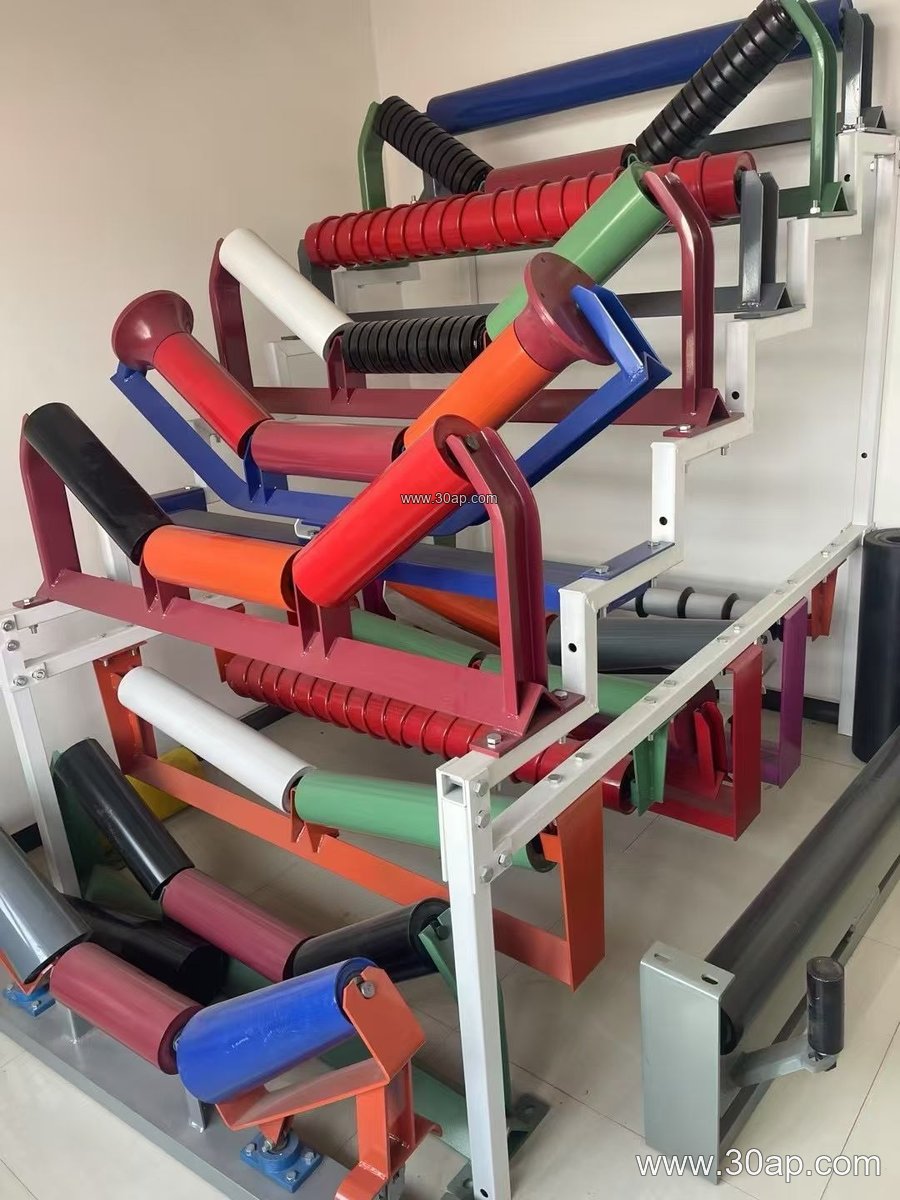
Construction and Common Forms
Most trough brackets are fabricated from angle steel, channel steel, or folded steel plate. The center roll seat is usually fixed, while the two wing seats are set at the design trough angle. Common configurations include fixed trough brackets, transition brackets near the head and tail, and adjustable versions that allow the trough angle to be changed on site. A 20 degree, 30 degree, 35 degree or 45 degree setting may be offered, and an adjustable bracket can usually move between these positions.
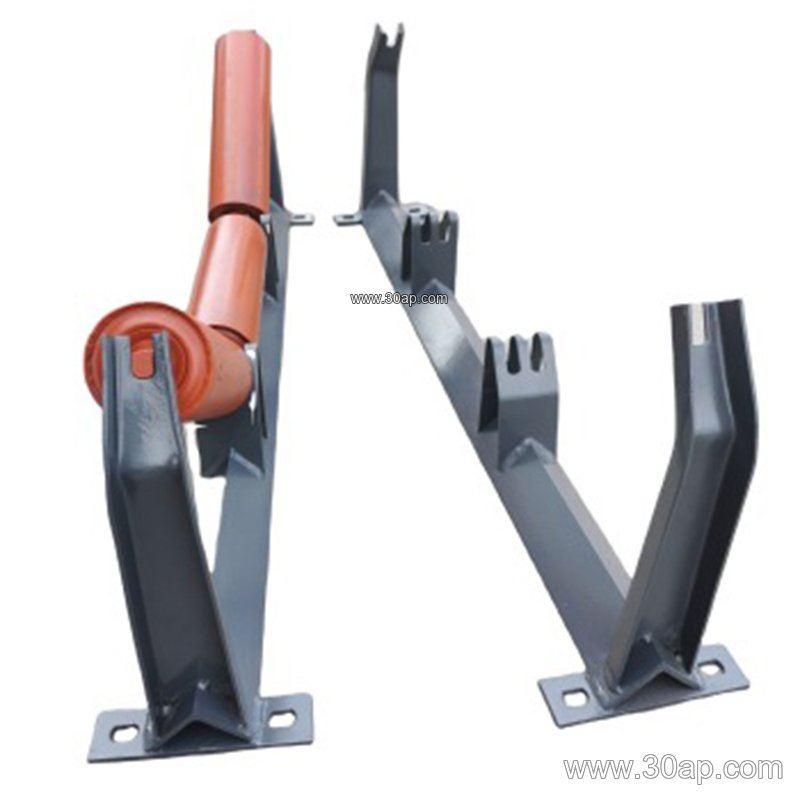
Forward-leaning designs, often around 1.5 to 2 degrees, are used to encourage belt tracking. Impact brackets with resilient mounts are a separate subtype used at load points, and self-aligning brackets are another family; neither should be confused with the standard trough support described here. Materials and welds matter more than appearance, since the bracket must resist vibration and repeated loading in a stone crushing line or a power plant coal yard.
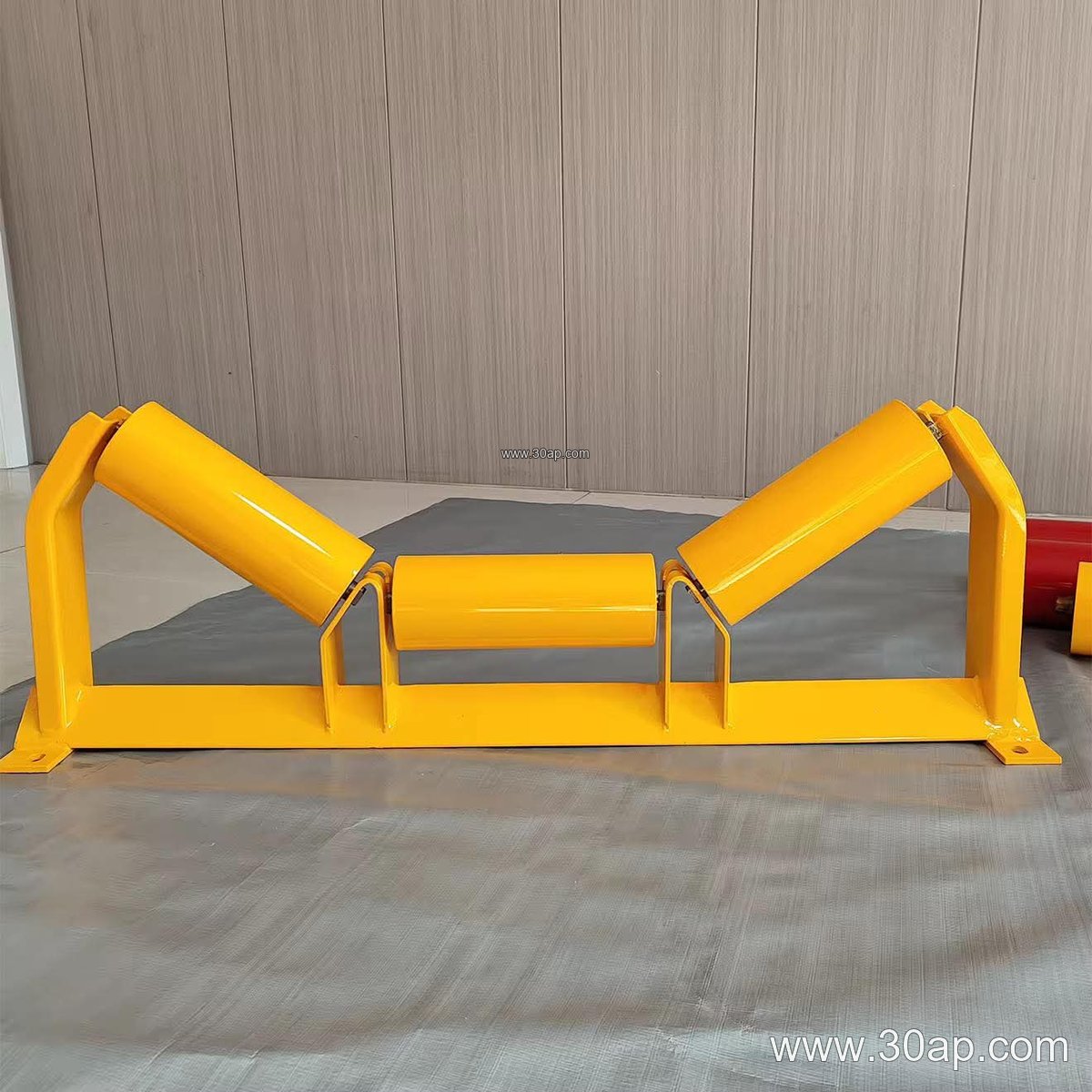
Matching Bracket to Belt Width and Roll Diameter
Bracket length, mounting hole spacing, and beam height follow the belt width and trough angle, so these values are determined by design rather than fixed. Typical belt widths in the reference range include B500, B650, B800, B1000, B1200, B1400, B1600, B1800, B2000, B2200, and the roller diameter usually falls among Ø89, Ø108, Ø133, Ø159, Ø194. There is no single mandatory combination; a B800 belt may run with Ø108 rollers at 35 degrees, and a wider B1200 line may use Ø133 at 45 degrees depending on material and speed.
| Reference Item | Common Range | Notes |
|---|---|---|
| Belt width | B500 to B2200 | Bracket length follows design |
| Trough angle | 20, 30, 35, 45 degrees | Adjustable types vary on site |
| Roller diameter | Ø89, Ø108, Ø133, Ø159, Ø194 | Selected with load and speed |
| Material | Angle, channel, folded plate | Coating per site conditions |
| Forward lean | About 1.5 to 2 degrees | Tracking aid, not universal |
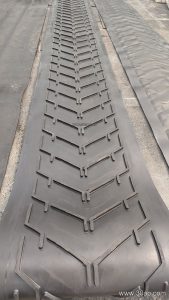
When a heavy-duty mining conveyor belt runs at high tonnage, the bracket and roller should be sized together. A steel cord conveyor belt on an iron ore line may call for larger roller diameters and stiffer brackets than an EP conveyor belt on a lighter aggregate duty. The same logic applies to a flame retardant conveyor belt in an underground coal mining conveyor: the bracket still follows belt width and load, and fire performance is a belt property, not a bracket property.
Installation and Daily Checks
Alignment is the first priority. Brackets should sit square to the frame, at a consistent height, with mounting bolts tightened to the design torque. A common mistake is mixing brackets of different trough angles along one stringer, which forces the belt into an uneven profile. On a port conveyor or a lime kiln feed line, a short transition zone with gradually changing angles helps the belt move from flat pulleys into the trough without stress at the edges.
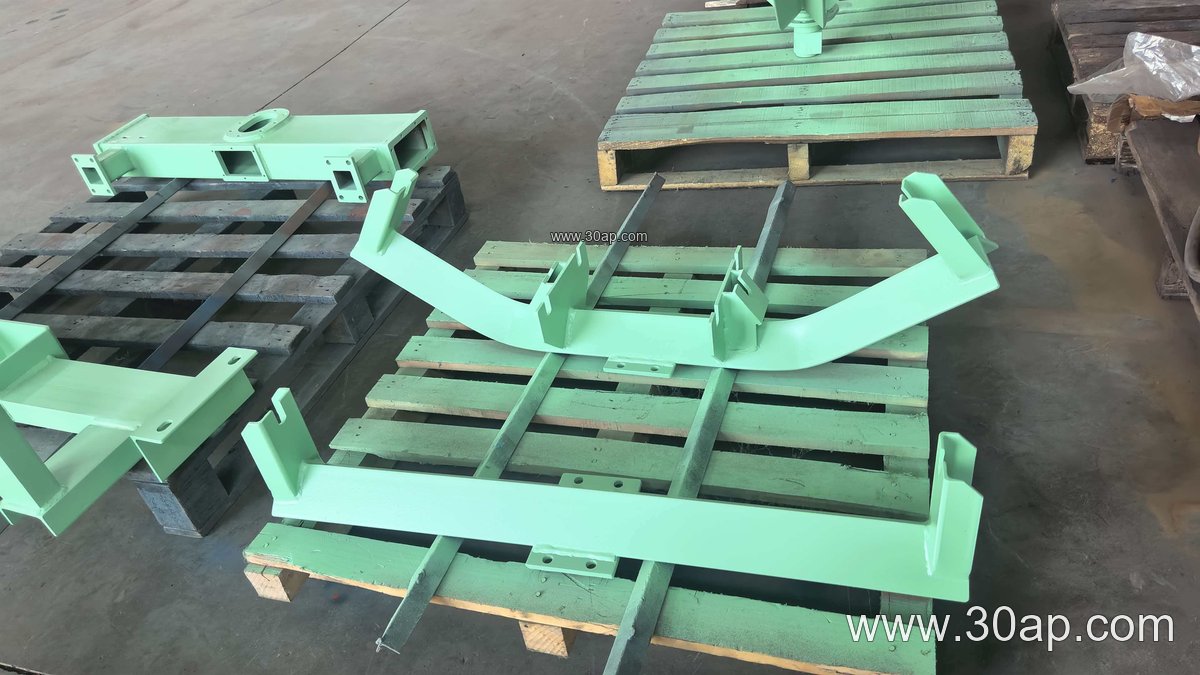
- Check that all three rollers touch the belt evenly after installation.
- Look for bent wings or elongated holes after a jam or impact.
- Confirm that the bracket still matches the idler roller diameter after any replacement.
- Inspect welds and coating in wet or corrosive service.
Spare parts planning should record belt width, trough angle, roller diameter, and hole spacing for each line. This avoids ordering a bracket that fits the frame but not the roller. For related components, buyers often review conveyor idler roller and conveyor pulley specifications together with the bracket drawing so the whole carrying section is consistent.
Buyer Checklist
Ask for a dimensioned drawing, not just a photo. Confirm the material grade and surface treatment, the mounting hole pattern, and whether the bracket is fixed or adjustable. State the belt width, the intended trough angle, and the roller diameter you plan to use. If the line carries abrasive rock or hot clinker, mention it so the supplier can comment on bracket stiffness and coating. A well-matched trough idler bracket keeps the belt profile stable, reduces spillage, and lets the idler roller do its job across mines, sand and gravel plants, cement works, and power station coal handling systems.