What an Oil Resistant Conveyor Belt Is
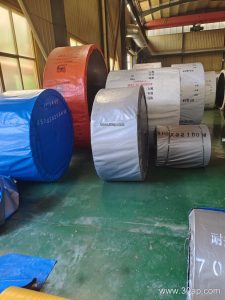
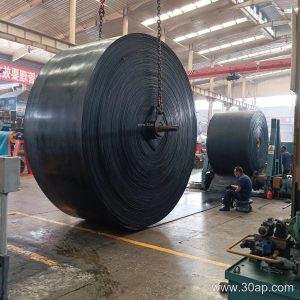
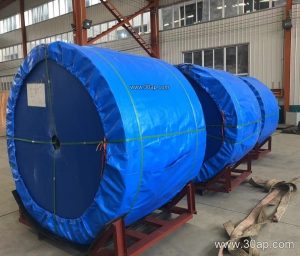
An oil resistant conveyor belt is a fabric-reinforced rubber belt designed to limit swelling, hardening, and cover breakdown when the carried material contains mineral oil, vegetable oil, animal fat, or solvent residue. In a cement plant, coal preparation circuit, metal stamping line, or recycling facility, ordinary rubber can soften and lose adhesion after repeated contact with oily scrap, coated aggregate, or lubricant-soaked parts. The oil resistant conveyor belt uses a cover compound and sometimes a barrier layer that slow that attack, keeping the belt tracking and holding its splice.
The product is also called an oil resistant rubber conveyor belt or oil-proof conveyor belt. These names describe the same item; they are not separate subtypes. The main belt family remains fabric-core or steel-cord construction, with the oil resistant cover as the distinguishing feature.
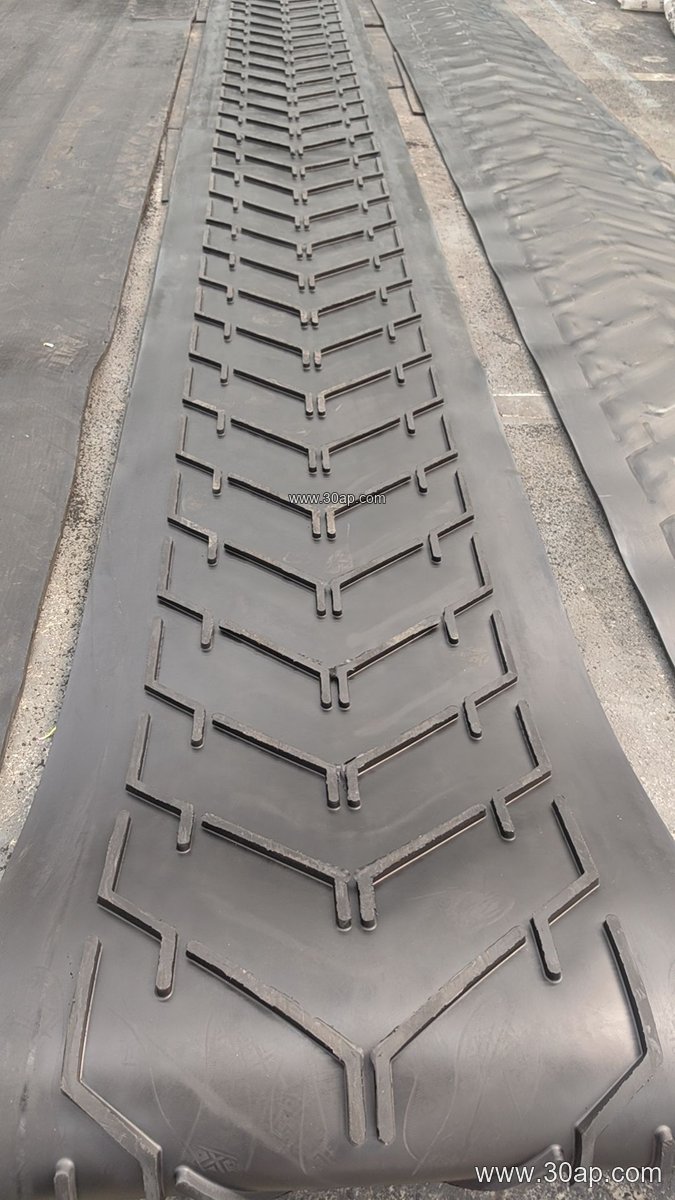
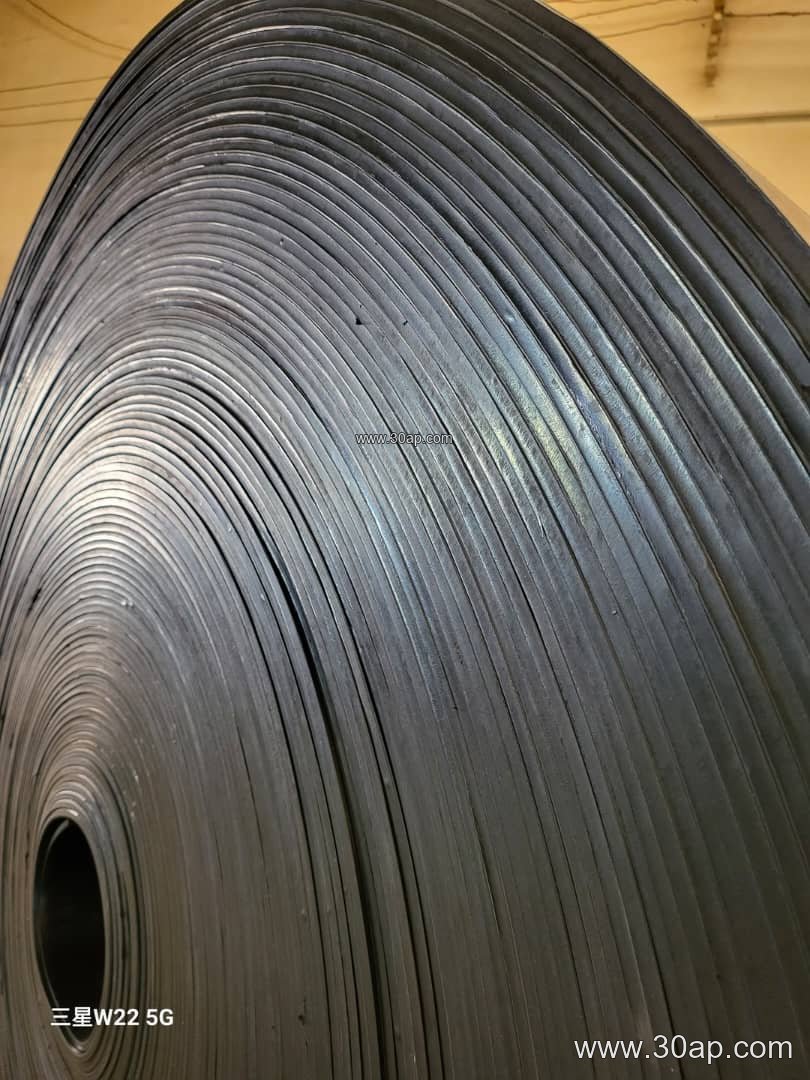
Construction and Cover Options
A typical oil resistant conveyor belt is built on an EP Conveyor Belt carcass, an NN Conveyor Belt carcass, or a Steel Cord Conveyor Belt carcass, depending on tension and impact. The cover is the working surface; its polymer base and compounding determine how long the belt tolerates oily conditions. Buyers often see cover thickness written as 3+1.5, 4+2, 5+2, 6+2, or 8+3 mm, where the first figure is the top cover and the second is the bottom cover. Carcass plies commonly range from 2 to 6 layers in fabric belts, while steel cord belts are specified by cord strength.
| Reference item | Common range or example | Note |
|---|---|---|
| Belt width | B500, B650, B800, B1000, B1200, B1400, B1600, B1800, B2000 | Select by tonnage, lump size, and pulley face width |
| Fabric carcass strength | EP200, EP315, EP400, EP500, EP630, EP800, EP1000, EP1250 | Higher grades for longer centers and heavier loads |
| Cover thickness | 4+2 mm, 5+2 mm, 6+2 mm, 8+3 mm | Top cover usually thicker on carrying side |
| Ply count | 2 to 6 plies | Depends on carcass type and tension rating |
For oily and abrasive service, an Abrasion Resistant Conveyor Belt compound may be combined with oil resistance, but the buyer should confirm that the cover data covers both conditions. A Heat Resistant Conveyor Belt cover is a different product and should not be ordered as a substitute when oil is the main concern.
Where It Fits in the Plant
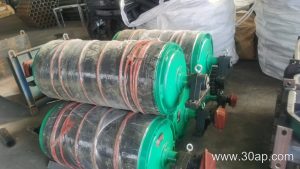
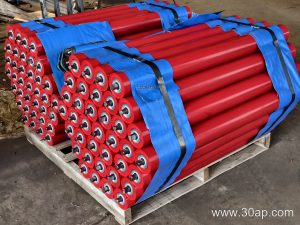
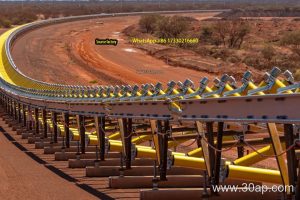
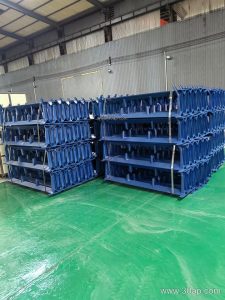
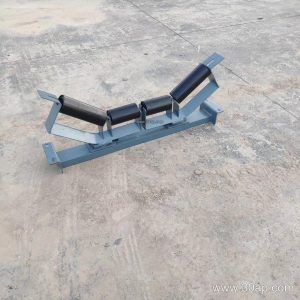
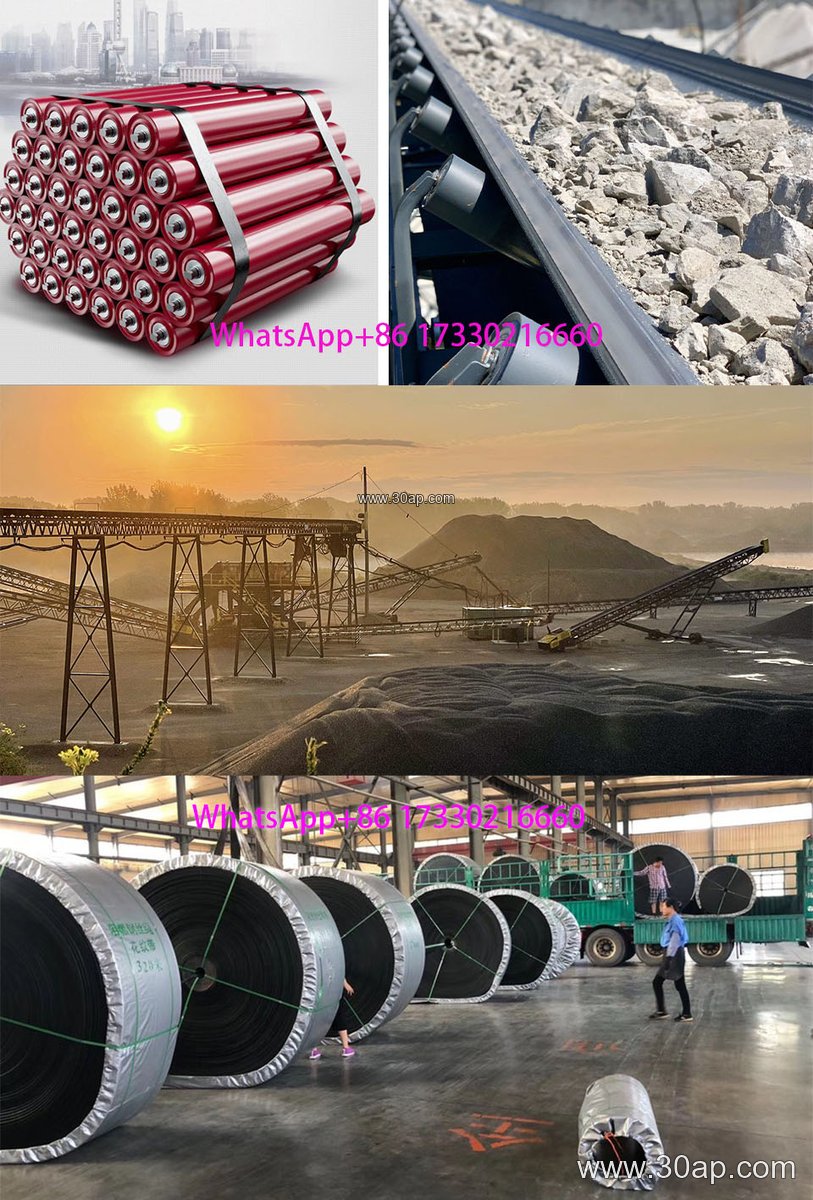
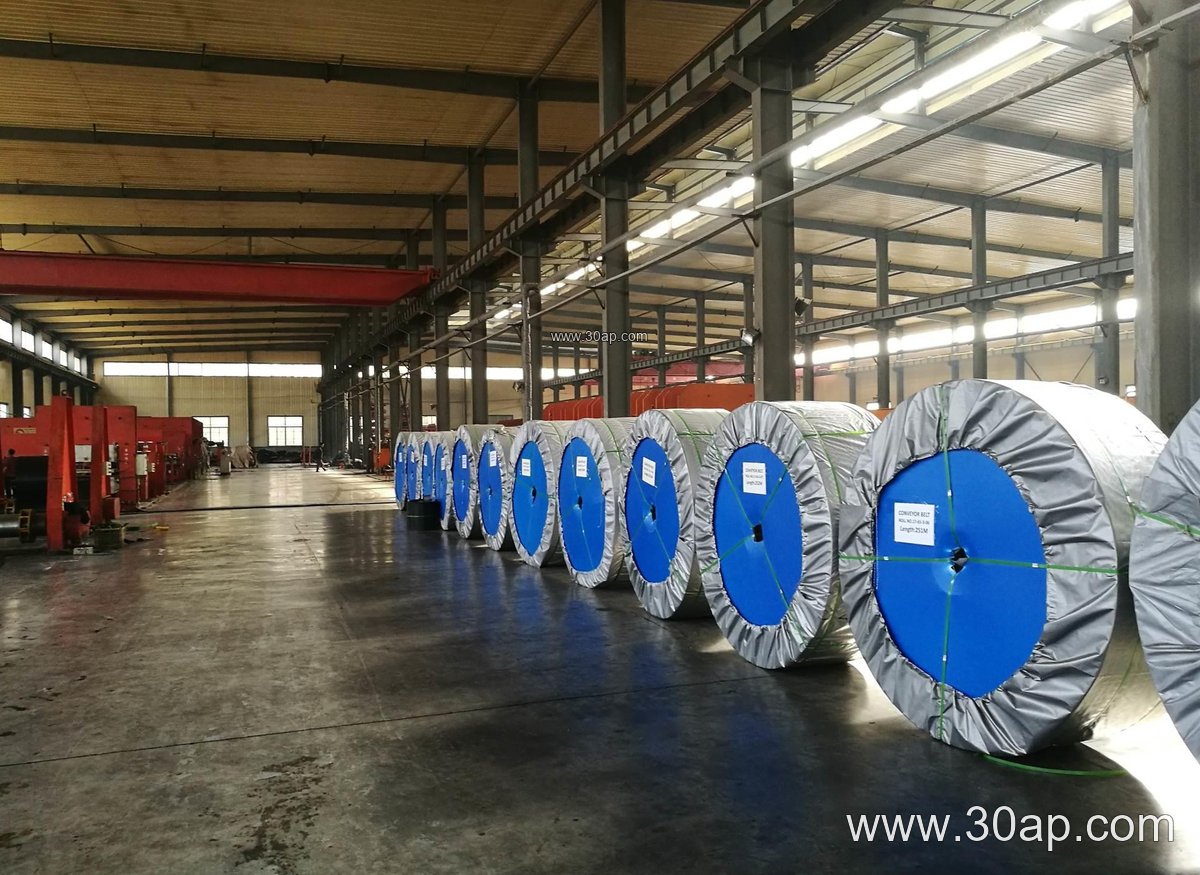
Oil resistant belts appear in cement plants handling oil-contaminated clinker or fuel residue, in power plants moving oily biomass or coal with lubricant carryover, in steel plants transporting oily scale, and in recycling lines where scrap contains residual fluids. They also run in sand and gravel operations when crusher discharge carries oil from equipment. The belt works with conveyor pulleys, idler rollers, and conveyor brackets in the same way as other fabric or steel cord belts; the difference is the cover life under oily contact.
In underground coal mining, a Flame Retardant Conveyor Belt and Anti-Static Conveyor Belt are often mandatory, and an oil resistant cover may be requested only where oil contamination is proven. Do not assume that an oil resistant belt is automatically fire resistant. For hot material, a Heat Resistant Conveyor Belt or High Temperature Conveyor Belt is the correct family. For curved routes, a Pipe Conveyor Belt or Corrugated Sidewall Conveyor Belt solves a different problem, not oil attack.
Buyer Checklist
- Identify the oil type and contact time. Mineral oil, vegetable oil, and solvent behave differently, and intermittent drips are less severe than continuous soak.
- Match carcass tension to the conveyor profile. An EP1000 or EP1250 carcass may suit a long overland run, while a shorter feeder can use a lower grade.
- Check cover thickness against wear. A 6+2 mm cover gives more wear life than 4+2 mm on abrasive, oily aggregate.
- Confirm splice compatibility. Oil attack at the splice is a common failure point, so the splice material should be compatible with the cover compound.
- Review pulley and idler contact. Oil-resistant covers can be softer or harder than standard covers; check that the belt still trains well on the conveyor pulleys.
- Ask for the manufacturer’s data on oil resistance rather than relying on the product name alone.
An oil resistant conveyor belt is a targeted solution, not a universal upgrade. When the material is dry and clean, a standard Rubber Conveyor Belt or Abrasion Resistant Conveyor Belt may be more cost-effective. When oil is present, specify the oil resistant cover clearly, state the oil type, and keep the carcass grade, width, and cover thickness in the same order so the supplier can quote the correct build.