What a Three-Roll Trough Idler Does
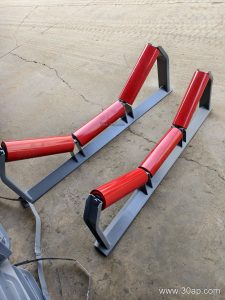
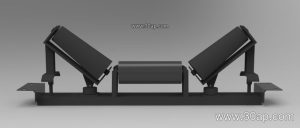
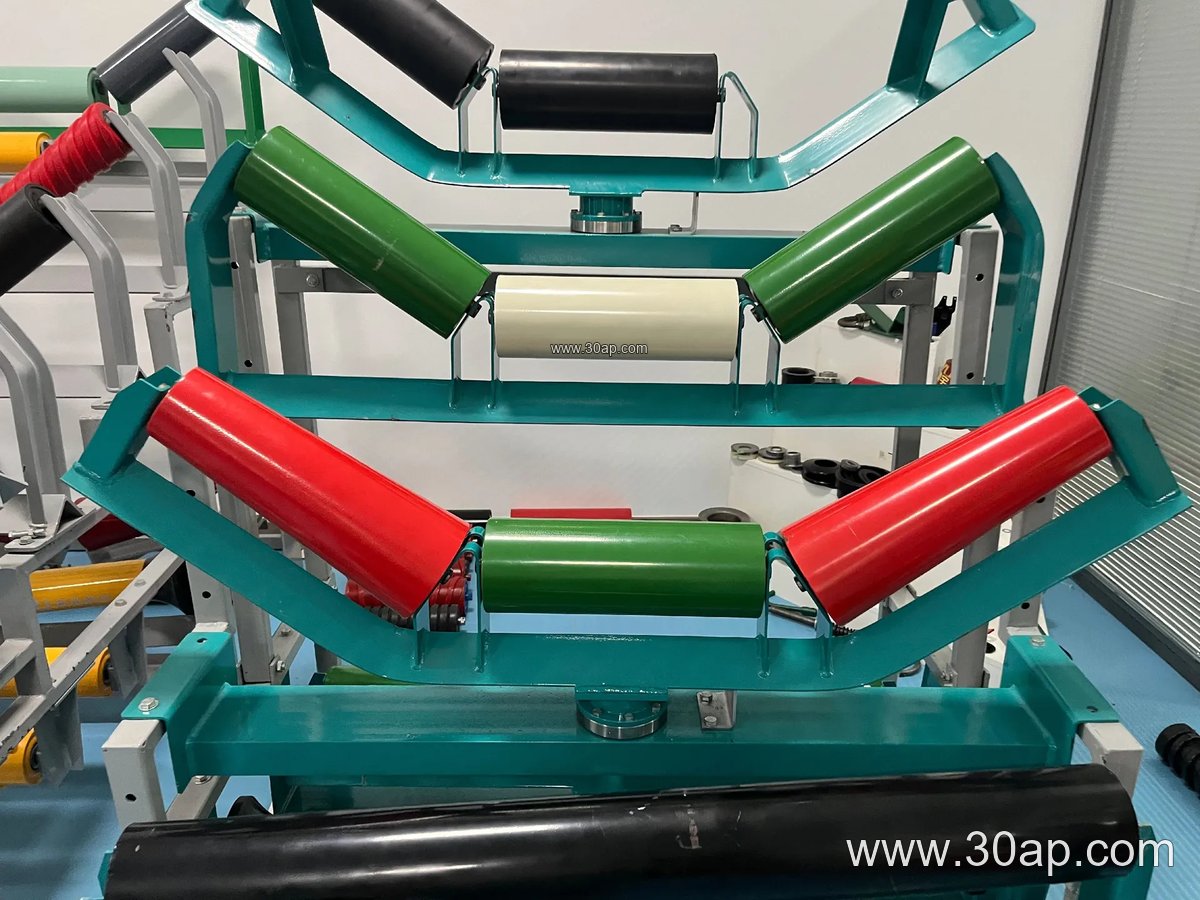
A three-roll trough idler is the standard carrying idler set on the load side of a belt conveyor. It uses three idler rollers arranged in a trough shape to support the conveyor belt and the material being transported. The two side rollers are inclined at a trough angle, while the center roller stays horizontal. This configuration helps keep bulk materials centered on the belt, reduces spillage, and supports the belt across its full width. In quarry and aggregate lines, a well-chosen three-roll trough idler set keeps crushed stone moving smoothly from the crusher to the screening deck. At www.example.com/tuogun, we often explain how these idler sets match different belt widths and trough angles.
Construction and Components
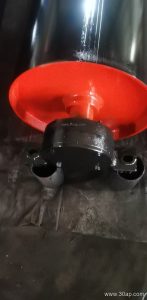
Each three-roll trough idler set consists of three idler rollers mounted on a common frame or bracket. The rollers are typically made of steel tube with bearing housings at each end. Common roller diameters include Ø89, Ø108, Ø127, and Ø159 mm, though the exact size depends on belt width and load. Bearings such as 6204, 6205, or 6305 are frequently used, but the bearing choice should be matched to the roller diameter and operating conditions, not fixed by belt width alone. The roller surface may be plain steel, nylon, or covered with rubber rings for impact absorption. The frame, often called a conveyor bracket, connects the three rollers and mounts to the conveyor stringer. Trough angles of 20, 30, 35, and 45 degrees are common; a 35-degree trough is widely used in bulk material handling.
Where It Fits on the Conveyor
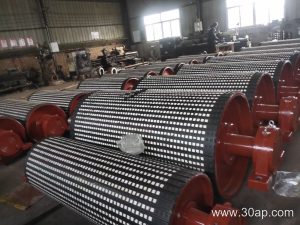
Three-roll trough idlers are installed along the carrying run of the conveyor, between the tail pulley and the head pulley. They are the most visible idler type on a typical conveyor. In a coal mining conveyor system, for example, three-roll trough idlers support the belt loaded with coal. The same idler type appears in cement plants, power plant coal handling, and port ship loading conveyors. While the drive pulley and tail pulley provide power and tension, the trough idlers handle the daily support of the belt and material. A conveyor pulley at the discharge end works with the trough idlers to keep the belt tracking correctly.
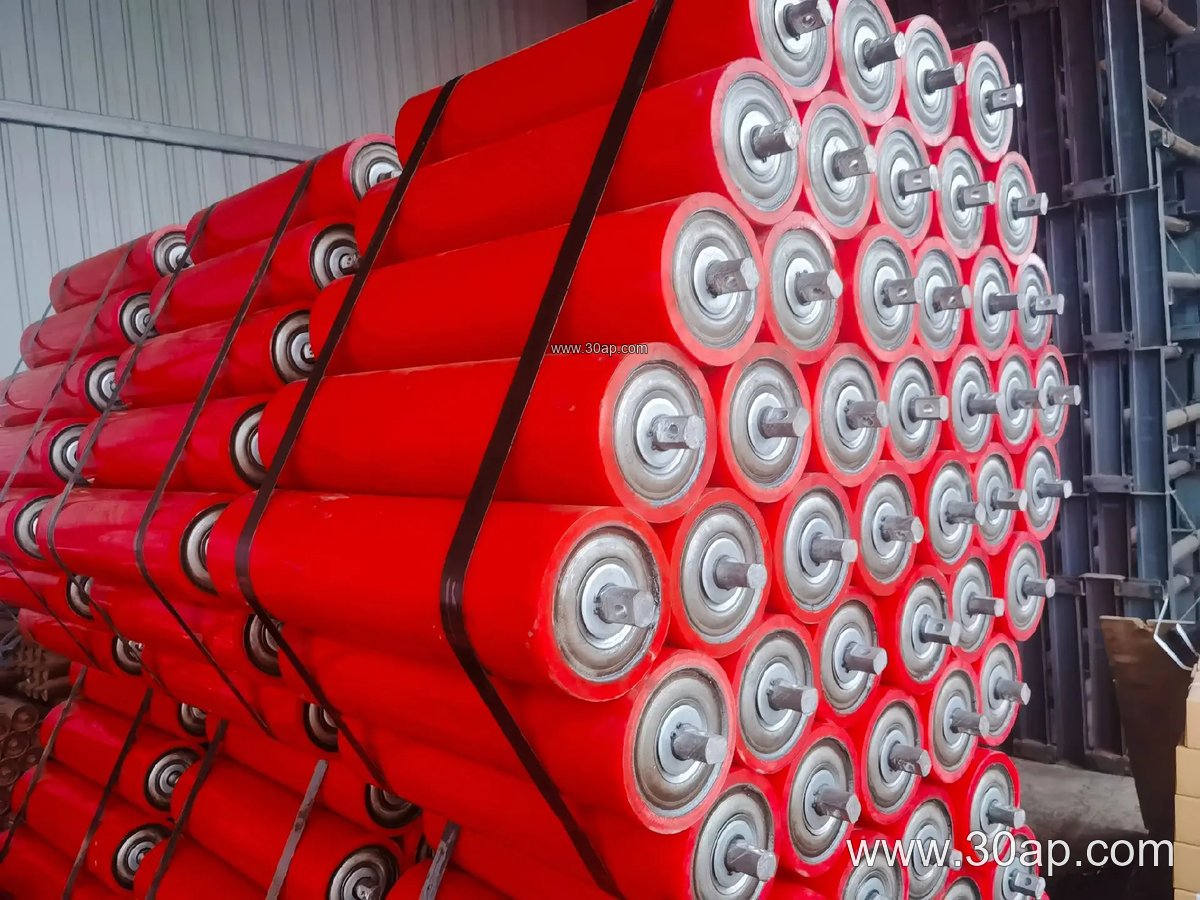
Common Sizes and Roller Lengths
Roller length varies with belt width, trough angle, and the specific idler set design. The table below shows typical center roller lengths for three-roll trough idlers; side rollers may differ. These values are for reference only and should be confirmed with the conveyor design.
| Belt Width | Typical Center Roller Length (mm) |
|---|---|
| B500 | 200 |
| B650 | 250 |
| B800 | 315 |
| B1000 | 380 |
| B1200 | 465 |
| B1400 | 530 |
| B1600 | 600 |
| B1800 | 670 |
| B2000 | 750 |
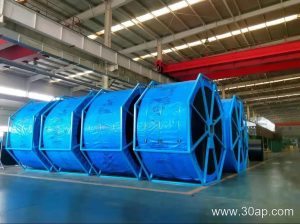
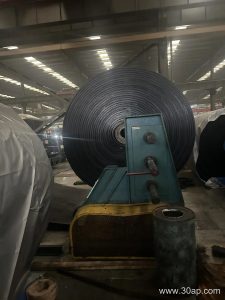
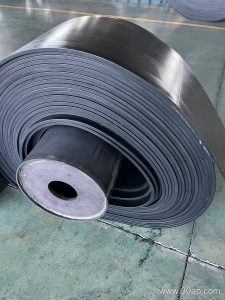
For a 1200mm wide conveyor belt, a three-roll trough idler with 465 mm center rollers is common, but the final choice depends on the trough angle and the conveyor frame. Wider belts such as 1800mm or 2000mm use longer rollers and heavier frames. The belt itself may be an EP conveyor belt, a steel cord conveyor belt, or a fabric core conveyor belt; the idler set must be selected to match the belt load and speed.
Selecting the Right Trough Idler
Buyers should consider belt width, material bulk density, lump size, and operating environment. In a limestone quarry, a three-roll trough idler with 35-degree trough angle and Ø127 mm rollers is a common starting point, but abrasive materials may call for thicker roller walls or rubber-covered rollers. In a coal mining application, flame retardant and anti-static properties of the conveyor belt are important, and the idler bearings should be sealed against dust. The idler roller should rotate freely and resist corrosion. For transition zones near the tail pulley, transition idlers with smaller trough angles may be used to avoid belt stress. Remember that the conveyor pulley, not the idler, drives the belt; idlers only support it.
Maintenance and Buyer Checks
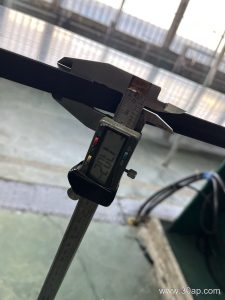
Regular inspection of three-roll trough idlers helps prevent belt damage and material spillage. Check for seized rollers, worn seals, and frame misalignment. A worn idler roller can increase belt wear and power consumption. When ordering, confirm the roller diameter, bearing type, trough angle, and roller length with the supplier. Ask for the bracket dimensions to ensure compatibility with your conveyor stringer. The idler set should be rated for the belt speed and load. For high-abrasion service, consider rollers with thicker tube walls or ceramic lagging. For more guidance on idler and belt selection, visit www.example.com/idler and www.example.com/belt.