What an EP300 Conveyor Belt Is
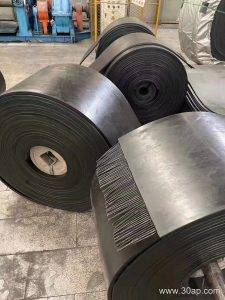
An EP300 Conveyor Belt is a fabric core conveyor belt built with polyester warp and polyamide weft cords, usually called EP fabric. The “300” refers to the nominal tensile strength of the carcass, commonly expressed in N/mm. In practice, an EP300 belt sits in the middle-upper range of the EP family, above EP200 and EP250, and below EP400, EP500 and heavier constructions. Buyers often describe the same product as an EP rubber conveyor belt, an EP fabric core belt or a polyester-nylon belt; these are equivalent names for the same carcass concept, not different products.
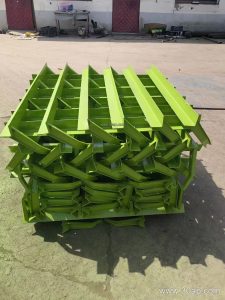
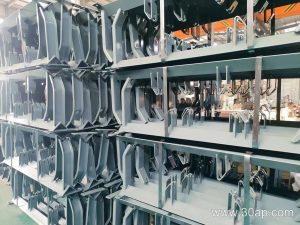
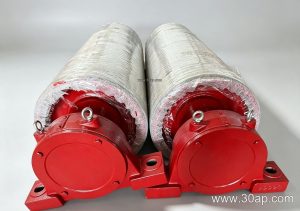
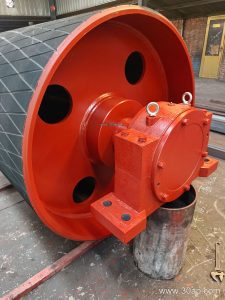
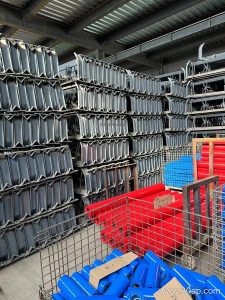
The carcass is the load-bearing part. Multiple plies of EP fabric are bonded together, then covered with rubber on the top and bottom. The cover protects the cords from abrasion, moisture, heat and impact, while the fabric plies carry tension and resist flexing fatigue around pulleys. The belt runs over a conveyor pulley at the head and tail, supported by idler rollers along the carrying side, with conveyor brackets holding the frame together.
Construction and Typical Specifications
EP300 belts are usually produced with 2 to 6 fabric plies, depending on the required strength and the manufacturer’s design. Cover rubber thickness is selected for the duty: a light-duty aggregate line may use 3+1.5 mm, while a primary crusher discharge or a heavy ore transfer point may call for 6+2 mm or 8+3 mm. The figures below are common reference values, not universal guarantees; final specifications are confirmed by the supplier and the conveyor design.
- Carcass: EP fabric, polyester warp and polyamide weft
- Nominal strength: EP300, with EP200, EP400, EP500 and EP630 as neighboring grades
- Plies: typically 2 to 6, according to design
- Cover grades: abrasion resistant, heat resistant, oil resistant, flame retardant, anti-static, cold resistant
- Common widths: B500, B650, B800, B1000, B1200, B1400, B1600
- Cover thickness examples: 3+1.5 mm, 4+2 mm, 5+2 mm, 6+2 mm, 8+3 mm
Width and strength are independent choices. A 1000 mm wide belt can be supplied at EP300, and an EP300 carcass can be built in several widths; the pulley diameter is matched to the belt construction and the application, not to the width alone.
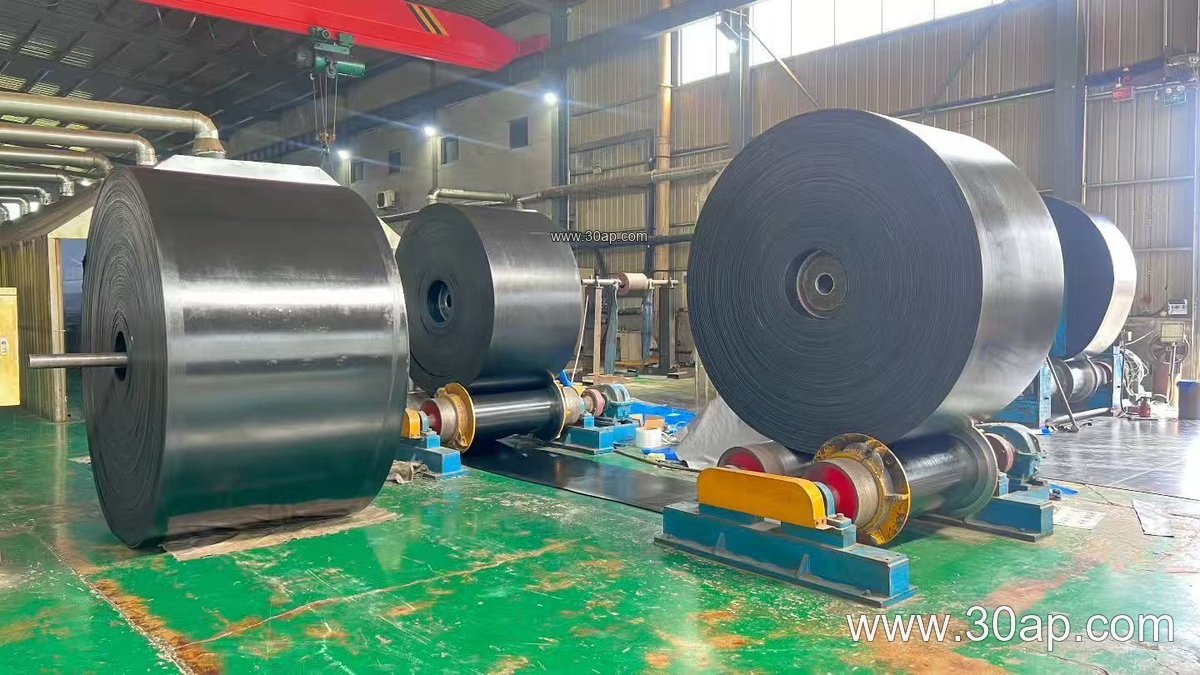
Where EP300 Belts Are Used
The EP300 grade suits medium to heavy conveying duty where a steel cord belt is not necessary and a lighter fabric belt would wear too quickly. Typical industries include mining, coal mining, cement plants, power plants, quarries, sand and gravel plants, and port bulk terminals. In a stone crushing line, an EP300 belt may run from the secondary crusher to the screening tower. In a cement plant, it can move clinker, limestone or raw meal on inclined galleries. In a coal preparation plant, a flame retardant and anti-static version is often specified for underground or enclosed routes.
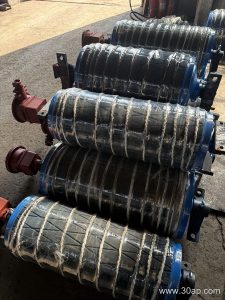
Related equipment matters. A conveyor pulley with the correct diameter and lagging supports the belt at the drive and tail positions, while idler rollers keep the belt tracking and reduce sag between supports. In dusty or wet conditions, self-cleaning pulley designs and sealed idler bearings help extend belt life. For steep inclines, a chevron conveyor belt or a corrugated sidewall belt may be compared with a smooth EP300 belt, but those are separate product types and should not be treated as substitutes.
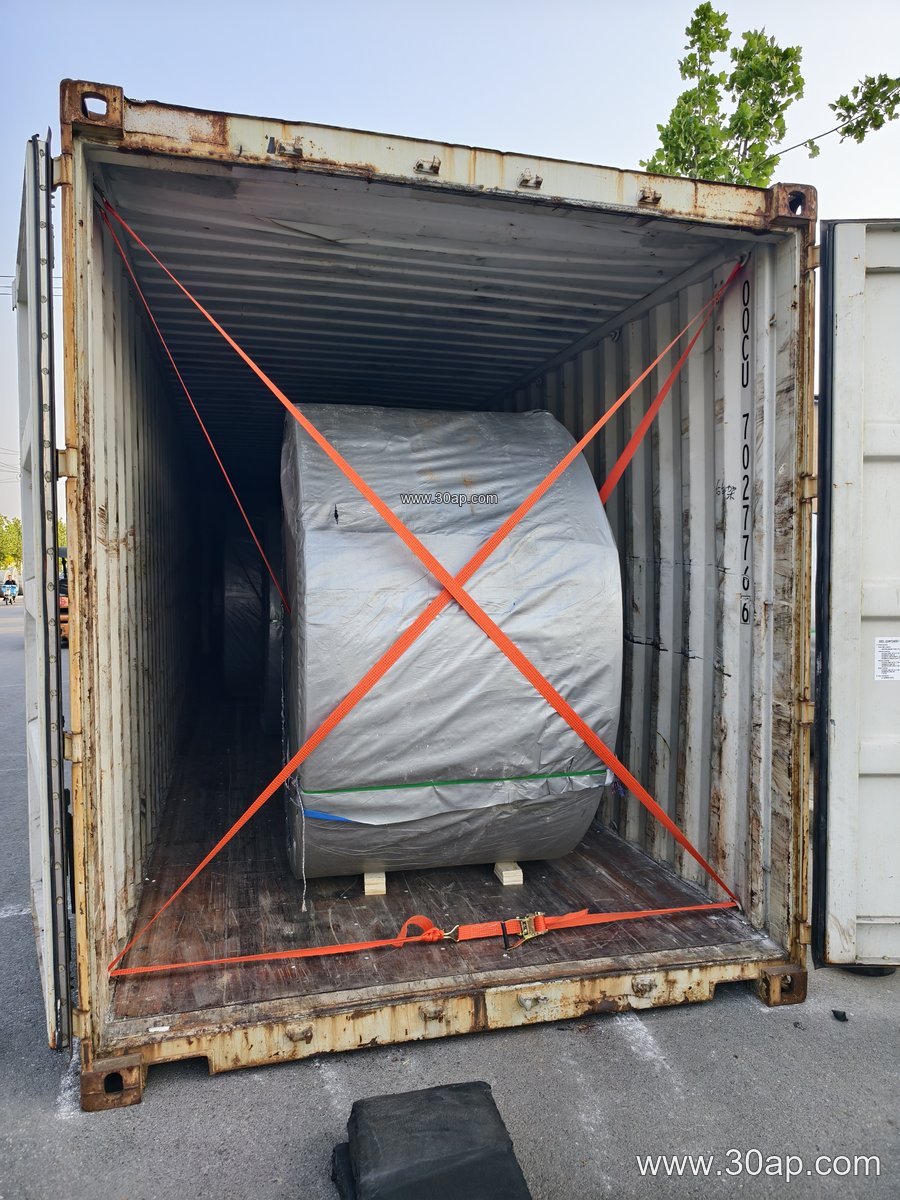
Selection Points for Buyers
Start with the material being conveyed: lump size, density, moisture, temperature and chemical exposure. Then confirm the required tensile strength, belt width and cover grade. An abrasion resistant cover is common for ore, rock and aggregate; a heat resistant cover is needed near kilns, dryers or hot clinker; an oil resistant cover suits recycled material or oily scrap. For underground coal mining, flame retardant and anti-static properties are usually mandatory.
Check the pulley diameters, transition distances and take-up travel with the belt supplier. A belt that is too stiff for a small pulley may crack; a belt that is too light for the load will stretch and fail at the splice. Splice type, edge condition and cover thickness should be agreed before ordering. For long overland routes, a high strength conveyor belt such as steel cord or a higher EP grade may be more economical, but for many plant conveyors EP300 offers a practical balance of strength, flexibility and cost.
Care and Service Life
Inspect the belt regularly at the loading point, the splice and the pulley contact zones. Material build-up on idler rollers causes mistracking and edge damage, so cleaning schedules matter as much as belt quality. Keep the conveyor pulley lagging in good condition to maintain friction without excessive slip. Store spare belts indoors, away from sunlight and ozone sources, and follow the manufacturer’s recommendations for splicing and tensioning.
For more information on EP conveyor belts, fabric core belts and matching conveyor components, visit www.bulkconveyorbelt.com and review the technical data before specifying a belt for your mine, quarry, cement plant or power station.