What Is an Automatic Belt Tracking Idler
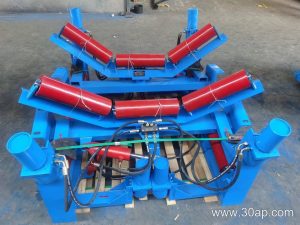
An automatic belt tracking idler is a self-aligning roller assembly that keeps a conveyor belt centered on its path. Unlike a standard carrying idler, it pivots slightly when the belt drifts, using the belt’s own movement to steer it back. This reactive correction reduces edge damage and spillage without constant manual adjustment. In a quarry or a coal-fired power plant, where belts run long hours under heavy loads, this automatic tracking idler helps maintain steady material flow.
The product is also called a self-aligning idler or self-tracking roller. It is not a drive pulley, tail pulley, or bend pulley—those are different components with distinct roles. The automatic belt tracking idler is a idler roller that works on the carrying or return side to correct misalignment.
How It Works and How It Is Built
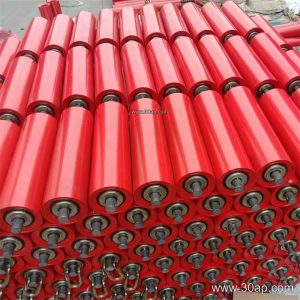
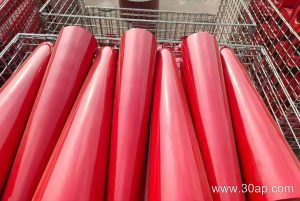
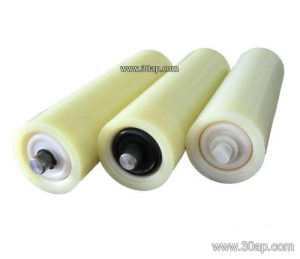
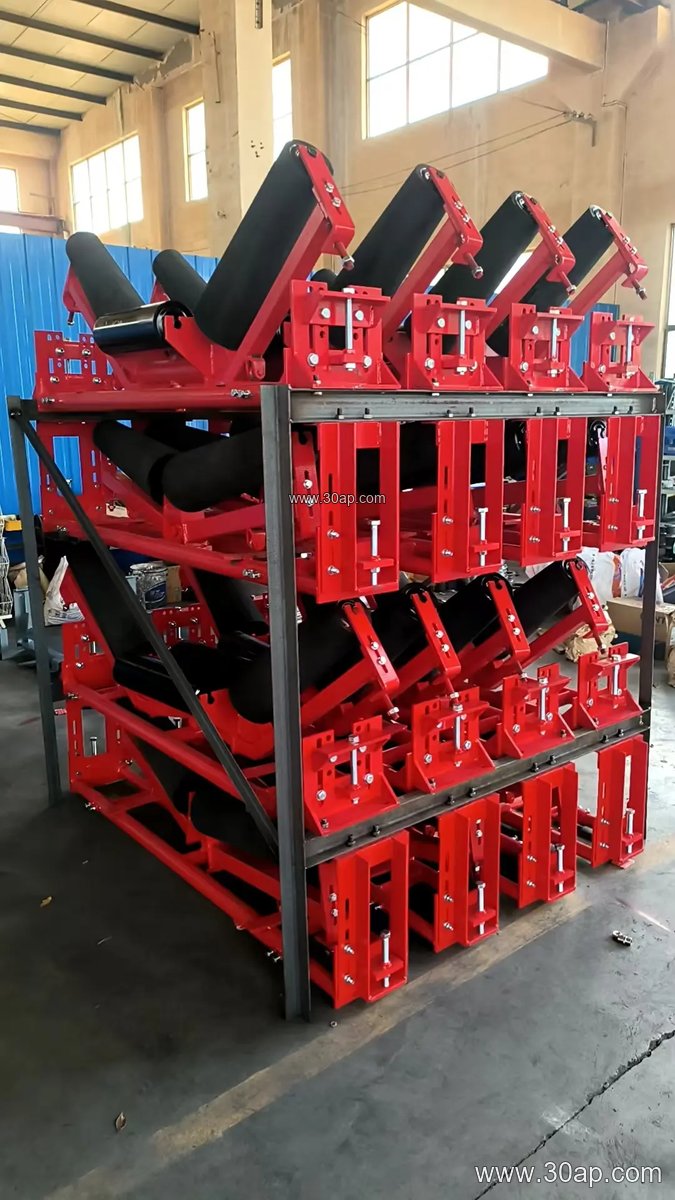
The core mechanism relies on a pivot base and angled rollers. When the belt shifts sideways, it contacts the idler at an angle, creating a force that rotates the idler frame. This rotation nudges the belt back toward the center. Common designs include friction tracking idlers, conical tracking idlers, and forward-leaning idlers with a tilt of about 1.5 to 2 degrees. The roller surface may be steel, nylon, ceramic, or rubber rings, depending on the duty.
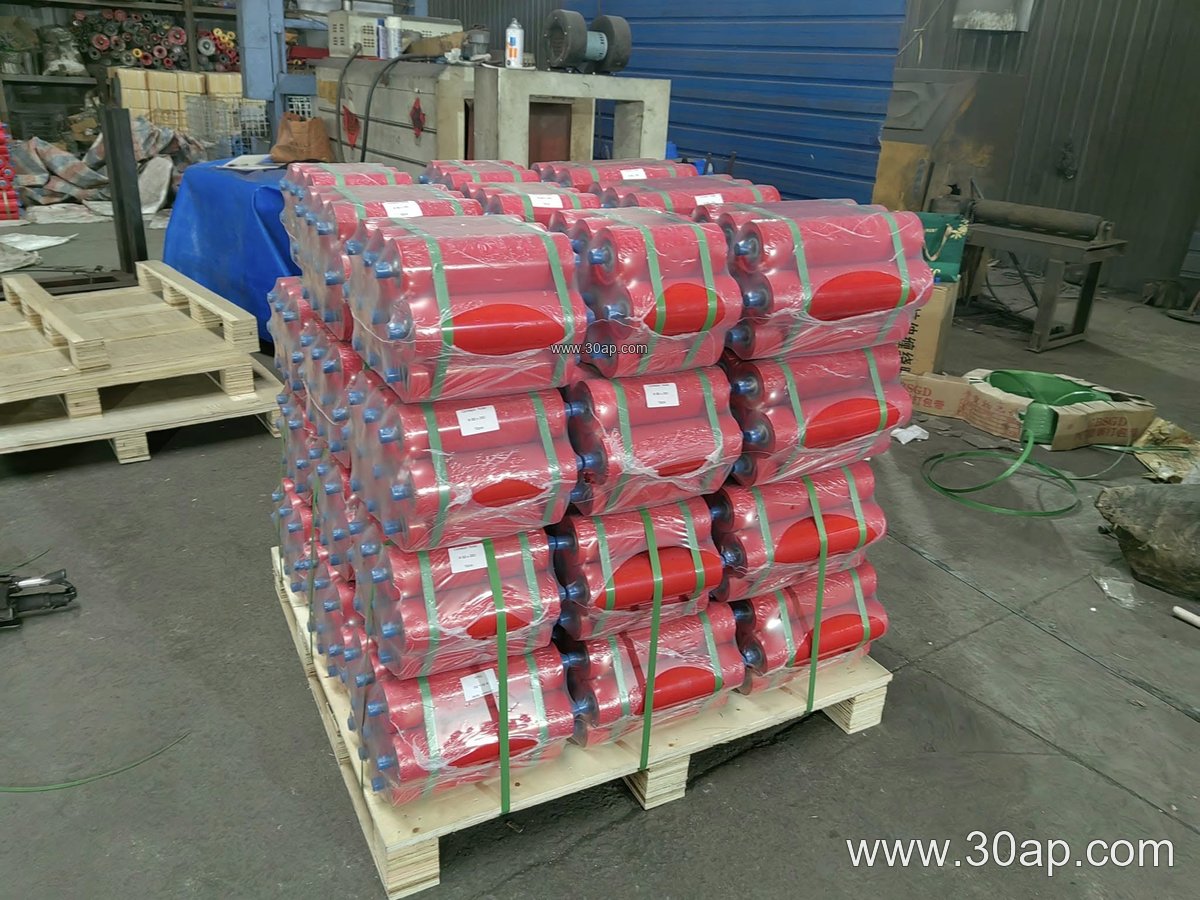
Bearings such as 6204, 6205, 6305, 6306, 6308, or 6310 are often used, but the bearing choice depends on load and speed, not on a fixed rule with roller diameter. Roller diameters commonly range from Ø63 to Ø219 mm. The idler length varies with belt width, trough angle, and idler arrangement. For example, a three-roll troughing set might use a roll length of about 200 mm for B500, 315 mm for B800, or 465 mm for B1200—these are typical examples, not mandatory matches. The automatic belt tracking idler is usually mounted on a conveyor bracket that allows the pivoting action.
Where It Fits in Bulk Handling
In a limestone quarry or a cement plant, belt misalignment often comes from off-center loading or material build-up. An automatic belt tracking idler placed after the load point can correct the belt before it rubs the frame. In a coal mining conveyor system, especially underground, space is tight and access is limited, so self-tracking idlers reduce maintenance trips. Power plant coal handling and port ship loading conveyors also benefit when belts carry abrasive bulk material.
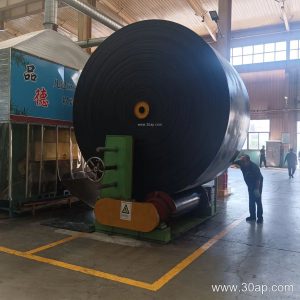
This idler works with various conveyor belts, including EP conveyor belt, NN conveyor belt, and steel cord conveyor belt. For high-abrasion conditions, an abrasion resistant conveyor belt may be paired with a rubber-ring tracking idler. In food or chemical plants, a food grade or oil resistant conveyor belt might run on a nylon or ceramic tracking roller. The automatic belt tracking idler does not replace a conveyor pulley; it complements the pulley system by keeping the belt aligned between the drive and tail pulleys.
Key Parameters and Selection Notes
Buyers should consider belt width, trough angle, roller diameter, bearing size, and mounting arrangement. Standard trough angles include 20, 30, 35, and 45 degrees. The table below shows common reference values—use them as a starting point, not as fixed supply promises.
| Parameter | Common Range / Example |
|---|---|
| Roller diameter | Ø63, Ø76, Ø89, Ø102, Ø108, Ø127, Ø133, Ø159, Ø178, Ø194, Ø219 mm |
| Belt width | B400, B500, B650, B800, B1000, B1200, B1400, B1600, B1800, B2000, B2200, B2400 |
| Trough angle | 20°, 30°, 35°, 45° |
| Forward lean | approx. 1.5° to 2° (for tracking action) |
| Bearing | 6204, 6205, 6305, 6306, 6308, 6310 |
| Roll surface | steel tube, nylon, ceramic, rubber rings |
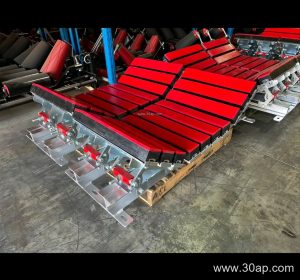
Roll length is not fixed by belt width alone. A three-roll troughing set might use about 250 mm rolls for B650 or 380 mm for B1000, but side rolls and center rolls can differ. Always confirm the idler group type—single-roll, two-roll, or three-roll troughing—and the mounting bracket dimensions. The automatic belt tracking idler should be selected with the conveyor bracket and frame in mind, so the pivot movement is not restricted.
Buyer Checklist and Maintenance
- Verify belt width and trough angle before choosing the idler group.
- Check that the roller diameter and bearing size suit the load and speed.
- Confirm the pivot mechanism is free to move and the bracket allows self-alignment.
- Match the roller surface to the material: rubber rings for impact, ceramic for abrasion, nylon for light duty.
- Inspect seals and bearings regularly, especially in dusty quarry or coal plant environments.
An automatic belt tracking idler is a practical upgrade for conveyors that suffer from belt drift. It works alongside the conveyor belt, idler roller, conveyor pulley, and conveyor bracket to keep the system running straight. For more information on compatible belts and rollers, visit our site for conveyor belt and idler roller solutions.