What a Friction-Type Self-Aligning Idler Does
A friction-type self-aligning idler is a carrying or return roller assembly that uses the friction between the moving conveyor belt and the roller surface to correct belt drift. When the belt wanders toward one side, the resulting friction difference turns the idler frame slightly around its vertical pivot. That small rotation steers the belt back toward the center line. Unlike a fixed troughing set, this idler responds continuously, which helps keep a loaded belt running straight on long conveyors in a quarry, a cement plant, or a power plant coal yard.
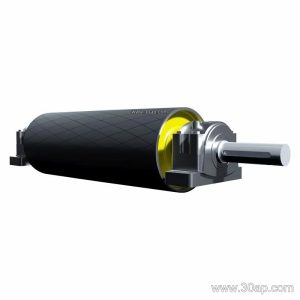
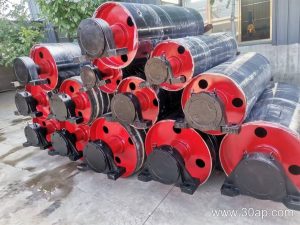
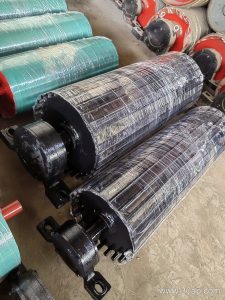
The same product is also described as a friction self-aligning roller or friction centering idler. These names refer to one device, and they should not be confused with a drive pulley, a tail pulley, or a bend pulley, which have different duties in the conveyor layout.
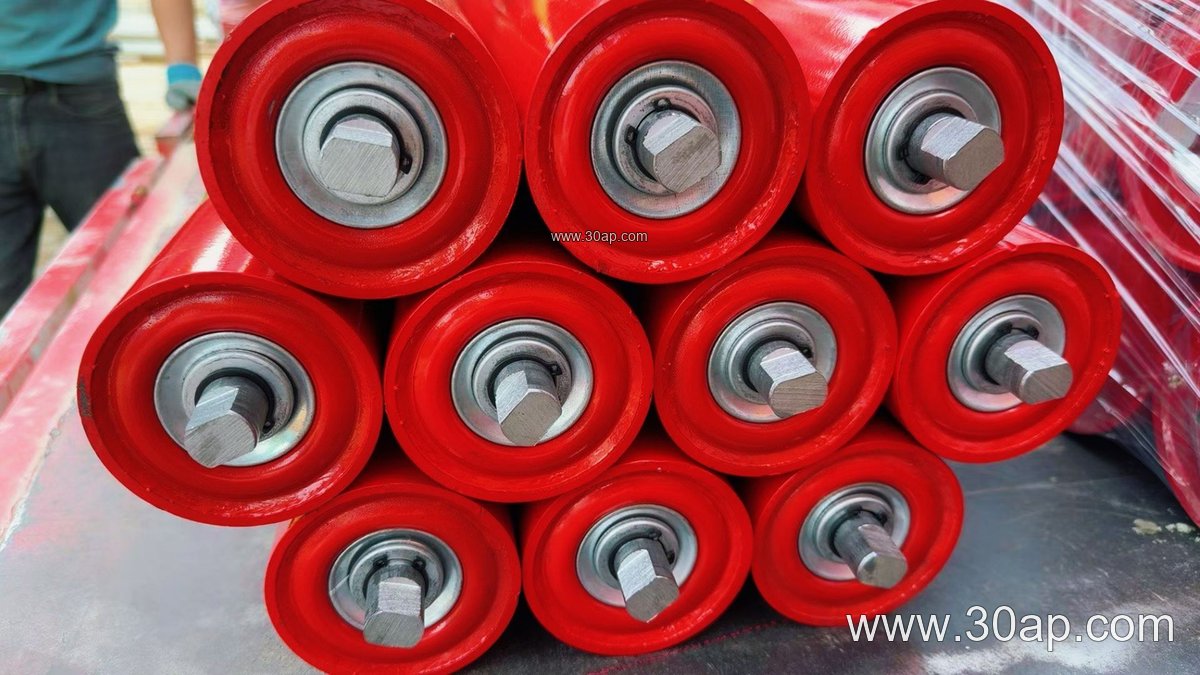
How the Assembly Is Built
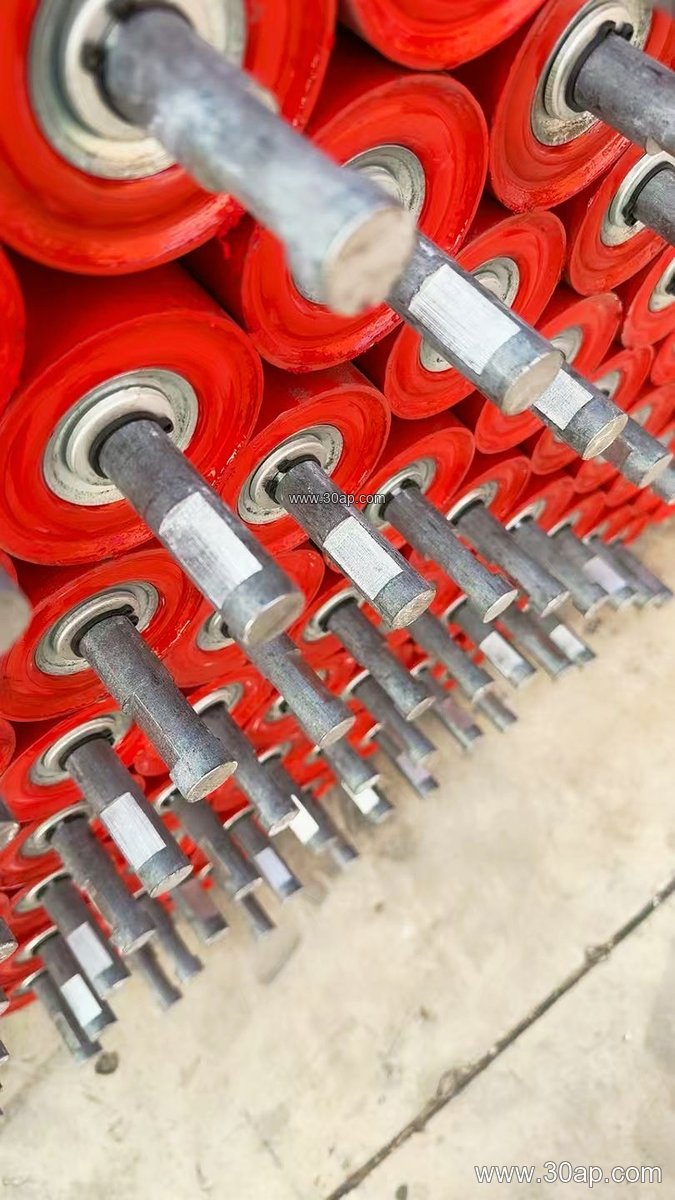
The unit usually combines a set of rollers, a pivoting bracket, and a base that bolts to the conveyor frame. A vertical shaft allows the roller frame to swing, while a friction ring or friction disc provides controlled resistance so the frame reacts to belt contact rather than swinging freely. Rollers are commonly made with a steel tube shell, and the surface may be plain steel, nylon, or rubber-covered depending on grip and wear requirements. Sealed bearings protect the internals from dust and grit.
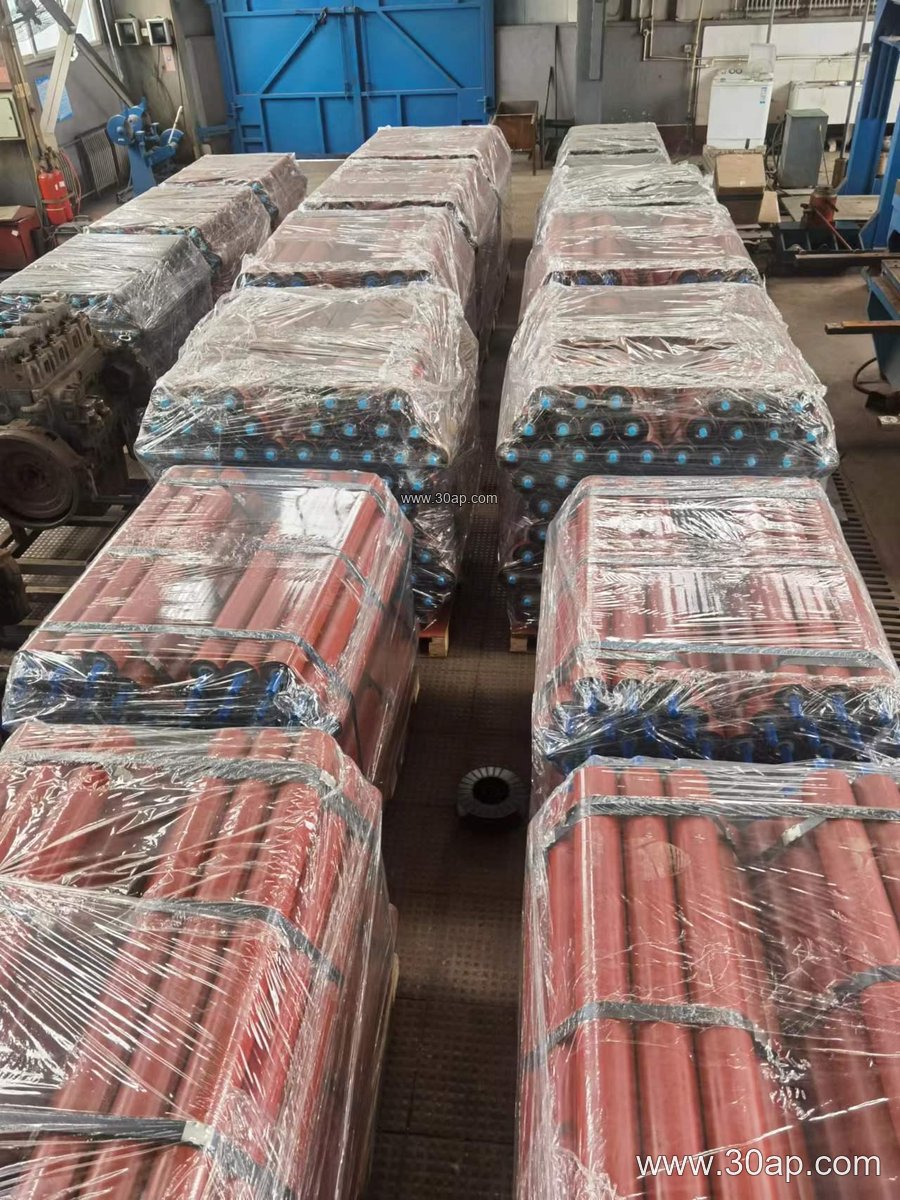
Typical roller diameters for this family include Ø89, Ø108, Ø127, Ø133, and Ø159 mm, with larger sizes such as Ø178 or Ø194 mm used on heavy-duty installations. Bearing selections often include 6205, 6305, 6306, or 6308, but the bearing must be matched to the actual load and shaft design rather than to roller diameter alone.
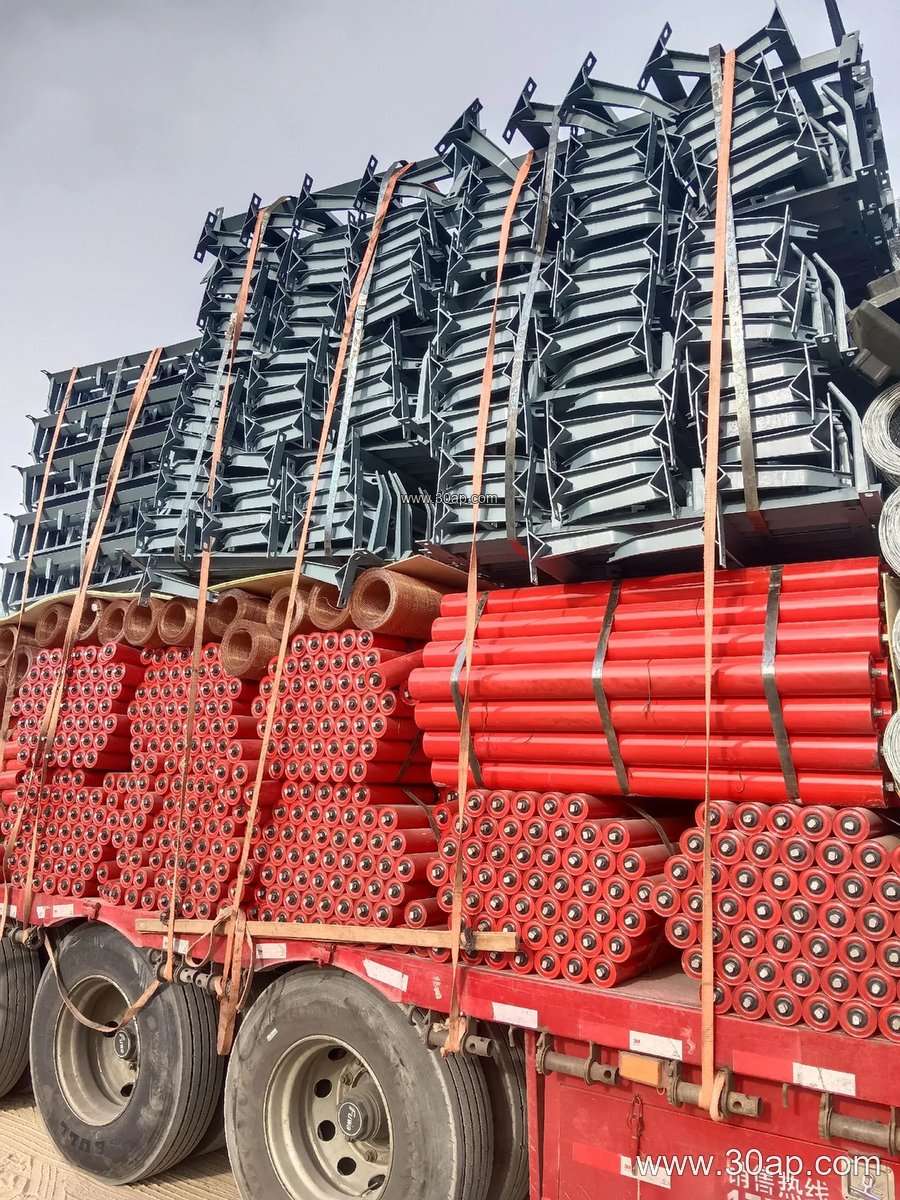
Where It Fits on the Conveyor
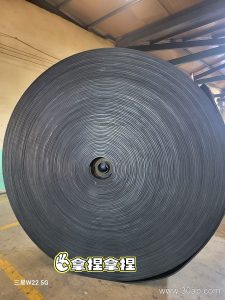
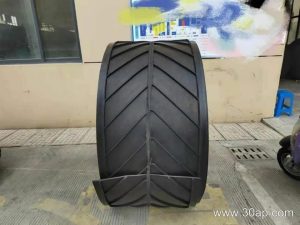
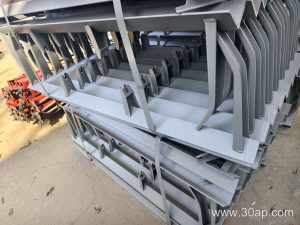
Friction self-aligning idlers are commonly placed on the carrying side at intervals along a long run, and on the return side where belt wander is a risk. They suit bulk material handling in limestone mines, iron ore plants, sand and aggregate lines, coal washing plants, and port ship loading systems. On a conveyor carrying abrasive ore, the idler works together with an abrasion resistant conveyor belt and a sturdy conveyor bracket to keep the belt centered under load.
They are also useful after a crusher discharge or at a transfer point where the belt is disturbed. In these positions, a heavy-duty mining conveyor belt may need extra tracking support, and the friction idler provides a gentle correcting force without sharp edge contact.
Common Sizes and Configuration Notes
Roller length depends on belt width, trough angle, and the number of rollers in the set. The table below gives common examples for reference only; side rollers and center rollers can differ, and final dimensions should follow the conveyor design.
| Belt width | Typical roller length (three-roll trough) | Common trough angle |
|---|---|---|
| B500 | about 200 mm | 20°, 30°, 35° |
| B650 | about 250 mm | 20°, 30°, 35° |
| B800 | about 315 mm | 30°, 35°, 45° |
| B1000 | about 380 mm | 30°, 35°, 45° |
| B1200 | about 465 mm | 30°, 35°, 45° |
| B1400 | about 530 mm | 35°, 45° |
| B1600 | about 600 mm | 35°, 45° |
| B1800 | about 670 mm | 35°, 45° |
| B2000 | about 750 mm | 35°, 45° |
For comparison, a conical self-aligning idler uses tapered rollers to create a similar centering effect, while a plain troughing idler does not pivot and relies on accurate frame alignment. A friction-type unit is often preferred where gradual correction is enough and where the belt surface offers consistent grip.
Buyer Checklist
- Confirm belt width, trough angle, and whether the idler is for the carrying or return side.
- Check roller diameter, shaft size, and bearing type against the actual load, not against belt width alone.
- Match the roller surface to the belt: rubber-covered rollers may help grip on a smooth EP conveyor belt, while steel or nylon may suit other conditions.
- Verify the pivot and friction mechanism can be serviced without removing the whole frame.
- Consider the environment: dust, moisture, and temperature affect bearing life and friction behavior.
- Ask for dimensional drawings so the idler fits the existing conveyor bracket and frame spacing.
On a coal mining conveyor belt or a steel cord conveyor belt installation, tracking performance also depends on pulley alignment, belt splice quality, and loading conditions. The friction self-aligning idler supports good tracking, but it does not replace proper installation and maintenance of the whole conveyor.