What a Coal Conveyor Belt Does
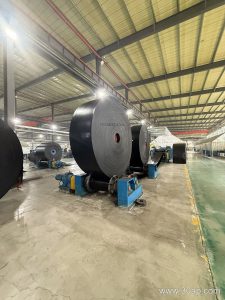
A coal conveyor belt is the continuous load-bearing surface in a bulk handling system. It carries coal from a stockpile, crusher, or underground face to screening, washing, or boiler feed points. In a coal mining conveyor belt, the belt must cope with sharp lumps, abrasive dust, and often wet or oily conditions. The same product family appears in power plants, cement works, and port terminals where coal is transferred between stages.
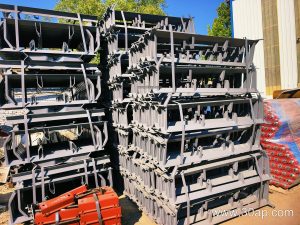
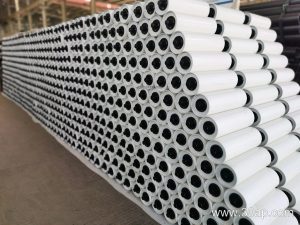
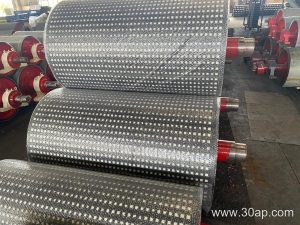
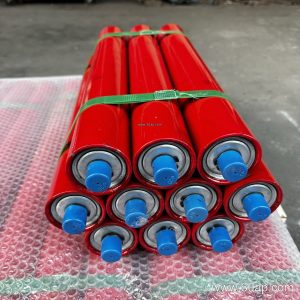
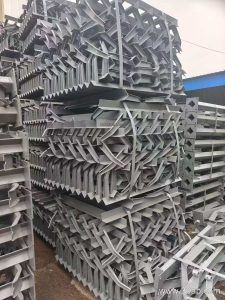
The belt is not a standalone item. It runs over a conveyor pulley at the head and tail, supported by idler rollers, and held in line by conveyor brackets and frames. A well-matched belt, pulley, and idler set reduces spillage and keeps the system running smoothly.
Construction and Common Types
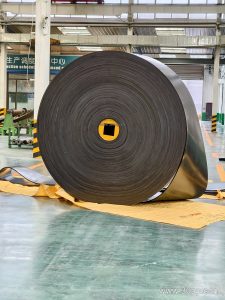
Most coal belts use a fabric core or steel cord carcass covered with rubber. The carcass provides tensile strength, while the cover rubber protects against wear, impact, and moisture. Common constructions include:
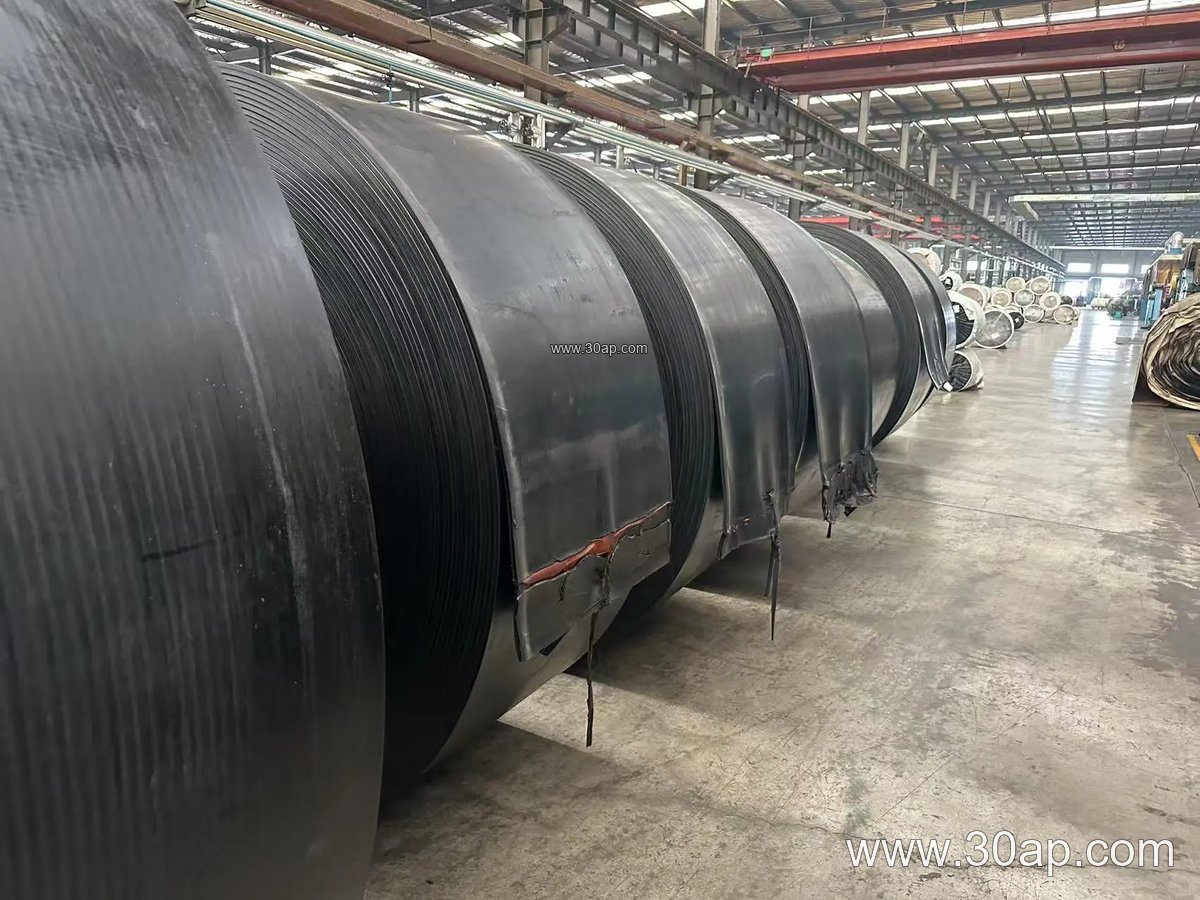
- EP conveyor belt – polyester/polyamide fabric core, widely used for general coal haulage.
- NN conveyor belt – nylon/nylon fabric core, offering good fatigue resistance.
- Steel cord conveyor belt – high strength for long distances and heavy loads.
- Flame retardant conveyor belt – often specified for underground coal mining conveyor belts and enclosed transfer points.
- Anti-static conveyor belt – helps dissipate static in dry, dusty coal handling.
- Abrasion resistant conveyor belt – suited to sharp coal and rock at crusher discharge.
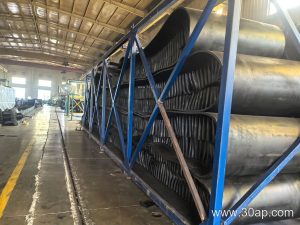
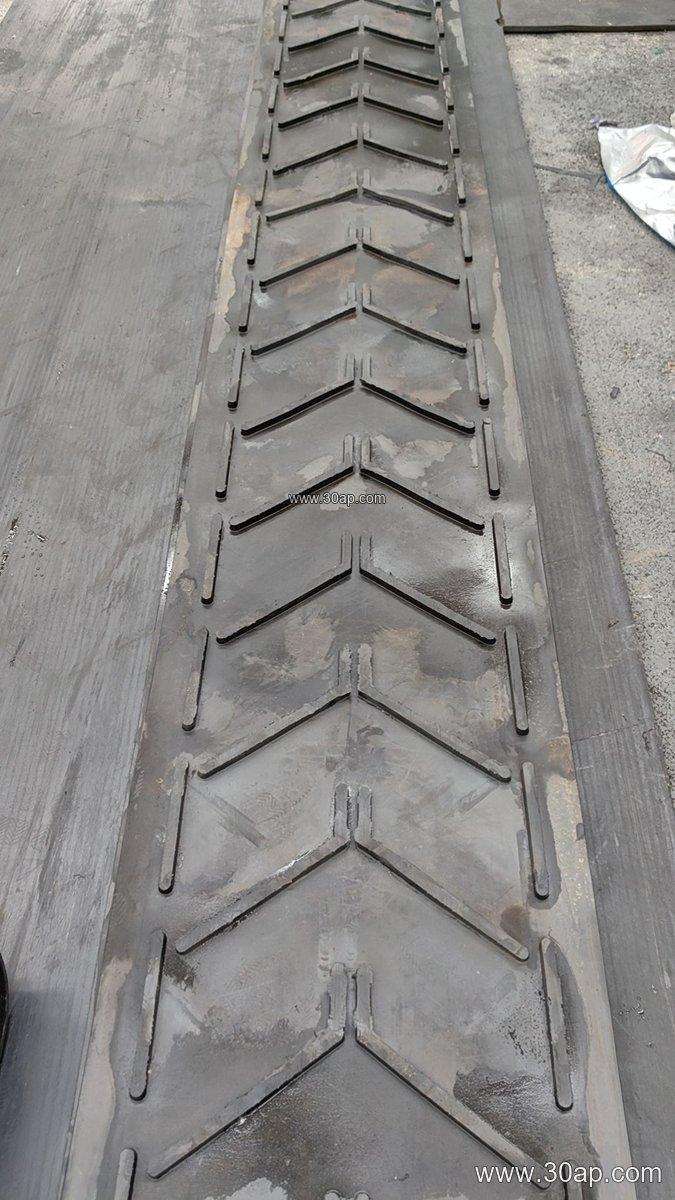
Cover rubber grades may also include oil resistant or heat resistant versions where coal or ambient conditions demand it. Chevron and corrugated sidewall belts are used on inclined sections to prevent material rollback, but they are not a direct substitute for a flat coal conveyor belt on horizontal runs.
Typical Specifications
Belt width and strength are selected together with the conveyor design. The table below shows common reference values; final choice depends on tonnage, lump size, incline, and pulley diameters.
| Parameter | Common reference values |
|---|---|
| Belt width | B500, B650, B800, B1000, B1200, B1400, B1600, B1800, B2000 |
| Fabric strength (EP) | EP200, EP315, EP400, EP500, EP630, EP800, EP1000, EP1250, EP1600, EP2000 |
| Steel cord strength (ST) | ST1000, ST1250, ST1600, ST2000, ST2500, ST3150 |
| Cover thickness | 3+1.5 mm, 4+2 mm, 5+2 mm, 6+2 mm, 8+3 mm |
| Fabric plies | 2 to 6 plies, depending on strength class |
These are reference ranges, not fixed pairings. A 1000mm wide belt may be built with different carcass strengths, and pulley diameters are chosen from shaft load and belt fatigue requirements, not from width alone.
Where It Fits in the Plant
In a coal mining conveyor belt system, the belt often works underground or in a preparation plant. Flame retardant and anti-static properties are frequently requested for underground mining conveyor belts. At a power plant, a coal conveyor belt feeds bunkers and boilers, where dust control and wear life matter. In a cement plant or quarry, the same belt type may handle coal for kilns alongside limestone and aggregate. Port and ship loading conveyors use wide belts to move large tonnages quickly.
Supporting components such as idler rollers, conveyor pulleys, and conveyor brackets should be inspected together with the belt. A worn pulley lagging or seized idler can damage even a high abrasion resistant conveyor belt.
Buyer Checklist
- Confirm the coal characteristics: lump size, moisture, oil content, and temperature.
- Match belt strength class to the conveyor’s calculated tension, not to a rule of thumb.
- Select cover thickness and grade for impact and abrasion at loading points.
- Check flame retardant and anti-static requirements for underground or enclosed service.
- Review pulley diameters and idler spacing with the belt supplier to avoid excessive flexing.
- Plan splicing: endless conveyor belt splices are common for long runs, while mechanical fasteners suit some short or portable lines.
For more information on coal conveyor belt options, flame retardant grades, and matching conveyor pulleys, contact our team at coal conveyor belt or browse conveyor pulley and idler roller pages.