What a Three-Roll Idler Set Does
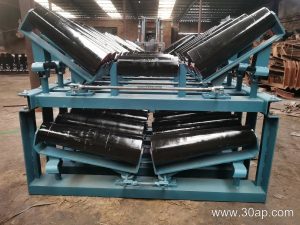
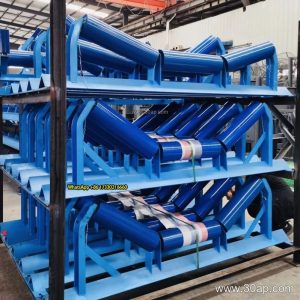
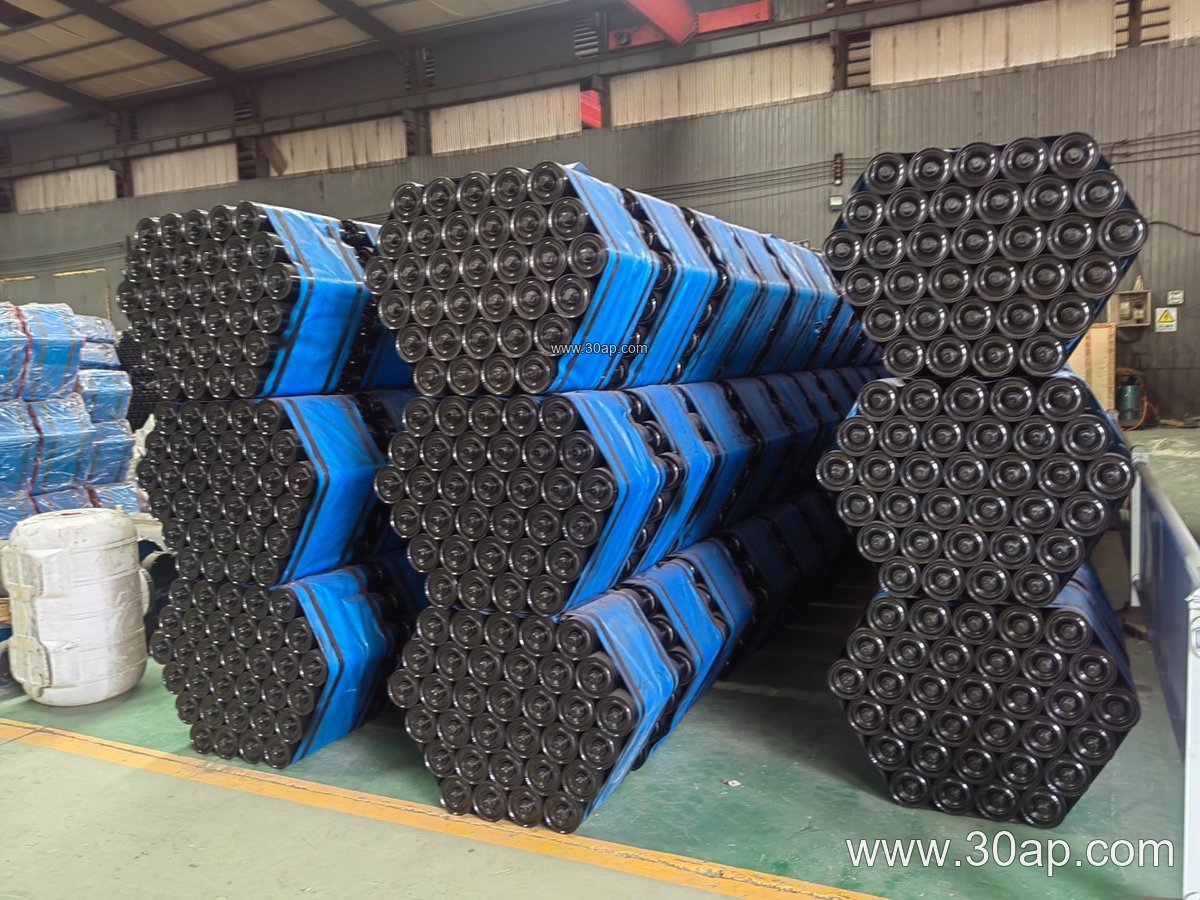
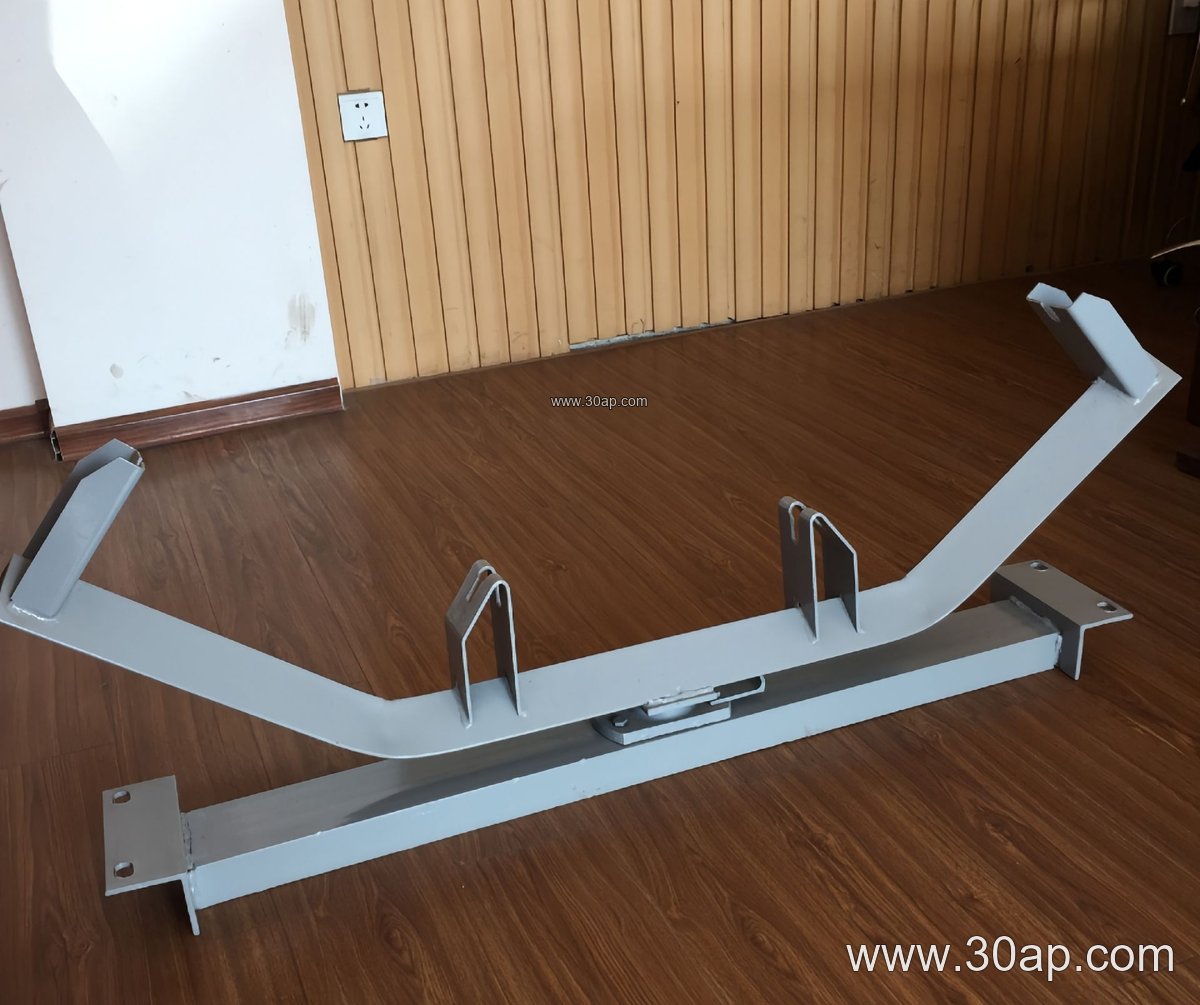
A three-roll idler set is the assembly that supports the conveyor belt on the carrying side of a conveyor. It consists of three idler rollers mounted in a frame, usually with the two side rollers angled upward to form a trough. This three-roll troughing arrangement is common in bulk material handling because it keeps the belt in a stable U-shape and helps center the load. The set works together with the conveyor bracket and frame to maintain belt alignment and reduce spillage. While the three-roll idler set handles the carrying run, other components such as the conveyor pulley drive the belt and the tail pulley redirect it. Each has a distinct role and cannot be swapped.
Construction and Common Variations
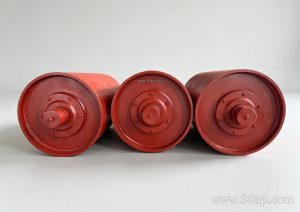
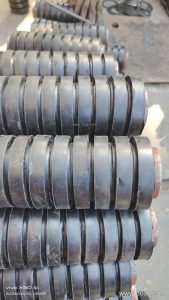
The typical three-roll idler set includes a steel frame, three idler rollers, and bearing housings. Rollers may have steel, nylon, ceramic, or rubber surfaces depending on the application. Bearing sizes such as 6204, 6205, 6305, 6306, 6308, or 6310 are selected to match the load and speed. Trough angles of 20, 30, 35, or 45 degrees are available, and some designs include a slight forward tilt of about 1.5 to 2 degrees for belt training. Roller length varies with belt width and trough angle; for example, a three-roll troughing set for B800 may use rollers around 315 mm long, while B1200 may use about 465 mm. These are common references, not fixed rules. The set is often used with a rubber conveyor belt or an EP conveyor belt in mining and quarry operations.
Where Three-Roll Idler Sets Are Used
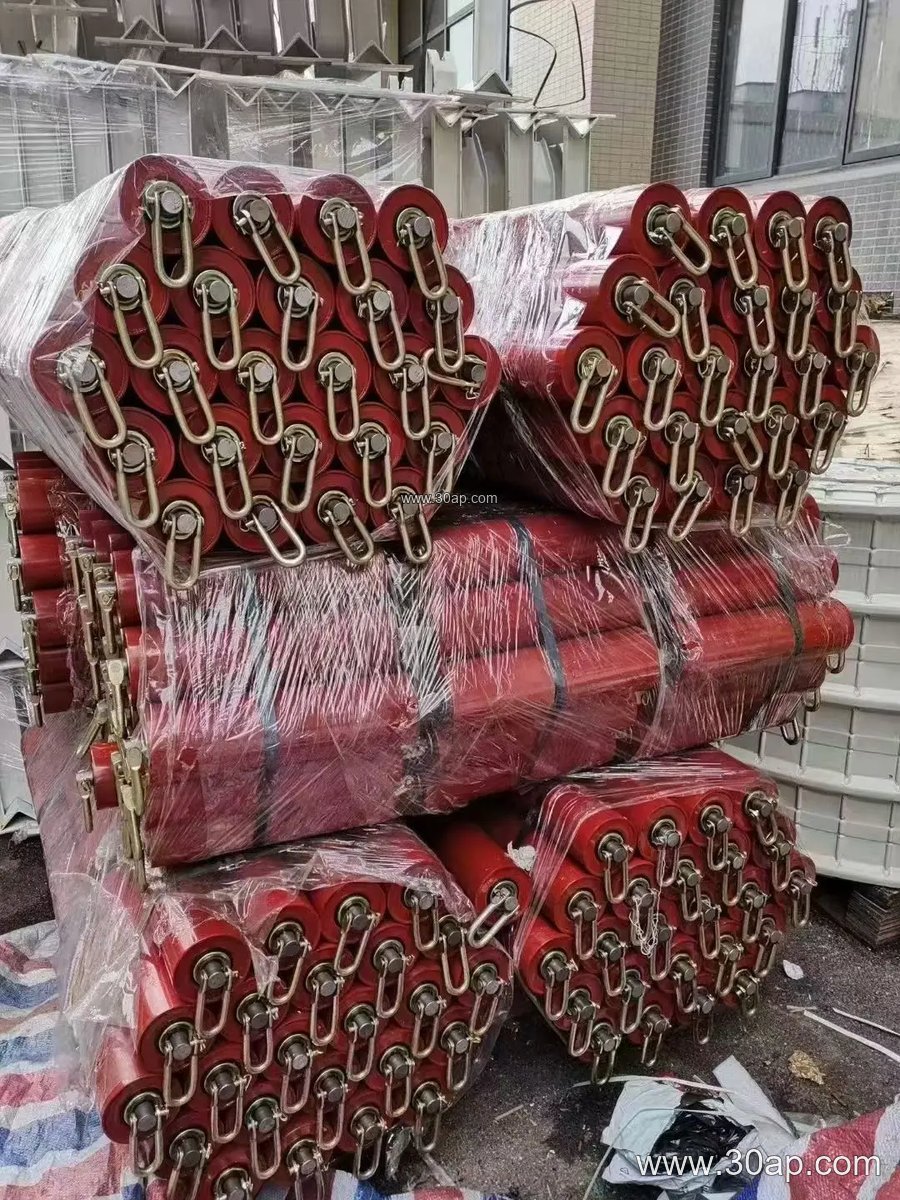
These sets are widely found in coal washing plants, cement plants, and power plant coal handling systems. In a limestone quarry, a three-roll idler set supports the conveyor belt along the carrying run, while a heavy-duty mining conveyor belt carries the crushed rock. The set also appears in aggregate conveyor lines and iron ore handling. In each case, the idler set must match the belt width, load, and environment. For dusty or wet conditions, sealed bearings and corrosion-resistant roller surfaces are preferred. The three-roll idler set is not a substitute for a bend pulley or a drive pulley; those are separate components in the conveyor system.
Specification and Selection Notes
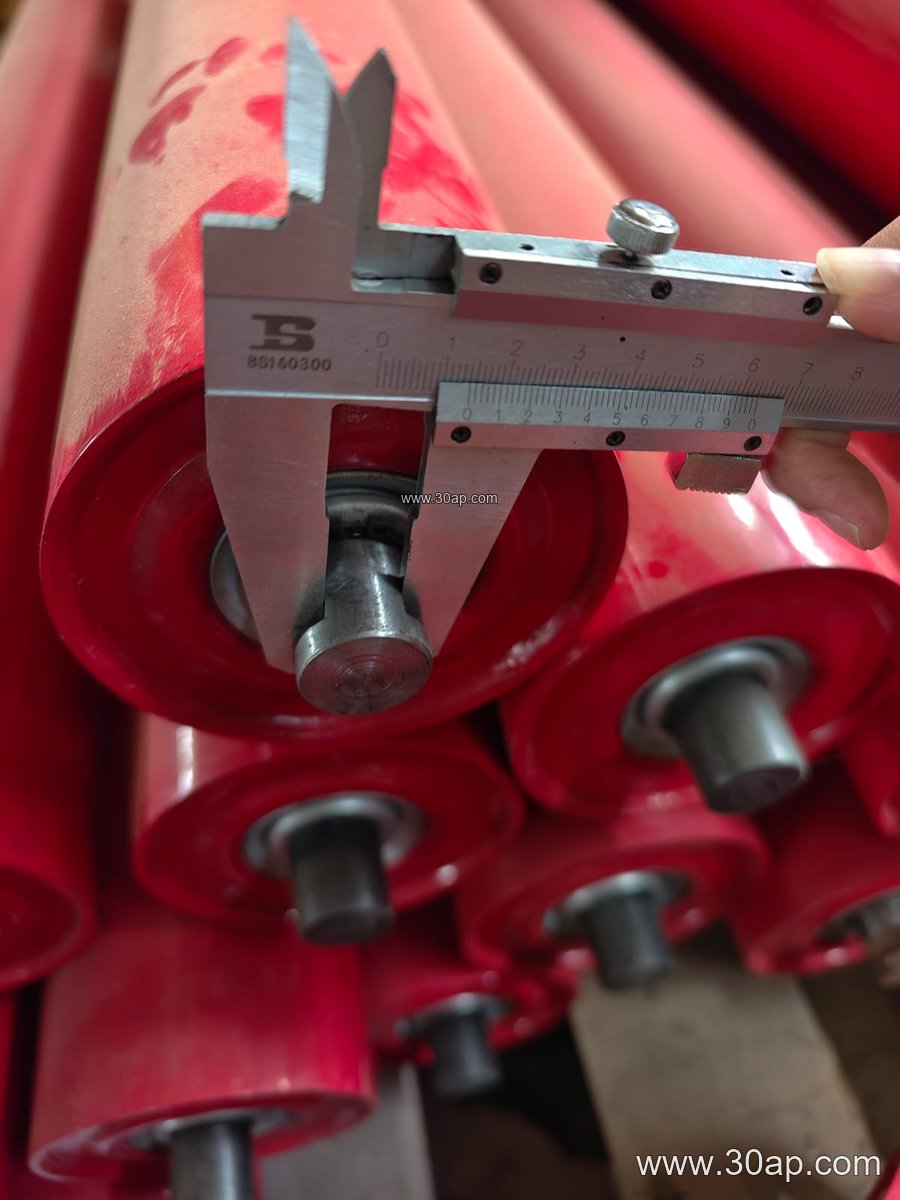
Buyers should consider belt width, trough angle, roller diameter, and bearing type. Common roller diameters include 63, 76, 89, 102, 108, 127, 133, 159, 178, 194, and 219 mm. Belt widths range from B400 to B2400. The table below shows typical roller length references for three-roll troughing sets, but actual side and center roller lengths may differ by design.
| Belt Width | Common Roller Length (approx.) |
|---|---|
| B500 | 200 mm |
| B650 | 250 mm |
| B800 | 315 mm |
| B1000 | 380 mm |
| B1200 | 465 mm |
| B1400 | 530 mm |
| B1600 | 600 mm |
| B1800 | 670 mm |
| B2000 | 750 mm |
Selection also depends on the conveyor belt type, such as abrasion resistant conveyor belt or flame retardant conveyor belt, and on the material being conveyed. For example, a coal mining conveyor belt may require a three-roll idler set with rubber rings to absorb impact. The idler set should be chosen together with the conveyor bracket and frame to ensure proper fit.
Maintenance and Buyer Checklist
Regular inspection of the three-roll idler set helps prevent belt damage and unnecessary downtime. Check for worn rollers, seized bearings, and misalignment. Replace damaged rollers promptly and ensure the trough angle matches the original design. When ordering, specify belt width, roller diameter, trough angle, bearing type, and roller surface. Confirm that the set is compatible with your conveyor pulley and conveyor bracket. A well-matched three-roll idler set contributes to smooth operation in cement, power, and mining conveyor systems.