What a Cement Plant Conveyor Pulley Does
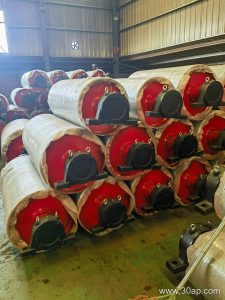
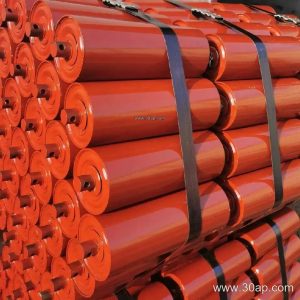
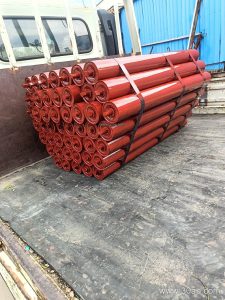
A cement plant conveyor pulley is the rotating drum that turns the conveyor belt, sets its tension, and guides it through the transfer points of a limestone yard, clinker cooler discharge, additive silo, or packing line. Because cement duty combines abrasive dust, fine powder, moderate heat, and continuous operation, the pulley is usually built heavier than a light-duty drum in a sand and gravel line. The same component is often called a conveyor drum or belt pulley, and those names describe the same product.
Drive, tail, and bend pulleys are not interchangeable. The drive pulley transmits torque from the gearbox to the belt. The tail pulley returns the belt at the loading end. A bend pulley changes belt direction without driving. Each position loads the shaft, shell, and lagging differently, so selection should start from the duty point rather than from a catalog page.
Construction Details That Matter
A typical cement plant conveyor pulley uses a welded steel shell, dished or flat end discs, a through shaft or stub shafts, and bearing housings. The shell is machined for balance, and the surface may be plain, rubber lagged, ceramic lagged, or grooved. Common lagging thickness is 8, 10, 12, 15, or 20 mm, chosen against belt slip and wear. Rubber lagging is common on drive pulleys; ceramic or diamond lagging helps where wet, dusty limestone reduces friction.
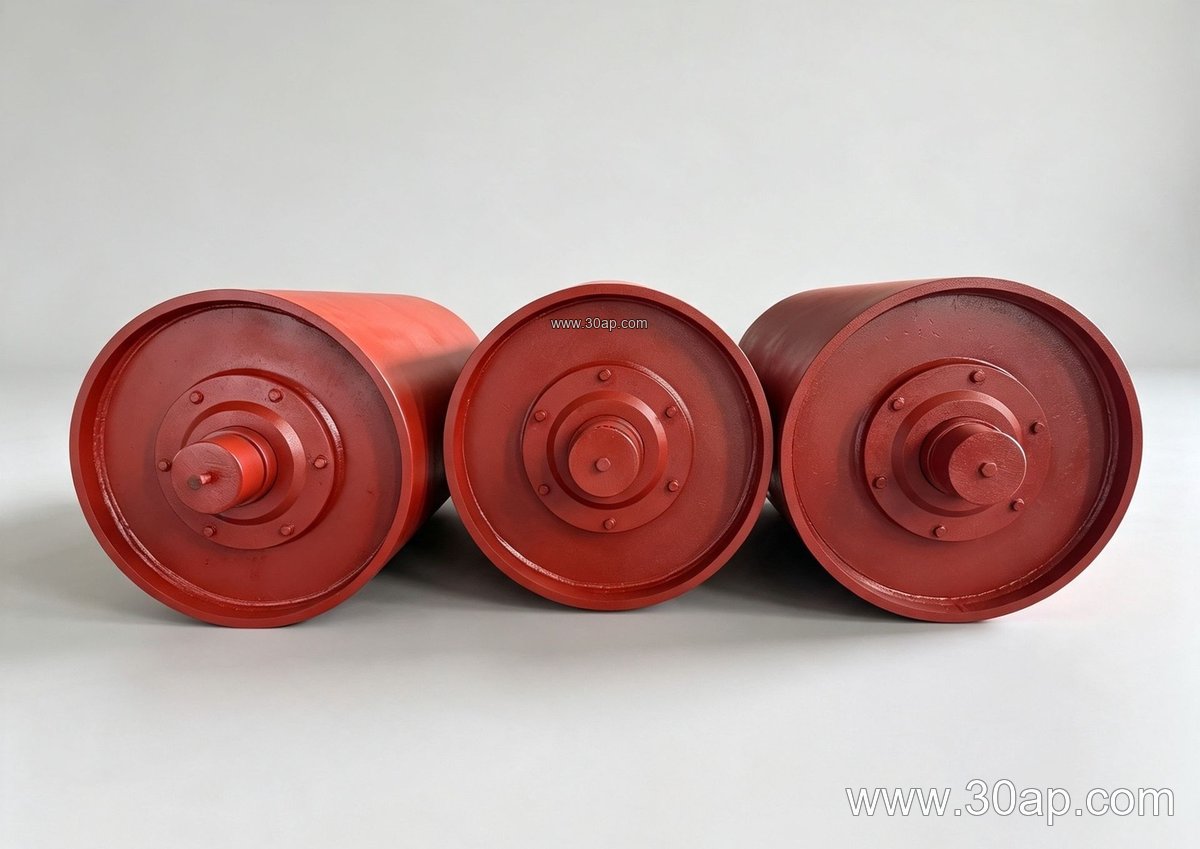
Bearings, locking assemblies, and shaft diameter are sized by torque and radial load. Shaft diameter is not fixed by belt width alone. Common shaft sizes run from Ø50 to Ø200, but the final value follows the drive calculation. Shell diameter commonly ranges from Ø200 to Ø1800, and face width usually exceeds belt width so the belt is supported across its full span.
- Shell: rolled and welded steel, machined for concentricity
- Lagging: plain, rubber, ceramic, diamond, or herringbone pattern
- Shaft: through or stub type, sized by torque and load
- Bearings: pillow block or flange housing with seals for dusty service
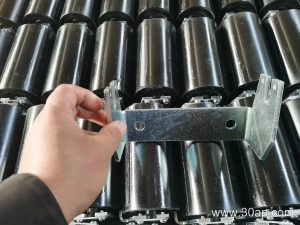
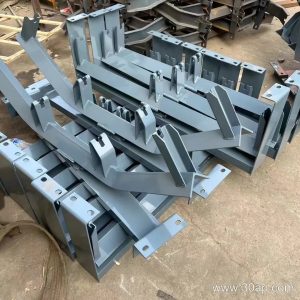
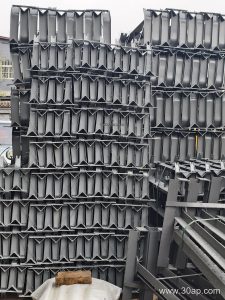
- Accessories: conveyor bracket, scraper mount, and guarding
Matching Belt Width and Pulley Dimensions
Belt width and pulley face width are related, but there is no single diameter for a given belt. The table below shows common reference pairings, not mandatory combinations.
| Belt width | Typical pulley face width | Example diameter range |
|---|---|---|
| B400 | about 500 mm | Ø200 to Ø400 |
| B650 | about 750 mm | Ø250 to Ø500 |
| B800 | about 950 mm | Ø315 to Ø630 |
| B1000 | about 1150 mm | Ø400 to Ø800 |
| B1200 | about 1400 mm | Ø500 to Ø1000 |
| B1400 | about 1600 mm | Ø630 to Ø1250 |
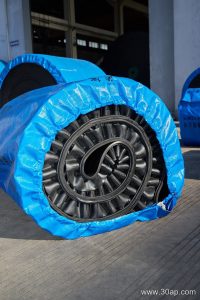
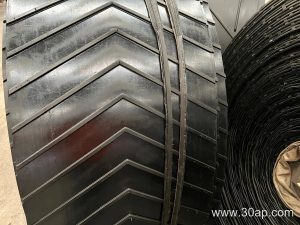
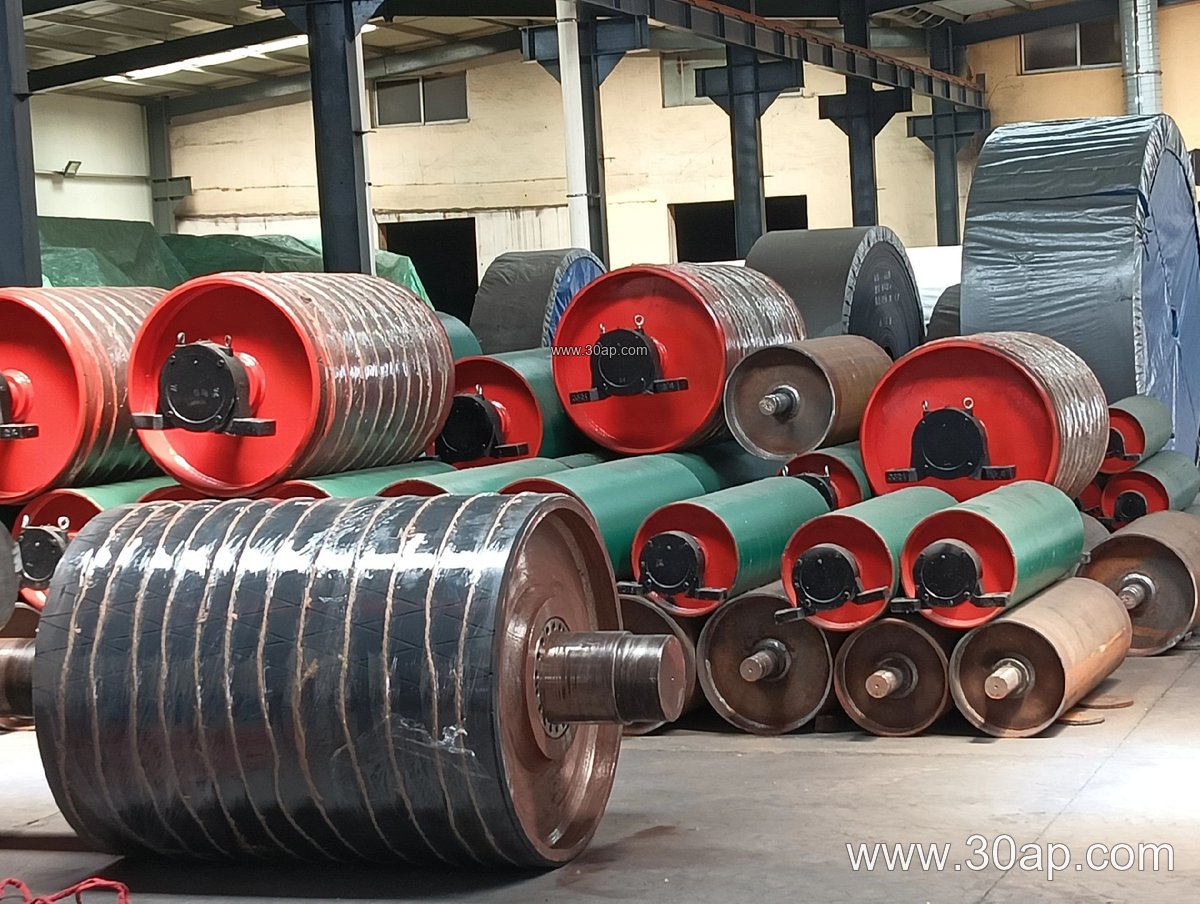
For example, B1200 × Ø1000, B800 × Ø500, and B1400 × Ø800 are all plausible combinations when the belt speed, wrap angle, and tension allow them. A larger diameter reduces belt bending stress and can extend belt life; a smaller diameter saves space at the tail. The belt itself matters too. A heavy steel cord conveyor belt needs a larger pulley than a thin fabric core belt under the same tension. In cement plants, abrasion resistant conveyor belt and heat resistant conveyor belt are common where clinker or hot material is present, and the pulley lagging should suit that belt surface.
Where These Pulleys Are Installed
In a limestone quarry feeding a cement works, the head pulley at the crusher discharge often runs with rubber lagging and a robust shaft because it carries the full belt tension. In the clinker handling section, a bend pulley may redirect the belt around a transfer tower, while a tension pulley keeps slack under control. In a packing plant or bulk loading area, smaller pulleys handle lighter belts at lower tension.
Similar drums appear in coal mining conveyor systems, power plant coal yards, and aggregate lines, but cement duty usually puts more emphasis on dust sealing and abrasion resistance than on flame retardant properties. A conveyor pulley works together with the conveyor belt, idler roller, and conveyor bracket, so misalignment at any of these points shows up as belt edge wear or pulley lagging damage.
Buyer Checklist
- Confirm the duty position: drive, tail, bend, take-up, or snub
- Provide belt width, belt type, belt speed, and maximum tension
- State the material: limestone, clinker, gypsum, fly ash, or cement powder
- Specify lagging type and thickness, not just “rubber”
- Check shaft diameter against torque, not against belt width alone
- Ask for balance grade, bearing type, and seal protection
- Confirm face width and whether the belt is tracked by crowned or flat shell
Spare parts planning matters as well. Keeping one spare bend pulley and one drive pulley lagging kit can shorten downtime during a kiln campaign. For a cement plant conveyor pulley, the safest approach is to document the exact position, load, and belt specification, then let the pulley be designed around those facts rather than around a generic size chart.