What a Single Drive Pulley Does
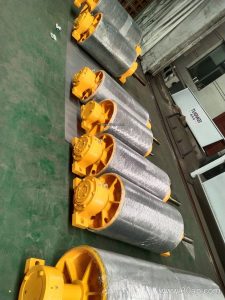
A single drive pulley is the one powered drum that pulls a conveyor belt around its circuit and transmits the drive torque into the belt. In a head-driven conveyor, this pulley sits at the discharge end and is often called the head pulley or drive drum; in some layouts the drive is placed at the tail or at an intermediate position. Its job is straightforward but demanding: grip the belt without slipping, keep the belt centred, and carry the belt tension without excessive deflection.
Engineers often treat this component as the heart of the drive station. When it is correctly matched to the belt width, the belt tension, and the load profile, the whole conveyor runs smoothly. See the range of drums and related parts at http://www.beltconveyoridler.com/conveyor-pulley for typical configurations used with fabric and steel cord belts.
Construction and Surface Options
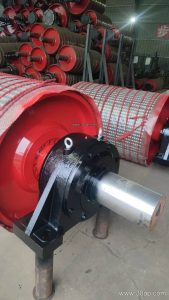
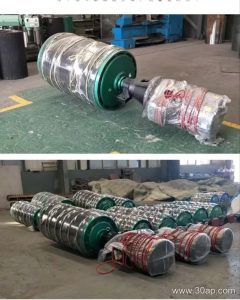
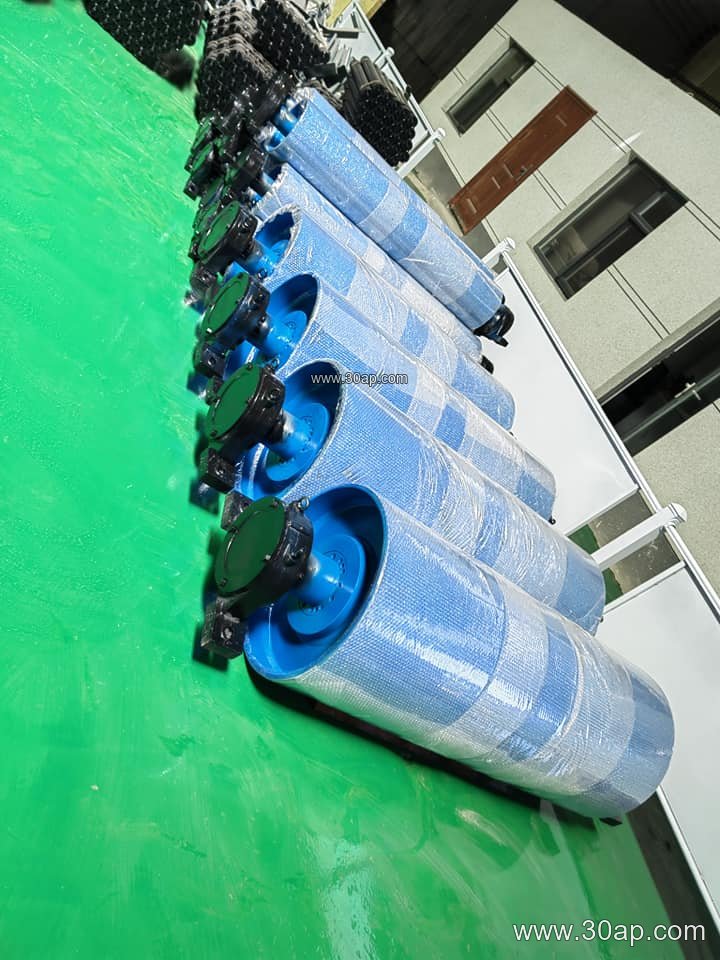
A typical single drive pulley consists of a cylindrical shell, two end discs, a shaft, and bearing housings mounted in conveyor brackets. The shell is usually welded steel, machined to a slight crown or left flat depending on belt tracking requirements. The shaft diameter is determined by torque and radial load rather than by belt width alone, so a B800 conveyor may use a different shaft than another B800 machine with a heavier duty cycle.
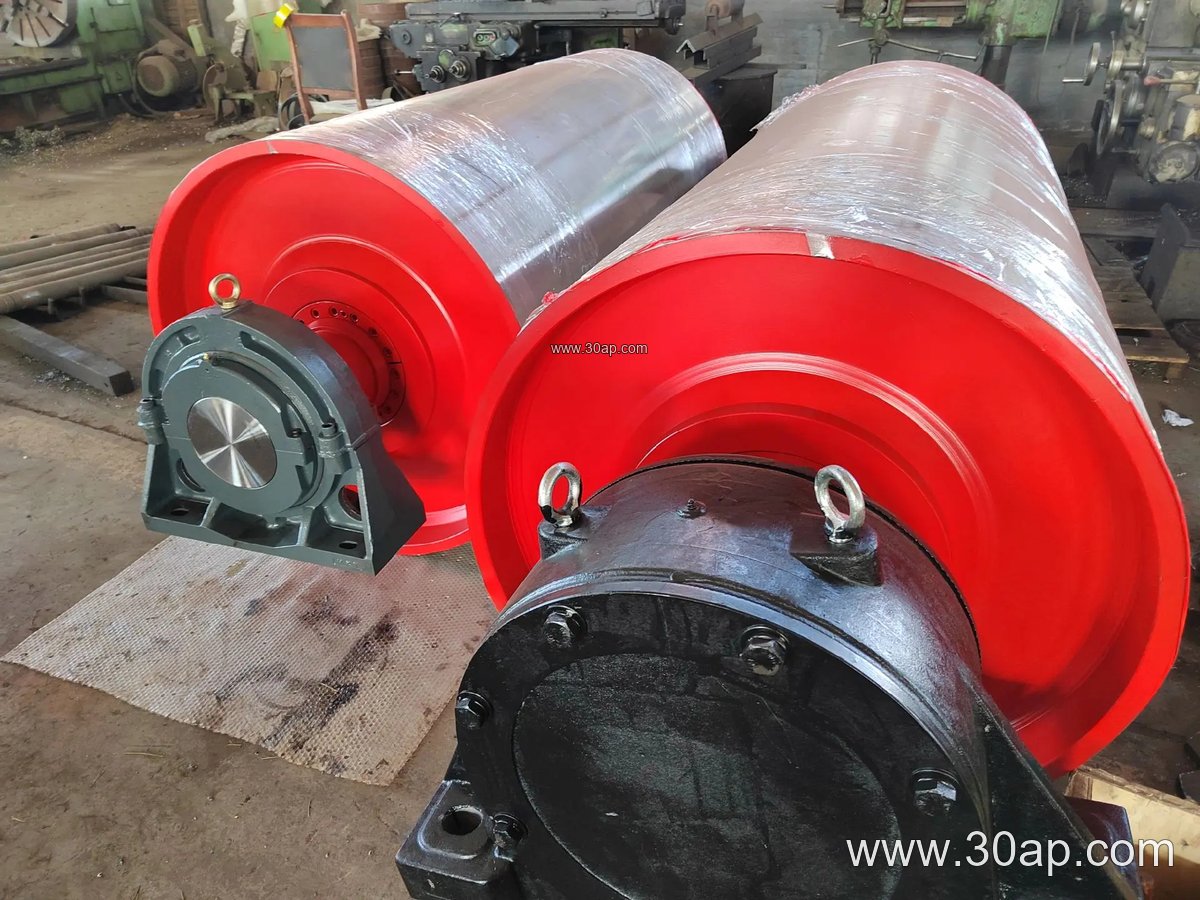
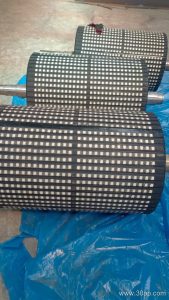
Surface treatment is a key buying decision. Plain finished drums suit light loads and clean conditions. Rubber lagging — applied as cold-bonded sheet, hot-vulcanised rubber, or cast rubber — improves friction and protects the shell. Diamond and herringbone patterns help shed water and fines, while ceramic lagging is chosen where abrasive material and high slip risk exist. Lagging thickness of 8 mm, 10 mm, 12 mm, 15 mm, and 20 mm are common, with the thicker grades used on heavily loaded drives.
Common Size Combinations
The table below shows reference pairings of belt width, pulley face width, and diameter. These are examples for orientation, not fixed rules; final dimensions follow the conveyor design.
| Belt width | Typical pulley face width | Reference diameter options |
|---|---|---|
| B400 | about 500 mm | Ø200, Ø250, Ø315 |
| B500 | about 600 mm | Ø250, Ø315, Ø400 |
| B650 | about 750 mm | Ø315, Ø400, Ø500 |
| B800 | about 950 mm | Ø400, Ø500, Ø630 |
| B1000 | about 1150 mm | Ø500, Ø630, Ø800 |
| B1200 | about 1400 mm | Ø630, Ø800, Ø1000 |
| B1400 | about 1600 mm | Ø800, Ø1000, Ø1250 |
| B1600 | about 1800 mm | Ø1000, Ø1250, Ø1400 |
| B1800 | about 2000 mm | Ø1250, Ø1400, Ø1600 |
| B2000 | about 2200 mm | Ø1400, Ø1600, Ø1800 |
Shaft diameters commonly fall in the Ø50 to Ø200 range, selected by the drive engineer according to transmitted torque and bearing life. A B1200 × Ø1000 drive drum and a B800 × Ø500 unit are both realistic, but they serve different duty levels. Browse more example assemblies at http://www.beltconveyoridler.com/conveyor-pulley.
Where It Fits in the Plant
Single drive pulleys appear across bulk handling operations. In a limestone quarry or aggregate line, they power the main discharge belts that carry crushed rock to the stockpile. In a coal washing plant, flame retardant and anti-static belts run over lagged drive drums in environments where dust and moisture are constant. Cement plants use them on clinker and raw meal conveyors, and power plant coal handling systems rely on robust drive drums matched to heavy-duty belts.
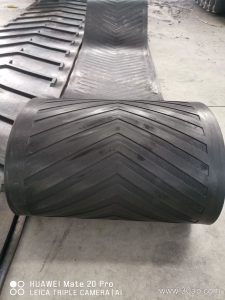
The belt itself matters as much as the drum. A single drive pulley may be paired with an EP conveyor belt, an NN conveyor belt, a steel cord conveyor belt, or a heat resistant conveyor belt depending on the material and temperature. In mining and quarry work, abrasion resistant conveyor belt grades and chevron or corrugated sidewall belts are also common. The drum only performs well when the belt tension, lagging friction, and alignment are set together.
Buyer Checklist
- Confirm the belt width and the required face width, remembering that face width usually exceeds belt width.
- Specify the operating belt tension so the shaft and bearings can be sized correctly.
- Choose lagging by environment: plain for clean duty, rubber for general grip, ceramic for abrasive and wet conditions.
- Check the mounting position — head, tail, or intermediate — because it affects bearing load and access for maintenance.
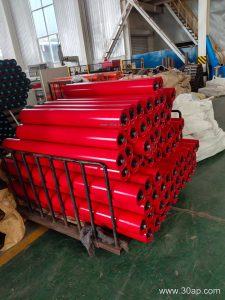
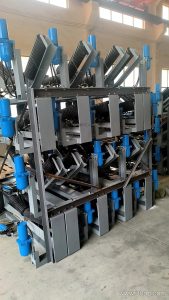
- Match the pulley to the conveyor bracket and idler roller layout so the belt line stays true.
- Provide belt speed, material type, and ambient conditions; these guide diameter and lagging selection more reliably than belt width alone.
When these points are clear, a single drive pulley can be selected with confidence rather than by guesswork. Proper alignment and routine inspection of lagging wear will keep the drive station reliable for the long term. More technical notes are available at http://www.beltconveyoridler.com/conveyor-pulley.