What a Surface Belt Conveyor Idler Does
A surface belt conveyor idler is the rotating roller assembly that supports the conveyor belt on the carrying and return sides of a conveyor system. In bulk material handling, these idlers are mounted on a conveyor bracket or frame and keep the belt in a stable trough shape, reduce sag between pulleys, and guide the belt along its path. Unlike a drive pulley or tail pulley, which transmit power and control belt tension, the surface idler simply carries the load and minimizes friction. This article focuses on the surface belt conveyor idler as used in above-ground installations such as quarry conveyor lines, cement plant clinker transport, power plant coal handling, and aggregate stockyard systems.
Construction and Common Configurations
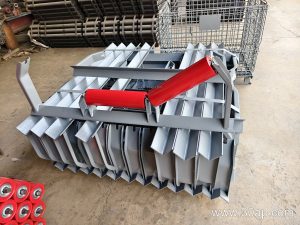
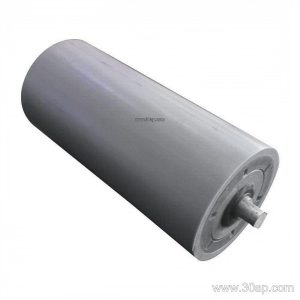
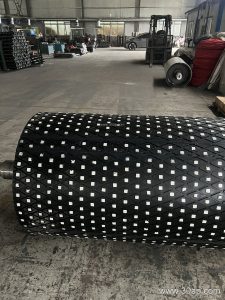
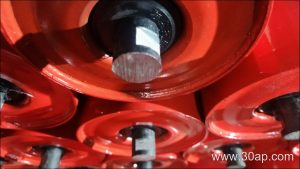
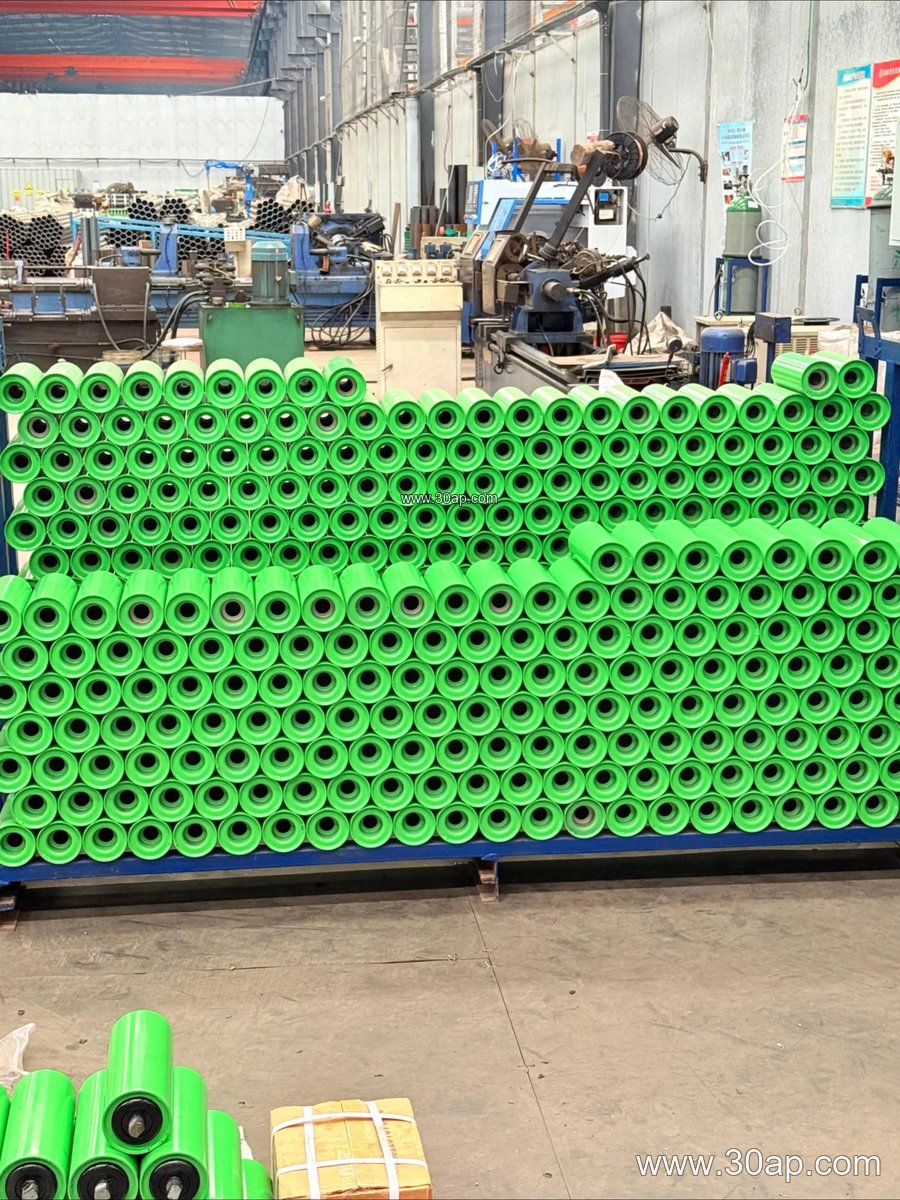
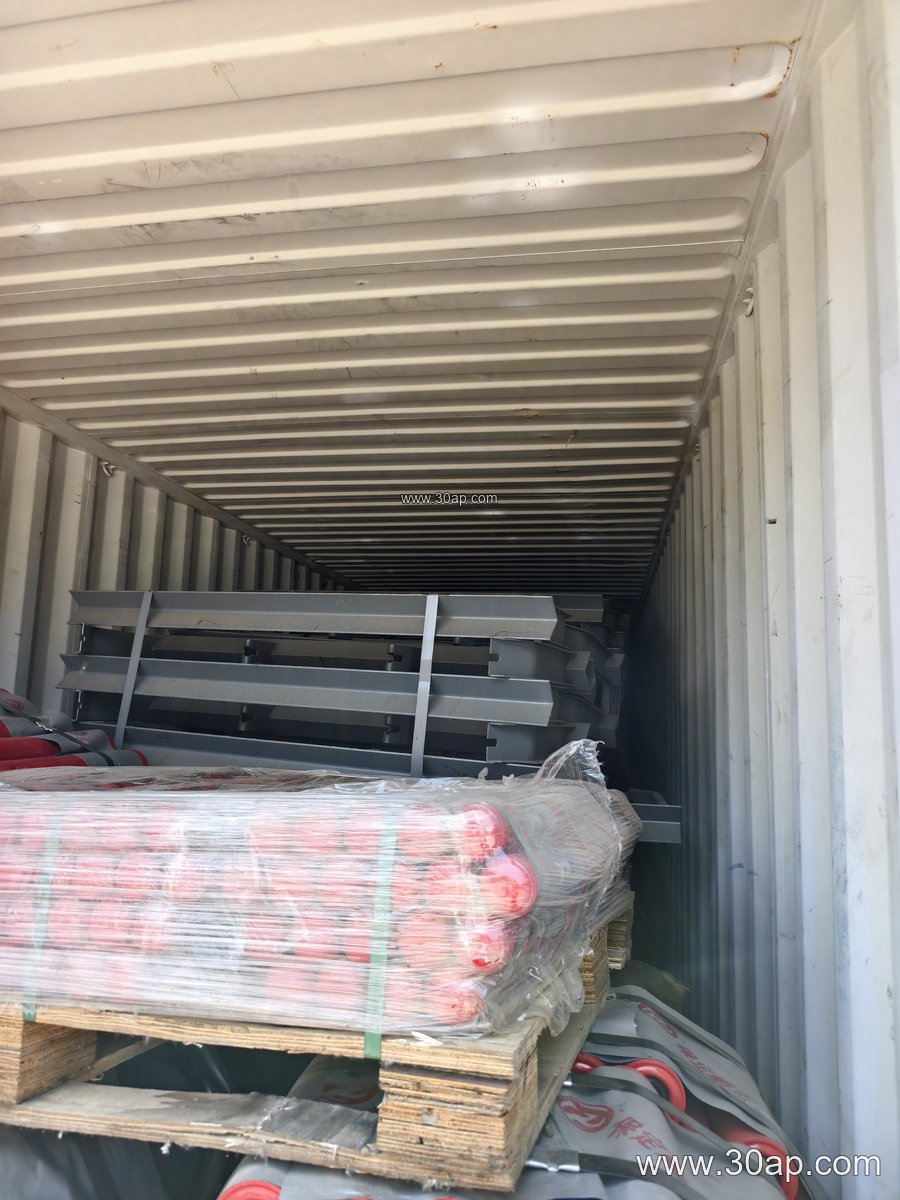
A typical surface idler roller consists of a steel tube shell, bearing housings, a shaft, and a sealing arrangement. The roller surface may be plain steel, nylon-coated, ceramic-lined, or fitted with rubber rings for impact absorption. Bearing sizes commonly include 6204, 6205, 6305, 6306, 6308, and 6310, though the bearing is selected according to load and speed rather than a fixed rule tied to roller diameter alone. Roller diameters often range from Ø63 to Ø219, and belt widths from B400 to B2400 are encountered in surface applications. The table below shows common examples of troughing idler roller lengths for three-roll sets; actual side roller and center roller lengths may vary with trough angle and frame design.
| Belt Width | Typical Center Roller Length (mm) | Common Trough Angle |
|---|---|---|
| B500 | 200 | 20°–30° |
| B650 | 250 | 20°–35° |
| B800 | 315 | 20°–35° |
| B1000 | 380 | 30°–35° |
| B1200 | 465 | 30°–35° |
| B1400 | 530 | 30°–45° |
| B1600 | 600 | 30°–45° |
| B1800 | 670 | 35°–45° |
| B2000 | 750 | 35°–45° |
These values are common references, not fixed pairings. A belt width does not dictate a single pulley diameter, and a given shaft diameter should not be assumed from belt width alone.
Where Surface Idlers Are Used
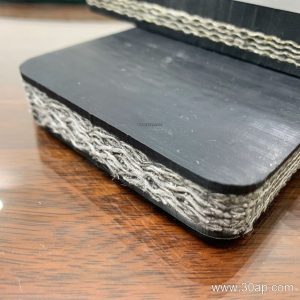
Surface belt conveyor idlers appear in quarry and aggregate operations moving crushed stone, in cement plants handling raw meal and clinker, and in power plant coal yards where a flame retardant conveyor belt or abrasion resistant conveyor belt carries fuel to the boiler. They are equally common in iron ore and copper ore stockpiles, in sand and gravel washing lines, and in port ship-loading conveyors. In these settings, the idler must match the belt type and the environment. For example, a steel cord conveyor belt used on a long overland run may call for larger roller diameters and robust sealing, while a fabric core conveyor belt on a shorter aggregate line may use standard troughing idlers. When the belt is an EP conveyor belt or NN conveyor belt, the idler spacing and load rating are chosen from the belt’s tension and the material weight. For dusty or wet conditions, labyrinth seals and good bearing protection extend service life.
Types and Surface Forms
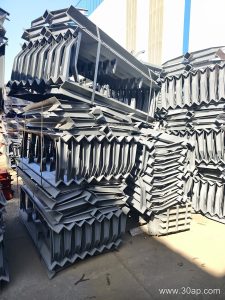
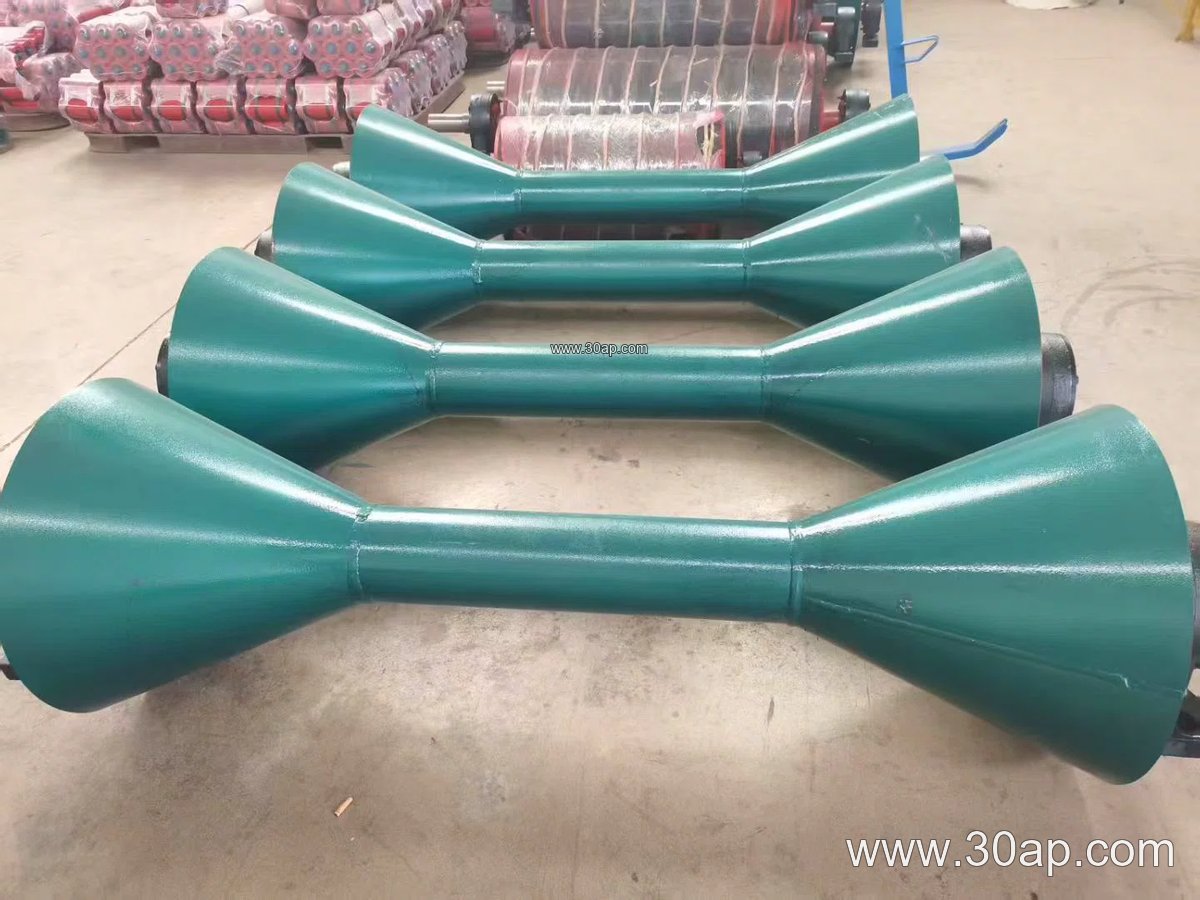
On the carrying side, three-roll troughing idlers at 20°, 30°, 35°, or 45° are common. Transition idlers help the belt move from flat to troughed profile near pulleys. Impact idlers with rubber rings are placed under loading points to absorb the drop of lump material. On the return side, flat return idlers or V-type return idlers support the empty belt. Self-aligning idlers, including friction and tapered types, help correct belt tracking on long surface runs. Spiral idlers may be used where sticky material tends to build up on the roller surface. The idler roller shell material and coating should be selected for the duty: ceramic or nylon for abrasive service, rubber rings for impact, and plain steel for general bulk handling.
Buyer Checklist for Surface Idler Selection
- Confirm belt width, trough angle, and idler group form (single, two-roll, or three-roll).
- Check the conveyor belt type and load: an EP1000 or EP1250 belt on a high-tonnage line may require heavier idler frames than a light-duty aggregate belt.
- Match roller diameter and bearing to the calculated load and speed, not to a single rule of thumb.
- Review sealing and surface finish for dust, moisture, or heat. Heat resistant conveyor belt lines may need heat-tolerant lubricant and clearances.
- Verify mounting dimensions against the existing conveyor bracket or frame before ordering.
- Consider maintenance access and spare-part commonality across the plant.
For surface installations, the idler is a wear item that directly affects belt life and energy use. A well-chosen surface belt conveyor idler keeps the belt running true, reduces edge damage, and lowers downtime in quarry, cement, power, and port operations alike. For related components, buyers often review the conveyor pulley and conveyor bracket together with the idler to ensure a complete, compatible assembly.