What a Carbon Steel Conveyor Bracket Does
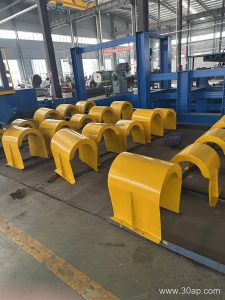
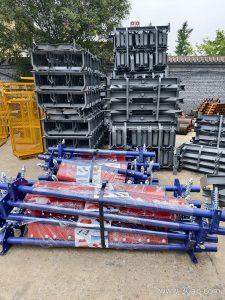
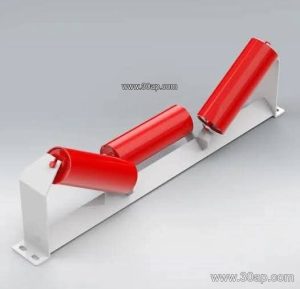
A carbon steel conveyor bracket is the structural element that holds idler rollers in position along a conveyor frame. It connects the roller shaft to the main stringer and sets the belt line at the correct height and angle. In a quarry conveyor or a power plant coal handling line, these brackets carry a steady load of material, resist vibration from the drive, and keep the belt tracking within the frame. The bracket is often called a conveyor idler bracket or roller support bracket, and both names refer to the same fabricated steel component.
Because the bracket sits between the belt and the frame, its accuracy matters. A poorly aligned bracket can cause edge wear on an EP conveyor belt, uneven loading on a steel cord conveyor belt, and premature roller failure. For this reason, buyers usually treat the bracket as a precision part rather than a simple piece of angle iron.
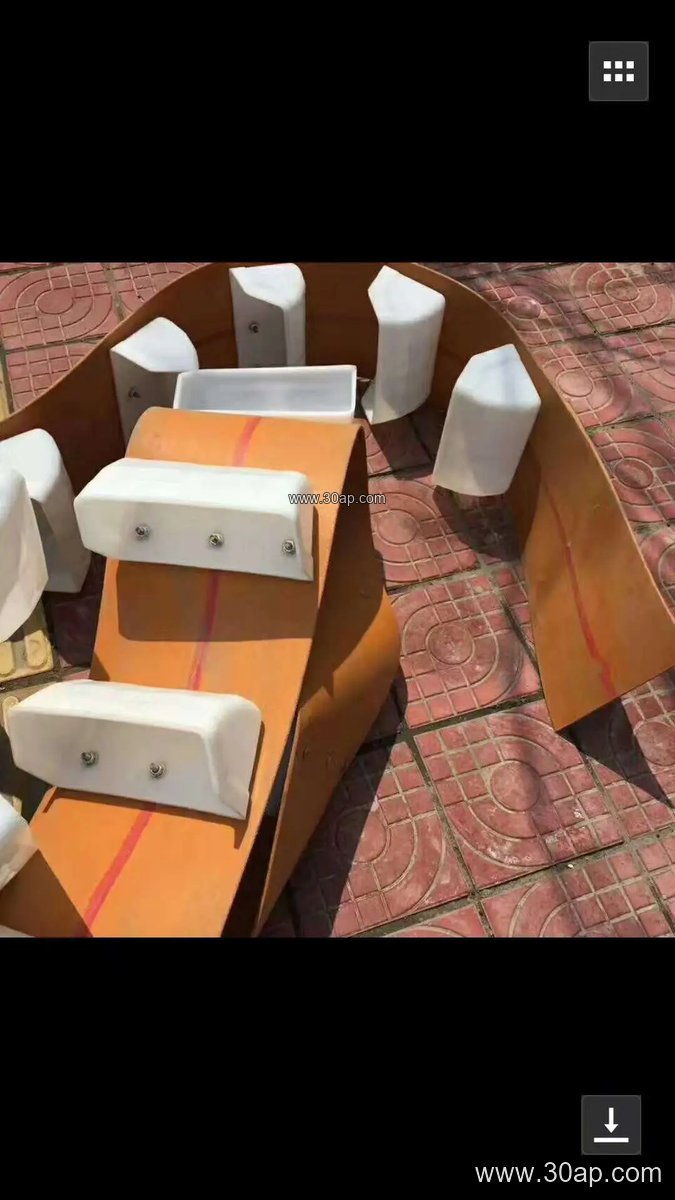
How the Bracket Is Built
Most carbon steel conveyor brackets are made from angle steel, channel steel, or folded steel plate. The fabrication route is straightforward: cutting, punching or drilling mounting holes, bending, and welding where a multi-part design is needed. A surface finish such as painting or galvanizing is common for outdoor installations, though the exact coating should be agreed with the supplier.
The shape of the bracket follows its duty. A troughing bracket has inclined arms that form the trough angle, while a return bracket is flatter and supports the belt on its clean side. Transition brackets are placed near the head and tail to guide the belt from flat to troughed profile. Adjustable brackets allow the trough angle to be changed on site, which is useful when a line handles different materials or when fine tracking adjustment is needed.
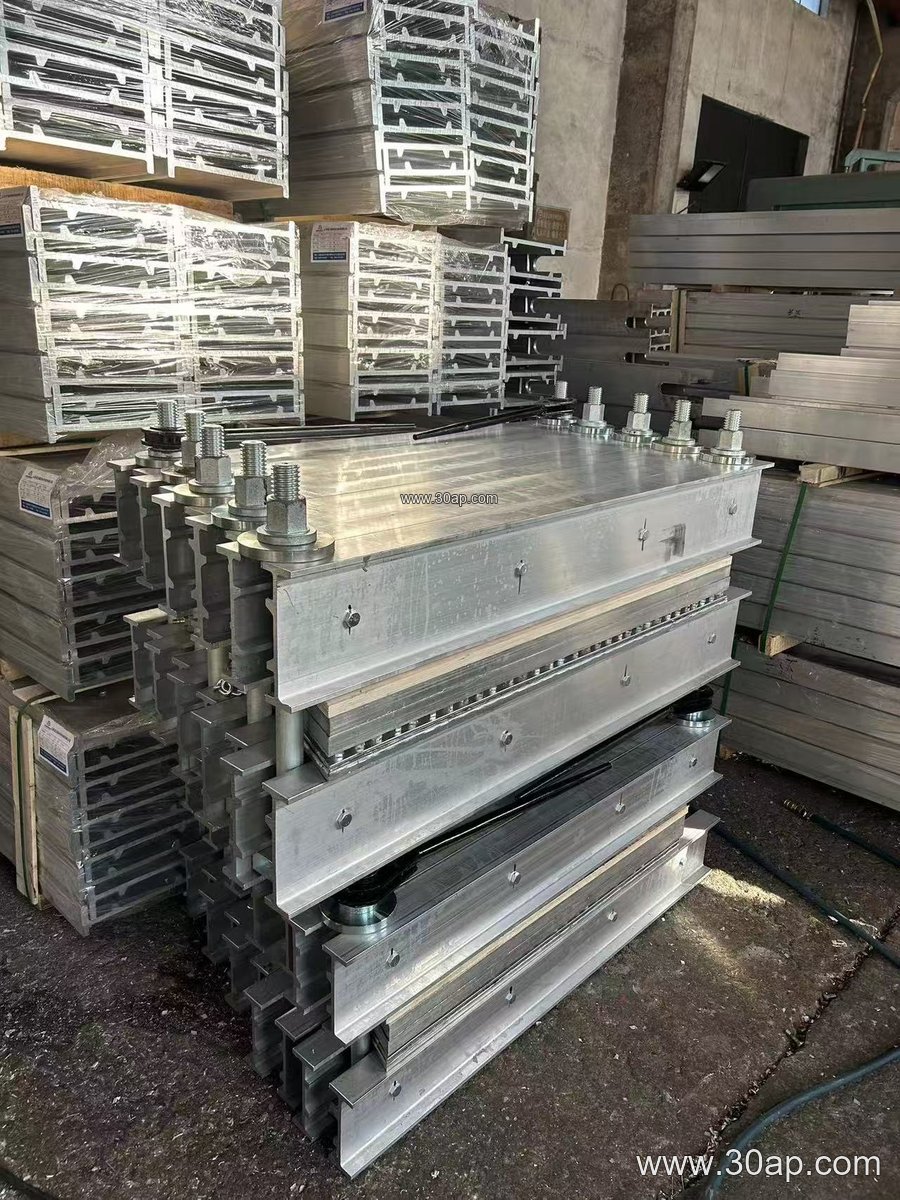
Common Bracket Forms
- Troughing and upper trough brackets for carrying idlers
- Transition brackets at the head and tail zones
- Return and V-return brackets for the lower run
- Impact brackets under loading points
- Self-aligning and forward-leaning brackets for belt tracking
- Suspended and adjustable brackets for special frames
Matching Bracket, Belt, and Roller
Bracket selection starts with the belt width and the roller diameter, not with a single fixed rule. A B800 frame with a 35 degree trough and Ø108 rollers is a common combination in aggregate plants, while a B1200 line in a cement plant may use 45 degree troughing and Ø133 rollers. Heavier lines handling iron ore or coarse rock often move toward Ø159 or Ø194 rollers with reinforced brackets. None of these pairings is mandatory; the final choice is set by the conveyor design, belt tension, and load.
Mounting hole spacing and crossbeam length change with belt width and trough angle, so these dimensions should be confirmed against the frame drawing rather than assumed. The bracket must also suit the roller shaft end, since a mismatch here causes movement and wear.
| Reference Item | Typical Range | Notes |
|---|---|---|
| Belt width | B500 to B2200 | Match to frame stringer spacing |
| Trough angle | 20, 30, 35, 45 degrees | Adjustable types cover several angles |
| Roller diameter | Ø89, Ø108, Ø133, Ø159, Ø194 | Confirm shaft end fit |
| Material | Angle, channel, folded plate | Carbon steel, coated as required |
| Forward lean | About 1.5 to 2 degrees | Used for tracking control |
Where These Brackets Are Used
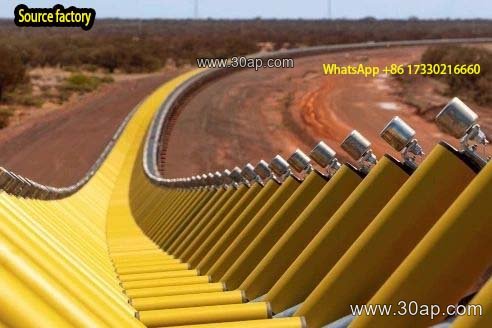
In a limestone quarry, troughing brackets support the carrying run through the crushing and screening section, where a rubber conveyor belt takes constant impact. In a coal-fired power plant, flame retardant conveyor belt and anti-static conveyor belt are common, and the brackets must hold alignment through long transfer houses. Similar brackets appear in sand and gravel lines, steel plant sinter conveyors, port ship loaders, and fertilizer handling systems.
Return brackets and V-return brackets matter on the lower run, where a fabric core conveyor belt or multi-ply fabric core conveyor belt may sag between supports. Correct spacing keeps sag within limits and reduces stress on the splice.
Buyer Checklist
- Confirm belt width, trough angle, and roller diameter against the frame drawing.
- Specify fixed or adjustable design, and state whether on-site angle change is needed.
- Check mounting hole pattern and crossbeam length before ordering.
- State the environment: dust, moisture, heat, or corrosion affects coating choice.
- Ask for the material thickness and weld quality details, not just the outline shape.
- Order brackets and idler roller sets together so shaft ends and hole spacing match.
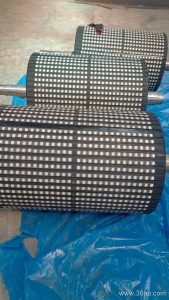
A carbon steel conveyor bracket is a small item with a large effect on belt life and downtime. Getting the details right at the purchasing stage is cheaper than correcting misalignment after commissioning. For matching conveyor pulley, conveyor bracket, and roller arrangements, work from the full conveyor layout rather than from isolated part numbers.