What a Conveyor Bend Pulley Does
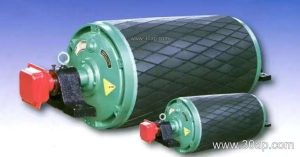
A conveyor bend pulley is a non-driven roller that changes the direction of the conveyor belt, usually redirecting it toward a take-up device or back toward the tail end of the conveyor. It does not pull the belt; it simply guides it. That is what separates it from a drive pulley, which transmits torque, and from a tail pulley, which returns the belt at the loading end. Drive, tail and bend pulleys sit in different positions and are not interchangeable.
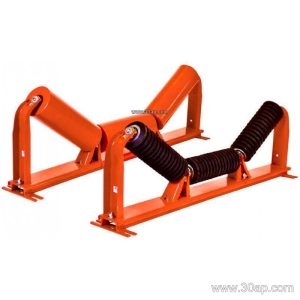
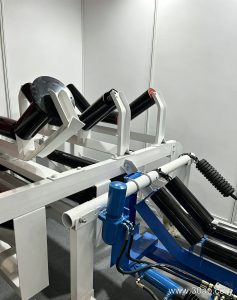
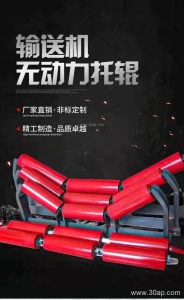
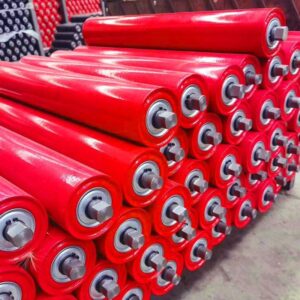
In a typical stone crushing line or cement plant clinker circuit, the bend pulley is often mounted close to the tensioning station. By routing the belt around it, the designer gains the take-up travel needed to keep a 1200mm or 1400mm belt tracking correctly without lengthening the whole conveyor frame. An idler roller supports the belt from below along the carrying run, while the bend pulley works on the return side to alter belt direction.
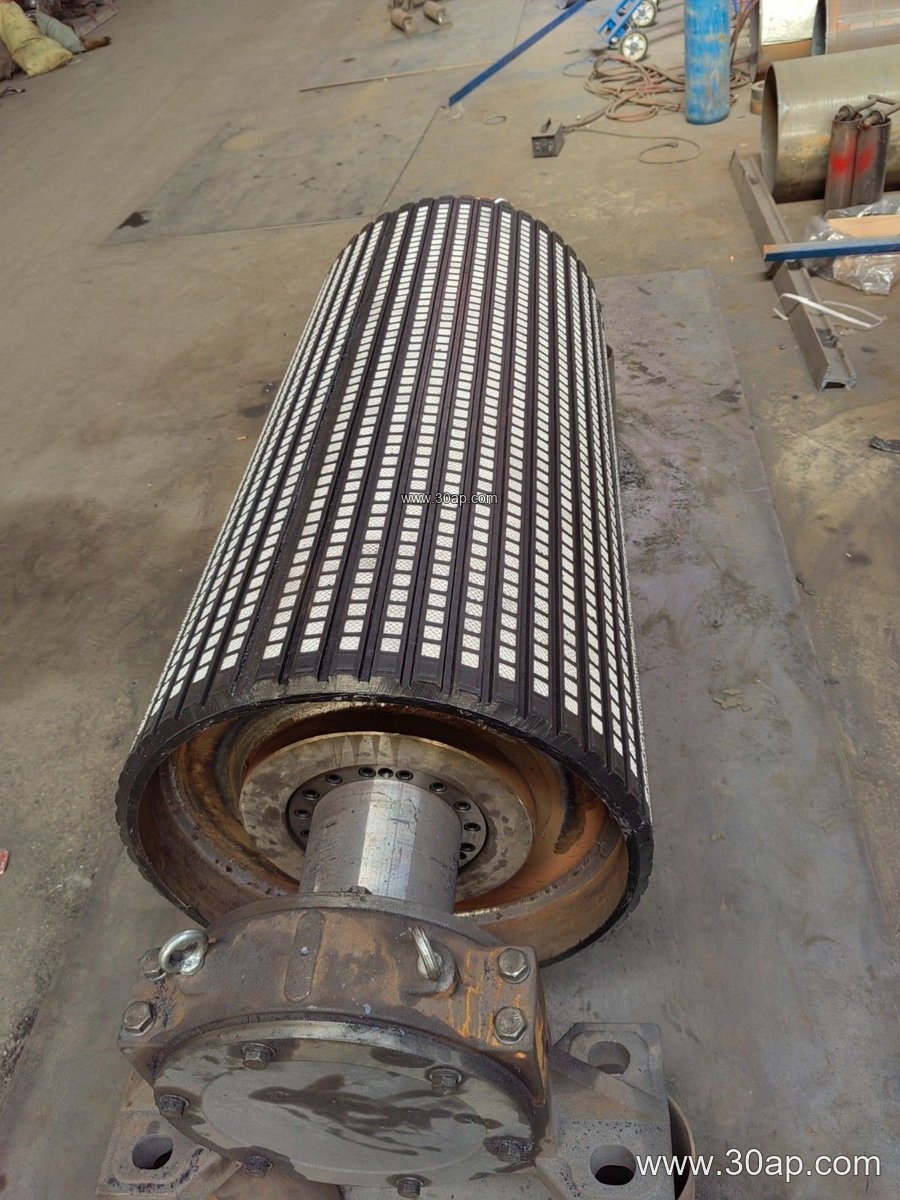
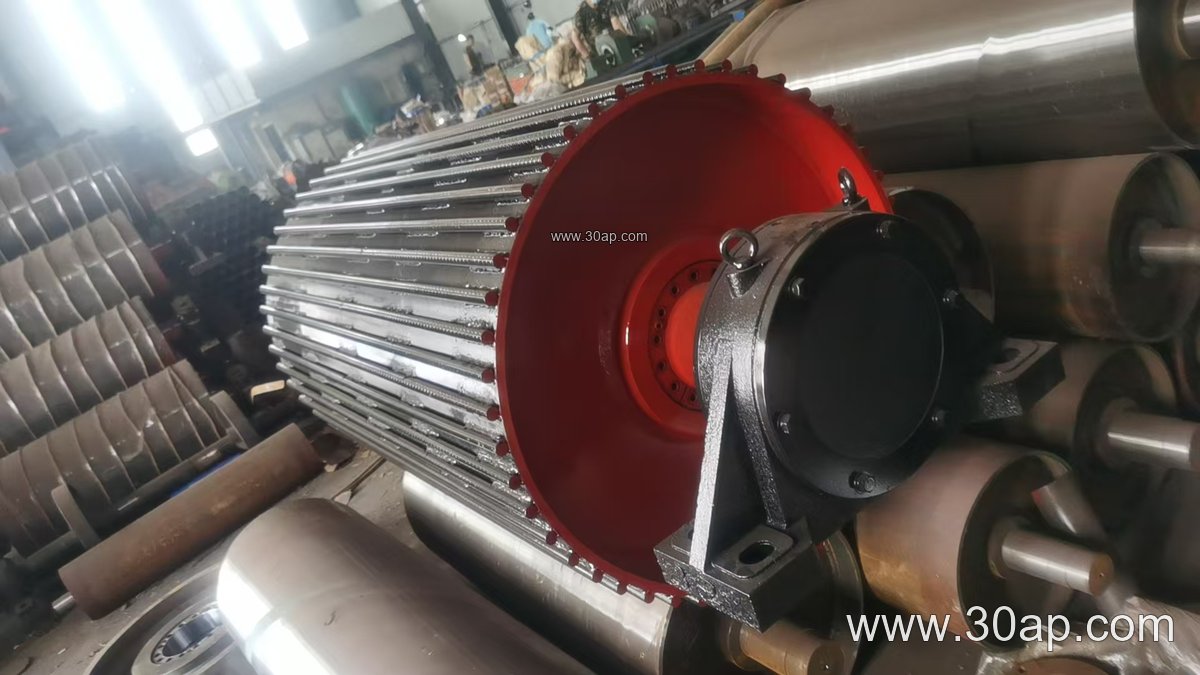
Construction and Surface Options
The core is usually a welded steel drum with a shaft pressed or keyed into machined hubs. Common diameters include Ø315, Ø400, Ø500, Ø630 and Ø800, and the face width normally exceeds the belt width so the belt is fully supported. For example, a B800 belt is often paired with a pulley face around 950 mm, while a B1200 belt may use a face of about 1400 mm. These are reference values only; final dimensions follow the conveyor design.
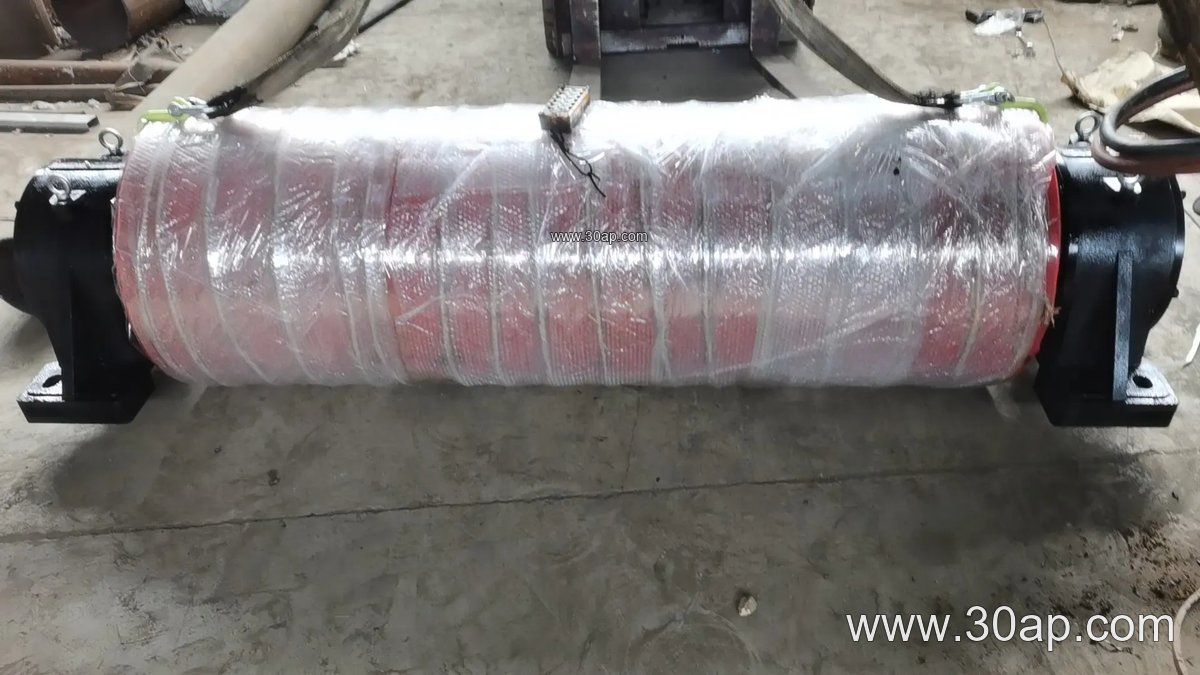
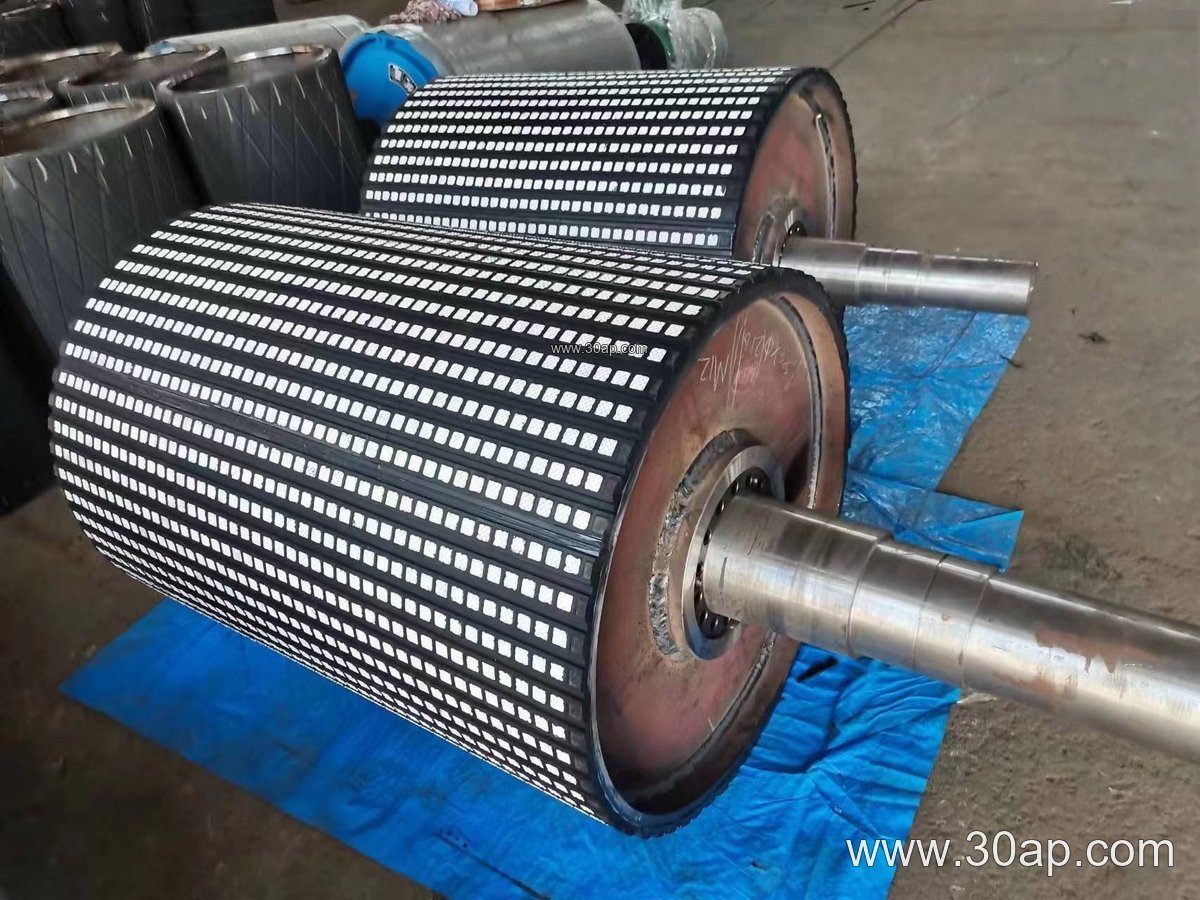
Surface finish depends on the job. Plain finish is common where the pulley only guides the belt. Rubber lagging, applied by cold bonding, hot vulcanizing or as diamond and chevron patterns, improves grip and helps shed fines. Lagging thickness of 8, 10, 12 or 15 mm is typical, and ceramic lagging is sometimes chosen in wet or abrasive service. Shaft diameters such as Ø80, Ø100, Ø120 or Ø160 are selected from torque and bearing load, not from belt width alone.
| Belt width | Typical pulley face | Common pulley diameters |
|---|---|---|
| B500 | about 600 mm | Ø250, Ø315, Ø400 |
| B650 | about 750 mm | Ø315, Ø400, Ø500 |
| B800 | about 950 mm | Ø400, Ø500, Ø630 |
| B1000 | about 1150 mm | Ø500, Ø630, Ø800 |
| B1200 | about 1400 mm | Ø630, Ø800, Ø1000 |
Where It Fits in the Plant
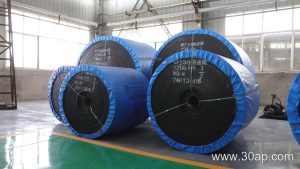
Bend pulleys appear in almost every bulk handling circuit. In a coal washing plant they help route the return strand around a gravity take-up tower. In a port ship loading system, a bend pulley may redirect a wide belt through a transfer point where space is tight. The same component is used on overland conveyors in iron ore and copper ore operations, and on shorter aggregate conveyors feeding a crusher. For abrasive duty, pairing the pulley with a high abrasion resistant conveyor belt reduces wear on both parts.
Belt selection and pulley layout work together. A heavy-duty mining conveyor belt with a steel cord carcass may need a larger bend pulley diameter to limit bending stress, while an EP conveyor belt or multi-ply fabric core belt can often run over a smaller drum. Flame retardant conveyor belt and fire resistant conveyor belt grades are common in underground coal mining conveyor systems, where the bend pulley and its lagging must also suit the environment. Food grade and oil resistant belts follow different rules again, so the pulley surface should match the belt compound.
Buyer Checklist
- Confirm the mounting position: bend, take-up or snub, and the belt wrap angle.
- State belt width, belt type and belt tension so the drum and shaft can be sized.
- Choose lagging based on slip risk, moisture and material fines.
- Check bearing type, sealing and lubrication access before ordering.
- Confirm that the pulley face and the conveyor bracket interface match the frame.
A bend pulley is a small part of the total conveyor cost, but a poor choice shows up quickly as belt mistracking, edge wear or bearing failure. Matching the drum to the belt, the duty and the available space is the practical route to a stable, long-running conveyor.