What a Coal Conveyor Belt Does
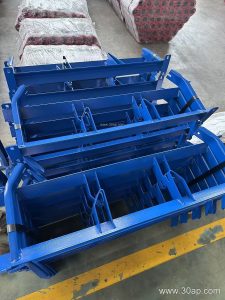
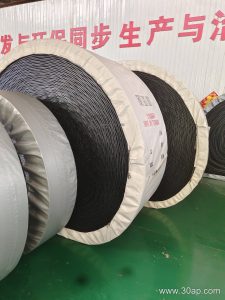
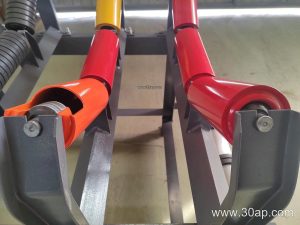
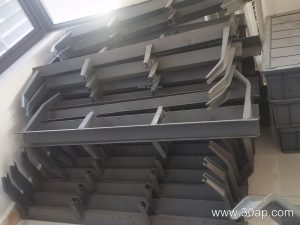
A coal conveyor belt is the load-carrying element of a belt conveyor system that moves raw coal, washed coal, coke breeze, or blended fuel between stockpiles, crushers, transfer towers, and boilers. In a coal mining conveyor belt installation, the belt runs over a series of idler rollers and wraps around head, tail, and bend pulleys, with conveyor brackets holding the frame together. The belt must carry abrasive and often wet material without stretching excessively, and it must resist the working environment, whether that is an underground coal mining conveyor belt section with limited ventilation or an open stockyard exposed to sun and frost.
The same product is also described as a coal-carrying rubber conveyor belt or a bulk material conveyor belt used in coal service. These are equivalent names for the same article, not different products.
Construction and Common Cover Grades
A typical coal conveyor belt uses a fabric core or a steel cord core. Fabric constructions include EP conveyor belt (polyester warp, nylon weft) and NN conveyor belt (nylon warp and weft). Heavier installations often use a steel cord conveyor belt, especially on long overland runs from a mine to a power plant or port. Cover rubber is selected for the duty: abrasion resistant conveyor belt grades for run-of-mine coal, flame retardant conveyor belt and fire resistant conveyor belt grades for underground and enclosed galleries, anti-static conveyor belt grades where dust ignition is a concern, and oil resistant or heat resistant conveyor belt grades where coal tar, oil spray, or hot ash is present.
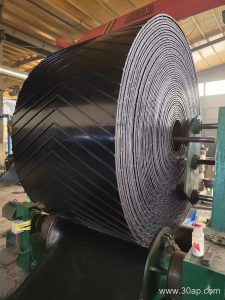
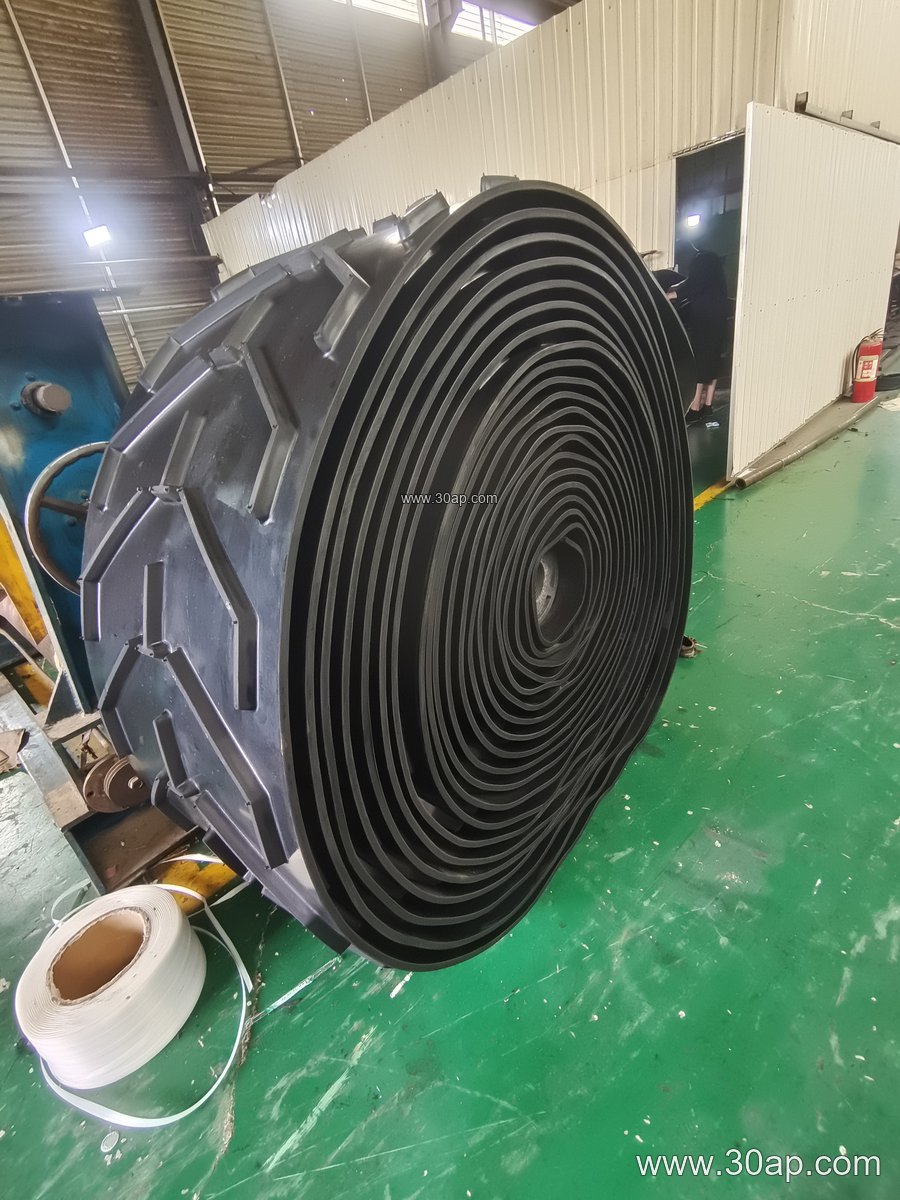
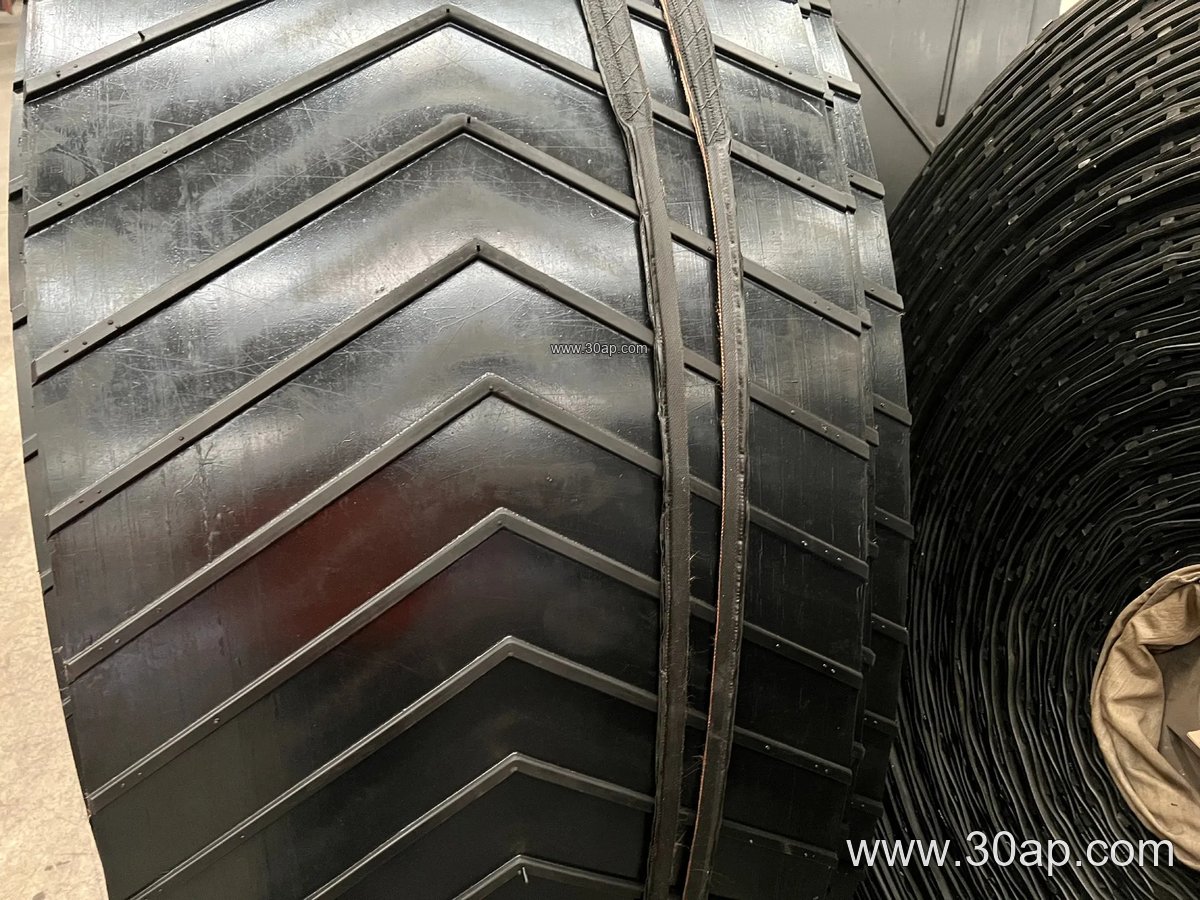
Belt edges and surface forms also matter. A chevron conveyor belt or a corrugated sidewall conveyor belt helps hold material on steep inclines, while a skirted conveyor belt controls spillage at transfer points. A pipe conveyor belt encloses the load for dust control in sensitive areas.
Reference Dimensions and Strength Grades
The tables below list values that are commonly quoted in catalogs and project specifications. They are reference data, not universal rules, and final dimensions should always follow the conveyor design and the manufacturer’s data sheet.
Belt Width (reference)
| Bandwidth | Typical service |
|---|---|
| B500, B650 | Short transfer belts, small feeders |
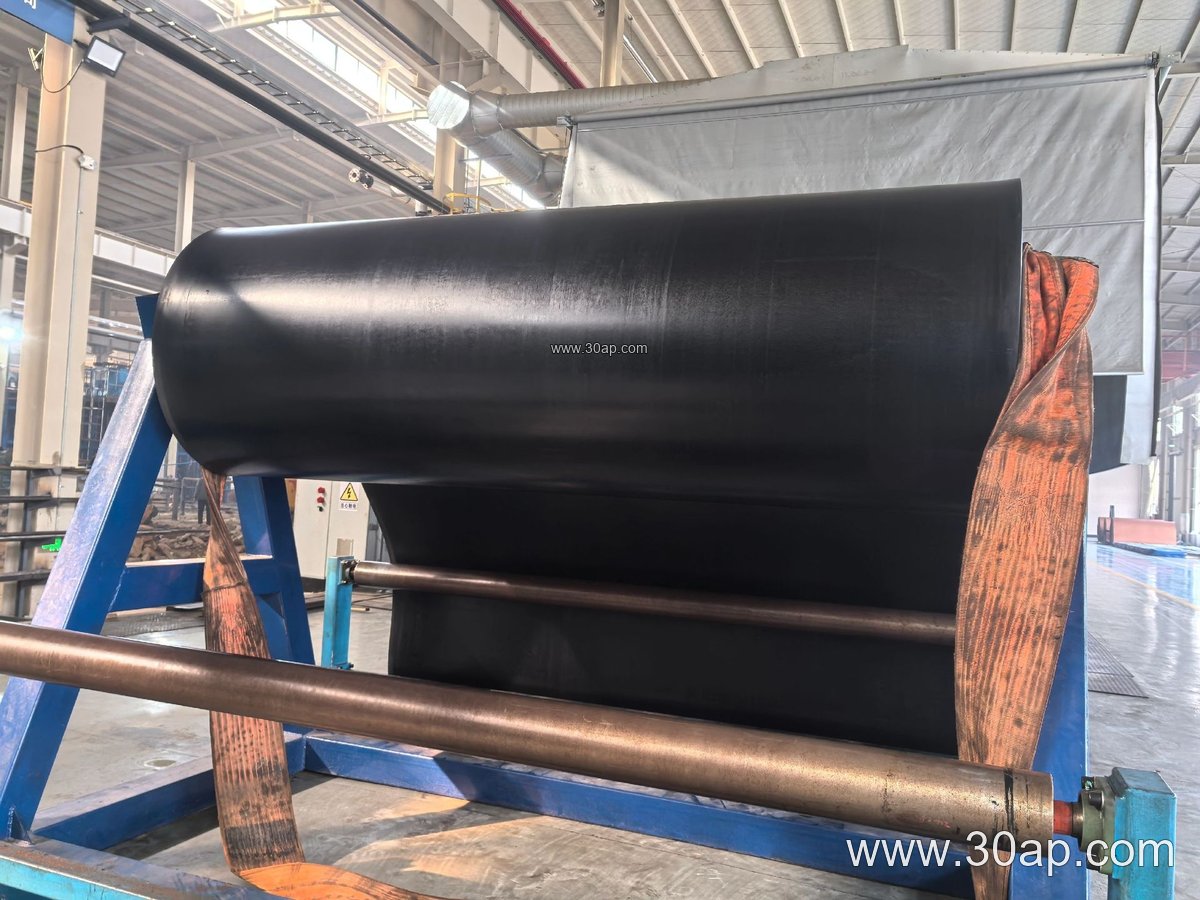
| B800, B1000, B1200 | Main coal yard and plant conveyors |
| B1400, B1600, B1800 | High-capacity mine and power plant lines |
| B2000 and above | Large bulk terminals and overland systems |
Fabric Core Strength (reference)
| Grade | Core type |
|---|---|
| EP200, EP315, EP400 | EP fabric core conveyor belt, light to medium duty |
| EP500, EP630, EP800 | Multi-ply fabric core, general coal duty |
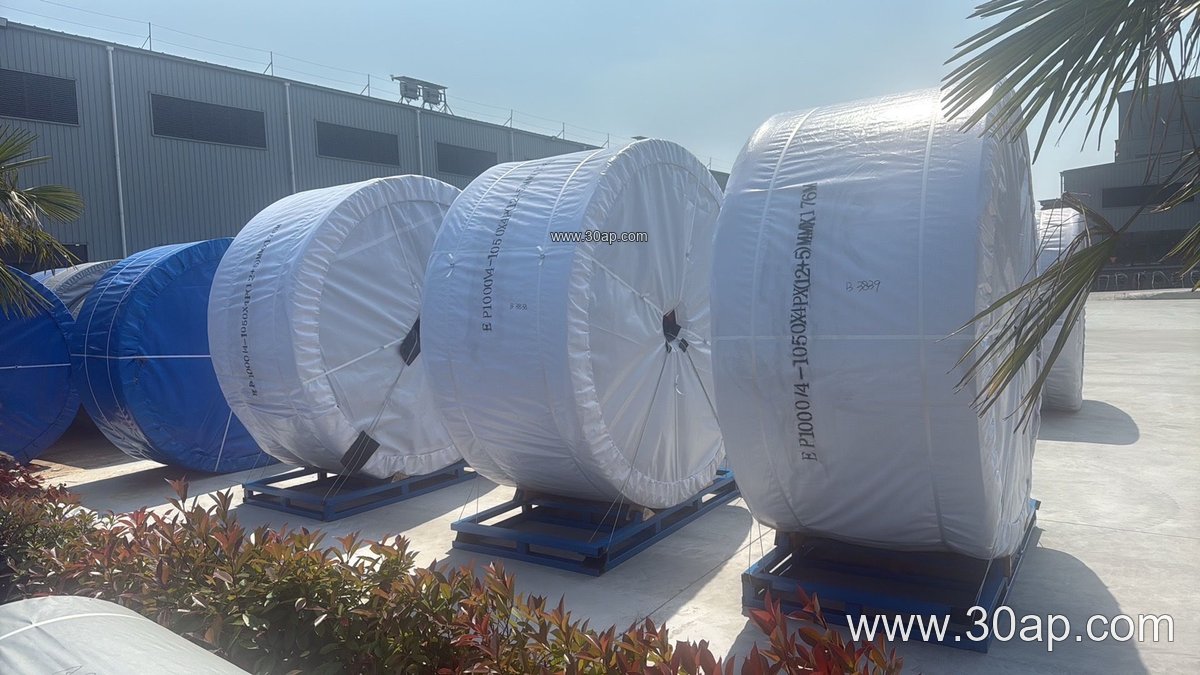
| EP1000, EP1250 | Heavy-duty mining conveyor belt |
| EP1600, EP2000 | High strength conveyor belt for long runs |
| NN100 to NN400 | NN conveyor belt, general industrial use |
Cover Thickness (reference)
| Top + bottom cover | Typical use |
|---|---|
| 3 + 1.5 mm | Light abrasion, small lumps |
| 4 + 2 mm | Standard coal handling |
| 5 + 2 mm, 6 + 2 mm | Abrasive run-of-mine coal, impact points |
| 8 + 3 mm | Heavy impact and high abrasion duty |
Steel cord grades such as ST1000, ST1250, ST1600, ST2000, ST2500, and ST3150 are quoted by tensile strength per unit width. PVG800 and PVG800S are common in underground coal service where flame resistance is required; PVC conveyor belt grades are used in lighter or non-critical sections. Core plies usually range from 2 to 6 layers for fabric belts. A 1200mm wide conveyor belt or a 1500mm wide conveyor belt is a common plant size, but no single width is mandatory for every conveyor, and belt width should not be used to guess a pulley shaft diameter.
Where the Belt Is Used
- Coal mining and underground coal mining sections, including development and longwall outbye lines
- Power plant coal yards, bunker feeding, and ash handling
- Cement plants and quarries where coal or petcoke is used as kiln fuel
- Steel plants, coke ovens, and port ship loading conveyor belts
- Sand and gravel plants, crusher conveyor belts, and bulk material terminals
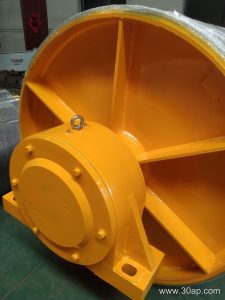
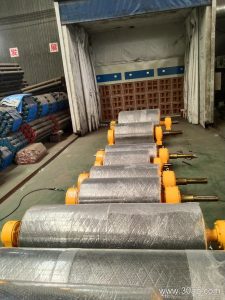
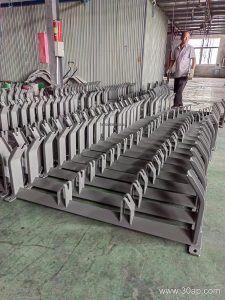
In these settings the belt works with conveyor pulleys that are not interchangeable: the drive pulley transmits torque, the tail pulley returns the belt, and the bend pulley changes its path. Idler rollers support the trough, and conveyor brackets keep the structure aligned. A coal conveyor belt that is properly matched to these components runs straighter and lasts longer.
Buyer Checklist
- Confirm the material: lump size, moisture, temperature, and oil or chemical exposure
- State the required flame retardant, antistatic, or fire resistant grade for the site
- Provide belt width, core type, strength grade, and cover thickness as a design set, not as separate numbers
- Ask for the splice method and whether an endless conveyor belt is preferred
- Check pulley diameters and trough angles against the belt data sheet
- Plan inspection of covers, edges, and splices at regular intervals
For coal handling projects, buyers often compare an EP rubber conveyor belt against a steel cord option, and a heavy-duty conveyor belt against a standard grade, before fixing the specification. Matching the belt to the conveyor layout, the climate, and the maintenance team is more useful than choosing the widest or strongest belt on the list.