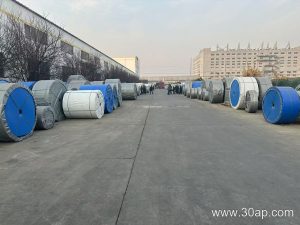
What a Mining Flame Retardant Conveyor Belt Is
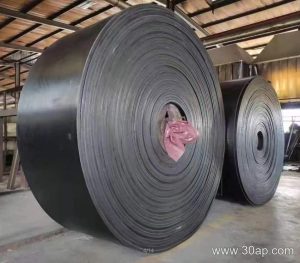
A mining flame retardant conveyor belt is a heavy-duty rubber belt designed to resist ignition and limit flame spread in underground and surface mining operations. It is also called a fire resistant conveyor belt, and both names describe the same product: a belt whose rubber compounds and construction are formulated to slow combustion when exposed to a heat source. In coal mines, metal mines, and tunnels where dust and methane may be present, this property matters as much as tensile strength.
The belt is not a single compound but a system. Cover rubber, core fabric or steel cord, and adhesion layers all contribute to how the belt behaves under fire exposure and mechanical load. A common construction uses a fabric core, and the EP conveyor belt family is frequently selected for main haulage lines because of its low elongation and good moisture resistance.
Construction and Materials
Most mining flame retardant belts combine a carcass with protective covers. The carcass may be multi-ply fabric, such as an EP or NN conveyor belt, or steel cord for very high tension and long distances. Cover grades usually include a flame retardant compound plus anti-static additives, which help dissipate static charge generated by moving bulk material.
Typical reference data, to be confirmed against a specific design, include:
- Fabric core belts: 2 to 6 plies, with EP200 to EP2000 as common strength grades
- Steel cord belts: ST1000 to ST3150 for high-tension main lines
- Cover thickness: 3+1.5 mm, 4+2 mm, 5+2 mm, 6+2 mm, or 8+3 mm
- Widths: B500, B650, B800, B1000, B1200, B1400, B1600, B1800, B2000
Solid woven PVC and PVG conveyor belts are another route for underground coal mining conveyor belt systems, since they offer good flame resistance with a thinner profile. The choice between fabric, steel cord, and solid woven construction depends on tension, distance, and the mine’s own approval requirements.
Where It Is Used
These belts appear across the mining chain: underground coal mining conveyor belt lines, ore transport in iron ore and copper ore operations, quarry and aggregate conveyor belts, and transfer points at cement plants, power plants, and steel plants. A crusher conveyor belt feeding a screen deck, for example, needs impact resistance, while a long overland run may call for a high strength conveyor belt with steel cord reinforcement.
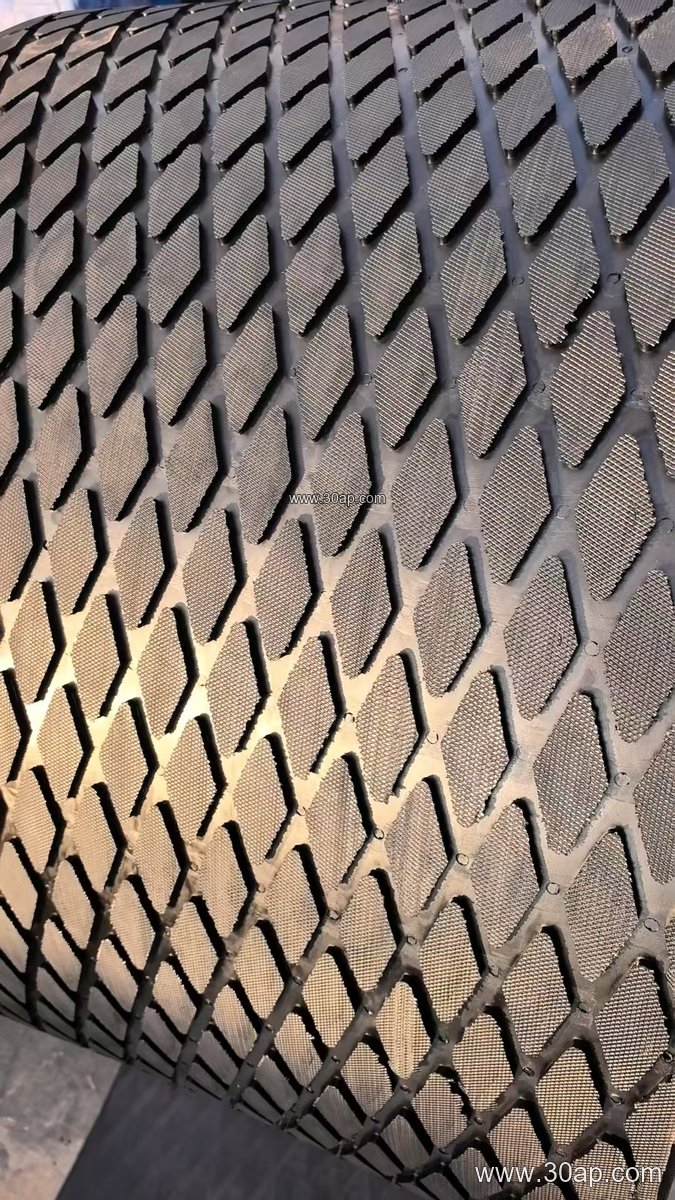
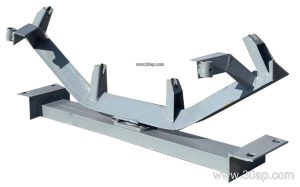
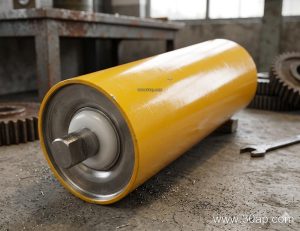
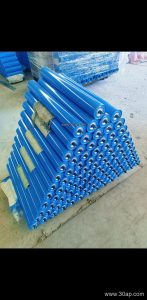
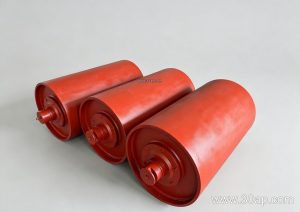
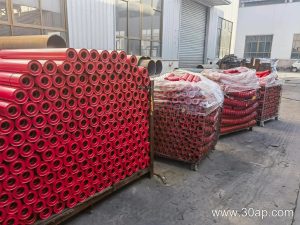
Supporting equipment matters too. Idler rollers keep the belt tracking, conveyor pulleys at the drive, tail, and bend positions transfer power and change direction, and conveyor brackets hold the structure together. A flame retardant belt paired with poorly aligned idlers will wear faster regardless of its cover grade.
Selection Points for Buyers
Start with the duty: lump size, throughput, incline, and the number of start-stop cycles per shift. Then match the carcass type and strength grade. An abrasion resistant conveyor belt cover is often specified for crusher discharge, while a heat resistant conveyor belt grade is needed near clinker or sinter. For cold climates, a cold resistant conveyor belt compound may be preferable, and oil resistant or acid resistant covers suit specific material streams.
Ask for the flame test method and the anti-static surface resistance figure, since these are usually verified by test rather than assumed. Check splice compatibility: an endless conveyor belt joint must retain both mechanical strength and flame performance. Confirm pulley diameters against the belt’s minimum bend radius, and remember that belt width alone does not fix pulley size, because tension and carcass type also govern the design.
Maintenance and Handling
Inspect covers for cuts, exposed fabric, and edge wear at each shift. Keep idler rollers turning freely; a seized roller creates friction heat that can damage even a fire resistant conveyor belt. Align the belt at drive and tail pulleys, maintain skirt rubber at loading points, and store spare belts away from direct sunlight and ozone sources. When repairing, use compatible patch material so the flame retardant property is not degraded at the splice.