What a Rotating Self-Aligning Idler Does
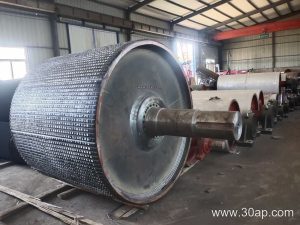
A rotating self-aligning idler is a specialized conveyor idler designed to automatically correct belt misalignment. Unlike fixed carrying idlers, this idler pivots or rotates around a vertical axis to steer the belt back to center when it begins to drift. You will also see it called a self-aligning return roller or a training idler, especially in mining, quarry and bulk material handling conversations. It is not a drive pulley, tail pulley or bend pulley; those are different conveyor components with distinct roles. The rotating self-aligning idler works purely as a tracking aid within the idler set.
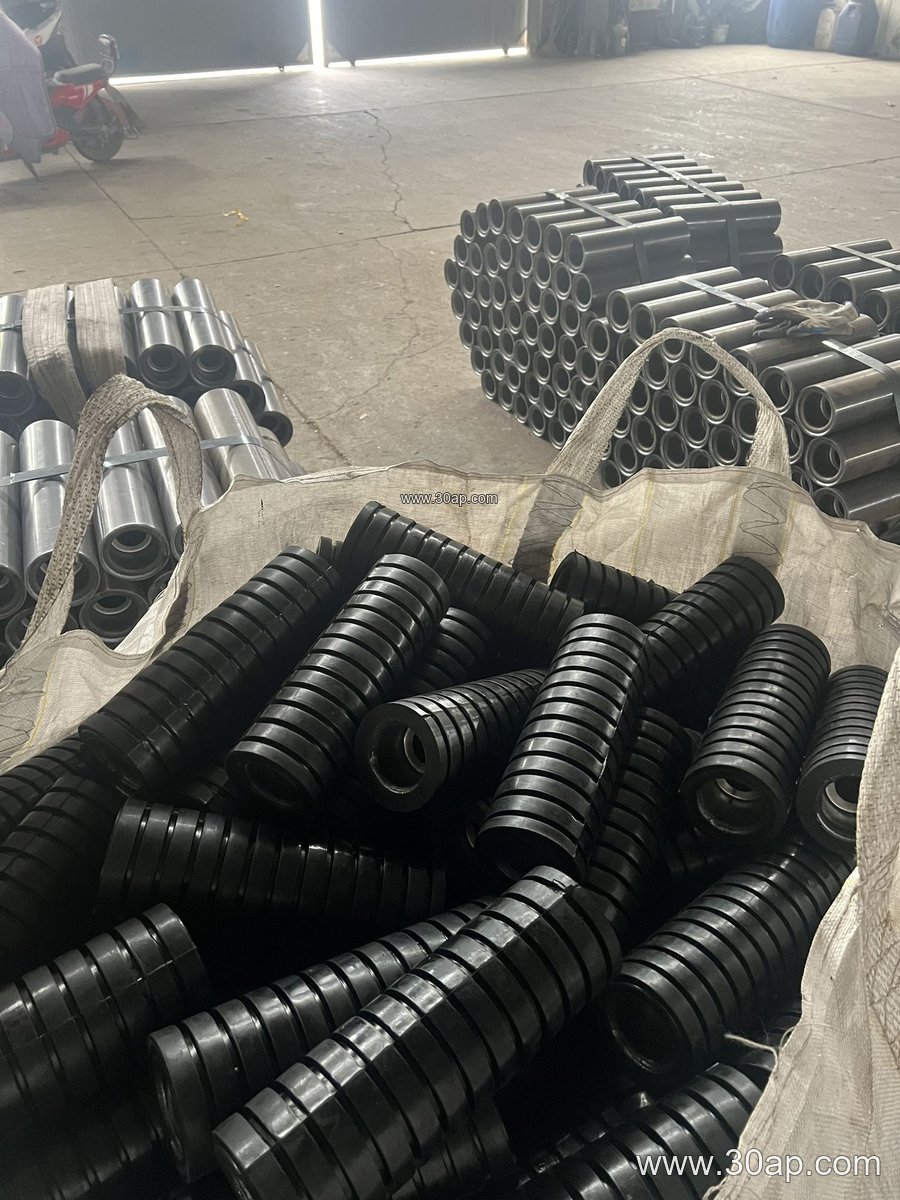
Construction and Working Principle
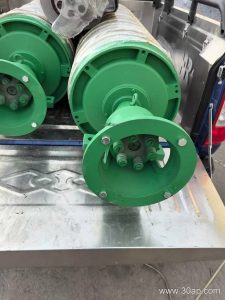
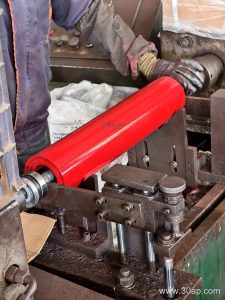
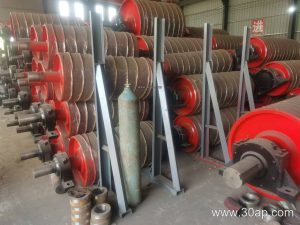
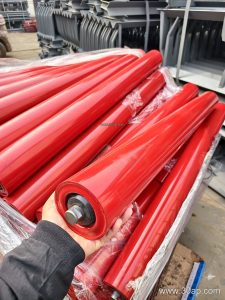
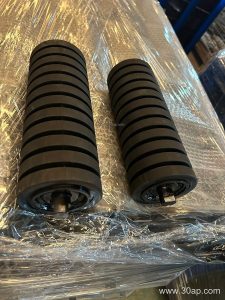
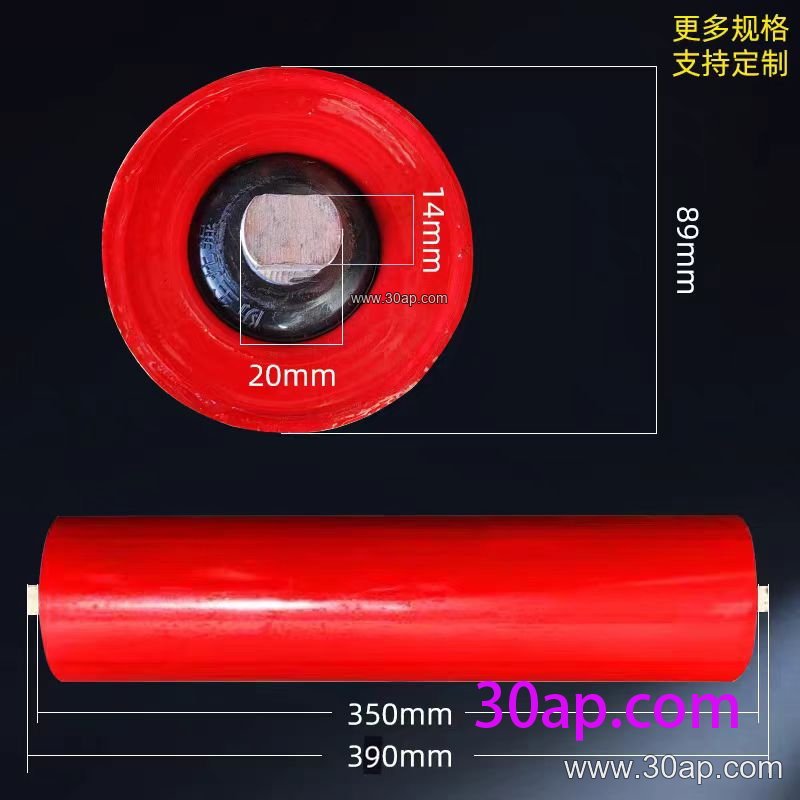
Most rotating self-aligning idlers use a sturdy frame that holds two or three rolls. The frame is mounted on a pivot bearing that allows the entire assembly to rotate slightly when the belt contacts the side guide rollers or when friction from a misaligned belt pushes against the rolls. This rotation creates a steering effect that guides the conveyor belt back toward the center line. Common roll diameters for this type include Ø89, Ø108, Ø127, Ø133 and Ø159, though the exact size depends on the conveyor design and belt width. Bearings such as 6205, 6305 or 6308 are often used, but a specific bearing is not tied to one roll diameter. Roll surfaces may be steel, rubber lagged or nylon depending on the environment. For dusty or wet conditions, sealed bearings and rubber-covered rolls help resist buildup and wear.
Where It Fits on the Conveyor
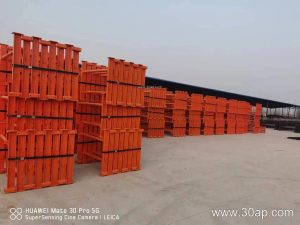
You will typically find rotating self-aligning idlers on the carrying side, especially before the head pulley or after the loading point where the belt is most likely to wander. They are also used on the return side to keep the belt centered on the return run. In a quarry conveyor line, a self-aligning idler might be placed after a crusher discharge to handle surge loads and keep the belt on track. In a coal mining conveyor or a power plant coal handling system, these idlers help maintain alignment through long transfer points. They work alongside conveyor brackets, conveyor pulleys and the conveyor belt itself. When paired with a well-trained belt and proper pulley alignment, a rotating self-aligning idler reduces edge damage and spillage.
Common Configurations and Size References
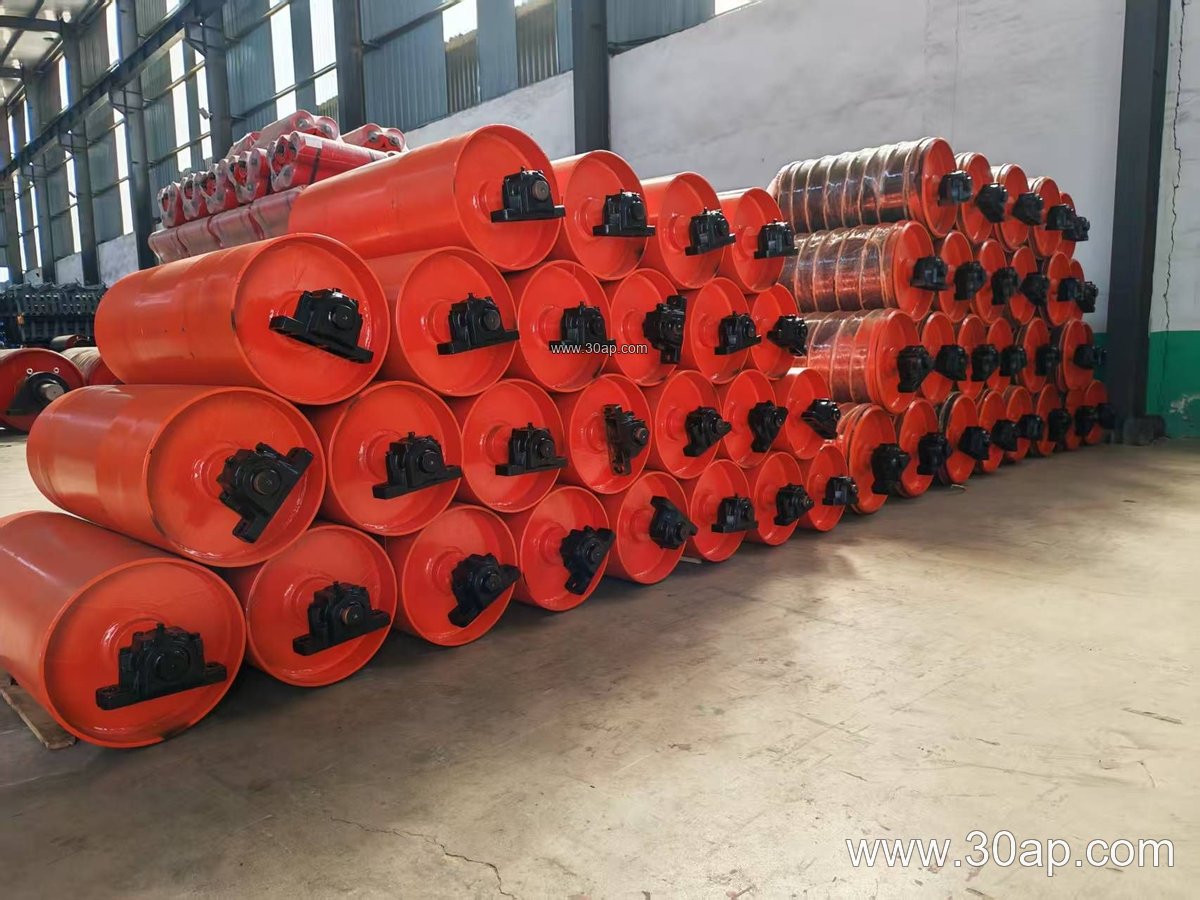
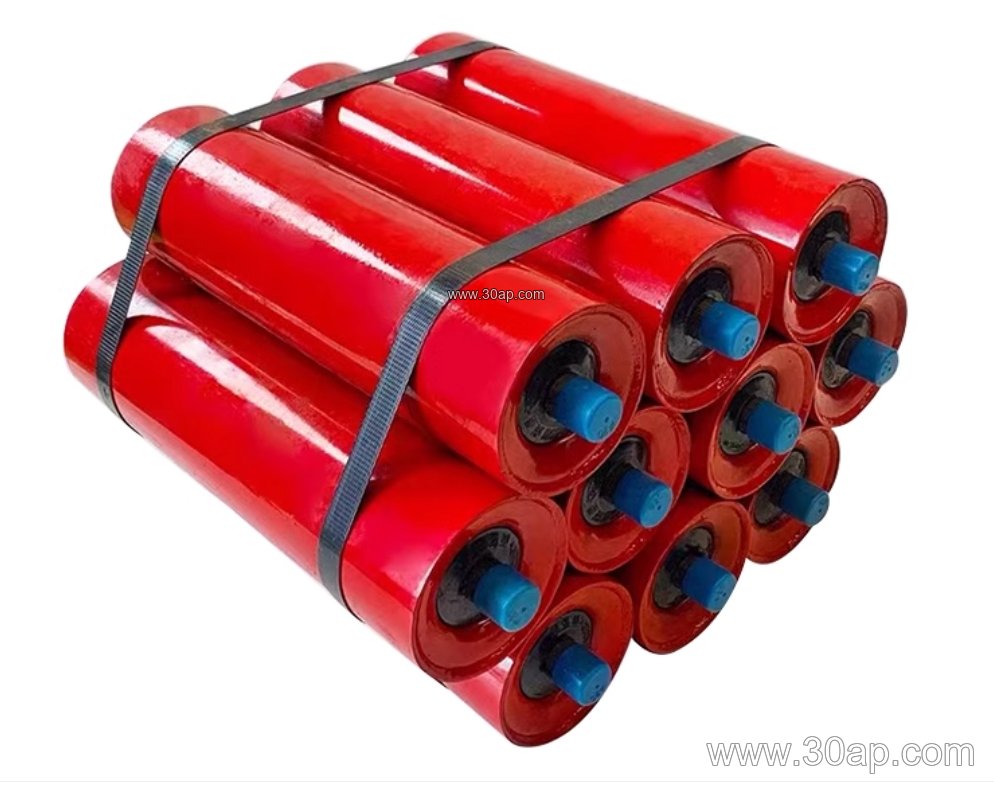
Rotating self-aligning idlers are available in two-roll and three-roll designs, with trough angles commonly 20, 30, 35 or 45 degrees. The idler length varies with belt width and trough angle. For reference, a three-roll troughing set might use roll lengths around 200 mm for B500, 250 mm for B650, 315 mm for B800, 380 mm for B1000, 465 mm for B1200, 530 mm for B1400, 600 mm for B1600 and 670 mm for B1800. These are common examples, not fixed rules; side rolls and center rolls can differ. The table below lists typical roll diameter and belt width pairings, but final selection should follow the conveyor design.
| Roll Diameter (mm) | Common Belt Width Range (mm) |
|---|---|
| Ø89 | B500 to B800 |
| Ø108 | B650 to B1000 |
| Ø127 | B800 to B1200 |
| Ø133 | B1000 to B1400 |
| Ø159 | B1200 to B1800 |
Keep in mind that a wider belt does not automatically require a larger roll diameter, and one belt width can work with several pulley diameters. Always confirm the idler load rating and shaft size with the conveyor designer.
Buyer Checklist
Before ordering a rotating self-aligning idler, check the belt width, trough angle, roll diameter and bearing type. Confirm whether the idler is for the carrying side or return side, because mounting arrangements differ. Ask about the roll surface: rubber lagging improves grip and reduces wear in abrasive conditions, while steel rolls suit cleaner environments. Verify the pivot mechanism for smooth rotation and adequate sealing against dust and water. In industries such as cement plants, steel mills, port terminals and aggregate operations, a self-aligning idler that rotates freely and resists contamination will last longer and protect the conveyor belt. Also consider the belt type in use, whether it is an EP conveyor belt, a steel cord conveyor belt or a heat resistant conveyor belt, because belt stiffness and weight affect tracking behavior. Finally, ensure the idler frame matches the conveyor bracket dimensions and that the installation allows the idler to rotate without obstruction.