What a Conveyor Carrying Bracket Does on the Line
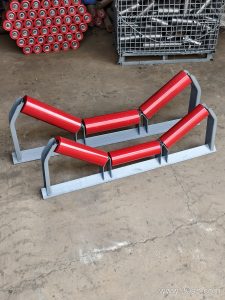
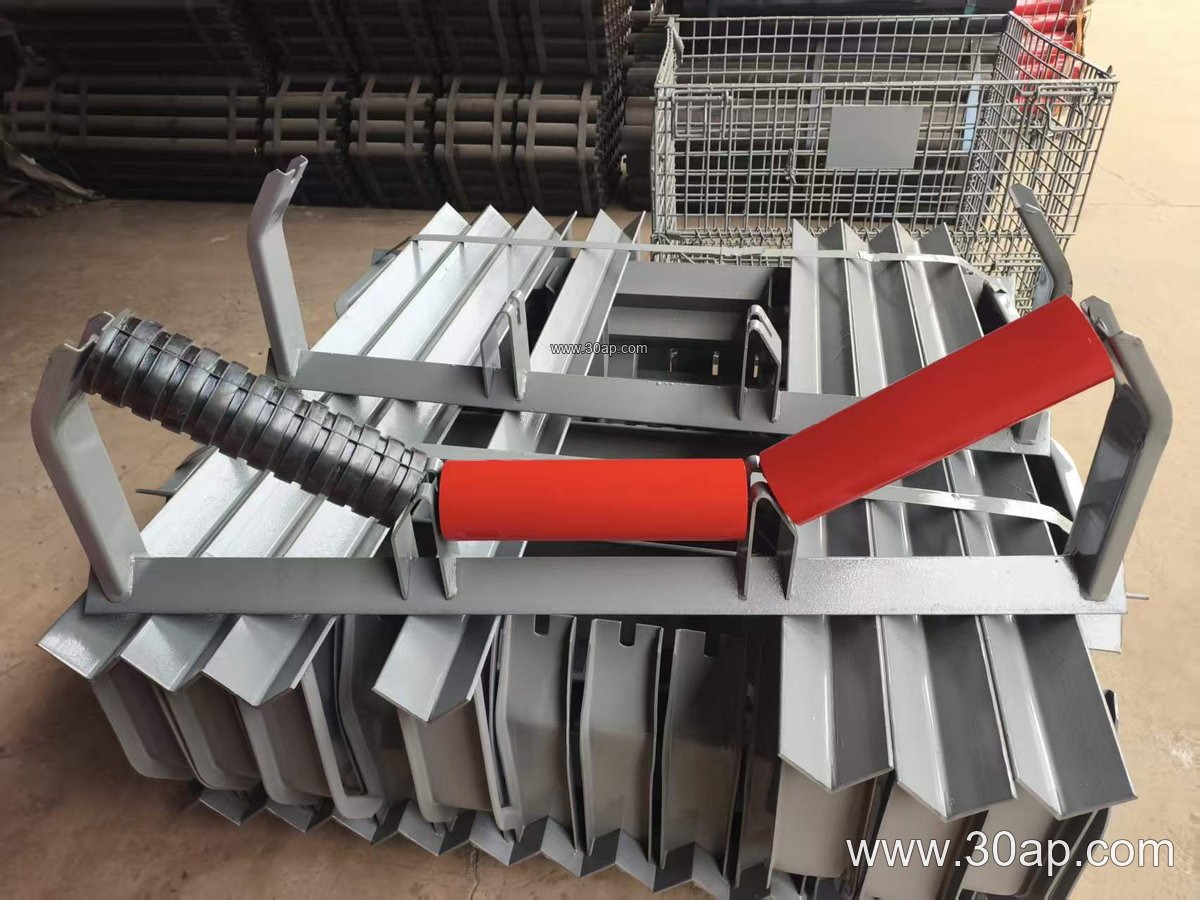
A conveyor carrying bracket is the steel support that holds the troughing idlers directly under the loaded strand of a belt conveyor. In everyday plant language it is also called a carrying idler bracket or troughing bracket, and it is the part that fixes the trough angle and keeps each idler roller at the correct height and spacing. On a quarry conveyor moving crushed stone, or a power plant coal handling line, this bracket is what turns a row of loose rollers into a stable carrying profile for the belt.
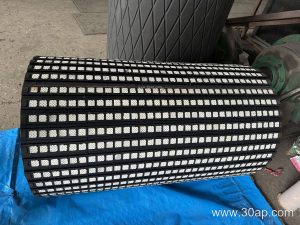
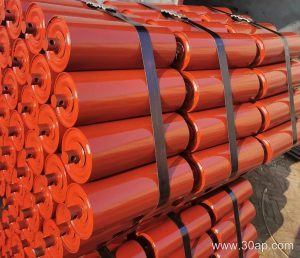
The bracket works together with the conveyor belt, the idler roller set and the conveyor pulley at each end of the run. If the bracket is weak or out of alignment, the belt sags between idlers, material spills, and the belt edge wears against the frame.
Construction and Common Forms
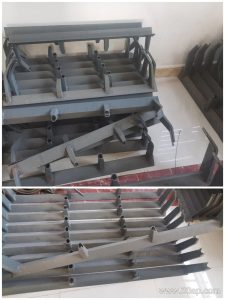
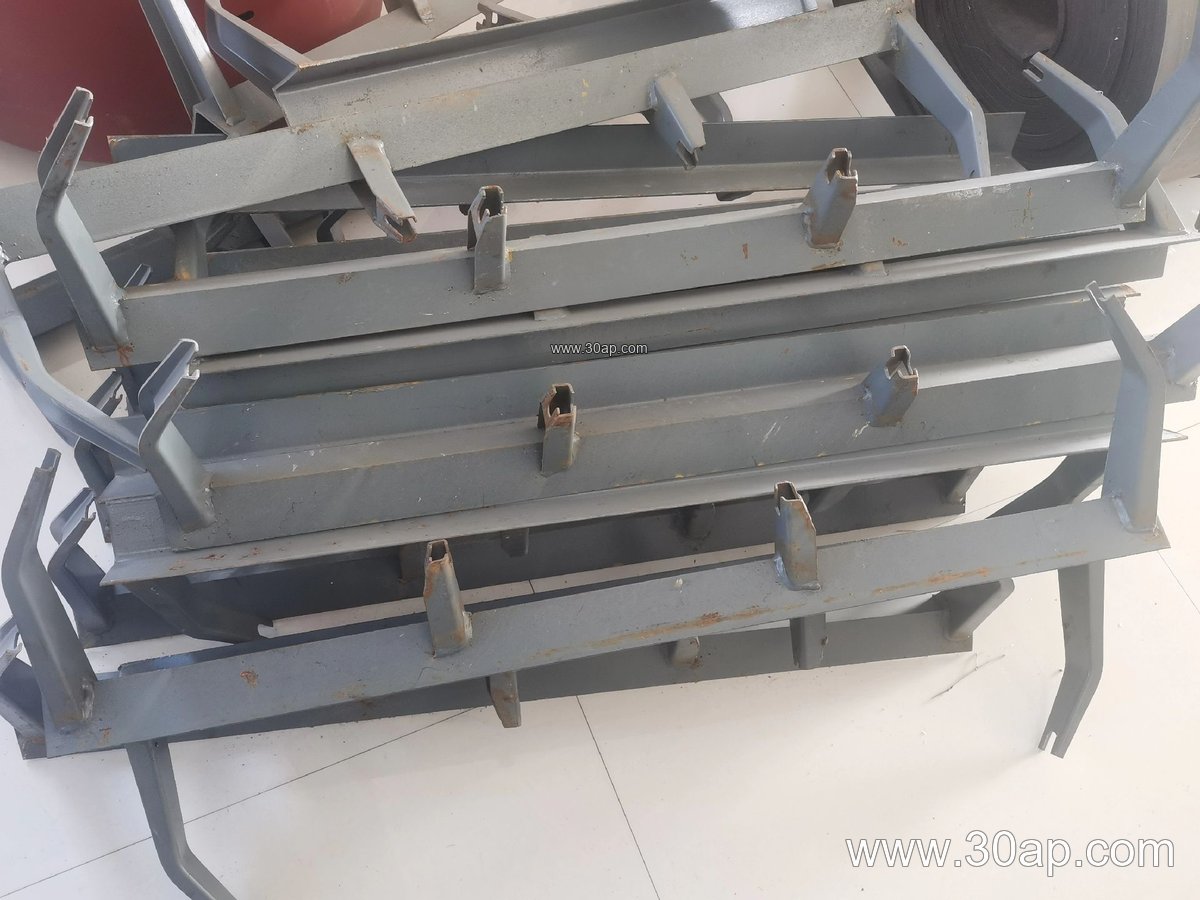
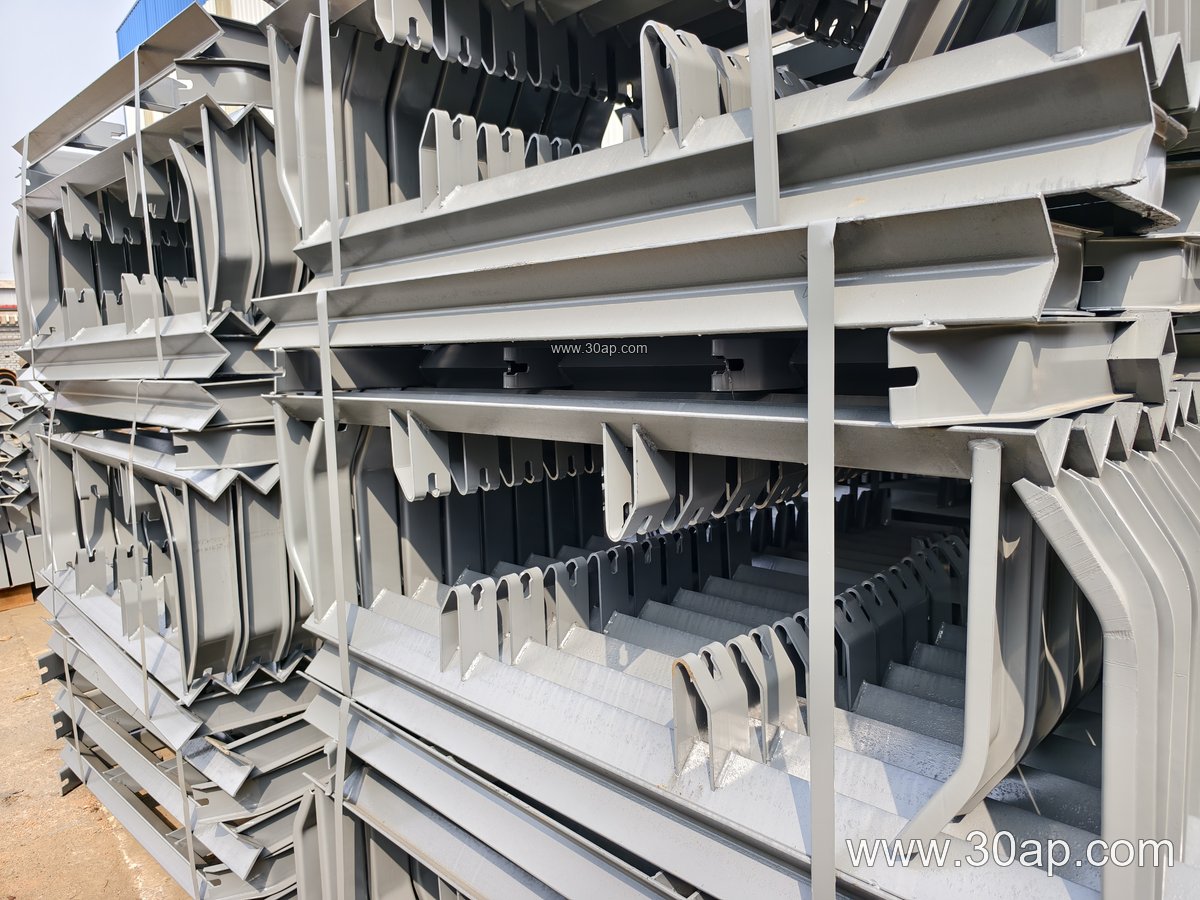
Most carrying brackets are fabricated from angle steel, channel steel or folded steel plate, then drilled for the idler shaft and bolted to the conveyor stringer. The bracket is not a single universal shape; the form follows the duty and the belt load.
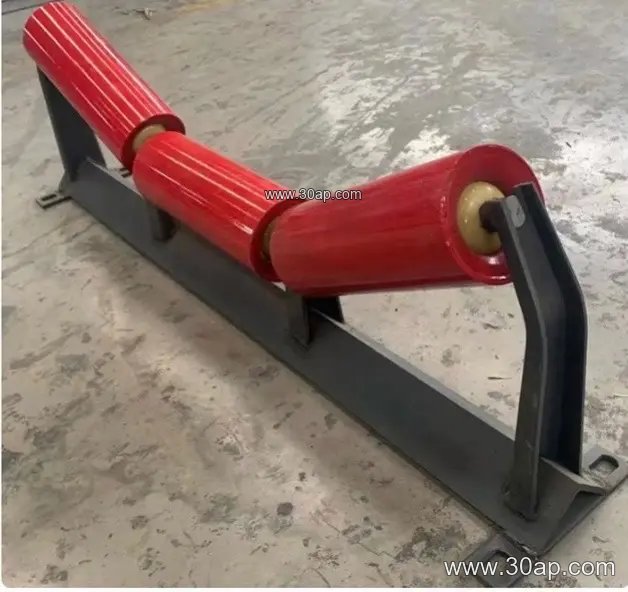
- Troughing bracket for the normal carrying side, fixed at a set trough angle
- Transition bracket near the tail or head, where the belt changes from flat to troughed
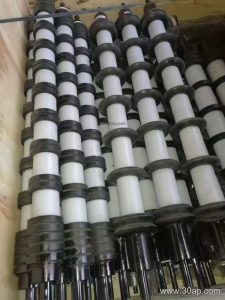
- Impact bracket under the loading point, usually paired with impact idlers and cushioning
- Self-aligning bracket that allows the idler set to pivot and correct belt drift
- Forward-tilted bracket, typically around 1.5 to 2 degrees, to help centre the belt
- Adjustable bracket, which lets maintenance staff change the trough angle on site
Return-side brackets are a separate family, such as flat return brackets and V-return brackets, and should be specified separately from the carrying side.
Matching Bracket, Belt Width and Idler Diameter
Belt width and idler diameter are chosen together, but there is no single fixed pairing. A B800 belt may run with Ø89 or Ø108 idlers depending on load and speed, while a B1200 line in a cement plant often uses Ø133 or Ø159. The bracket must be drilled to suit the actual idler shaft and the stringer spacing, and the crossbeam length changes with belt width and trough angle. Common reference combinations look like this:
| Belt width | Trough angle | Idler diameter | Typical use |
|---|---|---|---|
| B650 | 30 degrees | Ø89 | Aggregate and sand lines |
| B800 | 35 degrees | Ø108 | Crushing and screening plants |
| B1000 | 35 degrees | Ø133 | Cement and lime plants |
| B1200 | 45 degrees | Ø133 | Coal handling, port transfer |
| B1400 | 45 degrees | Ø159 | Iron ore and heavy bulk duty |
| B1600 and above | 35 to 45 degrees | Ø159 to Ø194 | Large tonnage mainlines |
These figures are common reference values, not a fixed rule. Mounting hole spacing and beam dimensions are determined by the conveyor design, and a wider belt does not automatically dictate one trough angle or one roller size.
Trough Angle Choices in Practice
A 20 degree bracket suits fragile material or a belt that must stay fairly flat. A 30 degree setting is a general-purpose choice for sand, gravel and grain. A 35 degree bracket is widely used in mining and cement lines because it increases capacity without over-compressing the belt. A 45 degree bracket gives the highest cross-section for fine, free-flowing bulk material. Adjustable brackets are useful where the material mix changes seasonally, since the same frame can be reset between these angles.
Where the Bracket Is Used
You will find carrying brackets on nearly every troughed conveyor: a limestone quarry feeding a crusher, a coal yard conveyor at a power station, a clinker line in a cement works, a fertilizer plant, or a tunnel spoil conveyor. The belt itself may be an EP conveyor belt, an NN conveyor belt or a steel cord conveyor belt, and the bracket still performs the same job of holding the idler set in position.
Buyer Checklist
- Confirm belt width, trough angle and idler shaft diameter before ordering
- State whether the bracket is fixed or adjustable
- Ask for the mounting hole spacing and stringer bolt pattern
- Check the steel section and finish for the site environment, especially wet or dusty conditions
- Order transition and impact brackets separately from standard carrying brackets
- Keep spare brackets for the loading zone, where damage is most likely
For related components, buyers often review conveyor bracket options, idler roller sets and conveyor pulley assemblies as one package, since bracket alignment, roller quality and pulley position all affect belt tracking.
A well-matched conveyor carrying bracket is a low-cost part that protects the belt, the idlers and the whole conveying route. Getting the geometry right at the ordering stage avoids breakdowns later in the quarry, the power plant or the cement mill.