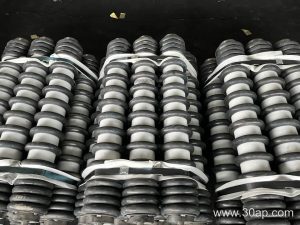
Idler Roller: Selection and Purchasing Guide
An idler roller supports and guides conveyor belts without driving them. Choose the right unit to cut downtime and energy costs.

Key Selection Factors
- Load capacity and belt width
- Bearing type: sealed vs. open
- Material: steel, stainless, or polymer
- Environmental resistance to dust and moisture
Purchasing Advice
Verify shaft diameter, mounting style, and rotation speed. Request load ratings and maintenance intervals. Standardize sizes across lines to simplify spares. Buy from suppliers offering test data and replaceable bearings.
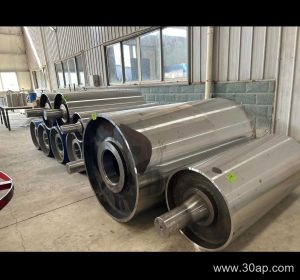
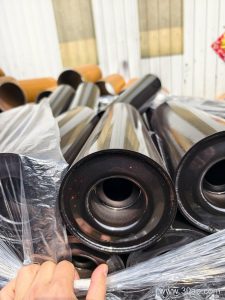
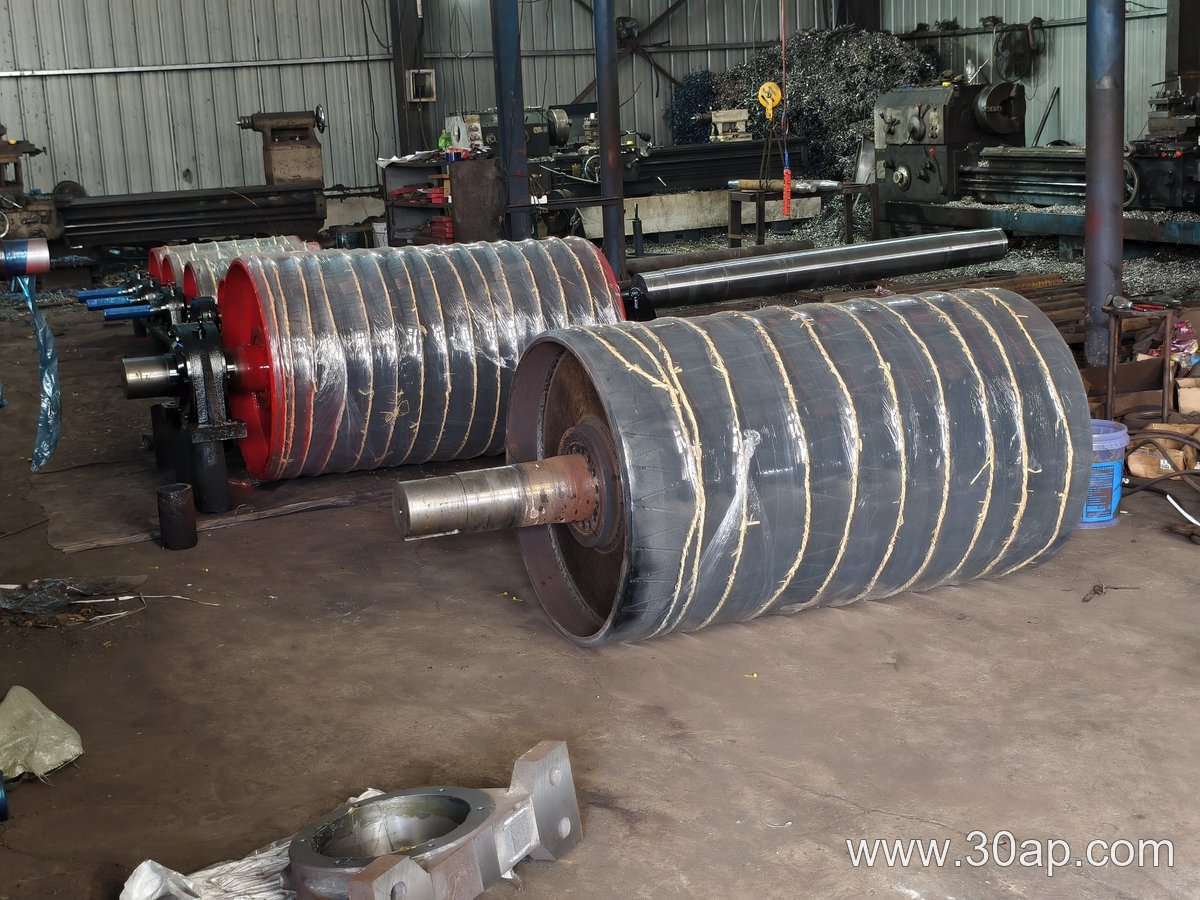
Conveyor Pulley Basics
The conveyor pulley drives and tensions the belt. Choose wisely for reliability.
Selection Tips
- Match diameter to belt speed and load.
- Use lagging for grip in wet conditions.
- Check shaft and bearing capacity.
Purchasing Advice
Compare crown profile, material, and warranty. Request load calculations and verify balance class.
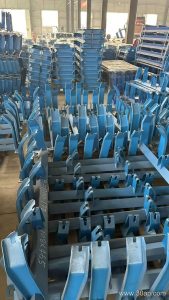
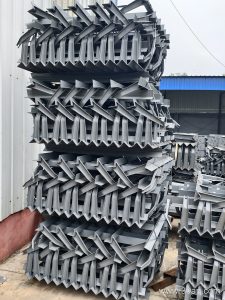
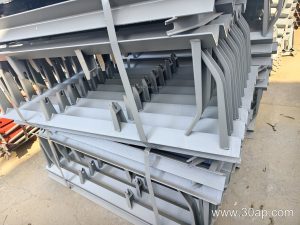
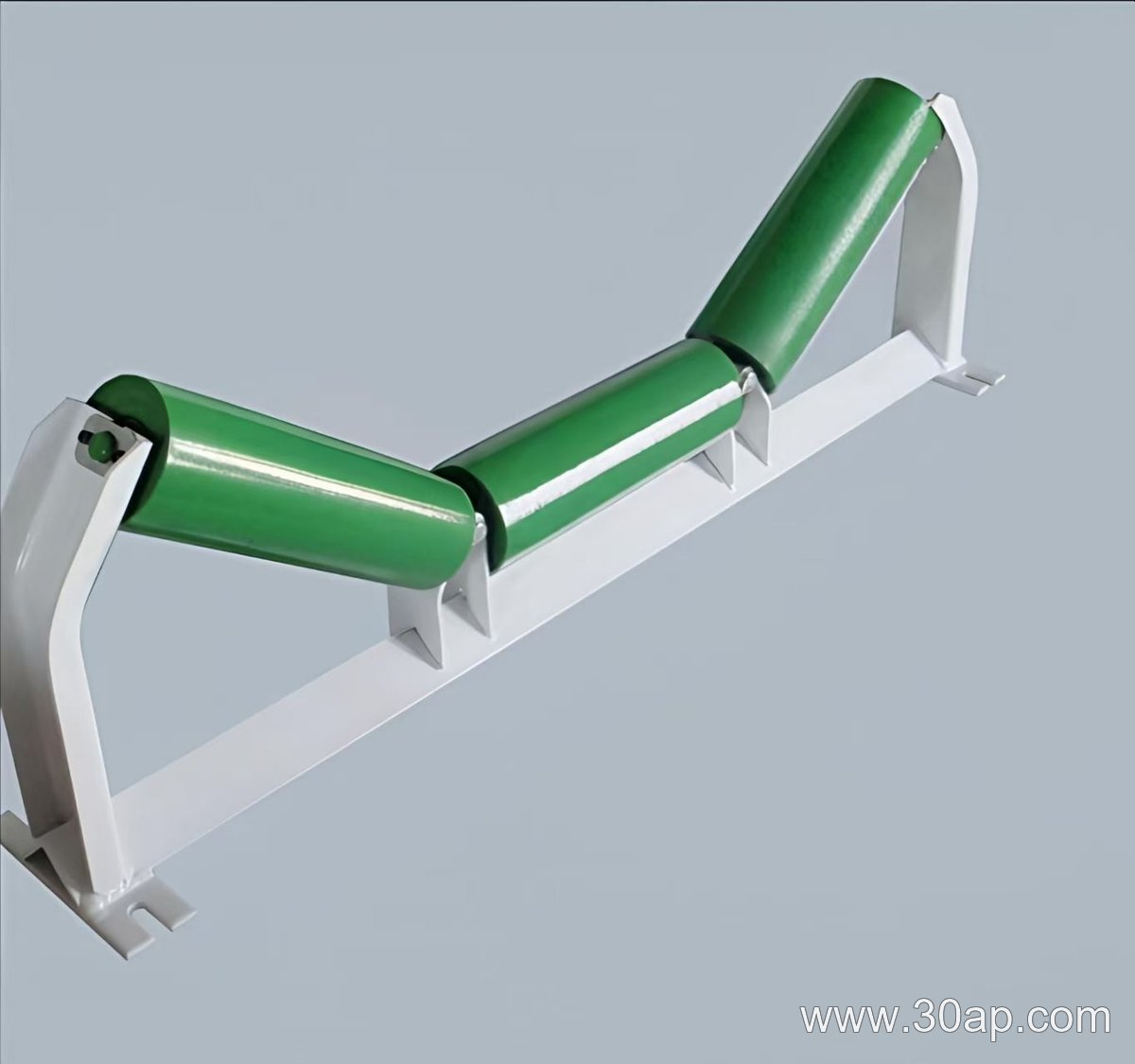
Conveyor Bracket: The Backbone of Your Conveyor System
A conveyor bracket secures rollers, idlers, and frames, ensuring smooth material flow. Choose the right bracket to reduce downtime and maintenance.
Selection and Purchasing Advice
- Match bracket material to load and environment (steel, stainless, polymer).
- Verify mounting dimensions and bolt patterns.
- Consider adjustable designs for easy alignment.
- Buy from suppliers offering load ratings and corrosion data.
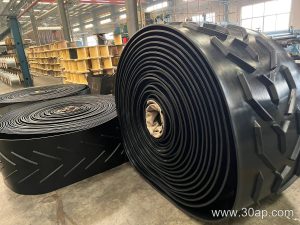
Conveyor Belt Selection and Purchasing Guide
A conveyor belt is the core of any bulk handling line. Match its cover compound, carcass, and splice to your material, load, and climate before you buy.

Key Purchasing Checks
- Confirm belt width, speed, and trough angle.
- Verify tensile strength, abrasion, and oil resistance.
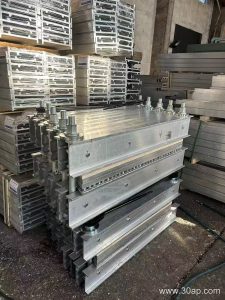
- Request export packaging and spare splice kits.