What a Conveyor Bracket Assembly Does
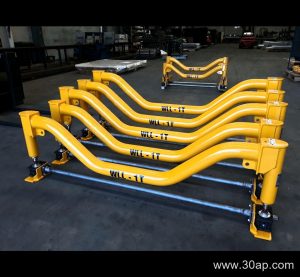
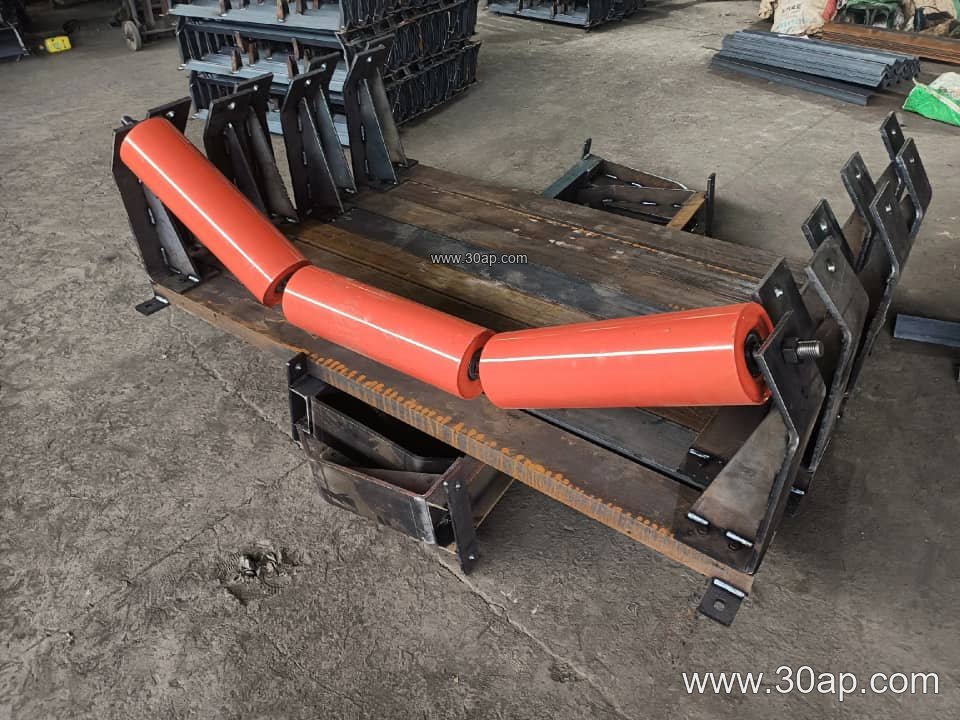
A conveyor bracket assembly is the support structure that holds idler rollers in the correct position under the conveyor belt. It connects the rollers to the conveyor frame and keeps the belt profile stable along the carrying and return sides. In a quarry or a coal handling system, this assembly is often the difference between a belt that tracks well and one that spills material or wears unevenly. The assembly is usually built from angle steel, channel steel, or folded steel plate, and it may be fixed or adjustable depending on the trough angle required.
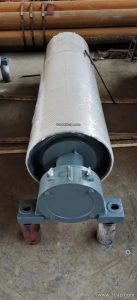
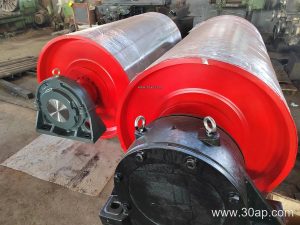
The term is sometimes shortened to conveyor bracket, but the assembly includes the mounting feet, cross beams, and roller seats that work together as one unit. It should not be confused with a drive pulley, tail pulley, or bend pulley, which are separate components with different functions.
How the Assembly Is Built
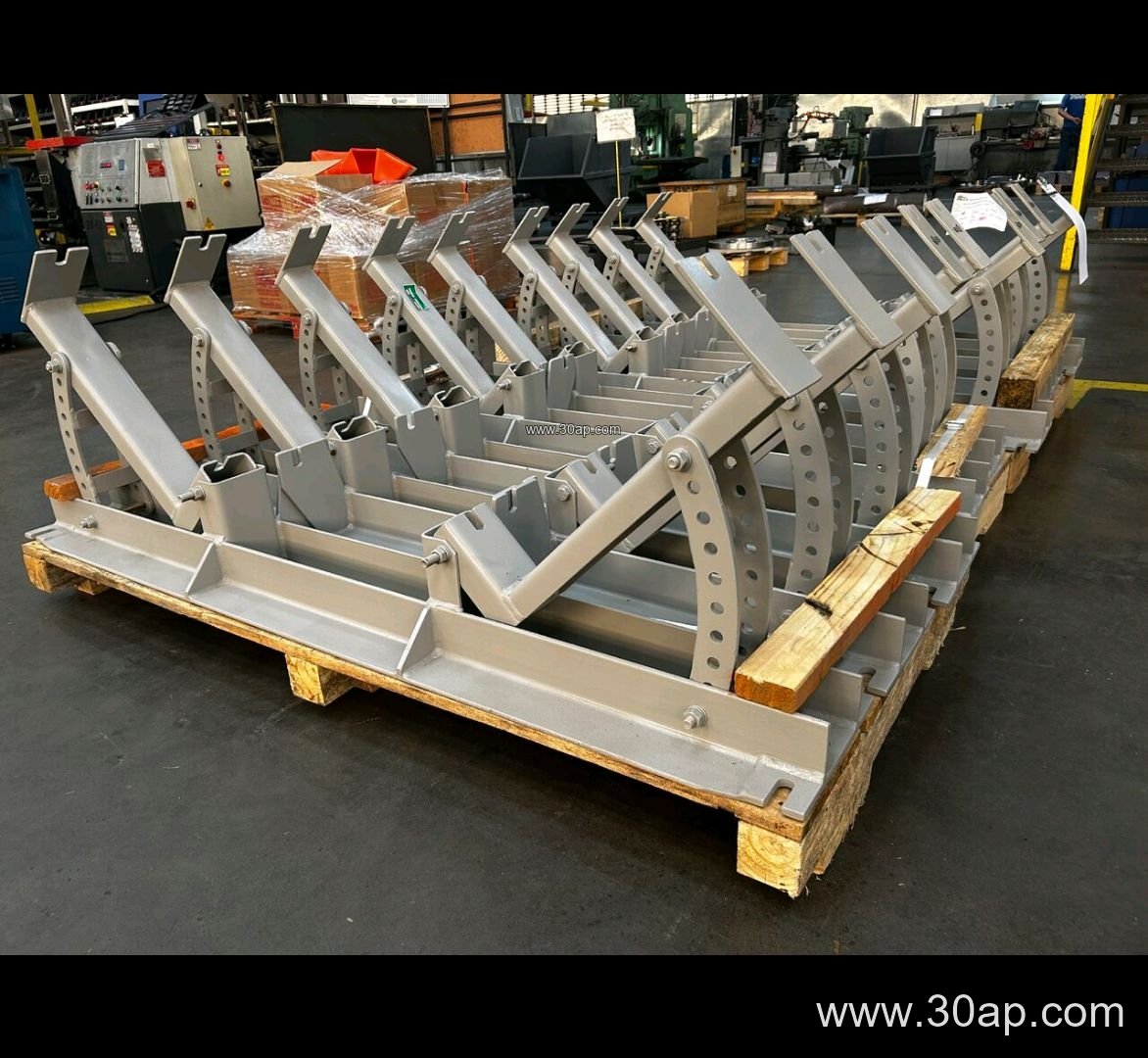
A typical assembly starts with a cross beam sized to the belt width. Roller seats are welded or bolted at the required trough angle, and mounting plates connect the frame to the conveyor stringers. For carrying idlers, common bracket types include the trough bracket, transition bracket, and impact bracket. On the return side, a flat return bracket or V-return bracket is used. Adjustable brackets allow the trough angle to be set between 20 and 45 degrees, while fixed brackets are welded at one angle. Forward-leaning brackets, often around 1.5 to 2 degrees, are used for training the belt.
Common Bracket Types and Uses
- Trough bracket – supports three-roller carrying sets at 20°, 30°, 35°, or 45°.
- Transition bracket – guides the belt from flat to troughed profile near pulleys.
- Impact bracket – reinforced for loading points where material falls onto the belt.
- Return bracket – holds flat or V-return rollers on the lower strand.
- Self-aligning bracket – allows slight movement to correct belt tracking.
Material choice matters in abrasive or corrosive environments. Angle steel and channel steel are common for general bulk handling, while folded plate may be used where a lighter or more compact frame is needed.
Matching Bracket, Roller, and Belt Width
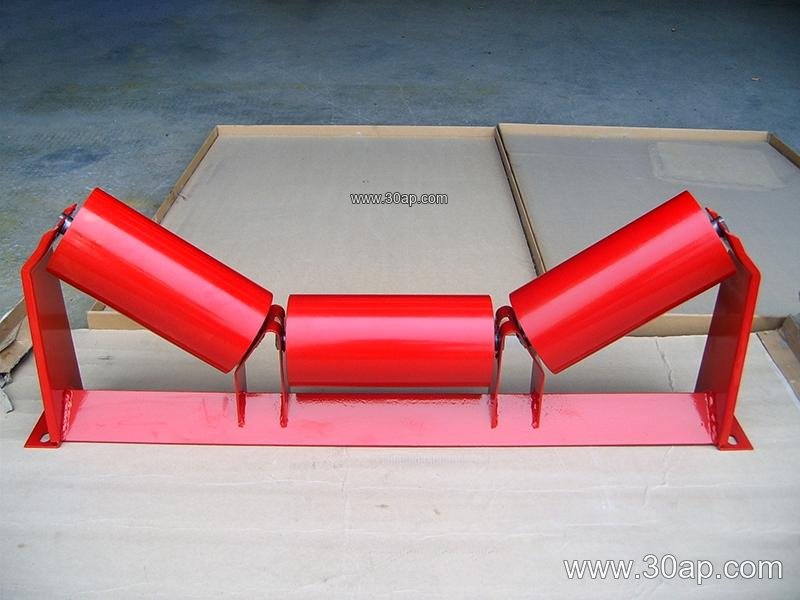
Bracket dimensions follow the belt width and the selected roller diameter. Commonly, a B800 conveyor may use a 35° trough bracket with Ø108 rollers, while a B1200 system might use a 45° bracket with Ø133 rollers. These are examples, not fixed rules, because the final combination depends on belt speed, material load, and frame design. A wider belt does not automatically dictate one roller diameter, and a given belt width can be paired with different trough angles or roller sizes according to the conveyor design.
| Belt Width | Typical Trough Angle | Common Roller Diameter |
|---|---|---|
| B650 | 30° | Ø89 |
| B800 | 35° | Ø108 |
| B1000 | 35°–45° | Ø108–Ø133 |
| B1200 | 35°–45° | Ø133 |
| B1400 | 35°–45° | Ø133–Ø159 |
| B1600 | 35°–45° | Ø159 |
Installation hole spacing and cross beam length change with belt width and trough angle, so these values should be confirmed against the conveyor drawing rather than assumed from a single size.
Where These Assemblies Are Used
In a limestone quarry or a sand and gravel line, trough brackets carry the belt through the crushing and screening section, while impact brackets sit under the loading point. In a coal-fired power plant, flame retardant and anti-static belt grades are common, and the bracket assembly must support idlers that keep the belt aligned through long transfer distances. A cement plant uses similar assemblies on clinker and raw material belts, where dust and heat resistance are important. The same bracket family also appears in iron ore handling, port loading, and tunnel spoil removal.
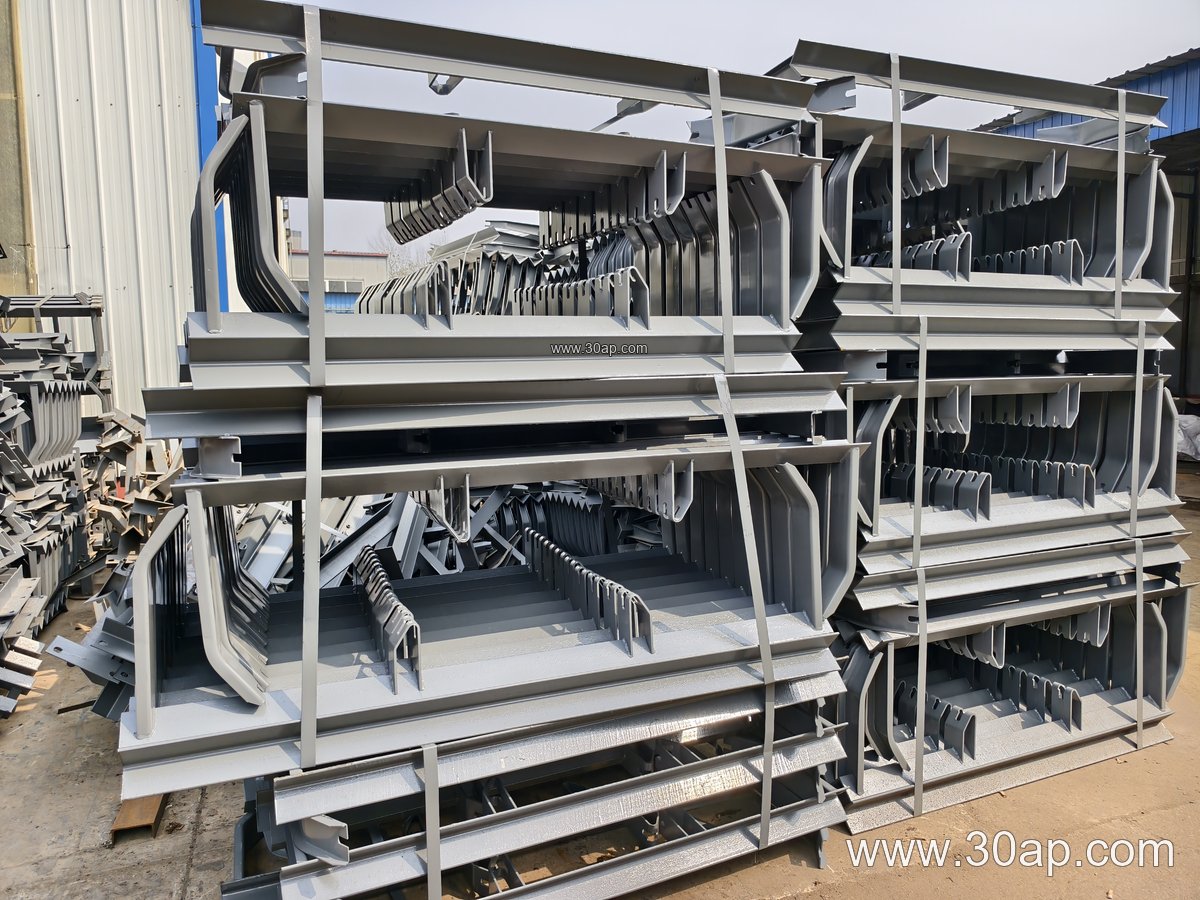
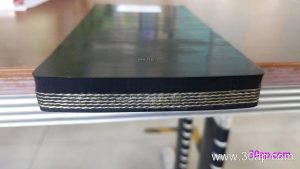
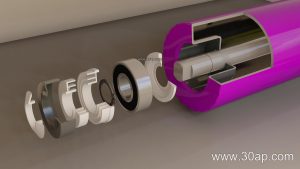
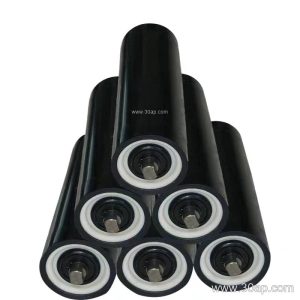
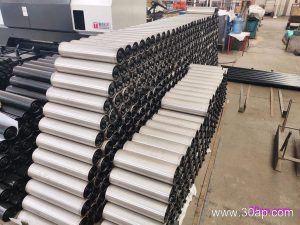
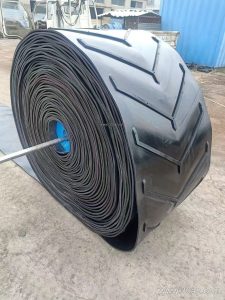
Related components include the conveyor pulley at the head and tail, the idler roller along the run, and the conveyor belt itself. A poor bracket fit can cause belt edge wear, roller misalignment, and material spillage, so the assembly should be checked together with the belt and rollers during maintenance.
Buyer Checklist
- Confirm belt width and required trough angle before ordering.
- Match roller diameter to the idler seat and frame height.
- Choose fixed or adjustable brackets based on whether the trough angle may change.
- Specify material and finish for dusty, wet, or corrosive conditions.
- Check mounting hole spacing against the existing conveyor stringer.
- For high-abrasion service, consider reinforced impact brackets at transfer points.
For more information on compatible conveyor components, visit www.example.com/conveyor-bracket or www.example.com/idler-roller. A well-matched conveyor bracket assembly keeps the belt profile steady and reduces wear on the belt, rollers, and pulleys.