What an Aggregate Production Line Idler Does
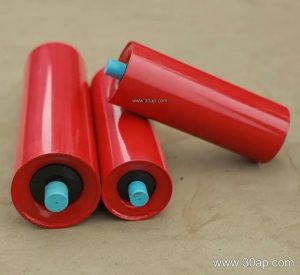
An aggregate production line idler is the rotating support that carries the conveyor belt along a crushing and screening circuit. In a sand and gravel plant, the belt leaving a jaw or cone crusher is often short, steep and heavily loaded, so the idlers must keep the belt tracking while absorbing impact and grit. The same component appears in a limestone quarry, a concrete batching plant and a tunnel muck line, and in each case its job is unchanged: hold the belt in a stable trough, let it roll freely, and keep dust out of the bearings. For a broader view of matching belts and rollers, see aggregate production line idler.
Where It Sits in the Circuit
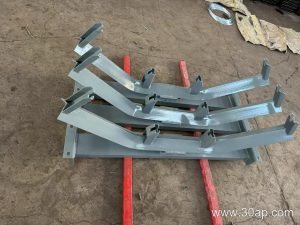
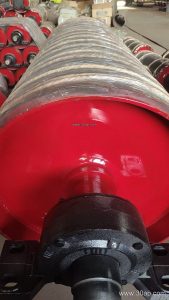
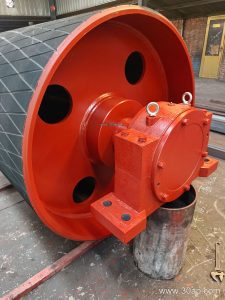
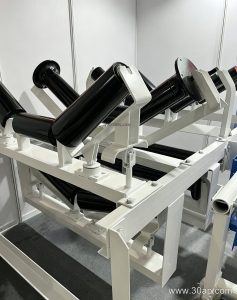
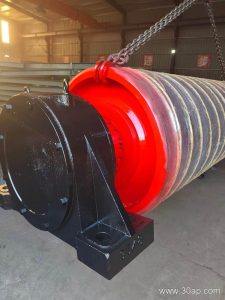
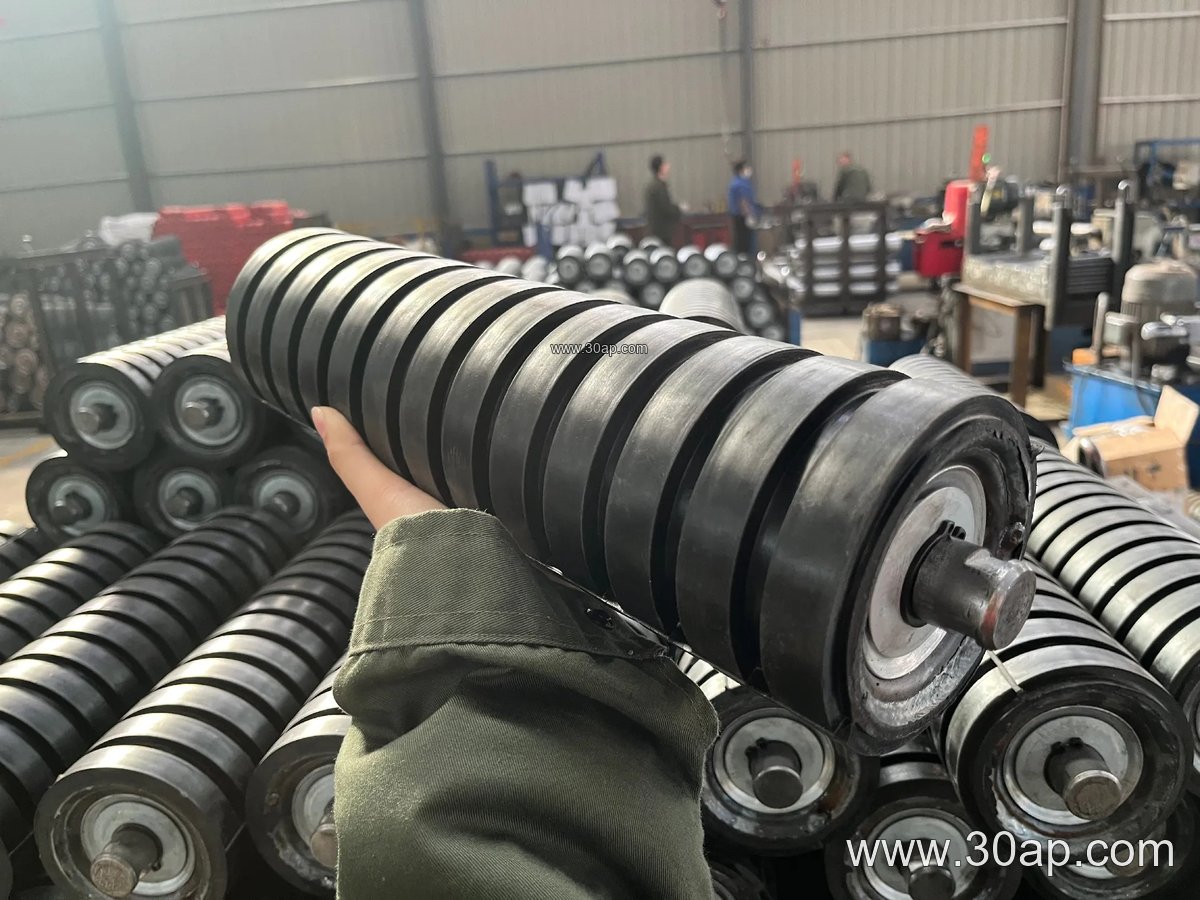
On a primary discharge conveyor, carrying idlers form the trough that contains coarse rock after the crusher. Impact idlers with rubber rings are common directly under the crusher outlet, where lump size is largest. Return idlers support the empty strand, often as a single flat roller or a V-shaped set that helps shed spillage. At the head and tail, the belt passes over a conveyor pulley, and the transition between pulley and first idler affects how the belt edges behave. The idler frame itself bolts to a conveyor bracket, which must align with the stringer so the whole set stays square to the belt path.
Construction Details That Matter
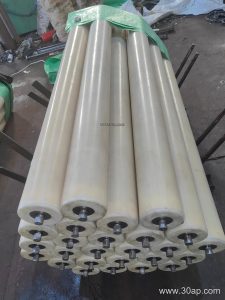
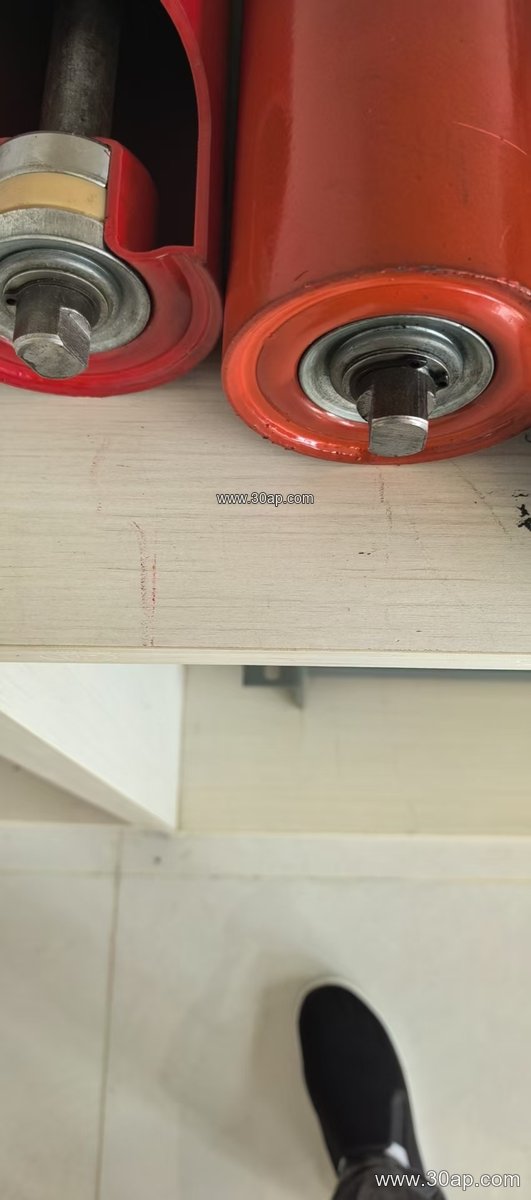
A typical idler uses a steel tube shell, pressed end caps, a shaft, and sealed ball bearings. Roller surfaces may be plain steel, nylon, ceramic-coated or fitted with rubber rings for cushioning. Bearing size is chosen with the load and speed, not with belt width alone; common bearings include 6204, 6205, 6305, 6306, 6308 and 6310, and the same bearing can appear on more than one roller diameter. Trough angle is usually 20, 30, 35 or 45 degrees, and three-roll sets are the norm on high-capacity aggregate belts. The table below gives common reference values, not fixed combinations.
| Item | Common reference values |
|---|---|
| Roller diameter | Ø63, Ø76, Ø89, Ø102, Ø108, Ø127, Ø133, Ø159, Ø178, Ø194, Ø219 mm |
| Belt width | B400, B500, B650, B800, B1000, B1200, B1400, B1600, B1800, B2000 mm |
| Trough angle | 20°, 30°, 35°, 45° |
| Roller surface | steel tube, nylon, ceramic, rubber ring |
| Bearing | 6204, 6205, 6305, 6306, 6308, 6310 |
| Idler set form | single roll, two-roll, three-roll trough |
Roller length changes with belt width and trough form. As a rough guide, three-roll trough sets may use about 200 mm rolls at B500, 250 mm at B650, 315 mm at B800, 380 mm at B1000, 465 mm at B1200 and 530 mm at B1400, but side rolls and center rolls often differ and the final figure comes from the conveyor design.
Matching Idlers to the Belt and the Load
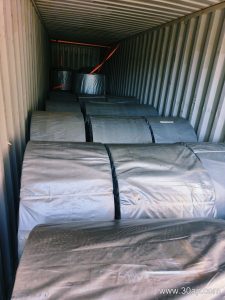
The belt under the idlers is just as important as the rollers. An abrasion resistant conveyor belt is a sensible pairing in a quarry where sharp crushed stone runs at speed, while a heat resistant conveyor belt may be needed near a dryer or in a cement plant kiln area. In a coal preparation plant or an underground coal mining conveyor, a flame retardant conveyor belt and anti-static properties are usually specified together. A heavy-duty mining conveyor belt with a fabric core, such as an EP conveyor belt or NN conveyor belt, behaves differently from a steel cord conveyor belt, and the idler spacing and trough depth are adjusted to suit belt stiffness and sag.
Buyer Checklist Before Ordering
- Confirm belt width, trough angle and whether the set is two-roll or three-roll.
- State the duty: primary crusher discharge, fines transfer, or return strand.
- Ask for the bearing designation and sealing arrangement, since dust ingress is the main cause of seized rollers.
- Check roller diameter against belt speed and load rather than copying a neighboring line.
- Verify bracket dimensions and hole spacing so the idler fits the existing stringer.
- Decide whether impact idlers, rubber ring idlers or self-aligning idlers are needed at transfer points and curves.
In a cement plant, a power plant coal yard or an iron ore terminal, small differences in idler quality show up as belt wander, spillage and shortened belt life. Buying idlers that match the actual belt, load and environment is more useful than choosing the largest size available. For related belt and roller information, visit conveyor idler roller and conveyor pulley.