What Pulley Custom Machining Covers
Pulley custom machining is the engineering and fabrication of conveyor pulleys to a specific duty rather than to a catalogue default. Instead of picking a stock shell and hoping it fits, the buyer defines belt width, load, wrap angle, environment and shaft interface, and the shop turns those inputs into a finished drum with the right diameter, face length, lagging and hub arrangement. In a quarry, a cement plant or a port bulk terminal, the difference between an off-the-shelf part and a machined one often shows up in belt tracking, splice life and bearing temperature.
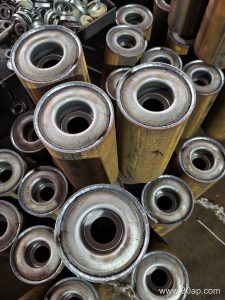
The work usually combines three stages: shell and end-disc fabrication, machining of the shaft and hub fits, and surface preparation before lagging. Tolerances on concentricity and runout matter because a conveyor belt running at speed amplifies even small deviations into vibration and edge wear.
How a Machined Drum Is Built
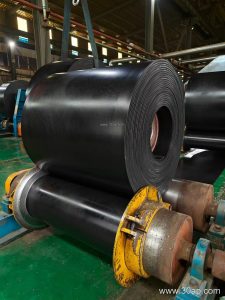
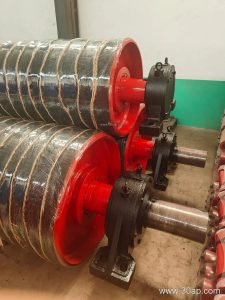
A typical build starts with a rolled steel shell, welded to end discs and a hub set. The shaft is machined to the bearing and coupling dimensions required by the drive or take-up arrangement, and keyways, shrink fits or locking assemblies are cut to suit. After welding, the assembly is stress-relieved where the design calls for it, then machined so the shell face and the shaft centreline stay true to each other.
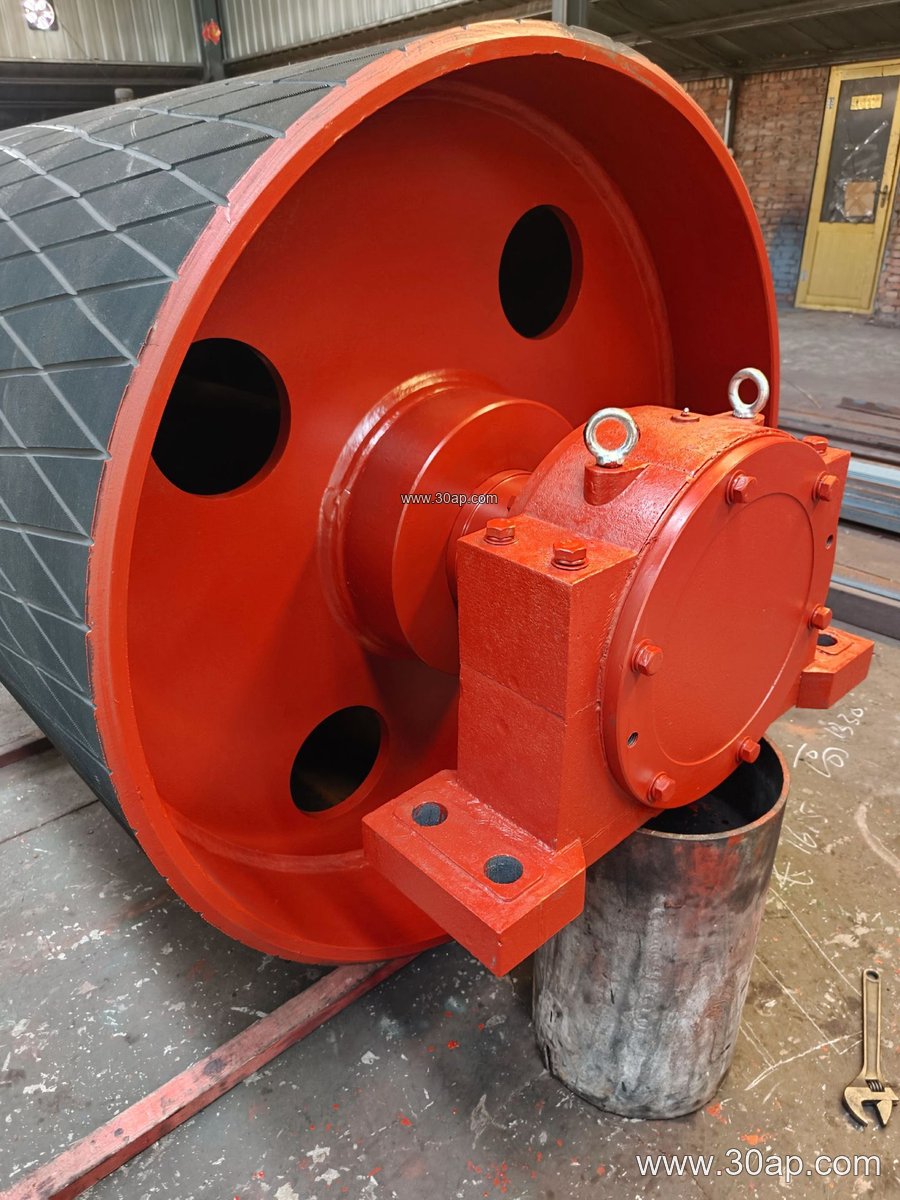
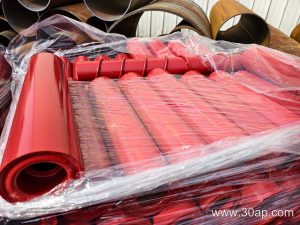
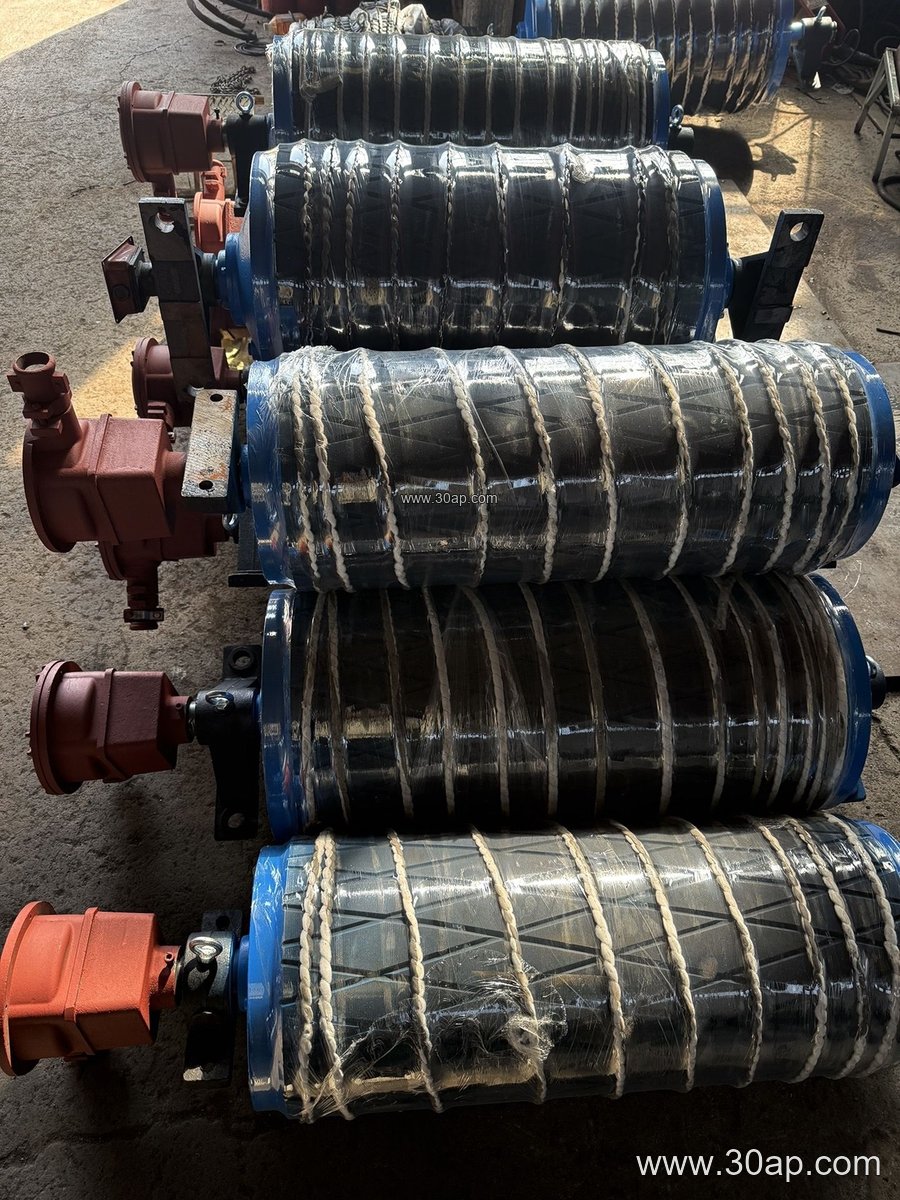
Balance is the next checkpoint. Pulleys that run at higher speeds or carry heavy tension benefit from dynamic balancing, and the shop should confirm the balance grade against the intended peripheral speed. Finally, the surface is prepared for lagging: plain finish, hot vulcanised rubber, cold-bonded rubber, cast rubber, diamond or herringbone grooving, or ceramic tiles. Lagging thickness commonly ranges from 8 mm to 20 mm depending on grip and wear requirements.
Common Reference Dimensions
The figures below are reference ranges, not fixed pairings. A given belt width can be served by more than one diameter, and shaft size follows torque and load rather than belt width alone.
- Belt widths: B400, B500, B650, B800, B1000, B1200, B1400, B1600, B1800, B2000
- Diameters: Ø200, Ø250, Ø315, Ø400, Ø500, Ø630, Ø800, Ø1000, Ø1250
- Face width examples: B800 about 950 mm, B1000 about 1150 mm, B1400 about 1600 mm
- Shaft diameters: Ø50, Ø60, Ø70, Ø80, Ø90, Ø100, Ø120, Ø140, Ø160, Ø180, Ø200
Useful combinations such as B800 × Ø500 or B1400 × Ø800 appear in real projects, but they are design outcomes, not rules.
Where the Different Positions Matter
A drive pulley transmits torque and needs a shaft and hub connection sized for the full starting load, plus lagging that grips without slip. A tail pulley at the loading point sees material impact and fines, so self-cleaning features and wear-resistant lagging help. A bend pulley changes belt direction with a smaller wrap and lighter duty, while a take-up pulley works with the tensioning system and must allow smooth axial movement. These are separate roles; a bend pulley is not a substitute for a drive pulley, and a tail pulley cannot simply be swapped into a drive position.
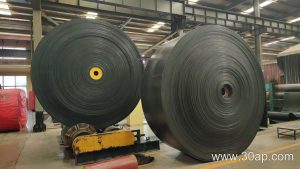
The belt itself shapes the choice. A heavy-duty mining conveyor belt or a steel cord conveyor belt carrying iron ore demands a robust shell and strong lagging, while a fabric core conveyor belt on a shorter aggregate line may need less. In coal mining, flame retardant conveyor belt and anti-static conveyor belt requirements extend to the rubber used on the drum surface, so the lagging specification should be agreed together with the belt.
Applications Across Bulk Handling
Custom-machined pulleys appear wherever a conveyor belt turns. In a limestone quarry they sit on crusher discharge and screening lines; in a coal washing plant they handle wet, abrasive feed; in a power plant coal yard they work under dust and continuous duty; in a cement plant they move clinker and raw meal at high temperature. Port ship loaders and stockyard conveyors use larger diameters for high tension, and tunnel muck removal relies on compact, well-sealed units.
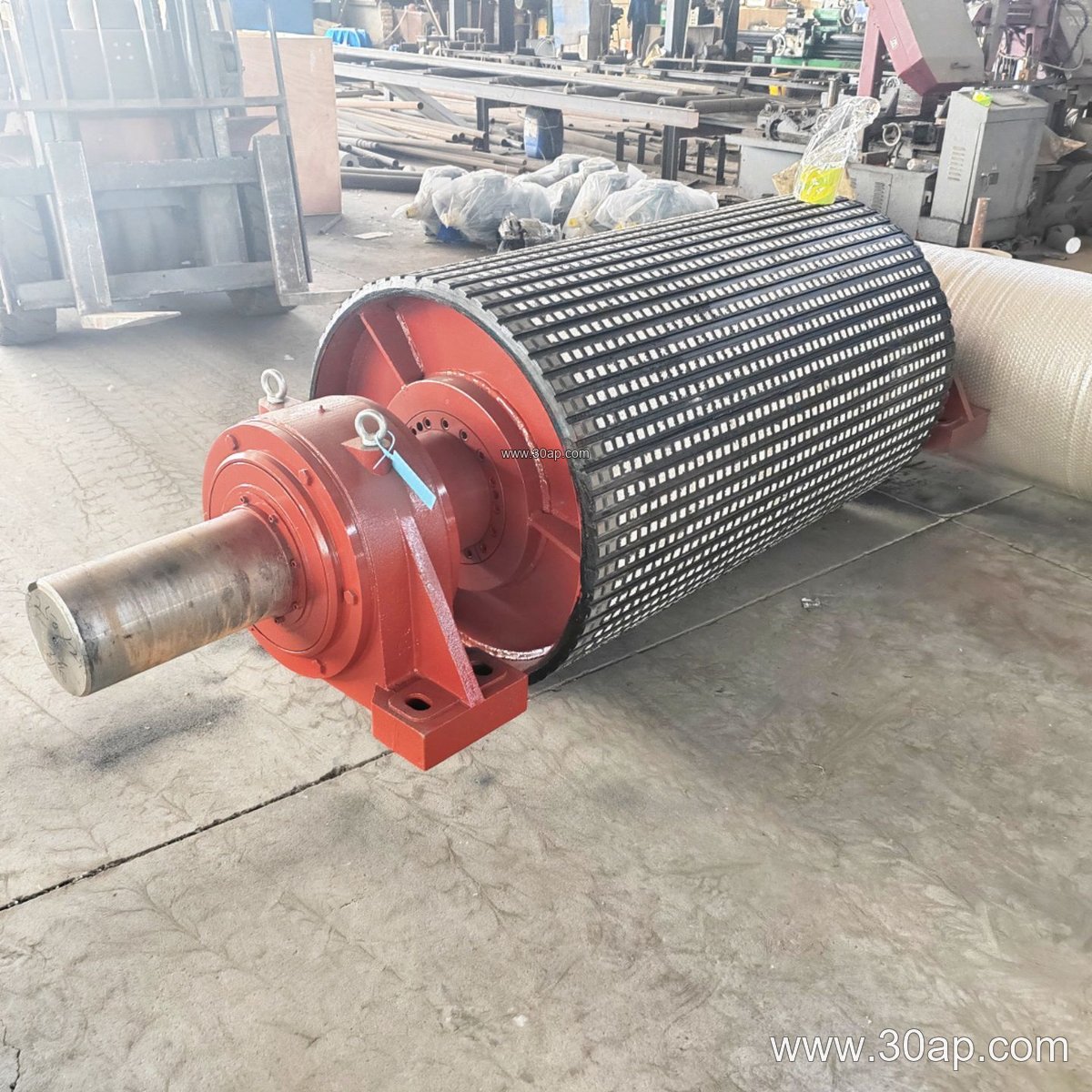
Matching the drum to the belt type pays off. An abrasion resistant conveyor belt and a ceramic-lagged pulley form a durable pair on sharp rock, while a heat resistant conveyor belt calls for lagging that tolerates elevated temperature. On pipe conveyor belt and corrugated sidewall conveyor belt systems, the pulley face and edge clearance need extra attention during machining.
What Buyers Should Specify
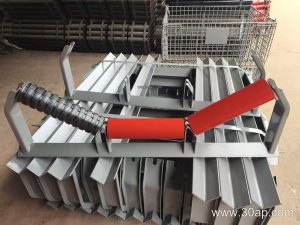
A clear enquiry shortens lead time and reduces rework. Buyers should provide belt width, belt type and tension, pulley position, required diameter and face length, shaft and bearing details, lagging type and thickness, and the operating environment. It also helps to state the conveyor bracket or bearing housing interface and whether a conveyor pulley will be supplied with bearings, locking assemblies or a complete drive package.
Ask for the inspection record: shell runout, shaft dimensions, weld quality, balance report and lagging hardness. Confirm how the pulley will be protected in transit, since a machined face and fresh lagging damage easily. Finally, keep spare idler roller and pulley inventories aligned with the same drawing revisions so replacements fit without modification.