What a Friction-Type Self-Aligning Idler Does
A friction-type self-aligning idler is a training idler that uses the friction between the rotating roller and the conveyor belt to correct belt misalignment. Unlike fixed troughing idlers, this idler is mounted on a pivot or swivel mechanism that allows the entire idler set to rotate slightly when the belt drifts to one side. The friction between the belt and the roller surface generates a steering force that gently guides the belt back to the center line. This makes it a practical choice for keeping a conveyor belt on track in bulk material handling operations, from a quarry conveyor belt to a coal mining conveyor belt.
Also known as a friction self-aligning idler or friction training idler, this component is distinct from other idler types such as impact idlers or return idlers. It is typically installed on the carrying side, often before the drive pulley or after the tail pulley, where belt tracking is critical.
Construction and Working Principle
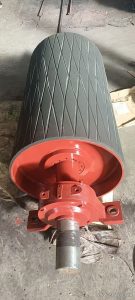
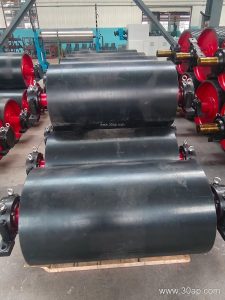
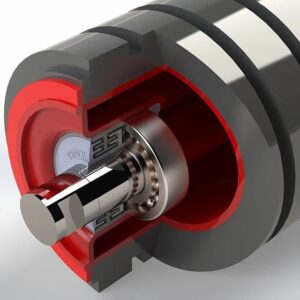
The idler consists of a standard roller shell—commonly steel, nylon, or rubber-covered—mounted on a frame that can pivot horizontally. The pivot point is usually located at the center of the idler set. When the belt runs true, the idler remains in its neutral position. If the belt shifts to one side, the increased friction on that side causes the idler to rotate slightly around its pivot. This angular movement creates a steering effect on the belt, pushing it back toward the center. The self-aligning action is purely mechanical and requires no external power or sensors.
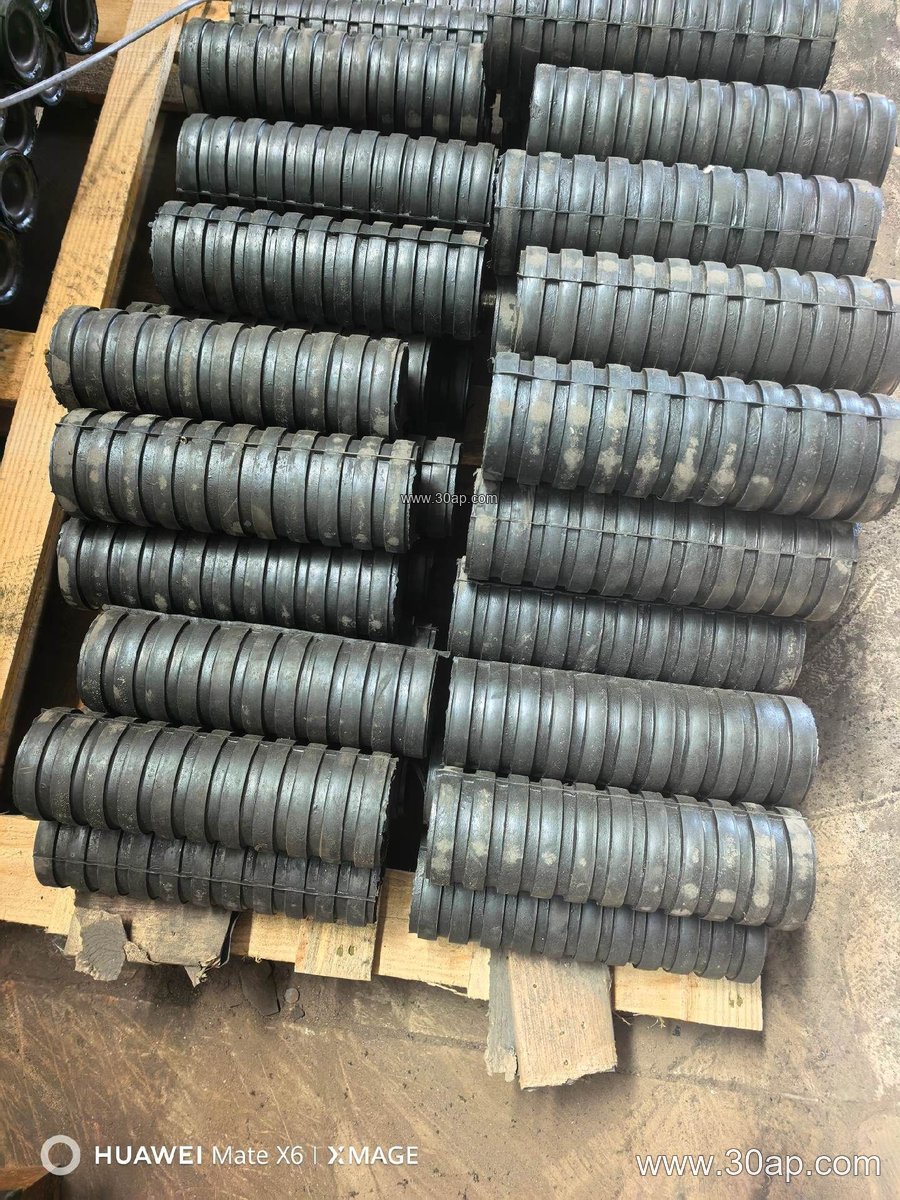
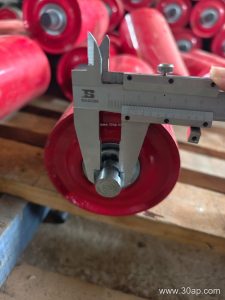
Common roller diameters for this type include Ø76, Ø89, Ø102, Ø108, Ø127, and Ø133 mm, with bearing sizes such as 6204, 6205, 6305, and 6306. The roller length depends on the belt width and trough angle; for example, a three-roll troughing set for a 1000 mm belt may use rollers around 380 mm long, while a 1400 mm belt may use about 530 mm. These are typical references, not fixed rules—side rollers and center rollers can differ.
Where It Fits in a Conveyor System
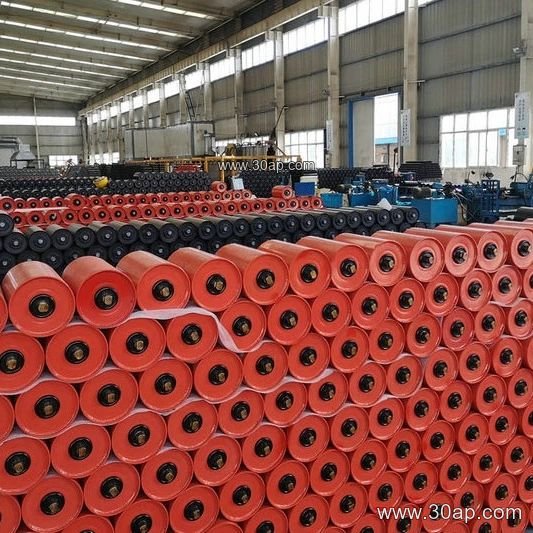
Friction-type self-aligning idlers are widely used in industries where belt misalignment causes spillage, edge damage, or premature wear. You will find them in limestone mines, iron ore processing plants, cement plants, power plant coal handling, and aggregate crushing lines. They are especially valuable on long overland conveyors and in tunnels where access for manual adjustment is limited. In a typical setup, a few self-aligning idlers are placed at intervals along the carrying side, often near the head pulley and tail pulley, and sometimes on the return side as well.
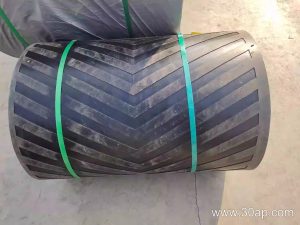
They work alongside other components such as the conveyor pulley, conveyor bracket, and idler roller to maintain belt stability. For operations using a heavy-duty mining conveyor belt or an abrasion resistant conveyor belt, the self-aligning idler helps extend belt life by reducing edge wear and material spillage.
Key Selection and Maintenance Points
When choosing a friction-type self-aligning idler, consider the belt width, trough angle, and the load carried. Standard belt widths range from B400 to B2400, and trough angles are commonly 20, 30, 35, or 45 degrees. The idler should match the existing troughing configuration to ensure proper belt support. Roller surface options include steel, nylon, ceramic, and rubber rings—rubber rings can provide extra grip for friction-driven alignment.
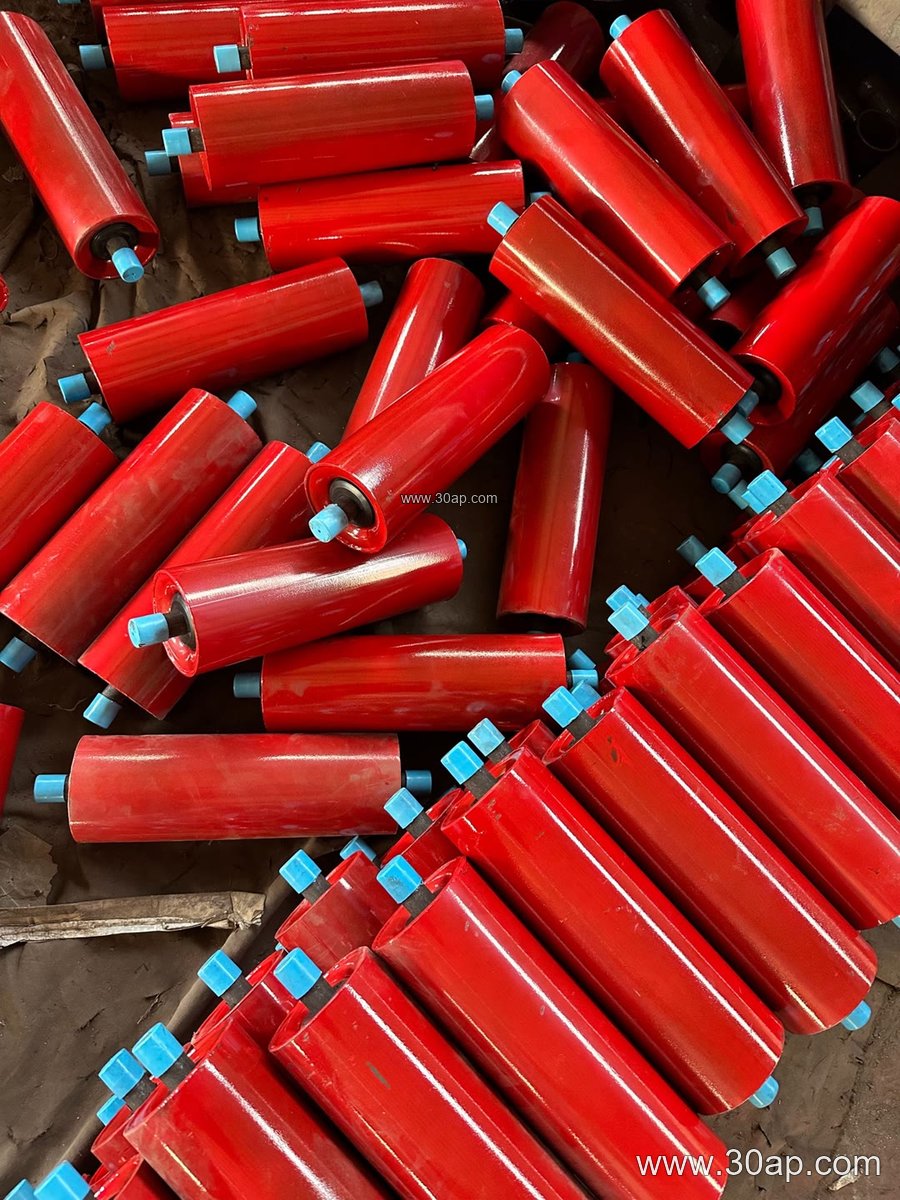
Maintenance is straightforward: inspect the pivot mechanism for free movement, check roller rotation for smoothness, and ensure the friction surfaces are clean. Worn bearings or a seized pivot will reduce the self-aligning effect. Regular lubrication of the pivot points and bearing replacement when necessary will keep the idler functioning correctly.
For more information on conveyor components and belt selection, visit our site at www.example.com/conveyor-idler or www.example.com/self-aligning-idler. Our range includes EP conveyor belt, steel cord conveyor belt, and flame retardant conveyor belt options to suit various industrial applications.
- Check belt width and trough angle before ordering.
- Confirm roller diameter and bearing size with your conveyor design.
- Install self-aligning idlers at recommended spacing for best tracking.
For harsh environments such as underground coal mining conveyor belt systems, consider idlers with enhanced sealing and corrosion protection. Always refer to the conveyor manufacturer’s layout for the correct number and position of self-aligning idlers.