Introduction to V-Type Idler Bracket Mechanics
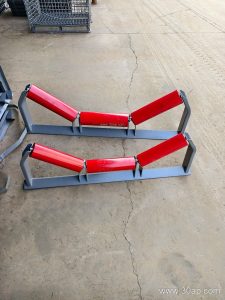
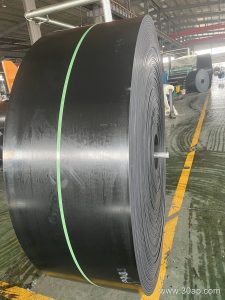
In heavy-duty bulk material handling systems found within a modern Steel Plant Conveyor Belt layout, maintaining proper alignment and support for the lower belt strand is critical. The V-Type Idler Bracket serves as a specialized structural assembly designed to hold return rollers in a symmetrical inclined V-formation. Unlike standard flat lower supports, this configuration utilizes gravity and roller geometry to naturally guide the Heavy-Duty Conveyor Belt toward the center line, effectively preventing lateral drift during continuous multi-shift operations.
Structural Build and Material Configuration
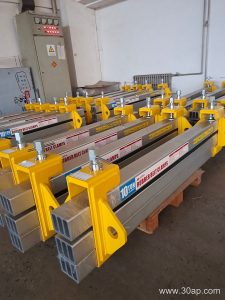
The physical construction of a robust V-Type Idler Bracket typically relies on heavy-gauge steel components, including precision-formed steel plate bending, durable structural angle iron, and reinforced channel steel. This rigid framework securely mounts to the conveyor stringer, ensuring that the paired idler roller units maintain their precise angle under intense dynamic loads. To better understand the typical dimensions and compatibility ranges utilized during engineering design, refer to the reference parameters outlined below:
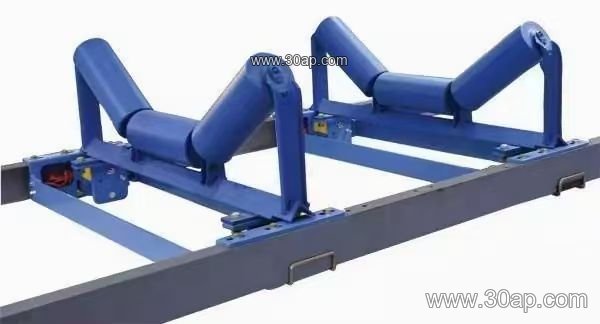
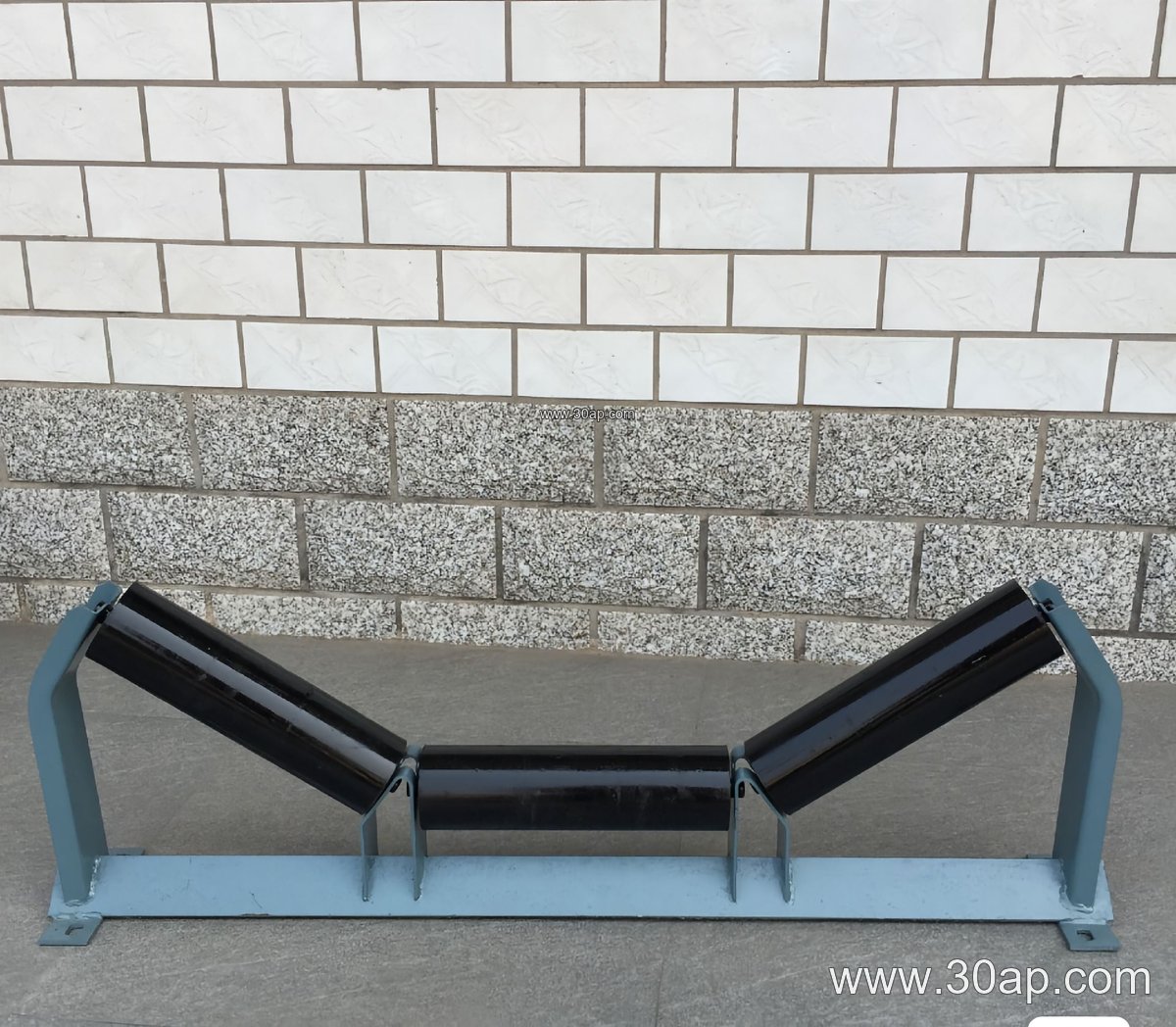
- Supported Belt Widths (B): B500, B650, B800, B1000, B1200, B1400, B1600, B1800, B2000, B2200
- Inclination Angles: 20 degrees, 30 degrees, 35 degrees, 45 degrees
- Roller Diameters (Ø): Ø89, Ø108, Ø133, Ø159, Ø194
- Primary Materials: Angle steel, channel steel, bent steel plate
Application in High-Capacity Steel Plant Conveyor Systems
Heavy industrial facilities such as integrated steel manufacturing complexes experience severe operational demands due to continuous raw material movement, including iron ore fines, heavy scrap, and abrasive sinter. Within these demanding environments, the Steel Cord Conveyor Belt or high-strength EP Conveyor Belt running along the return strand benefits immensely from the stabilizing forces provided by the V-Type Idler Bracket. By replacing conventional flat lower supports with this angular arrangement, maintenance teams can significantly reduce premature edge wear on the running surface.
Engineering Selection and Installation Guidelines
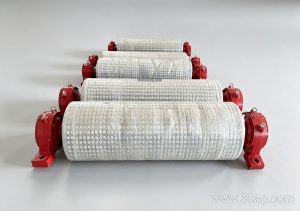
Selecting the correct support hardware requires careful coordination between the main stringer dimensions, operating speeds, and load weights. Rather than assuming a single universal size, engineers calculate exact mounting hole distances and cross-member lengths based on the specific operational parameters of the conveyor pulley assemblies and overall system layout. Proper alignment during installation prevents unnecessary friction against the conveyor belt, ensuring a longer service life for both the rotating components and the supporting framework.