What the Head Pulley Assembly Does
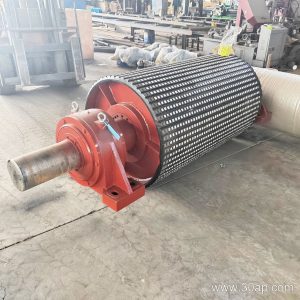
A head pulley assembly is the drive end of a belt conveyor, mounted at the discharge point where the belt turns back after unloading. In many plants it is simply called the head drum or drive pulley assembly, and it combines the pulley shell, shaft, bearings, bearing housings, and usually the drive coupling or gearbox connection in one functional unit. Because it transmits the driving torque to the conveyor belt, its condition directly affects belt tracking, throughput, and the life of the belt itself.
The assembly is not the same as a tail pulley or a bend pulley. The tail pulley returns the belt at the loading end, while a bend pulley only changes belt direction. Mixing these up when ordering leads to the wrong shaft, the wrong lagging, or the wrong bearing arrangement, so it is worth using precise names.
How the Assembly Is Built
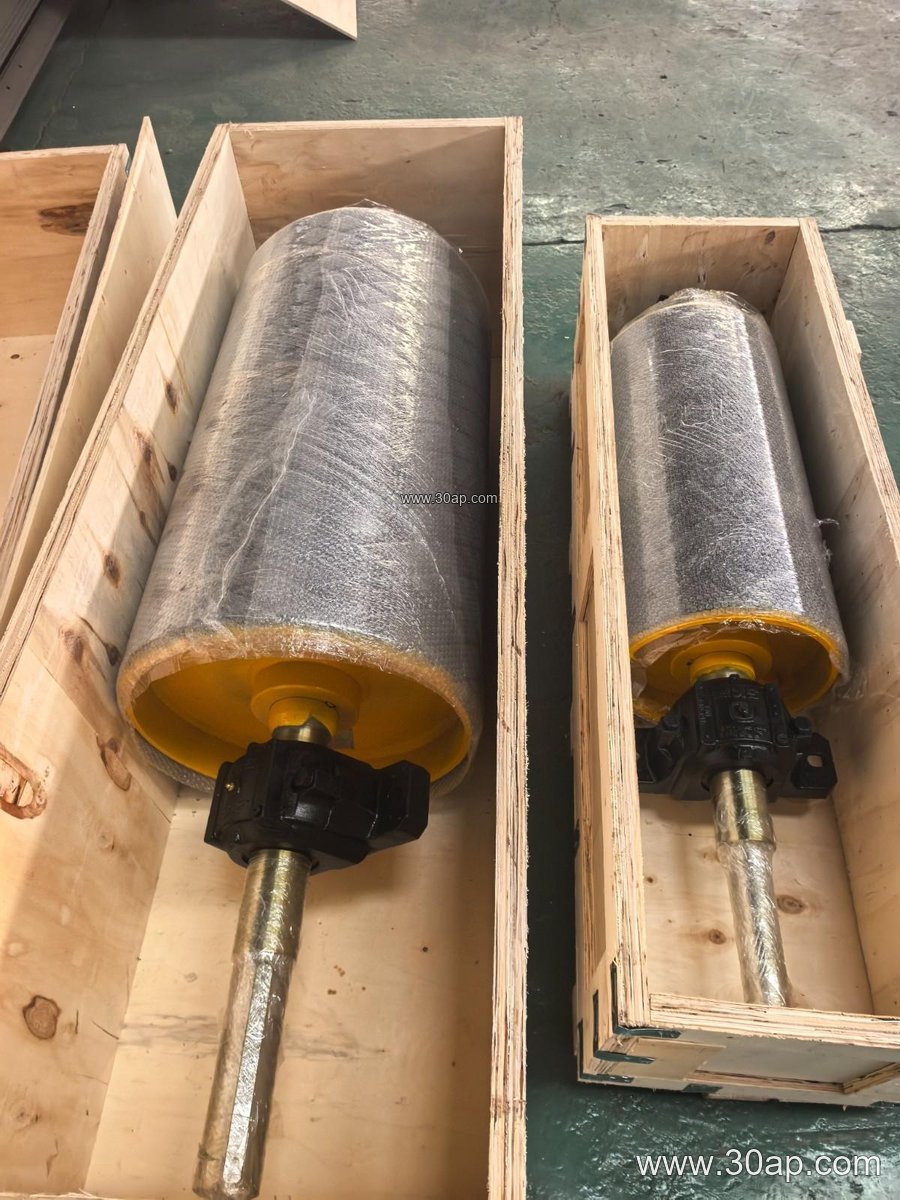
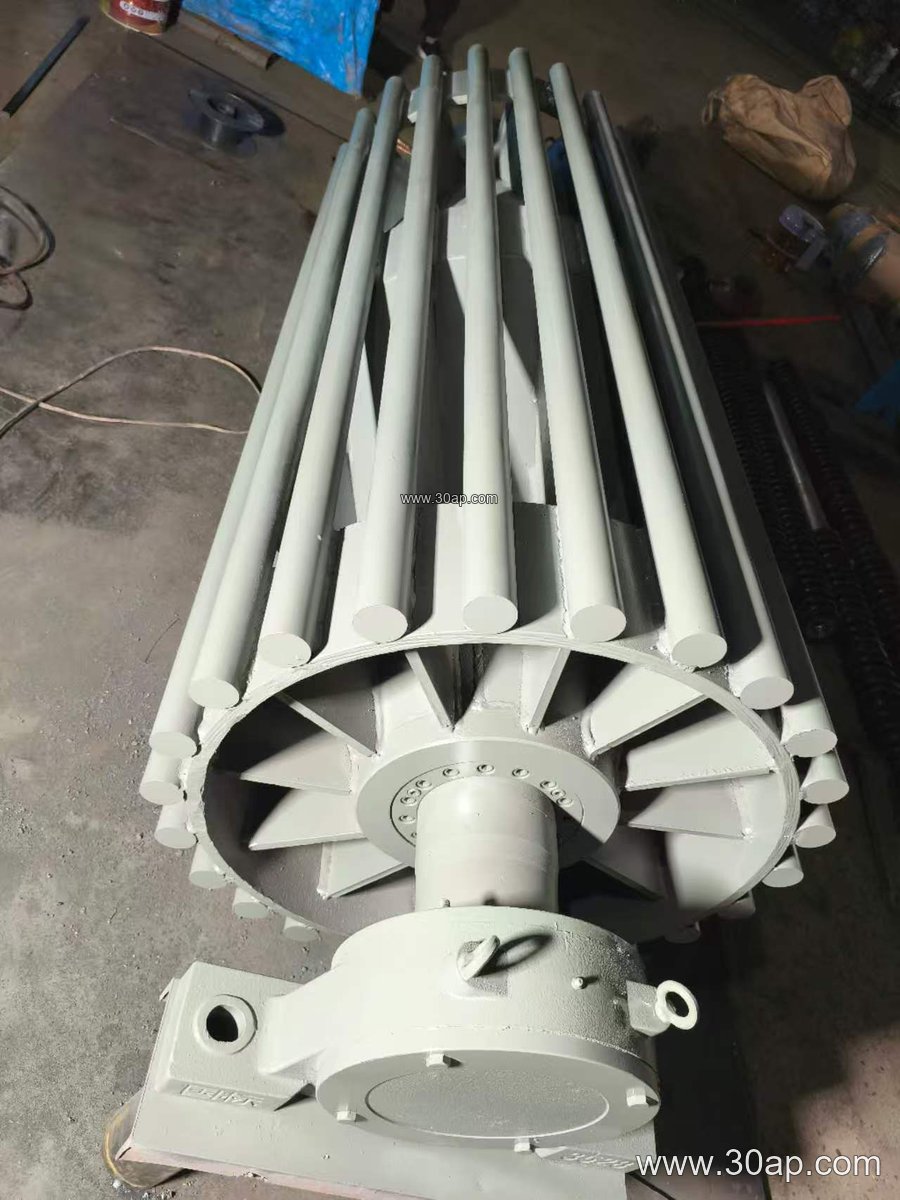
A typical unit consists of a steel drum shell, a through shaft or stub shafts, welded or shrunk-on end discs, spherical roller bearings in cast or fabricated housings, and a lagged surface. The lagging protects the shell and raises friction between drum and belt. Common surface options include plain finish, hot vulcanized rubber, cold bonded rubber, diamond grooved lagging, herringbone lagging, and ceramic lagging, with lagging thickness often 8, 10, 12, 15, or 20 mm depending on duty.
Counterweighted or motorized versions also exist, but the classic arrangement is a separate drum driven through a gearbox. Bearing selection follows the calculated load, not the belt width alone. Typical shaft diameters range from Ø50 up to Ø200, and the final value should come from torque and radial load calculations rather than a rule of thumb.
Where It Fits in a Plant
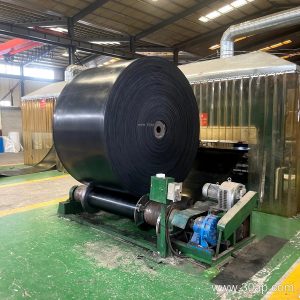
Head pulley assemblies appear wherever bulk material leaves a conveyor. In a quarry or aggregate line they sit at the top of the primary discharge, working with an abrasion resistant conveyor belt that carries crushed rock. In a coal handling system at a power plant, a flame retardant conveyor belt often runs over a lagged head drum that must resist both wear and slipping. Cement plants use them on clinker and raw meal lines, while port terminals rely on them for ship loading conveyors handling high tonnages.
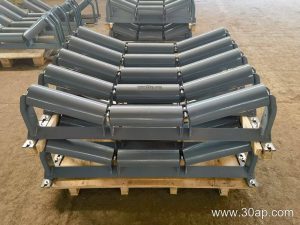
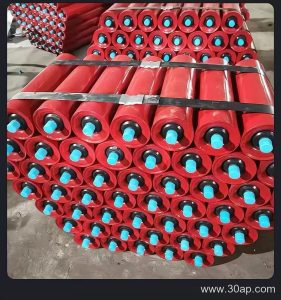
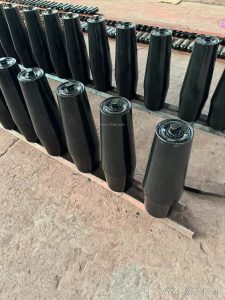
The surrounding hardware matters too. Properly aligned conveyor idler rollers before the drum keep the belt centered, and a rigid conveyor bracket at the bearing housing prevents vibration from loosening the assembly. A worn head drum often shows up first as belt mistracking or as a polished, glazed lagging surface.
Common Size References
The table below shows typical combinations seen in design drawings. These are reference values, not fixed matches, and any specific project should be confirmed against the conveyor design.
| Belt width | Typical pulley face width | Example drum diameter |
|---|---|---|
| B500 | about 600 mm | Ø400 |
| B650 | about 750 mm | Ø500 |
| B800 | about 950 mm | Ø500 or Ø630 |
| B1000 | about 1150 mm | Ø630 or Ø800 |
| B1200 | about 1400 mm | Ø800 or Ø1000 |
| B1400 | about 1600 mm | Ø1000 or Ø1250 |
| B1600 | about 1800 mm | Ø1250 or Ø1400 |
| B1800 | about 2000 mm | Ø1400 or Ø1600 |
A wider belt does not force one single diameter. The drum diameter is chosen from belt tension, belt construction, and the minimum bend radius recommended for the belt, whether that is an EP conveyor belt, an NN conveyor belt, or a steel cord conveyor belt. Heavy-duty mining conveyor belts with thick covers usually need a larger drum than a light fabric core belt of the same width.
Buyer Checklist Before Ordering
- Confirm the exact position: head or drive end, not tail or bend.
- State belt width, belt type, and belt tension so the drum diameter can be verified.
- Specify lagging type and thickness, for example 12 mm diamond rubber or ceramic lagging.
- Provide shaft diameter and bearing type from the existing drawing, or ask for a load calculation.
- Check the interface with the gearbox, coupling, and conveyor bracket.
- Match the surface to the material: abrasive ore, hot clinker, oily scrap, or food-grade goods.
For high-wear duties, pairing the assembly with a high abrasion resistant conveyor belt and well-selected idler rollers reduces slip and extends lagging life. In cold climates, a cold resistant conveyor belt may be needed, while underground coal work typically calls for flame retardant and anti-static properties. Buyers should also confirm that the drum face width exceeds the belt width by a suitable margin, as shown in the table, so the belt is supported across its full load-carrying section.
Maintenance is straightforward when planned: check lagging wear, bearing temperature, and shaft alignment at each shutdown. Replacing worn lagging early is far cheaper than replacing a scored shell or a damaged belt.