What a Conveyor Bracket Does on a Belt System
A conveyor bracket is the steel support component that holds idler rollers in the correct position under and along a conveyor belt. It is the interface between the roller and the conveyor frame, and it sets the trough angle, the roller spacing, and the alignment of the load-carrying side. In a quarry, a coal handling plant, or a cement kiln feed line, the bracket is a small part that quietly determines how well the belt tracks and how long the rollers last.
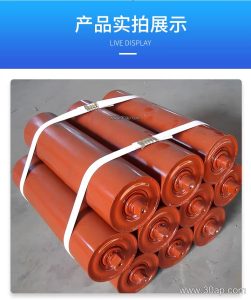
Suppliers often use the equivalent name idler bracket or idler support bracket for the same product. The conveyor bracket is not a pulley and not a roller; it is the mounting structure that carries them.
How the Bracket Is Built
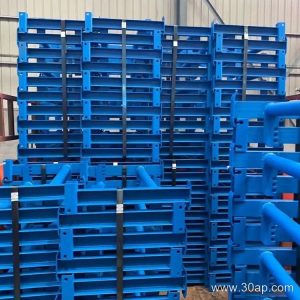
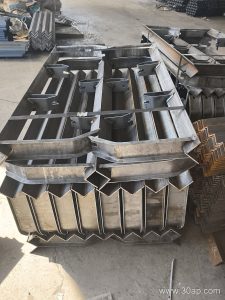
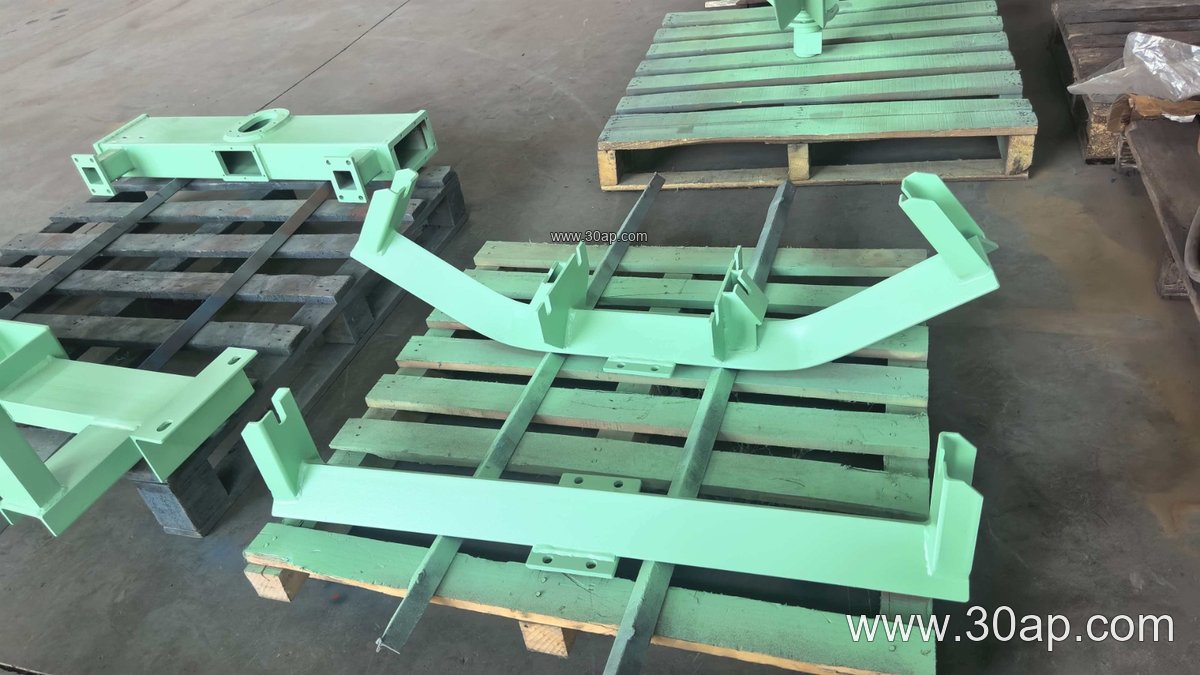
Most conveyor brackets are fabricated from angle steel, channel steel, or folded steel plate, then drilled or punched for roller shafts. A troughing bracket, also called a trougher bracket or carrying bracket, is the common form on the top run. It may be fixed or adjustable. On the return side, a return bracket or V-return bracket supports the belt and keeps it from sagging.
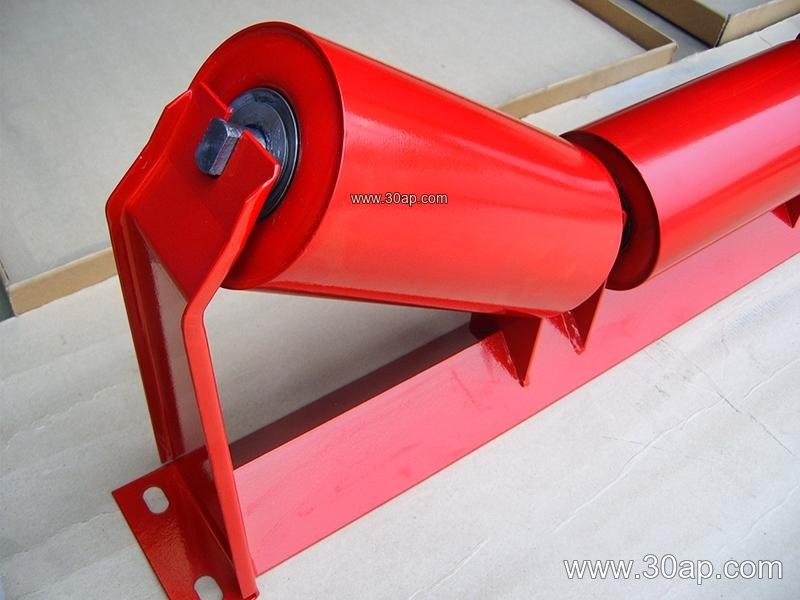
Typical build details a buyer should confirm:
- Material and thickness of the angle or channel section
- Mounting hole spacing and crossbeam length, which change with belt width and trough angle
- Welding quality and any surface treatment such as painting or galvanizing
- Whether the bracket is fixed, adjustable, or self-aligning
Types and Where They Fit
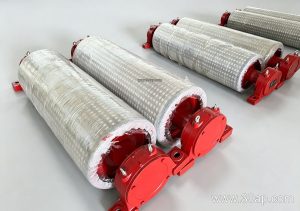
Common conveyor bracket types include troughing brackets, transition brackets near the pulleys, impact brackets under loading points, self-aligning brackets, forward-leaning brackets, and hanging brackets for suspended idler sets. A conveyor pulley at the drive, tail, or bend position is a separate component and should not be confused with a bracket; the bracket only supports the idler roller assembly.
In a limestone mine or a crushing and screening line, impact brackets are often used below the feed point to absorb shock. In a power plant coal yard, self-aligning brackets help keep a long belt centered. In a sand and gravel plant, adjustable troughing brackets let maintenance staff fine-tune the trough angle as the belt wears.
Sizes, Trough Angles, and Roller Diameters
Bracket dimensions follow the conveyor design rather than a single universal table. The values below are common reference ranges, not fixed supply promises.
| Parameter | Common Reference Values |
|---|---|
| Belt width B | B500, B650, B800, B1000, B1200, B1400, B1600, B1800, B2000, B2200 |
| Trough angle | 20°, 30°, 35°, 45° (adjustable brackets can move between these) |
| Forward lean | usually about 1.5° to 2° |
| Roller diameter | Ø89, Ø108, Ø133, Ø159, Ø194 |
A bracket set might be described as B800, 35°, Ø108, or B1200, 45°, Ø133, or B650, 30°, Ø89. These are examples of how a specification is written, not rules that lock one belt width to one angle or one roller diameter.
Selecting a Bracket for the Application
Start with the belt width and the required trough angle, then match the bracket to the roller diameter and shaft. Check the mounting hole pattern against the existing frame before ordering. For a heavy-duty mining conveyor belt carrying iron ore, a thicker channel bracket with a larger roller diameter is a reasonable direction. For a food grade conveyor belt in a grain silo, a lighter, cleanly painted bracket may be enough.
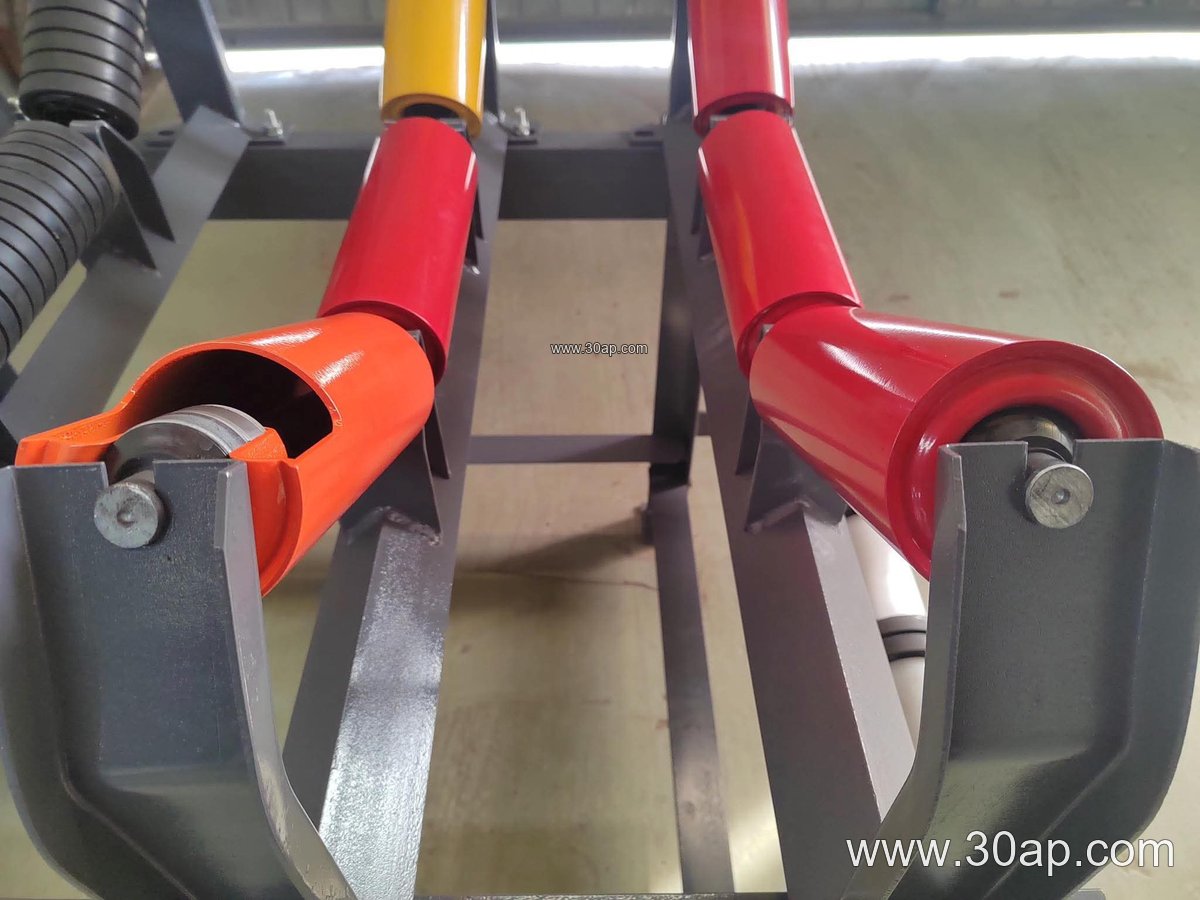
Adjustable brackets are useful where the belt may be re-tensioned or where the trough angle needs tuning. Fixed brackets are simpler and cheaper but less forgiving. Self-aligning and forward-leaning designs help with tracking on long runs.
Installation and Maintenance Notes
Align brackets square to the belt centerline and keep the crossbeam level. Check bolt torque after the first week of running, because vibration loosens fittings. Inspect for bent brackets after a belt mistracking event or a jam. A slightly bent conveyor bracket can tilt a roller and cause edge wear on the belt, so replace damaged units rather than bending them back.
Keep spare brackets in the most used sizes on site. In a coal mine or a cement plant, downtime from a missed bracket is usually more expensive than the part itself.
For related components, buyers often compare the bracket with the idler roller and conveyor pulley during the same project. A complete review of conveyor belt, roller, and bracket selection pays off in longer service life.