What an 800mm Diameter Conveyor Pulley Is
An 800mm diameter conveyor pulley is a large, robust drum used to drive, tension, or redirect a conveyor belt in demanding bulk handling operations. With a nominal diameter of 800mm, this pulley falls into the heavy-duty category, typically paired with wider belts and high-tension applications. It is not a one-size-fits-all component; rather, it is engineered to match the specific load, speed, and environmental conditions of a conveyor system. In quarry and aggregate lines, for instance, such a pulley often serves as a drive or head pulley where high torque and continuous operation are routine.
Construction and Key Components
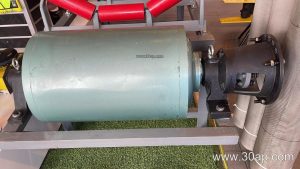
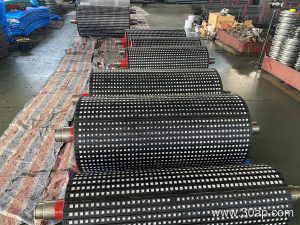
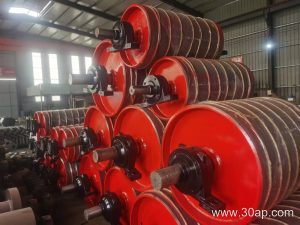
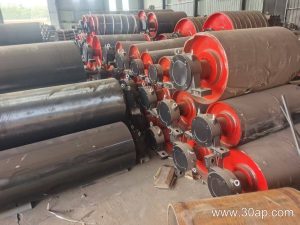
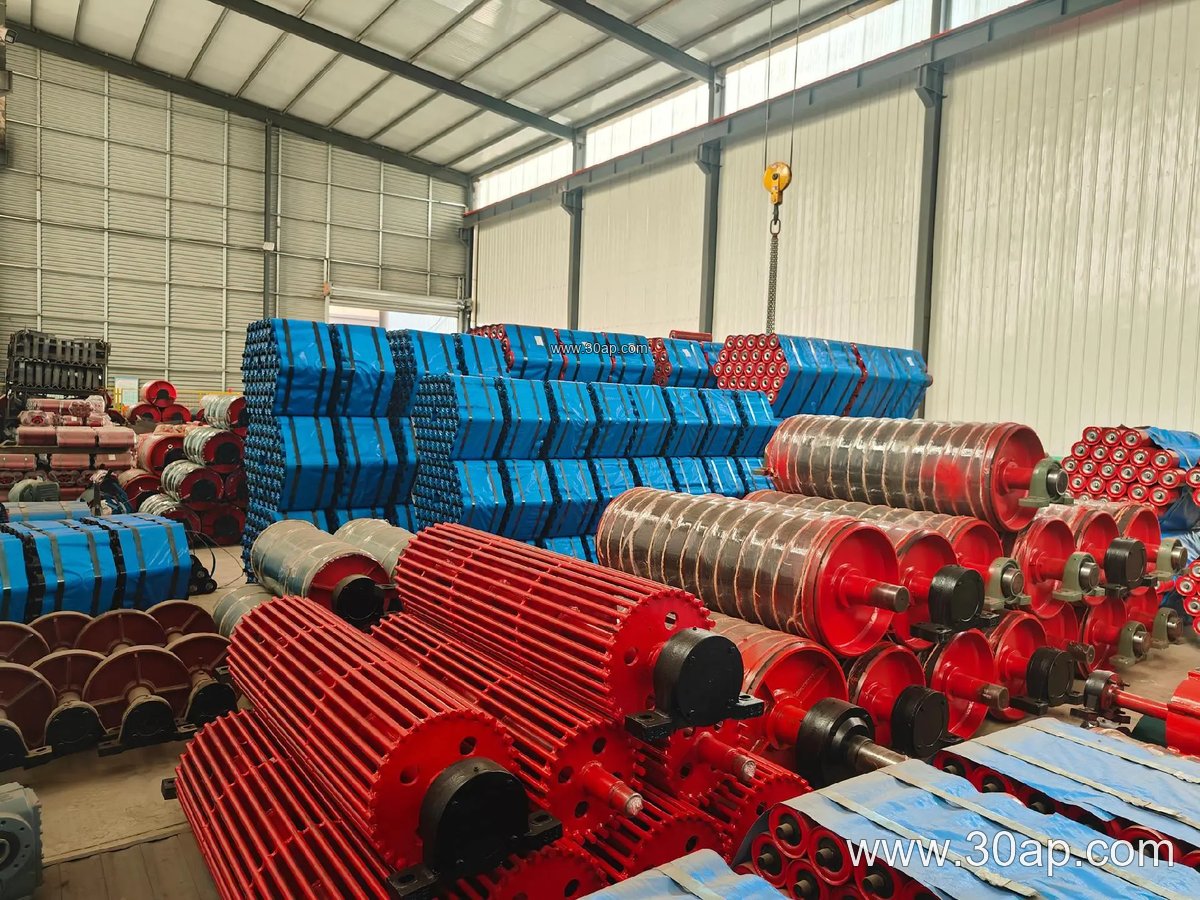
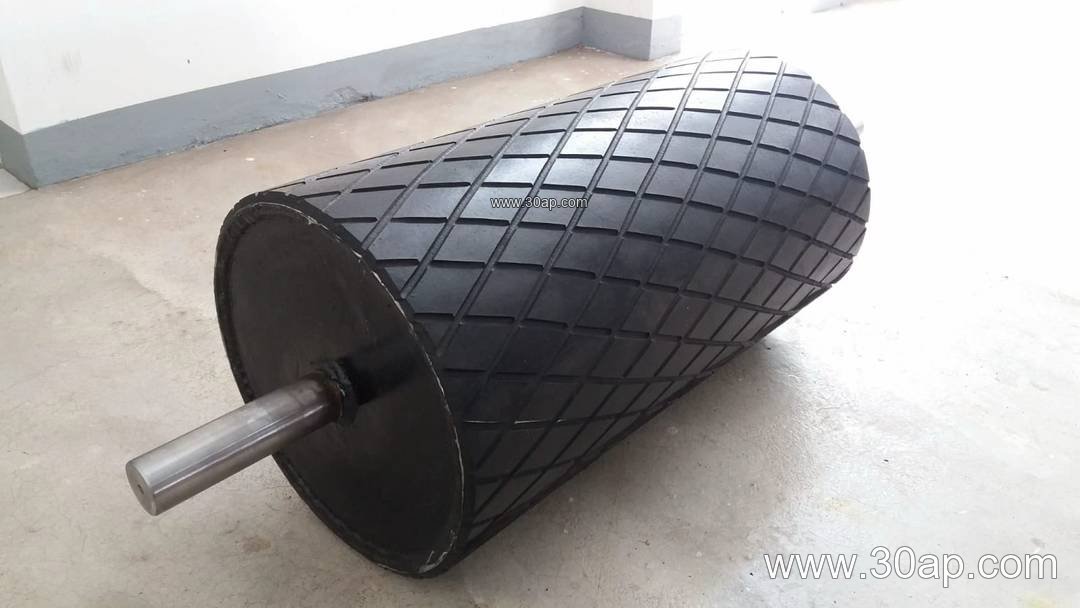
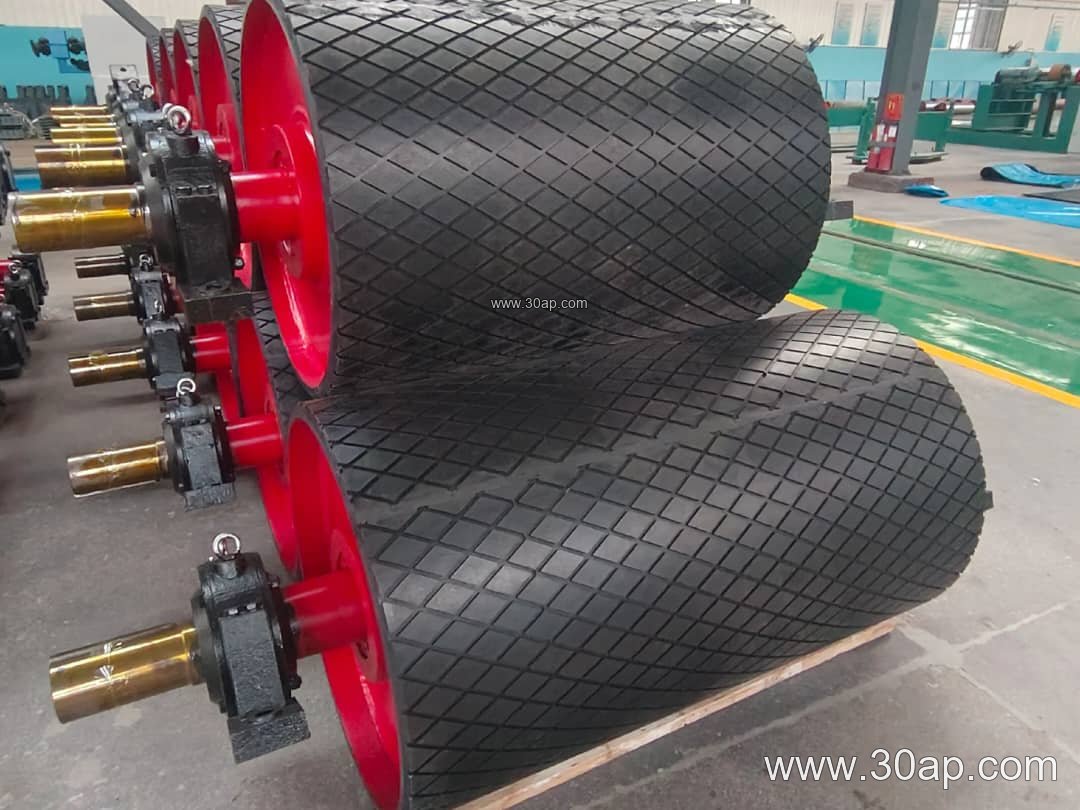
A typical 800mm diameter conveyor pulley consists of a cylindrical shell, end discs, a shaft, and bearing housings. The shell is usually made from rolled steel, machined for concentricity, and may feature a lagging surface to improve grip. Common surface options include plain steel, rubber lagging (cold-bonded or hot-vulcanized), diamond pattern, herringbone, and ceramic lagging. Lagging thickness often ranges from 8mm to 20mm, selected based on the required friction and wear resistance. The shaft diameter is determined by torque and load calculations—typical shaft sizes for this pulley class may fall between Ø120mm and Ø200mm, but this must be confirmed by the system designer. Bearings are typically spherical roller types housed in sturdy brackets that bolt to the conveyor frame.
Where It Fits in a Conveyor System
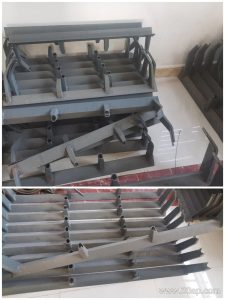
This pulley size is frequently found in primary crushing circuits, stockyard conveyors, and long overland systems. In a copper mine, for example, an 800mm diameter pulley might be used as a head pulley on a conveyor carrying ore from the primary crusher to the stockpile. In a coal-fired power plant, it could serve as a tension pulley on a coal handling belt, maintaining proper belt sag and alignment. The pulley works in concert with conveyor idler rollers and conveyor brackets to keep the belt tracking smoothly. Because of its large diameter, it reduces bending stress on the belt and can handle higher belt tensions compared to smaller pulleys. It is important to note that drive, tail, and bend pulleys are distinct functional types; an 800mm diameter unit may be any of these depending on its location and duty, but the design details—such as lagging and shaft size—will differ accordingly.
Belt Compatibility and Selection Considerations
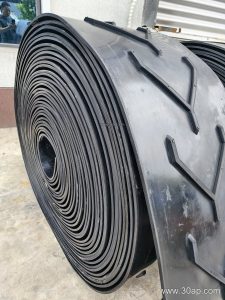
An 800mm diameter pulley is often matched with belt widths from B800 to B1400, though this is not a fixed rule. The pulley face width is usually slightly wider than the belt to allow for misalignment. For reference, a B1000 belt might pair with a pulley face width around 1150mm, while a B1200 belt could use a face width near 1400mm. The belt itself may be a multi-ply fabric core conveyor belt, a steel cord conveyor belt, or a heavy-duty abrasion resistant conveyor belt, depending on the material being conveyed. In mining and quarry applications, flame retardant and anti-static properties are often required, especially in underground coal mining conveyor belts. When selecting an 800mm diameter conveyor pulley, buyers should consider the belt tension, speed, environmental conditions (e.g., dusty, wet, or corrosive), and the type of lagging needed for optimal traction. It is also crucial to verify the shaft diameter and bearing capacity with the pulley manufacturer, as these are not determined by belt width alone.
Maintenance and Operational Notes
Regular inspection of the pulley surface, lagging wear, and bearing condition helps prevent unplanned downtime. In abrasive environments such as sand and gravel plants, ceramic lagging may extend service life. Proper alignment with the conveyor belt and idler rollers reduces edge damage and belt mistracking. Lubrication schedules for bearings should follow the manufacturer’s recommendations, and any signs of lagging wear or cracking should be addressed promptly. For systems handling hot materials, heat resistant conveyor belts and appropriate pulley lagging materials should be chosen to avoid premature failure.
Buyer’s Checklist
- Confirm the pulley’s functional role (drive, tail, bend, tension) and required lagging type.
- Verify shaft diameter and bearing size based on actual torque and load, not just belt width.
- Check face width against belt width to ensure proper support.
- Consider environmental factors: dust, moisture, temperature, and fire safety.
- Ensure compatibility with the conveyor belt type, such as EP conveyor belt or steel cord belt, and the overall system design.
Whether in a cement plant, a port bulk terminal, or an iron ore mine, an 800mm diameter conveyor pulley is a critical component that demands careful selection and maintenance. By understanding its construction, application, and selection criteria, buyers can make informed decisions that enhance conveyor reliability and lifespan.