What a Wear-Resistant Mining Idler Does
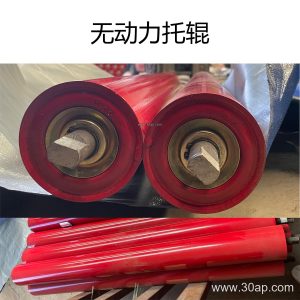
A wear-resistant mining idler is a conveyor idler roller built to survive the constant abrasion of crushed rock, ore, and coal. In a quarry or a coal handling plant, the idler roller supports the conveyor belt and keeps it tracking while carrying heavy loads. The wear-resistant version focuses on the parts that touch the belt and the material: the roller shell, the bearing seals, and the end caps. Instead of a standard steel surface, these idlers often use rubber rings, ceramic tiles, or a thick nylon coating to resist grit and impact. This makes them a practical choice wherever fines and sharp particles shorten the life of ordinary rollers.
Construction and Surface Options
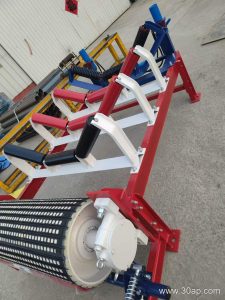
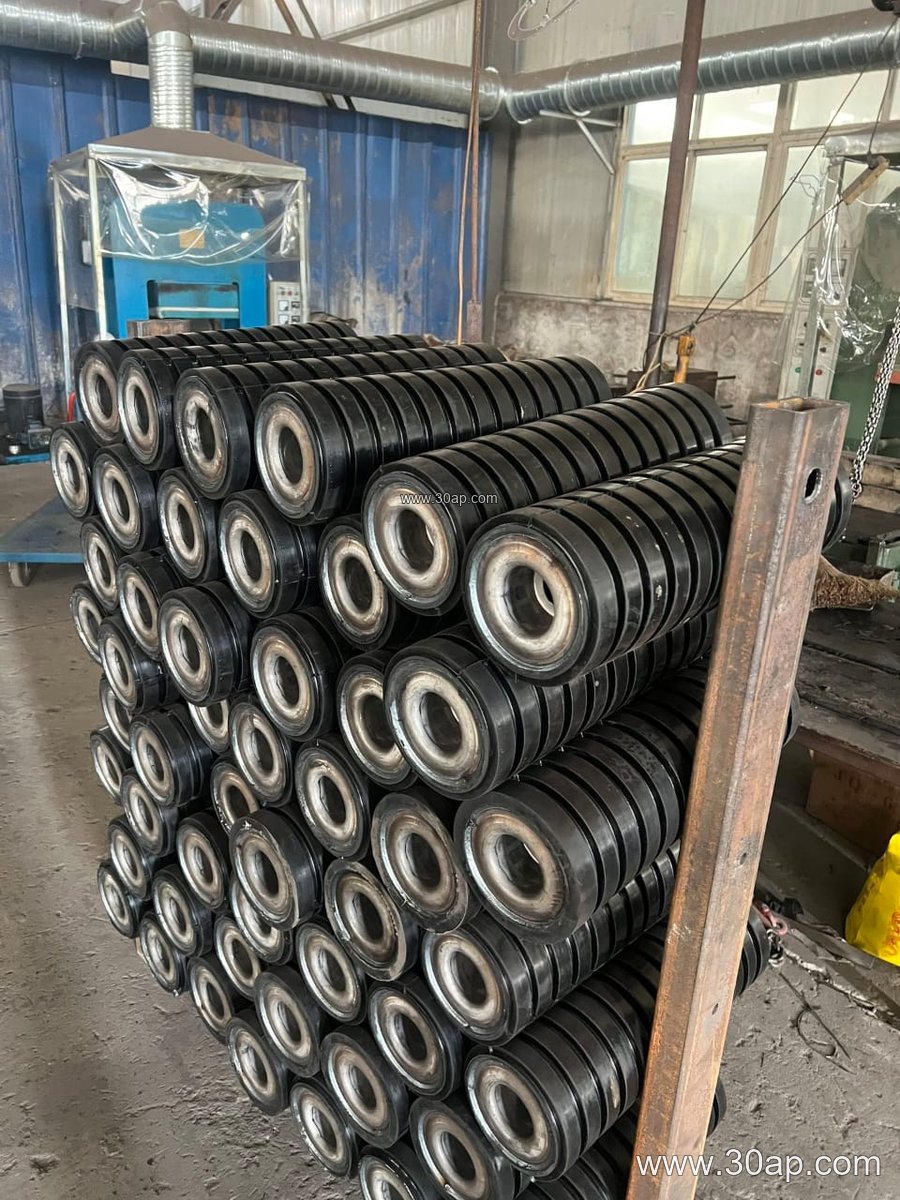
The body of a wear-resistant mining idler usually starts with a steel tube, machined to hold the bearing housing. The surface treatment is what sets it apart. Rubber disc idlers, also called rubber ring buffer idlers, mount a series of rubber rings along the shell to absorb impact at transfer points. Ceramic-coated idlers bond small ceramic tiles to the steel surface for high abrasion resistance in wet or sticky conditions. Nylon-covered idlers offer a smoother, self-lubricating surface that sheds material. Bearing selection matters too: common sizes include 6204, 6205, 6305, 6306, 6308, and 6310, matched to the load and roll diameter rather than to a single belt width. Seals are typically labyrinth or contact types to keep dust out.
Where These Idlers Fit on the Conveyor
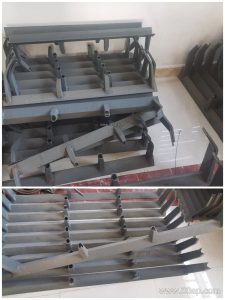
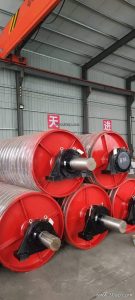
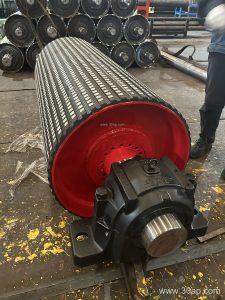
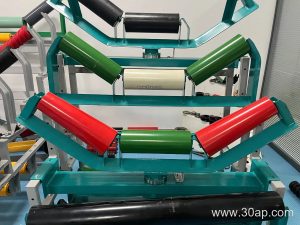
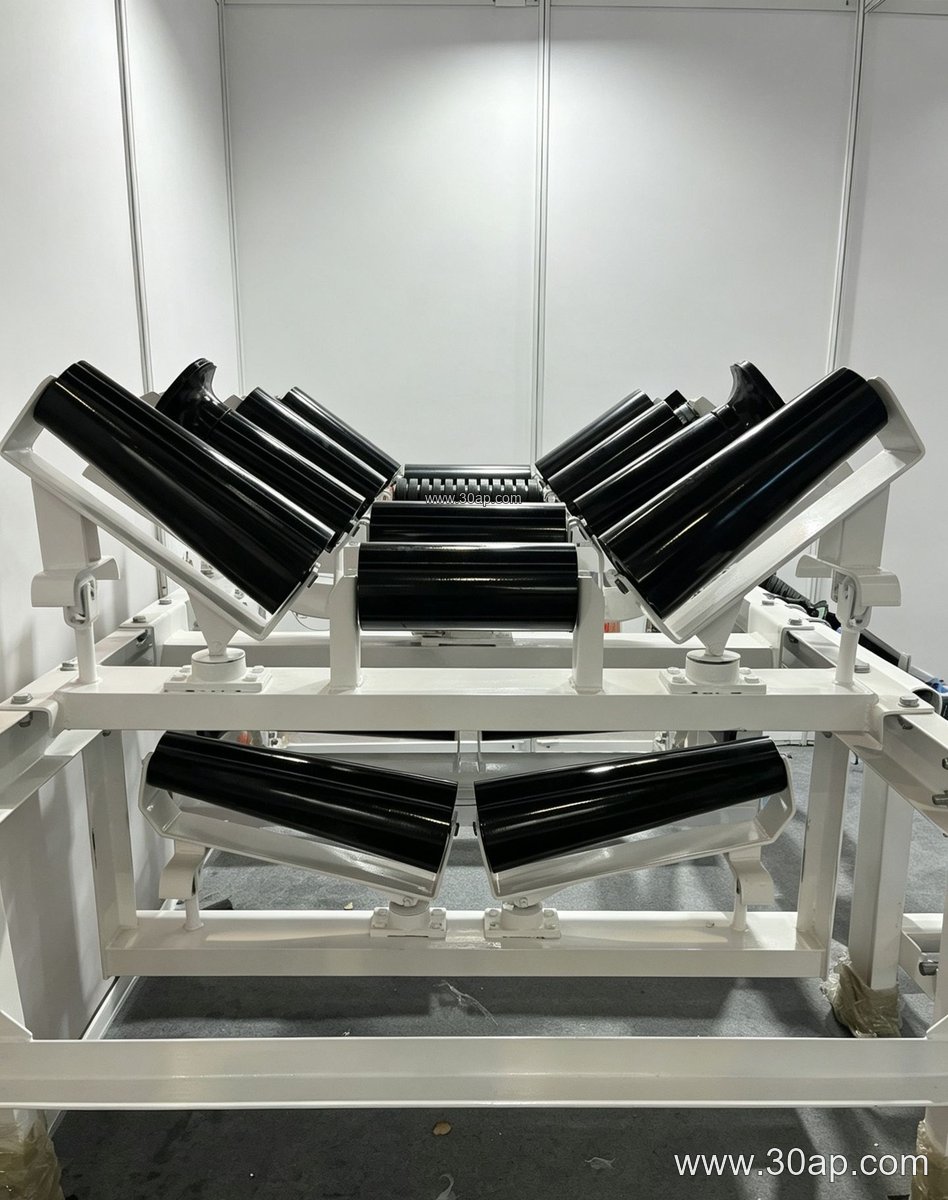
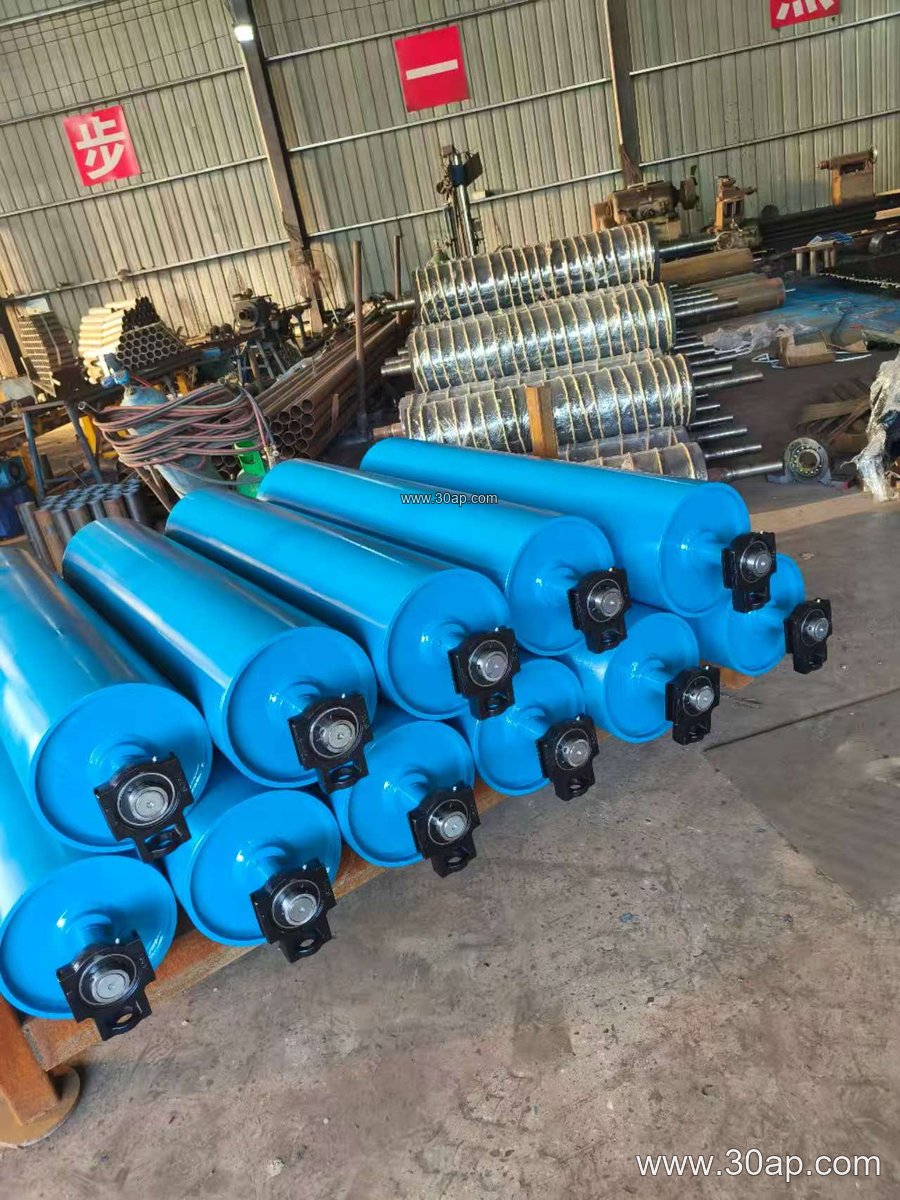
Wear-resistant idlers appear in several positions along a conveyor system. At the loading zone, impact idlers with rubber rings cushion the belt against falling ore. Along the carrying run, three-roll troughing sets at 20, 30, 35, or 45 degrees hold the material. On the return side, flat or V-return idlers support the empty belt. In a coal mine or a cement plant, the same wear-resistant design can be used for troughing, impact, and return positions, but the surface and roll diameter are chosen per application. A conveyor pulley at the drive or tail end does a different job and is not a substitute for an idler; the two work together in the same system.
Common Sizes and Roll Diameters
Idler dimensions follow the conveyor belt width and the troughing configuration. The table below lists typical reference values, not fixed rules. Roll length for a three-roll troughing set changes with belt width and trough angle, and side rolls can differ from the center roll. A buyer should confirm the actual roll length, shaft size, and bearing type with the conveyor design.
| Belt Width | Typical Roll Diameter Range | Common Bearing Sizes | Common Trough Angles |
|---|---|---|---|
| B500 | Ø63 to Ø89 mm | 6204, 6205 | 20°, 30° |
| B650 | Ø76 to Ø108 mm | 6205, 6305 | 20°, 30°, 35° |
| B800 | Ø89 to Ø127 mm | 6305, 6306 | 30°, 35° |
| B1000 | Ø102 to Ø133 mm | 6306, 6308 | 30°, 35°, 45° |
| B1200 | Ø108 to Ø159 mm | 6308, 6310 | 35°, 45° |
| B1400 | Ø127 to Ø178 mm | 6308, 6310 | 35°, 45° |
| B1600 | Ø133 to Ø194 mm | 6310 | 35°, 45° |
| B1800 | Ø159 to Ø219 mm | 6310 | 35°, 45° |
| B2000 | Ø178 to Ø219 mm | 6310 | 35°, 45° |
Roll length examples for three-roll troughing sets include about 200 mm for B500, 315 mm for B800, 380 mm for B1000, 465 mm for B1200, and 600 mm for B1600. These are common references and should not be treated as universal. The idler roller must also match the conveyor bracket and frame dimensions.
Buying Advice for Abrasive Bulk Handling
When selecting a wear-resistant mining idler, start with the material: sharp iron ore or copper ore calls for a harder surface than coal. Check the belt width, the trough angle, and the load per idler. For impact zones, rubber ring idlers reduce belt damage; for sticky material, ceramic or nylon surfaces may perform better. Confirm bearing size and seal type, because dust ingress is a main cause of idler failure. Also look at the conveyor bracket and frame to ensure the shaft fits. A wear-resistant idler is not a one-size part, and the right combination of roll diameter, surface, and bearing will vary by conveyor. For abrasive bulk material, an abrasion resistant conveyor belt paired with well-chosen idlers can extend the whole system’s service life. Equipment from quarry conveyors to power plant coal lines benefits from matching the idler to the duty, and the same logic applies whether the belt is an EP conveyor belt or a steel cord conveyor belt.