What a Conveyor Bend Pulley Does
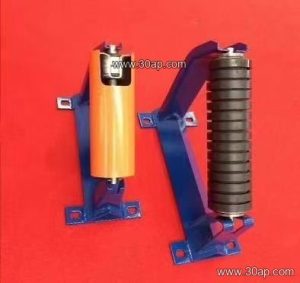
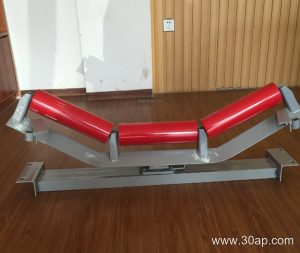
A conveyor bend pulley is the turning point that changes the direction of a conveyor belt without driving it. Mounted where the belt has to be redirected — at the tail end, near a take-up, or around an obstruction — it guides the belt back into the carrying run while keeping wrap angles under control. Unlike the head or drive pulley, which transfers torque, and unlike the tail pulley, which supports the belt at the loading point, the bend pulley is a routing component. It works together with the conveyor belt, idler roller and conveyor bracket to hold the belt path steady, especially on long overland lines in quarry, iron ore and power plant coal handling systems.
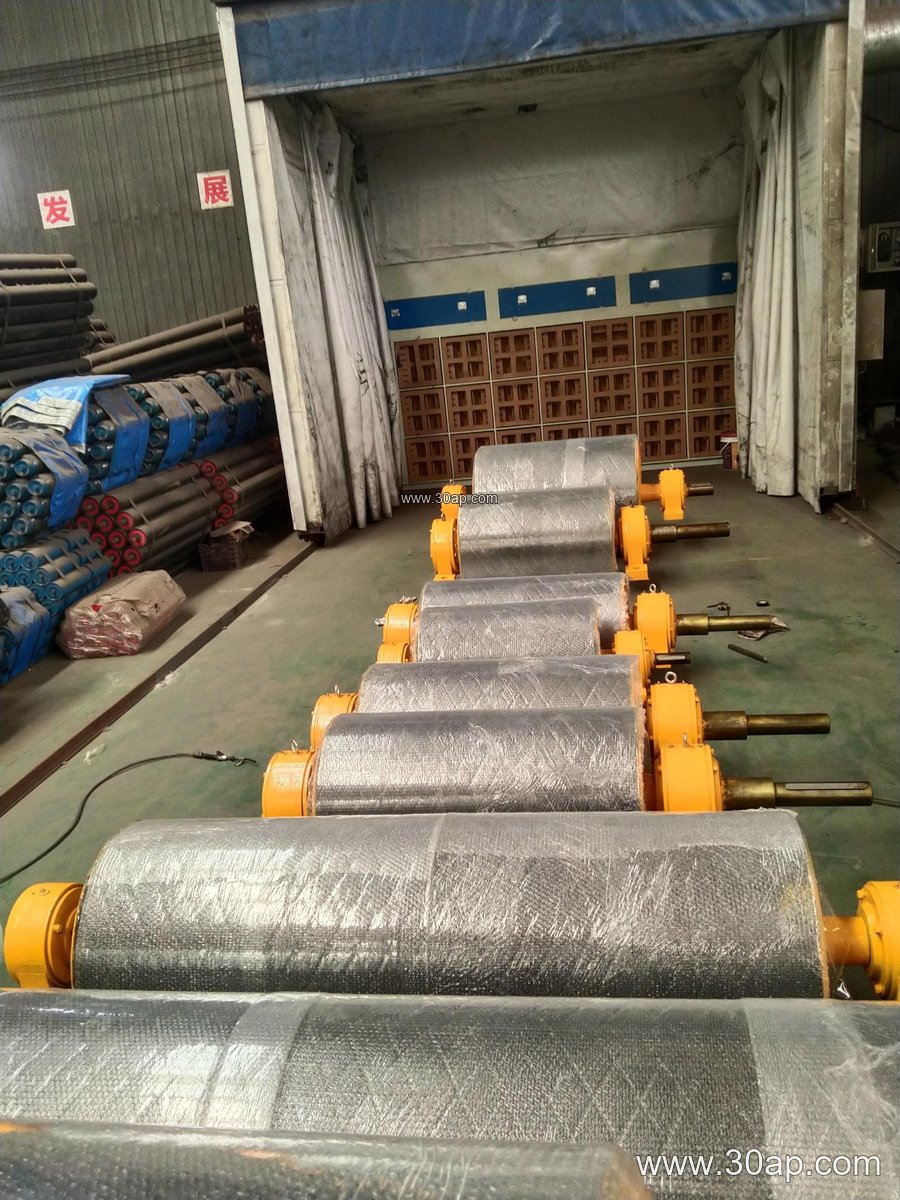
Construction and Surface Options
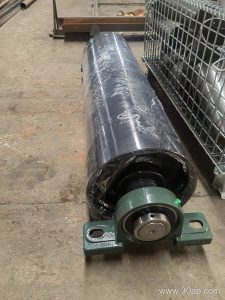
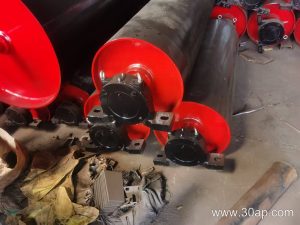
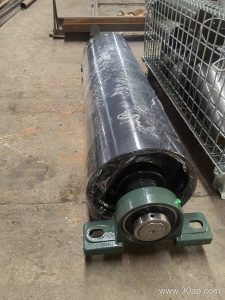
The body is usually a welded steel drum with machined end faces, a shaft sized by torque and load rather than belt width alone, and bearings housed in pillow blocks or a fixed bracket. Surface form matters because the bend pulley often sees slip and abrasive dust:
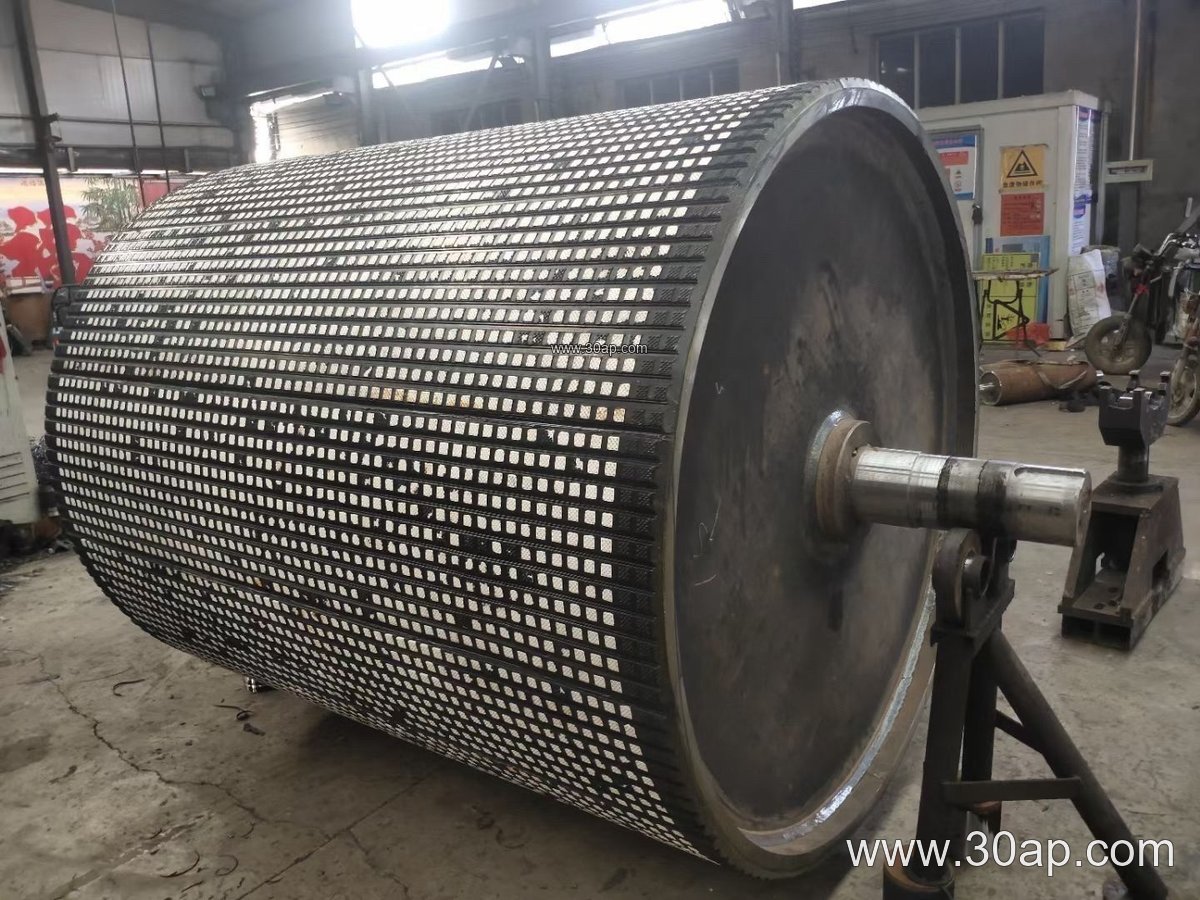
- Plain finish for light duty and clean material
- Rubber lagging applied cold or hot vulcanized for grip and wear protection
- Diamond or herringbone grooving to shed water and fines
- Ceramic lagging for high abrasion service in aggregate and copper ore plants
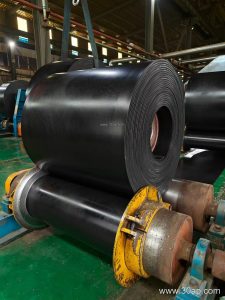
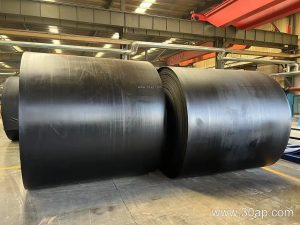
Lagging thickness commonly runs 8, 10, 12, 15 or 20 mm depending on belt tension and environment. A Fabric Core Conveyor Belt or Steel Cord Conveyor Belt may call for different lagging hardness, and in cement plants a heat resistant conveyor belt is often paired with a pulley surface that tolerates warm clinker dust.
Sizing by Belt Width and Diameter
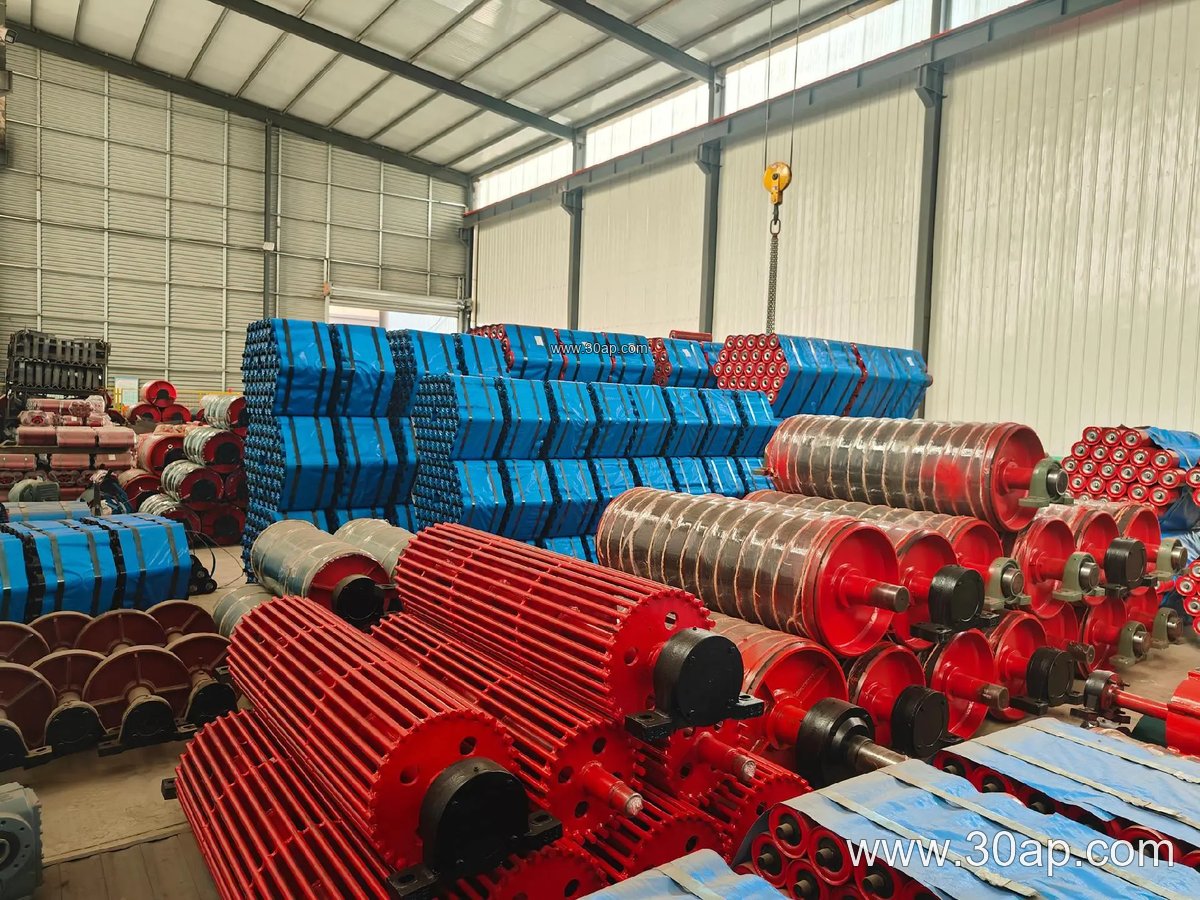
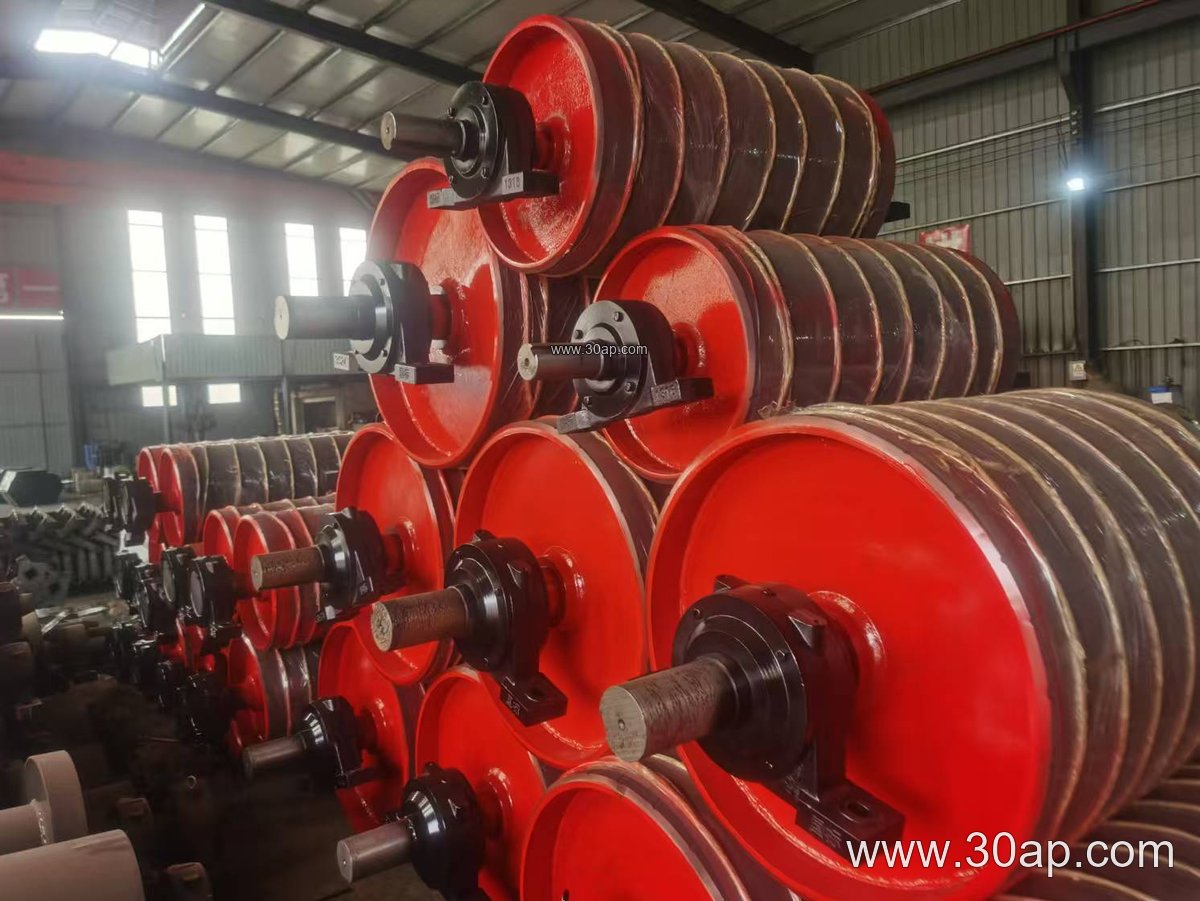
There is no single diameter for a given belt width. Diameter is selected from belt tension, wrap angle, belt stiffness and the minimum bending radius recommended for the belt construction. Typical combinations seen in catalogs include B800 × Ø500, B1200 × Ø1000 and B1400 × Ø800, but these are reference points, not fixed rules. Drum face width is normally a little wider than the belt, for example B650 around 750 mm or B1000 around 1150 mm. Shaft diameter is confirmed from torque and bearing load — values such as Ø80, Ø100 or Ø140 appear in many designs, yet the final figure belongs to the engineer, not to a belt-width table.
| Parameter | Common Reference Range |
|---|---|
| Belt width | B400 to B2400 |
| Pulley diameter | Ø200 to Ø1800 |
| Face width | About belt width plus 100 to 200 mm |
| Lagging thickness | 8, 10, 12, 15, 20 mm |
| Shaft diameter | Ø50 to Ø200, by torque and load |
Where It Fits on the Conveyor
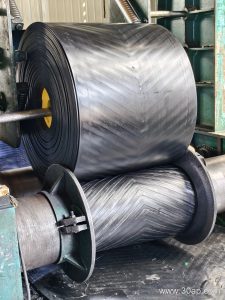
On a wash plant in a coal mine, a bend pulley is frequently placed ahead of the take-up to increase belt wrap and keep the tension carriage compact. In a limestone quarry, a bend pulley at the transfer tower redirects the belt around structural steel without adding a second drive. Port bulk terminals use them on ship loading booms where space is tight. In each case the pulley is matched to the belt type in service — an abrasion resistant conveyor belt in a crusher discharge line, a flame retardant conveyor belt underground, or a chevron conveyor belt on an incline where tracking is sensitive.
Buyer Checklist
Before ordering, confirm the belt width and construction, the required wrap angle, the shaft and bearing arrangement, and whether lagging is needed. Ask for the drum balance grade, bearing type and bracket interface so the unit fits the existing conveyor bracket. Specify the environment: wet, dusty, hot or oily. A bend pulley is a small part of the total conveyor cost, but poor bearing protection or the wrong lagging can wear a belt quickly. Pair it correctly with the conveyor pulley set, keep spare bearings on site, and check alignment after the first weeks of running.