What a Port Conveyor Idler Does at a Bulk Terminal
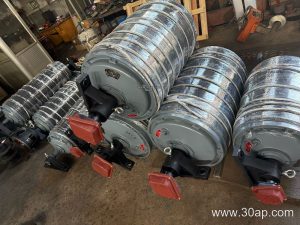
A port conveyor idler is the rotating component that supports the conveyor belt along its carrying and return runs. At a bulk terminal, these idlers must handle continuous ship loading and unloading, high tonnage, and exposure to salt air, dust, and variable weather. Unlike a drive pulley or tail pulley, which transmit power and set belt tension, the idler simply carries the belt and material load with low friction. This article focuses on the port conveyor idler itself — its construction, typical configurations, and what buyers should check before ordering.
Construction and Common Configurations
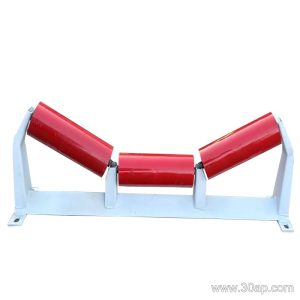
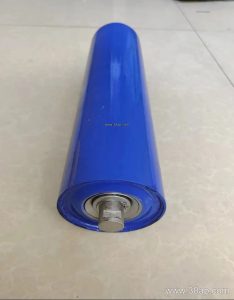
A typical idler roller consists of a steel tube shell, bearing housings, a shaft, and a sealing system. Roller surfaces may be plain steel, nylon, ceramic, or rubber rings, depending on whether impact absorption or material build-up resistance is needed. Bearing sizes such as 6204, 6205, 6305, 6306, 6308, or 6310 are common, but the bearing choice should follow the load and speed calculation rather than a fixed rule linked to belt width alone.
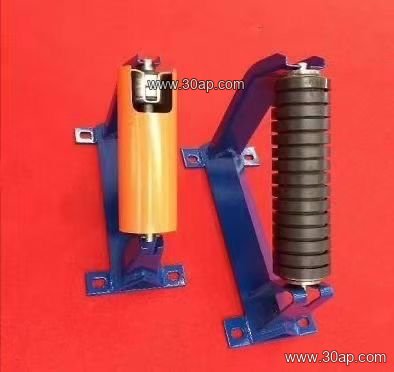
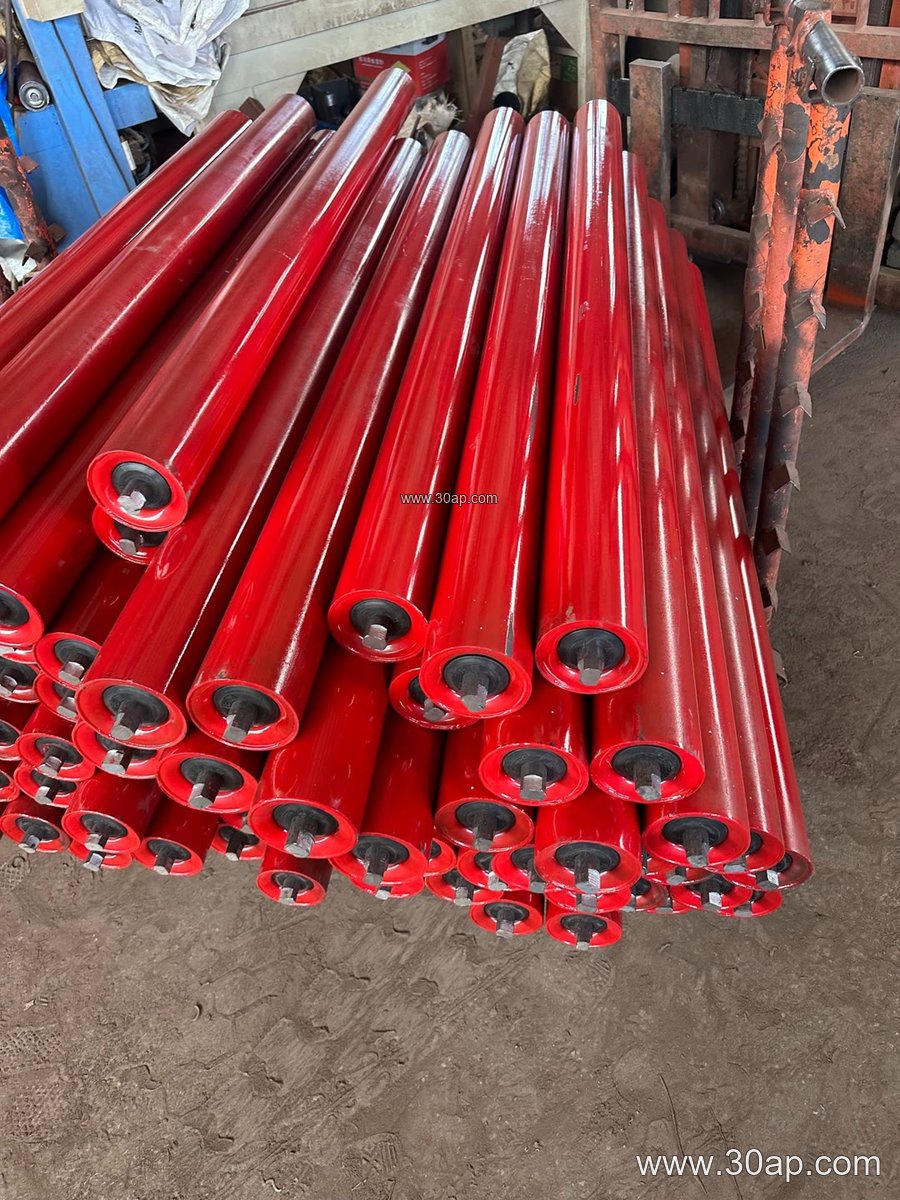
For carrying runs, three-roll troughing sets are widely used in ports to give the belt a trough shape. Common trough angles include 20, 30, 35, and 45 degrees. Return runs often use flat or V-return idlers. Impact idlers with rubber rings are placed under loading points where a ship loader or tripper discharges material. Transition idlers help guide the belt between the flat pulley and the trough section.
Reference Dimensions and Roller Length Examples
The following values are common examples, not mandatory matches. Roller length varies with belt width, trough angle, and idler arrangement; side rollers and center rollers may differ.
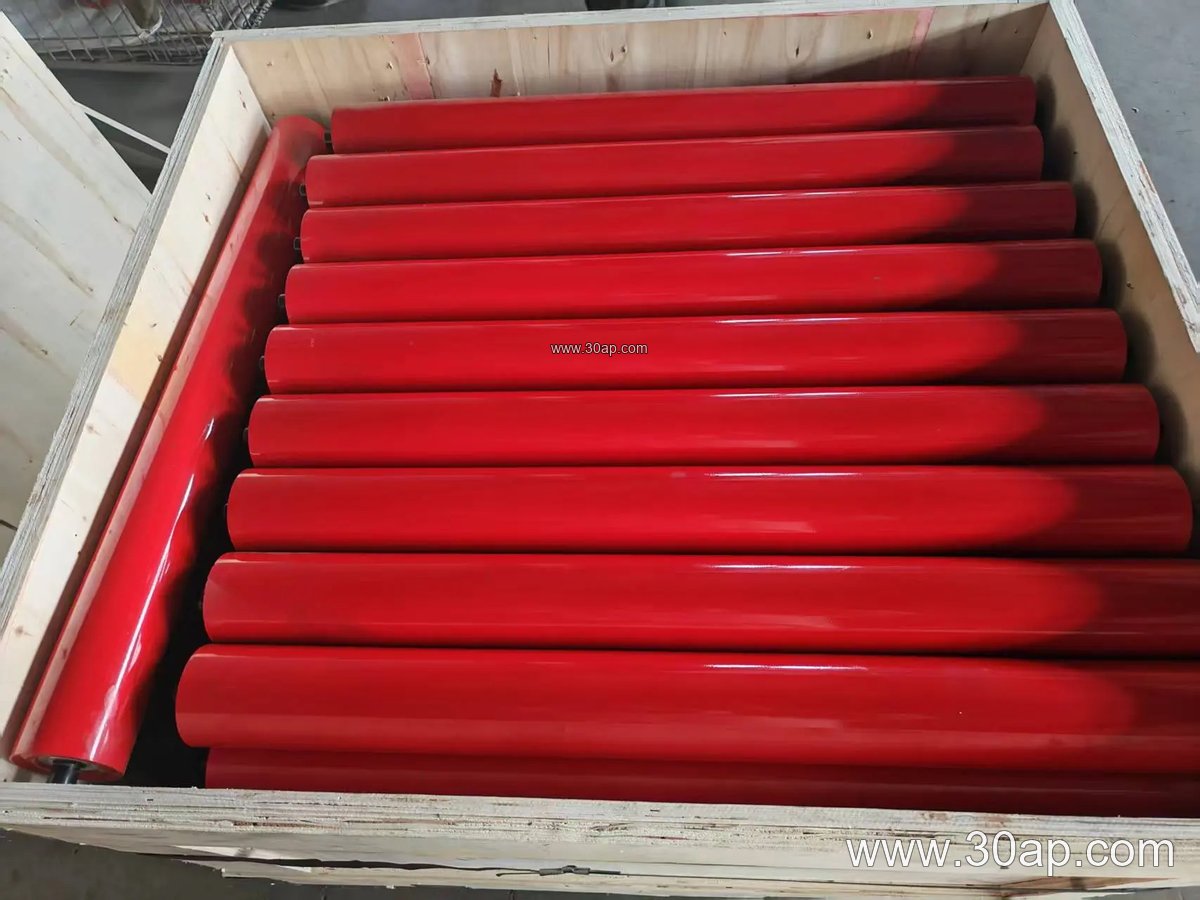
| Belt width | Typical roller length for three-roll troughing (example) |
|---|---|
| B500 | 200 mm |
| B650 | 250 mm |
| B800 | 315 mm |
| B1000 | 380 mm |
| B1200 | 465 mm |
| B1400 | 530 mm |
| B1600 | 600 mm |
| B1800 | 670 mm |
| B2000 | 750 mm |
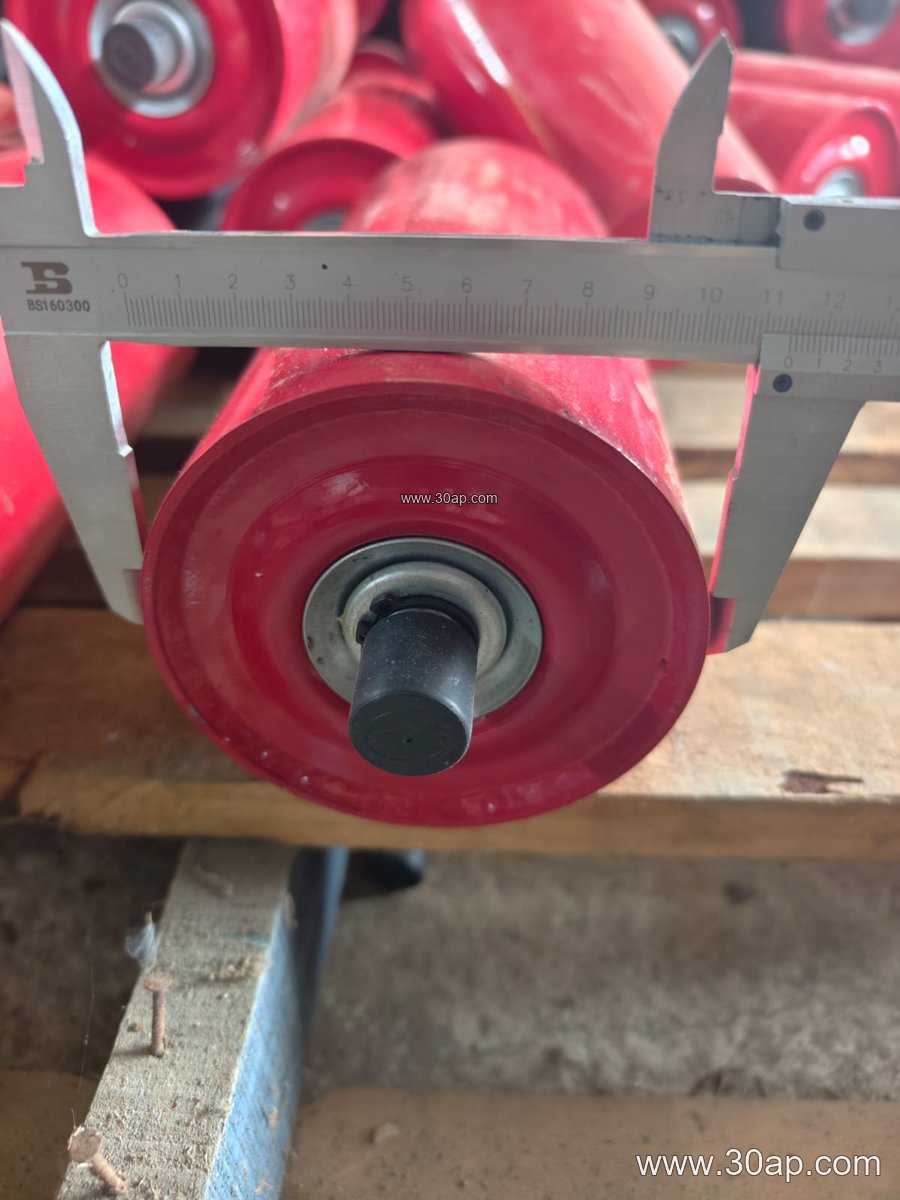
Common roller diameters for port service include Ø102, Ø108, Ø127, Ø133, Ø159, and Ø178 mm. Larger diameters are often chosen for high belt speeds or heavy loads, but the final size depends on the conveyor design. A port conveyor idler should never be selected from belt width alone; shaft diameter, bearing type, and frame dimensions must be confirmed against the conveyor bracket and pulley layout.
Where Port Conveyor Idlers Are Used
These idlers appear on ship loading conveyors, stockyard conveyors, and transfer conveyors handling coal, iron ore, copper ore, limestone, and other bulk materials. In a coal terminal, flame retardant and anti-static properties may be required for the conveyor belt, and the idler sealing must resist fine coal dust. In an iron ore or copper ore terminal, abrasion resistant conveyor belts and robust idler shells help cope with sharp, heavy lumps. The same idler family also serves power plant coal yards and steel plant raw material handling, though the belt specification changes with the duty.
Because port conveyors often run at high capacity, a failed idler can damage the belt and interrupt loading. Buyers should therefore ask for idler dimensional drawings, bearing clearance data, and seal type information rather than relying on a generic catalogue number.
Buyer Checklist for Port Conveyor Idlers
- Confirm the belt width and trough angle, then verify roller length and mounting dimensions with the conveyor bracket drawing.
- Match the idler load rating to the actual material weight and belt speed; do not assume one bearing size fits every roller diameter.
- Check the seal design for dust and moisture resistance in port conditions.
- For impact zones, specify rubber-ring impact idlers; for training zones, consider self-aligning or friction self-aligning types.
- Coordinate idler selection with the conveyor belt type — for example, an EP conveyor belt, steel cord conveyor belt, or flame retardant conveyor belt — since belt stiffness and edge condition affect tracking.
- Keep spare idlers and brackets consistent with the original installation to avoid mismatched roller lengths.
Well-chosen port conveyor idlers reduce belt wear and downtime. The key is to treat the idler as part of the whole conveyor system, not as a standalone item, and to confirm every dimension against the actual installation.