What a Q355 Conveyor Bracket Does
A Q355 conveyor bracket is the steel support that holds idler rollers in the correct position under or above a conveyor belt. Made from Q355 low-alloy structural steel, it carries the weight of the belt, the material load, and the roller itself without bending out of shape. In a quarry, a cement plant, or a power plant coal yard, these brackets are the quiet workhorses that keep the belt tracking straight and the trough profile consistent.
The same item is often called a Q355 conveyor support bracket or Q355 idler bracket. Whatever the name on the drawing, the job stays the same: fix the roller at the right height, angle, and spacing so the belt runs smoothly.
How the Bracket Is Built
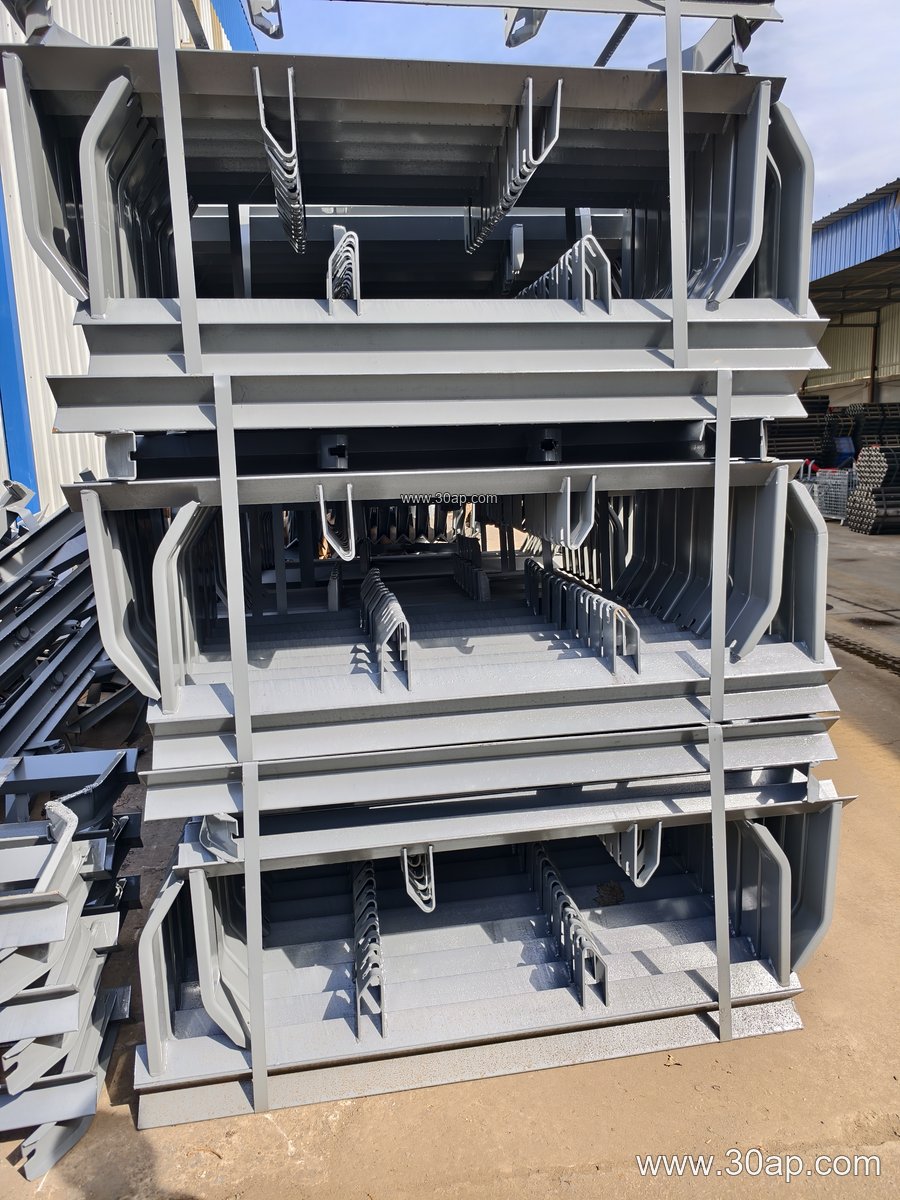
Most Q355 conveyor brackets are fabricated from angle steel, channel steel, or folded steel plate. The material grade matters because Q355 offers good yield strength and weldability, which helps the bracket resist fatigue in continuous duty. Common workshop steps include cutting, drilling mounting holes, bending the trough wings, welding, and a coat of paint or galvanizing.
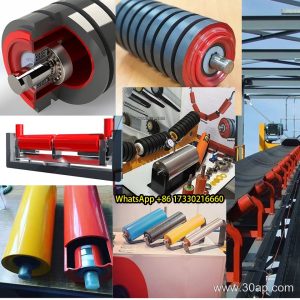
Typical bracket types include trough brackets, transition brackets, return brackets, V-return brackets, impact brackets, self-aligning brackets, and adjustable brackets. Each one positions a different roller set, so a buyer should match the bracket type to the roller layout rather than treat them as interchangeable.
Common Reference Dimensions
The values below are reference data for discussion, not a fixed supply promise. Hole spacing and beam length usually change with belt width and trough angle, so confirm every dimension on the drawing.
| Item | Common Reference Range |
|---|---|
| Belt width | B500, B650, B800, B1000, B1200, B1400, B1600, B1800, B2000, B2200 |
| Trough angle | 20, 30, 35, 45 degrees |
| Roller diameter | Ø89, Ø108, Ø133, Ø159, Ø194 |
| Material | Q355 angle, channel, or folded plate |
Trough Angle and Roller Match
Trough angle controls how deeply the belt sits in the trough. A 35 degree bracket is a common choice for bulk material, while a 45 degree set suits fine, free-flowing loads that need a deeper profile. Adjustable brackets let maintenance teams move between angles such as 20, 30, and 35 degrees without replacing the frame.
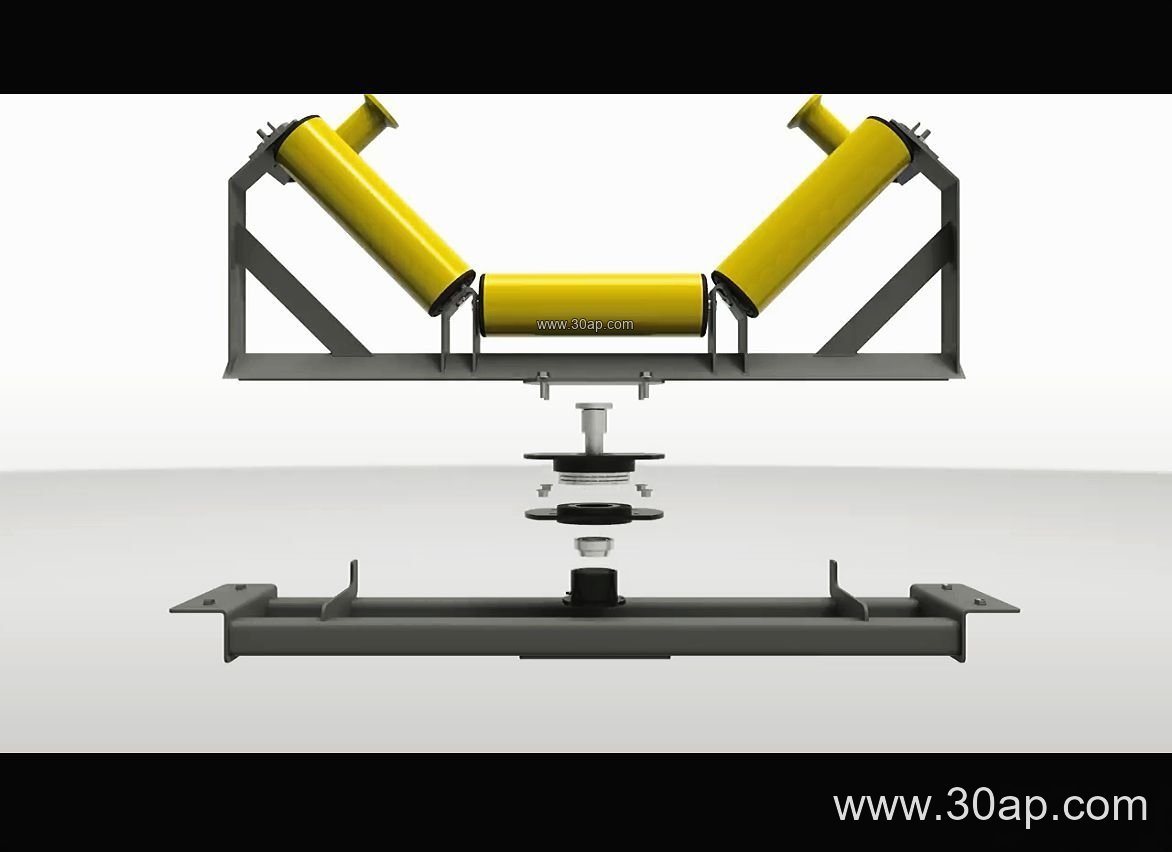
Roller diameter should follow the belt width and load, but there is no single rule. A B800 line might run with Ø108 rollers and a 35 degree trough, while a B1200 line may use Ø133 rollers at 45 degrees. These are examples, not mandatory pairs. Always check the conveyor design and the actual load before ordering.
Where These Brackets Are Used
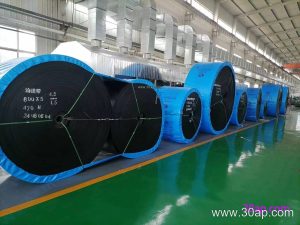
You will find Q355 conveyor brackets in stone crushing lines, sand and gravel plants, cement works, and power station coal handling. They also appear in iron ore yards and port loading systems. In these places the bracket works alongside the conveyor belt, conveyor pulley, and idler roller to keep material moving.
For dusty or abrasive duty, a heavy-duty bracket paired with an abrasion resistant conveyor belt and sealed rollers reduces wear and downtime. In cold regions, a cold resistant conveyor belt may be used, but the steel bracket still needs to handle impact and vibration.
Buyer Checklist
- Confirm the bracket type: trough, return, transition, impact, or adjustable.
- Check belt width, trough angle, and roller diameter against the conveyor drawing.
- Ask for material grade and coating, since Q355 is not the same as ordinary carbon steel.
- Review mounting hole spacing and beam length, which vary with design.
- Match the bracket to the roller and belt, not to a catalogue photo alone.
A well-chosen Q355 conveyor bracket keeps the idler roller aligned and the belt profile stable. For more conveyor components, visit www.example.com/conveyor-bracket or www.example.com/idler-roller to compare options.