What an Adjustable Conveyor Bracket Does
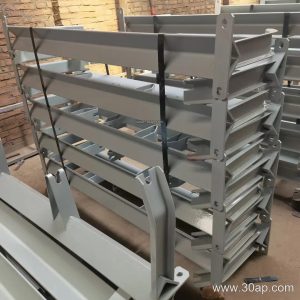
An adjustable conveyor bracket is a support component that allows the trough angle and sometimes the roller position to be changed after installation. Instead of welding a fixed frame, maintenance teams can loosen bolts and reset the bracket to suit a different belt load or material profile. This flexibility matters in plants where the same conveyor line handles more than one product, or where a conveyor belt replacement changes the recommended support geometry.
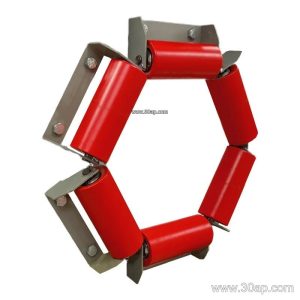
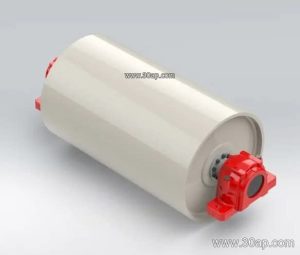
The bracket itself is usually a steel fabrication made from angle, channel, or folded plate. Its slotted holes or pivoting arms let the installer set the carrying idlers at a chosen trough angle. Common adjustments range from 20 to 45 degrees, and slight forward tilt of about 1.5 to 2 degrees can be built in for belt tracking. The bracket does not replace the idler roller or the conveyor pulley; it only holds and positions them.
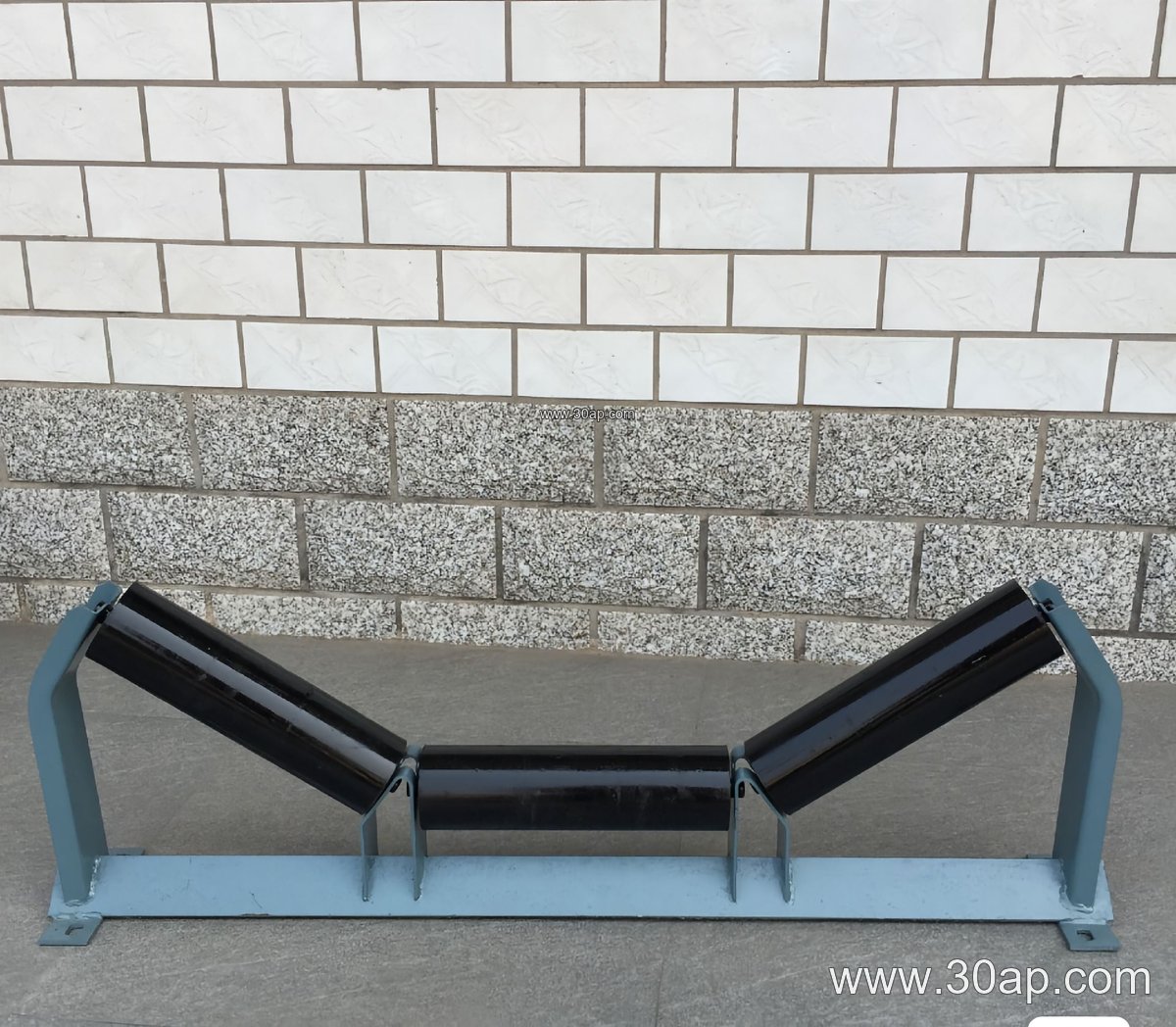
Construction and Mounting Points
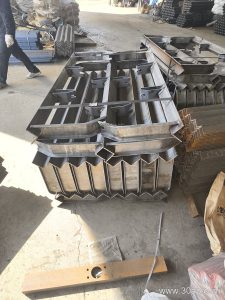
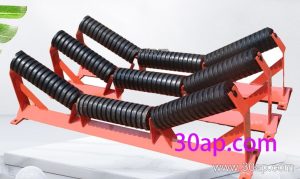
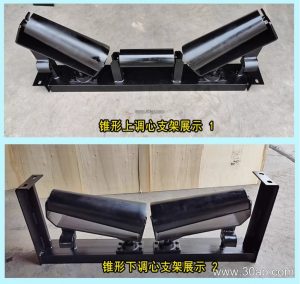
A typical adjustable bracket has a base plate that bolts to the conveyor stringer, a pair of side arms, and a cross beam with slotted mounting holes. The slots allow the roller ends to move inward or outward, changing the trough angle. Locking bolts or set screws hold the setting once adjusted. Materials are often mild steel with painted or galvanized finish, though galvanized versions are common in wet or dusty service.
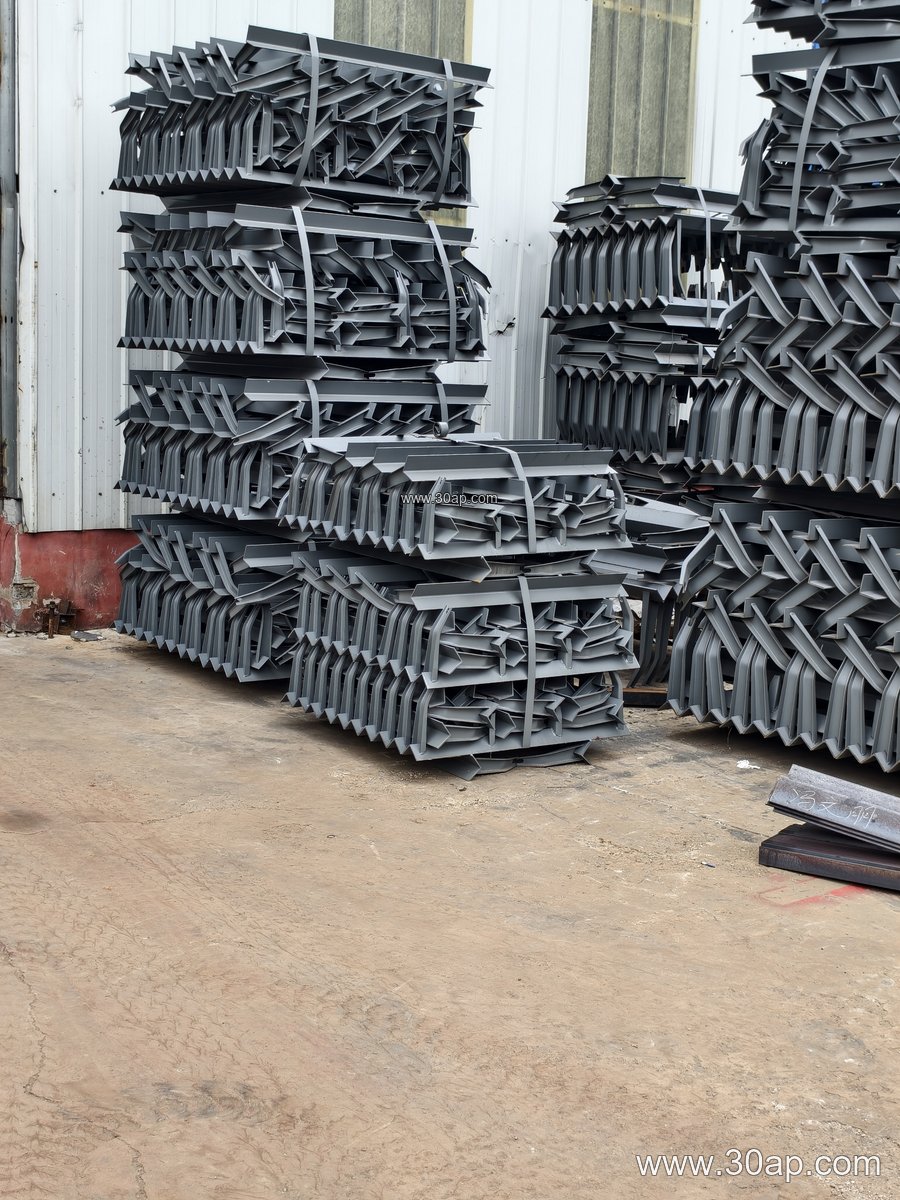
Mounting hole spacing and cross beam length are not fixed values. They are determined by belt width, required trough angle, and the roller diameter selected. For example, a B800 bracket with 35 degree trough and Ø108 rollers will have different dimensions from a B1200 bracket set at 45 degrees with Ø133 rollers. Buyers should confirm the stringer hole pattern and the roller end type before ordering.
Where Adjustable Brackets Are Used
These brackets appear in quarry and aggregate lines where feed size changes, in cement plants where different raw materials run on the same belt, and in power plant coal handling where belt loading varies. They are also useful in tunnel muck removal and in fertilizer or grain silo operations that switch between products. In each case, the ability to reset the trough angle helps match the belt to the material without cutting and rewelding the frame.
Adjustable brackets are often paired with a conveyor belt that has good flexibility, such as an EP conveyor belt or a multi-ply fabric core conveyor belt. For heavy abrasive service, a rubber conveyor belt with abrasion resistant cover may be used. The bracket must be strong enough for the idler roller load and the belt tension, so the frame thickness and bolt grade should match the conveyor duty.
Adjustable vs Fixed Brackets
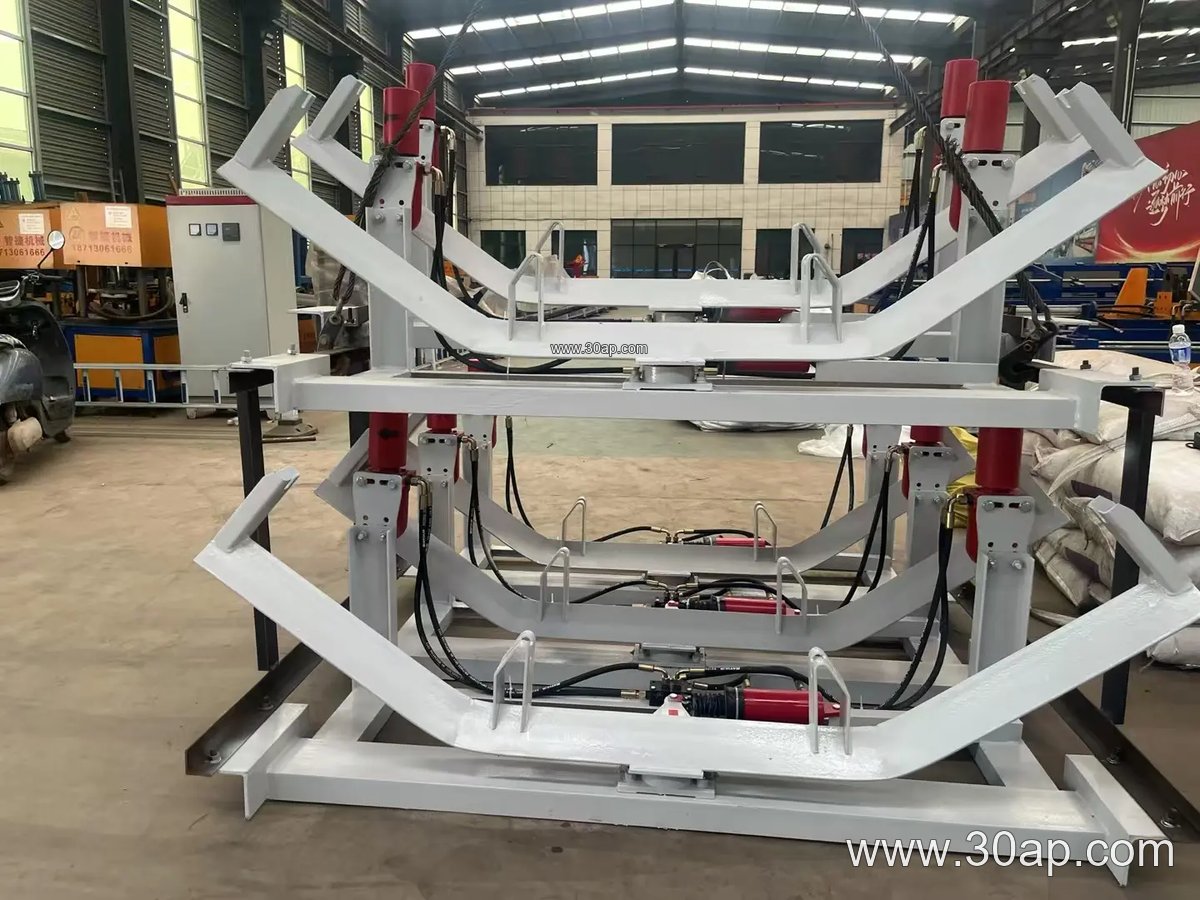
A fixed bracket locks the trough angle at one value. It is simpler and often cheaper, but it cannot be changed after installation. An adjustable bracket costs more and has more bolts to check, yet it allows fine tuning of belt tracking and material containment. In a coal mining conveyor belt system, for instance, a fixed 35 degree frame may work well, but an adjustable frame lets the operator try 30 or 45 degrees if spillage or belt wander appears. The choice depends on how often the duty changes.
Selection and Maintenance Notes
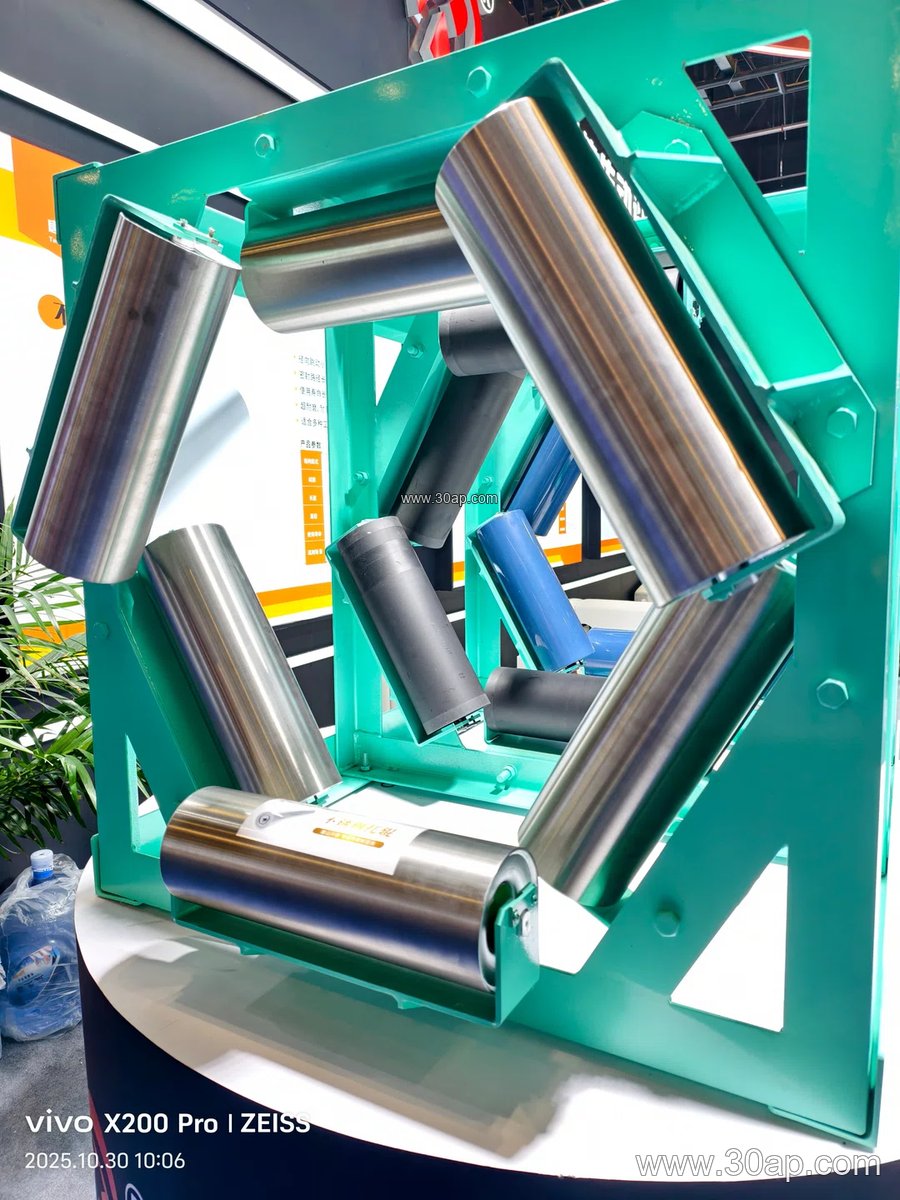
When selecting an adjustable conveyor bracket, confirm the belt width, the required trough angle range, and the roller diameter. Common belt widths include B500, B650, B800, B1000, B1200, B1400, and B1600. Roller diameters often fall in the Ø89 to Ø159 range for typical aggregate and cement duties, while larger mines may use Ø194. The bracket should be ordered with the correct slot length for the angle range needed.
Maintenance is straightforward: check bolt tightness after the first week, then periodically. Dust and fines can pack into the slots, so cleaning helps keep adjustment possible. If the belt is a flame retardant conveyor belt or a heat resistant conveyor belt, the bracket should not interfere with the belt cover or create sharp edges. For a pipe conveyor belt or a corrugated sidewall conveyor belt, the bracket design must clear the belt profile.
Buyers should ask for a dimension drawing showing the mounting holes, the adjustment range, and the roller end connection. This avoids mismatch with existing stringers and idlers. A well-chosen adjustable bracket extends the service life of the conveyor belt and the idler roller by keeping the belt centered and supported.