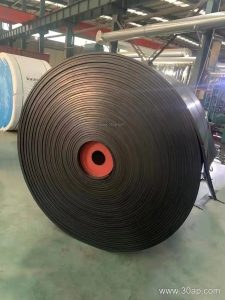
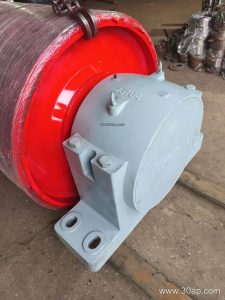
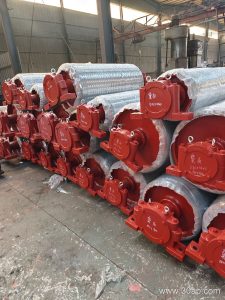
What the Conveyor Frame Does
A conveyor frame is the structural backbone of a belt conveyor. It carries the idler rollers, holds the conveyor pulley at each end, and keeps the belt path straight and stable from loading point to discharge. In a quarry, a cement plant, or a power plant coal yard, the frame is the part that ties everything together, so its design decides how smoothly the whole line runs.
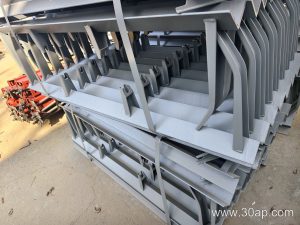
Frames are usually built from angle steel, channel steel, or folded steel plate. The choice depends on span, load, and site conditions. A light frame may be bolted together on site, while a heavy-duty frame for a bulk material conveyor belt is often welded in sections and joined with sturdy conveyor brackets.
How the Frame Is Put Together
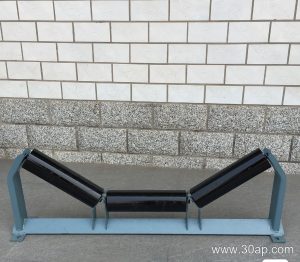
A typical frame includes side rails, cross beams, support legs, and mounting points for the troughing idler set, return idlers, and pulleys. The drive pulley, tail pulley, and bend pulley each need a separate mounting position, and they are not interchangeable, so the frame must be laid out around the actual pulley arrangement.
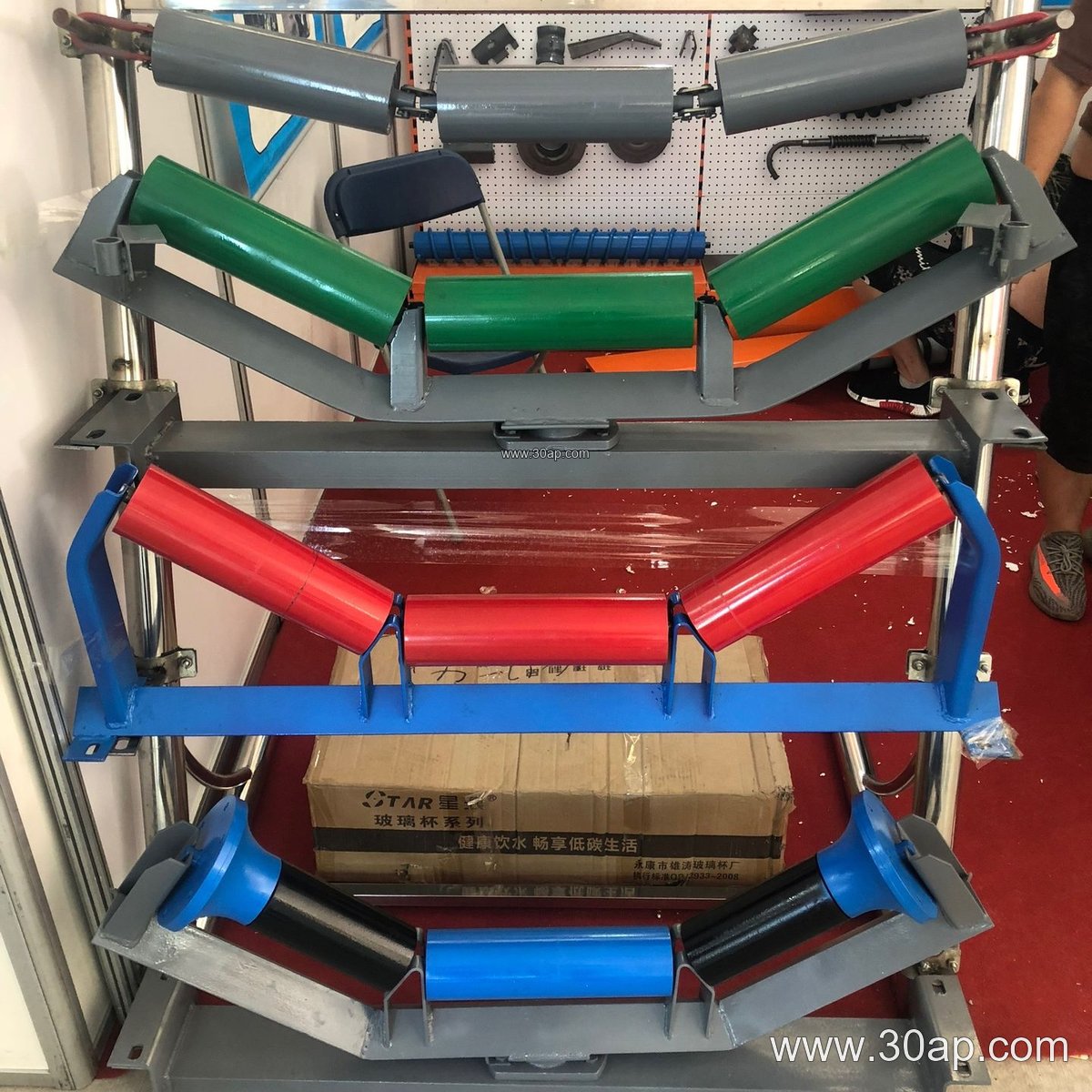
Common frame types include:
- Troughing idler frame for the carrying side
- Transition frame near pulleys and loading zones
- Return frame with flat or V-return idlers
- Impact frame under the hopper or crusher discharge
- Self-aligning frame for belt tracking
- Adjustable frame for changing trough angles
Material selection matters as much as shape. A dusty coal yard may call for galvanized or painted steel, while a wet washing plant needs good drainage and corrosion protection.
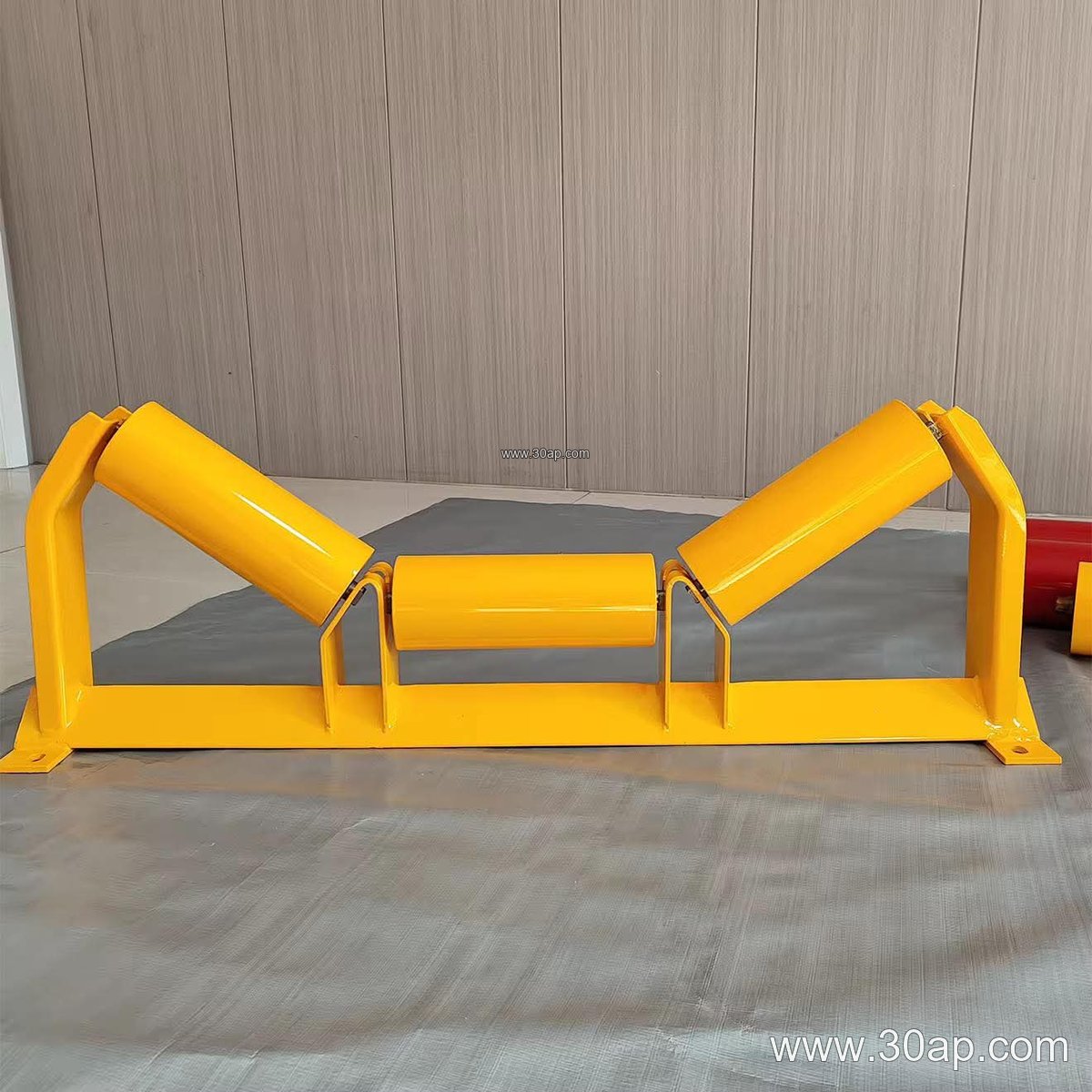
Matching Frame, Belt, and Rollers
The frame has to suit the belt width and the idler roller size. A common arrangement might be B800 with a 35 degree trough and Ø108 rollers, or B1200 with a 45 degree trough and Ø133 rollers. These are examples, not fixed rules. Wider belts such as B1400, B1600, or B1800 need longer cross beams and stronger legs, and the mounting hole spacing changes with belt width and trough angle.
Trough angles of 20, 30, 35, and 45 degrees are widely used. Adjustable frames allow the same structure to work at several angles. Forward-tilted idlers, often around 1.5 to 2 degrees, can help with belt tracking but should be chosen with care.
Where Conveyor Frames Are Used
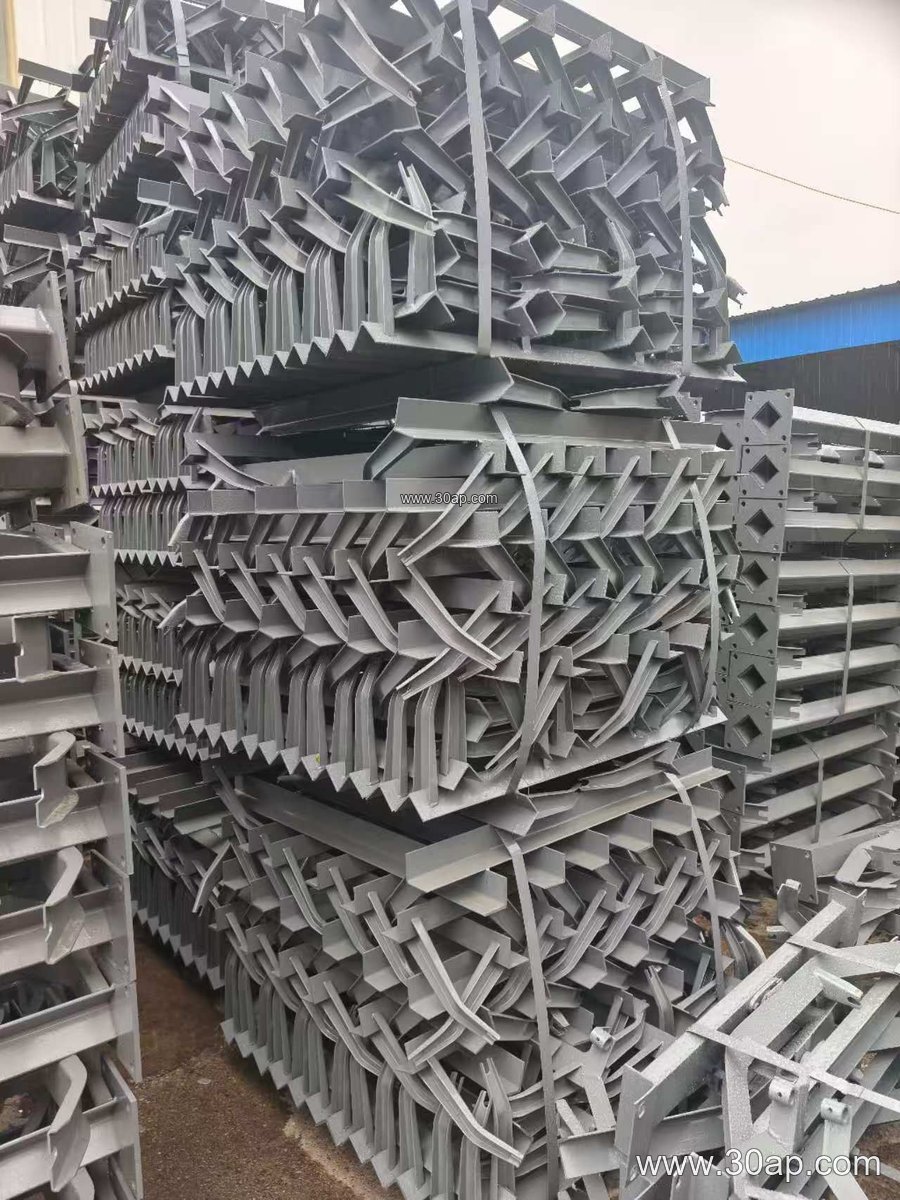
In an iron ore or limestone mine, frames carry heavy ore and rock conveyor belts over long distances. In a cement plant, they support clinker and raw material lines. In a coal-fired power plant, the coal handling system relies on frames that resist dust and vibration. Port terminals and aggregate yards also use modular frames for quick installation and replacement.
Some sites combine the frame with a skirted conveyor belt or a corrugated sidewall conveyor belt to contain material at the loading point. Others use a heat resistant conveyor belt or a flame retardant conveyor belt where temperature or fire safety is a concern, and the frame design must leave room for the belt’s thicker construction.
Buyer Checklist
Before ordering, confirm the belt width, the idler diameter, the trough angle, and the pulley layout. Check whether the frame is fixed or adjustable, and whether it needs impact or self-aligning sections. Ask about steel grade, surface treatment, and how sections are joined. For a mining conveyor belt line, mention the material being carried, the tonnage, and the environment so the frame can be specified correctly.
A well-chosen conveyor frame keeps the belt centered, reduces roller wear, and lowers maintenance. It is a simple structure, but it has a direct effect on the reliability of every conveyor belt, idler roller, and conveyor pulley in the system.