What a 650mm Conveyor Belt Is
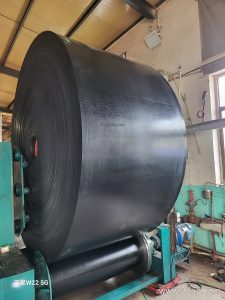
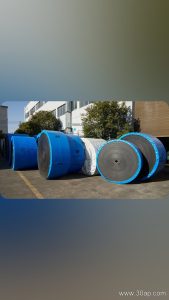
A 650mm conveyor belt is a belt with a nominal width of 650 millimeters, which is the B650 size in the standard belt-width series. It sits between the narrower 600mm conveyor belt and the wider 800mm conveyor belt, making it a common choice for medium-duty conveying lines where the material load is moderate and the frame space is limited. Depending on the duty, the belt may be a Rubber Conveyor Belt with fabric plies, an EP Conveyor Belt, an NN Conveyor Belt, or a steel cord construction for heavier tensions.
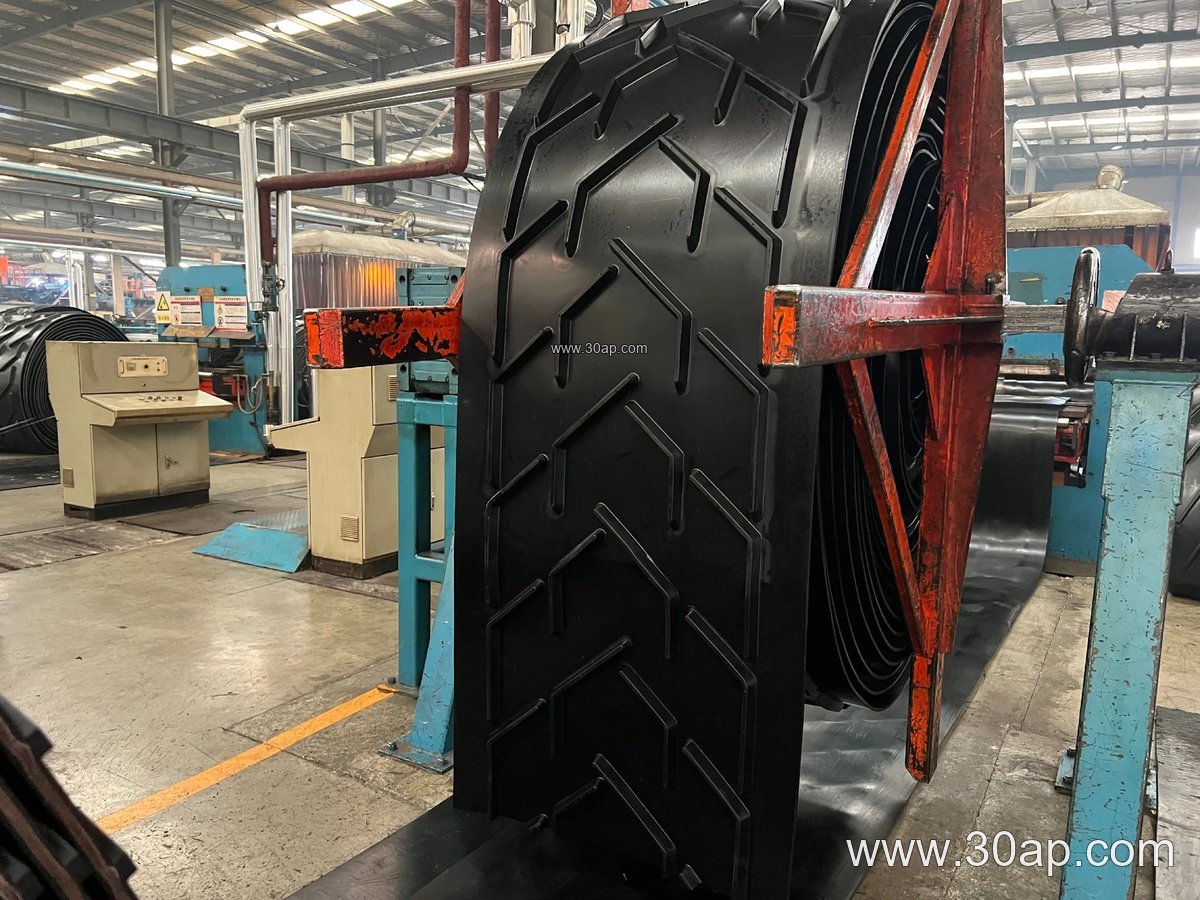
The width is only one part of the specification. A buyer also needs to confirm the carcass type, the number of plies, the cover grade and thickness, and the required surface form. For example, a 650mm Chevron Conveyor Belt on an inclined section handles a different job from a flat 650mm Abrasion Resistant Conveyor Belt on a horizontal run.
How the Belt Is Built
Most 650mm belts use a fabric core with rubber covers on both faces. The carcass may be EP (polyester warp, nylon weft) or NN (nylon warp, nylon weft), and the plies are bonded under heat and pressure. A Multi-Ply Fabric Core Conveyor Belt with two to six plies is typical for this width, and the cover compound is selected for the cargo and the environment.
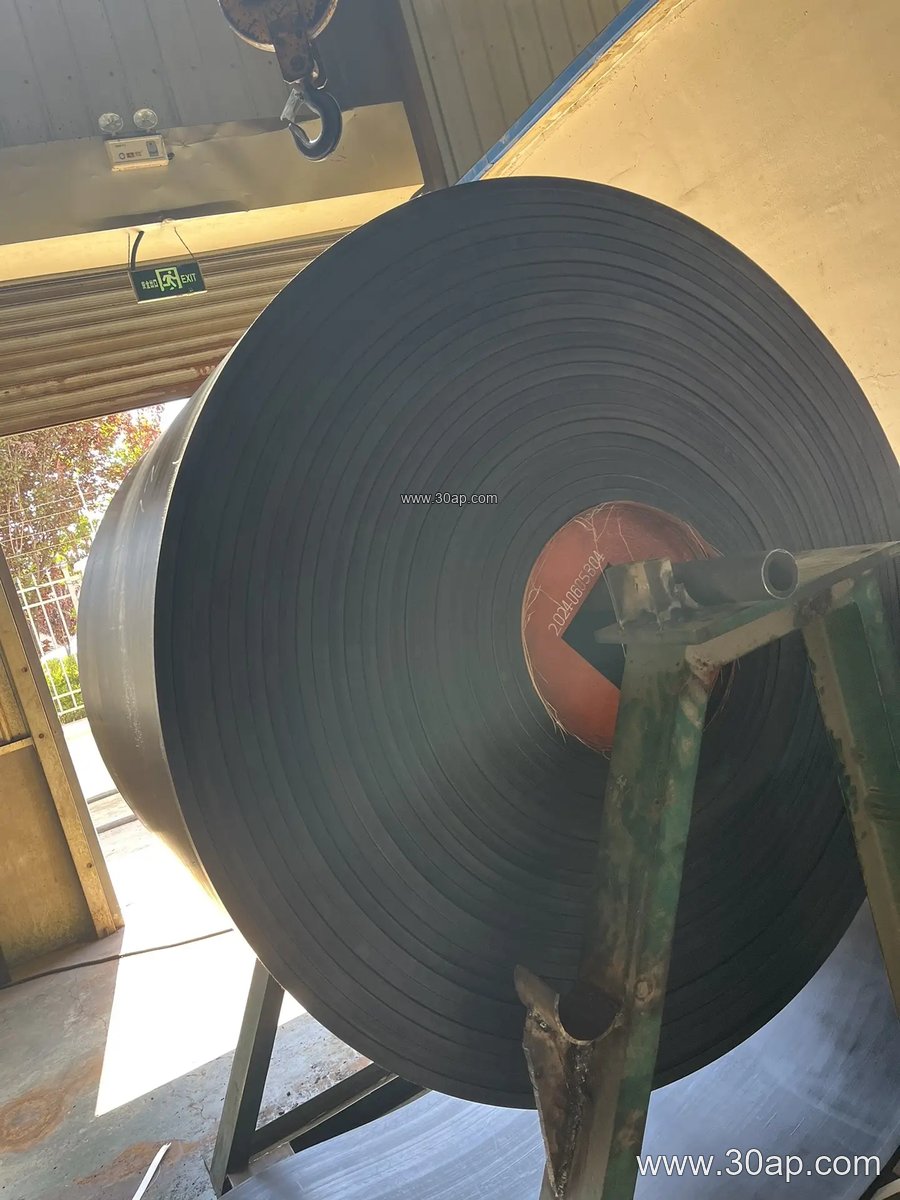
Common cover thickness combinations for this width include 3+1.5 mm, 4+2 mm, 5+2 mm and 6+2 mm, though the final figure is set by the conveyor design. Where the load is sharp or dropped from height, an Impact Resistant Conveyor Belt or a thicker top cover helps. Where the belt must resist fire in a coal handling circuit, a Flame Retardant Conveyor Belt or a Fire Resistant Conveyor Belt grade is used, and a PVC or PVG construction is sometimes chosen for underground work.
Typical Duty and Strength Ranges
The table below gives reference values that appear in common catalogues. They are not universal specifications, and each supplier may offer a different range.
| Property | Common reference values |
|---|---|
| Belt width | B650 (650 mm) |
| Fabric core grades | EP200, EP315, EP400, EP500, EP630, EP800, EP1000 |
| NN grades | NN100, NN200, NN300, NN400 |
| Steel cord grades (where used) | ST1000, ST1250, ST1600 |
| Cover thickness | 3+1.5, 4+2, 5+2, 6+2 mm |
| Ply count | 2 to 6 plies, by design |
These values are reference data. A 650mm belt is not tied to one strength grade, and the grade should follow the calculated tension rather than the width alone.
Where the 650mm Width Fits
This width appears in many bulk material circuits. In a quarry or aggregate plant it often feeds a crusher or carries screened stone along a short transfer. In a cement plant it may move clinker, limestone or gypsum on a secondary line. In a coal yard or a power plant it can serve as a feeder belt, and with a Flame Retardant Conveyor Belt grade it may be used in a coal mining conveyor belt system. Sand making plants, recycling lines and small port conveyors also use it.
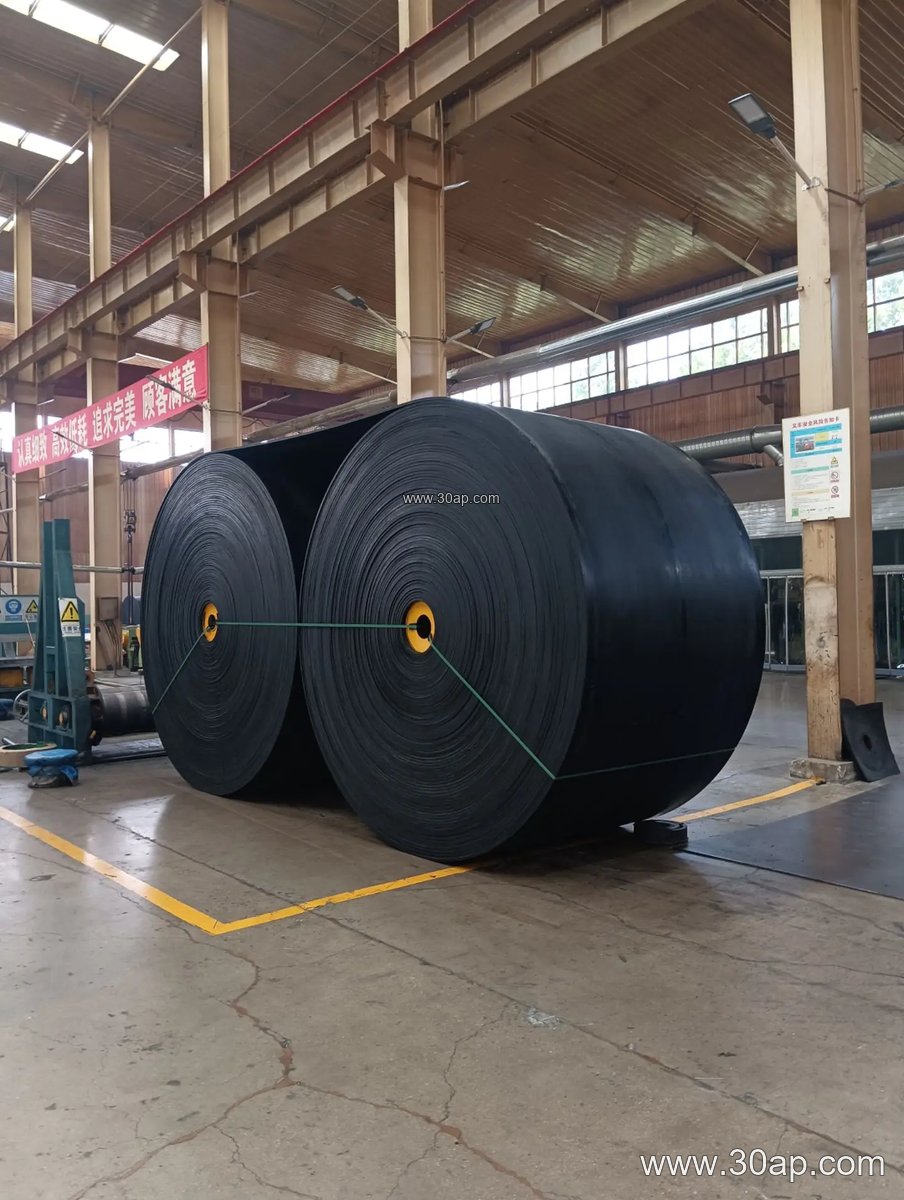
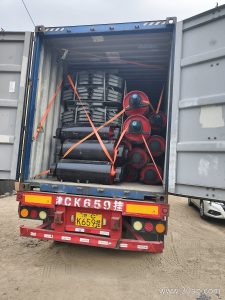
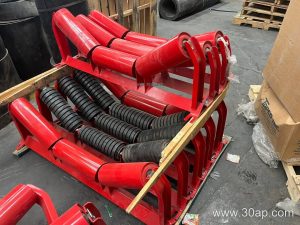
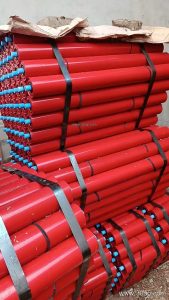
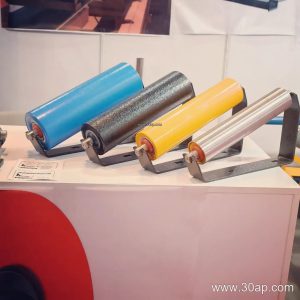
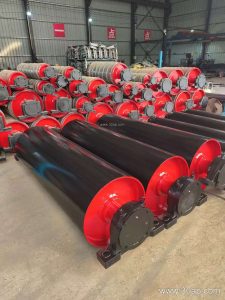
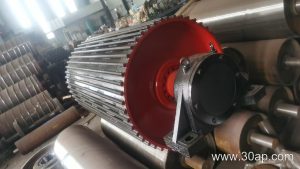
The belt runs on a conveyor pulley at the head and tail, supported by an idler roller set and held by a conveyor bracket on the frame. Drive, tail and bend pulleys each have a separate role, and none of them should be treated as a substitute for another. The belt width does not by itself fix the pulley diameter; that is determined by the belt tension, the carcass and the shaft load.
Selection Points for Buyers
- Confirm the actual cargo: sharp rock calls for a High Abrasion Resistant Conveyor Belt, hot material for a Heat Resistant Conveyor Belt, oily scrap for an Oil Resistant Conveyor Belt, and cold sites for a Cold Resistant Conveyor Belt.
- Check the incline. A Chevron Conveyor Belt or a Corrugated Sidewall Conveyor Belt may be needed where the angle is steep.
- Match the carcass grade to the calculated tension, not to the width. EP630 and EP800 are common on this size, but lighter and heavier grades exist.
- Ask for the splice method and whether an Endless Conveyor Belt is required for the installation.
- Review the pulley and idler roller arrangement with the belt supplier so the 650mm belt, the conveyor pulley and the conveyor bracket all fit the same frame.
Handling and Maintenance Notes
Store 650mm rolls on a dry, flat surface and keep them out of direct sunlight. Check belt tracking after installation, inspect the idler roller for seizure, and watch the conveyor pulley lagging for wear. A belt that mistracks on a 650mm frame can usually be corrected by adjusting the tail pulley or the idler sets rather than by changing the belt. For hot or oily service, confirm that the cover compound still meets the duty after the first inspection cycle.
For more belt, idler and pulley information, see the product notes at conveyor belt and rubber conveyor belt resources, and review conveyor pulley guidance before ordering a replacement.