What a Stainless Steel Pulley Is and Where It Fits
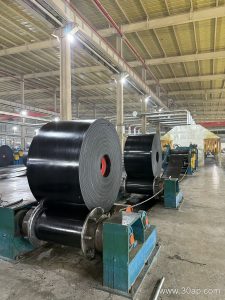
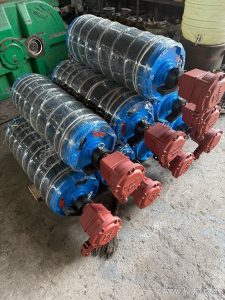
A stainless steel pulley is a conveyor pulley whose shell, end discs and often the shaft or hub assembly are made from stainless steel rather than painted carbon steel. In a belt conveyor, this component drives, tensions or redirects the belt, so it sits at the heart of the machine’s motion. Buyers searching for a corrosion-resistant conveyor pulley usually mean exactly this product: the stainless steel conveyor pulley, sometimes shortened to SS pulley.
The material choice matters most in wet, salty, chemical or wash-down environments. A quarry washing plant, a port handling bulk material in humid air, a food or fertilizer facility that hoses down equipment, and a tunnel project with alkaline seepage all put ordinary steel at risk. Stainless steel resists rust and pitting far better, which keeps the shell surface smooth and the belt tracking predictable.
How the Pulley Is Built
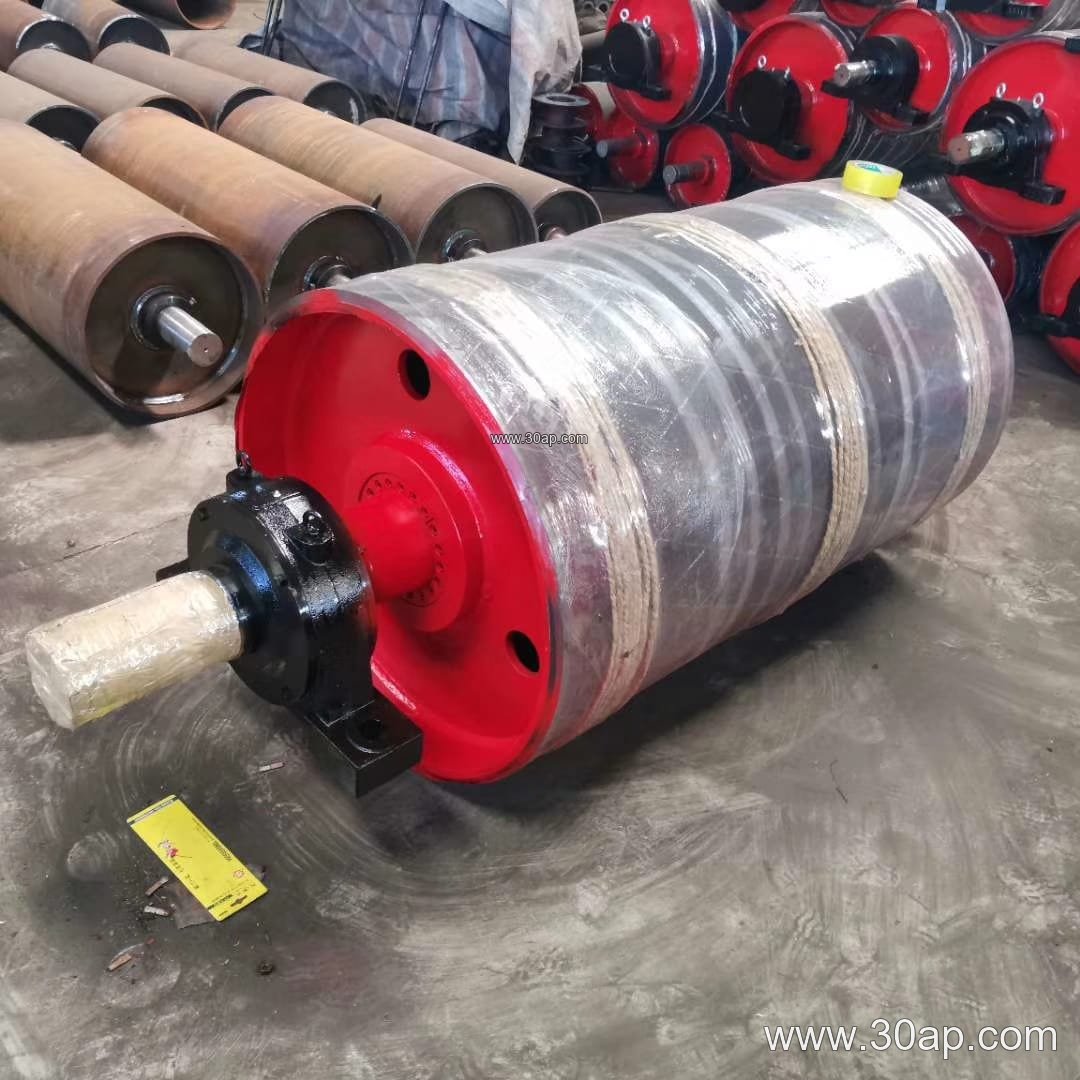
Most units are welded assemblies. The shell is rolled from stainless plate, machined true, and fitted with end discs that connect to the hub or shaft. Shafts are commonly stainless too, though some designs use a stainless shell with a protected carbon steel shaft where the load demands it. Bearings sit in housings at each end, and the whole assembly is balanced before it leaves the workshop.
Surface finish is a real specification point. A machined or polished shell reduces friction and buildup, while a lagged surface improves grip. Common lagging options include plain rubber, diamond-pattern rubber, herringbone rubber and ceramic tiles, usually in thicknesses of 8, 10, 12, 15 or 20 mm. For stainless pulleys in wet service, a smooth or lightly textured surface is often preferred because sticky material releases more easily.
- Shell material: stainless steel plate, rolled and welded
- End discs and hubs: stainless or hybrid construction
- Lagging: plain, diamond, herringbone, ceramic or smooth finish
- Bearing housings: sealed for dusty or wet conditions
Sizes, Face Width and Shaft Diameter
Pulley size is described by shell diameter and face width. Face width normally exceeds belt width so the belt is fully supported. Typical relationships look like this:
| Belt width | Typical pulley face width |
|---|---|
| B400 | about 500 mm |
| B650 | about 750 mm |
| B800 | about 950 mm |
| B1000 | about 1150 mm |
| B1200 | about 1400 mm |
| B1400 | about 1600 mm |
| B1600 | about 1800 mm |
Diameters commonly run from Ø200 up to Ø1800, depending on belt speed, wrap angle and tension. A B800 unit might use Ø500, while a B1200 drive position could call for Ø1000 or more. There is no fixed rule tying one belt width to one diameter, and shaft diameter is never derived from belt width alone. Shaft sizes such as Ø80, Ø100, Ø120 or Ø160 are selected from torque and radial load calculations.
Drive, Tail and Bend Positions Are Not Interchangeable
The same stainless steel pulley can serve different duties, but the duty changes the design. A drive pulley transmits torque through lagging and must grip; a tail pulley at the loading end guides the belt and often carries a wider face; a bend pulley changes belt direction with a smaller wrap. These are separate positions with separate load cases, and a tail pulley cannot simply be swapped into a drive position. On a quarry conveyor carrying crushed rock, the head or drive pulley may need ceramic lagging, while a bend pulley upstream can stay smooth.
When specifying, tell the supplier the position, the belt width, the belt type it will run with, and the ambient conditions. A heavy-duty mining conveyor belt and a lightweight fabric core belt place very different demands on the same shell.
Applications Across Dusty and Wet Industries
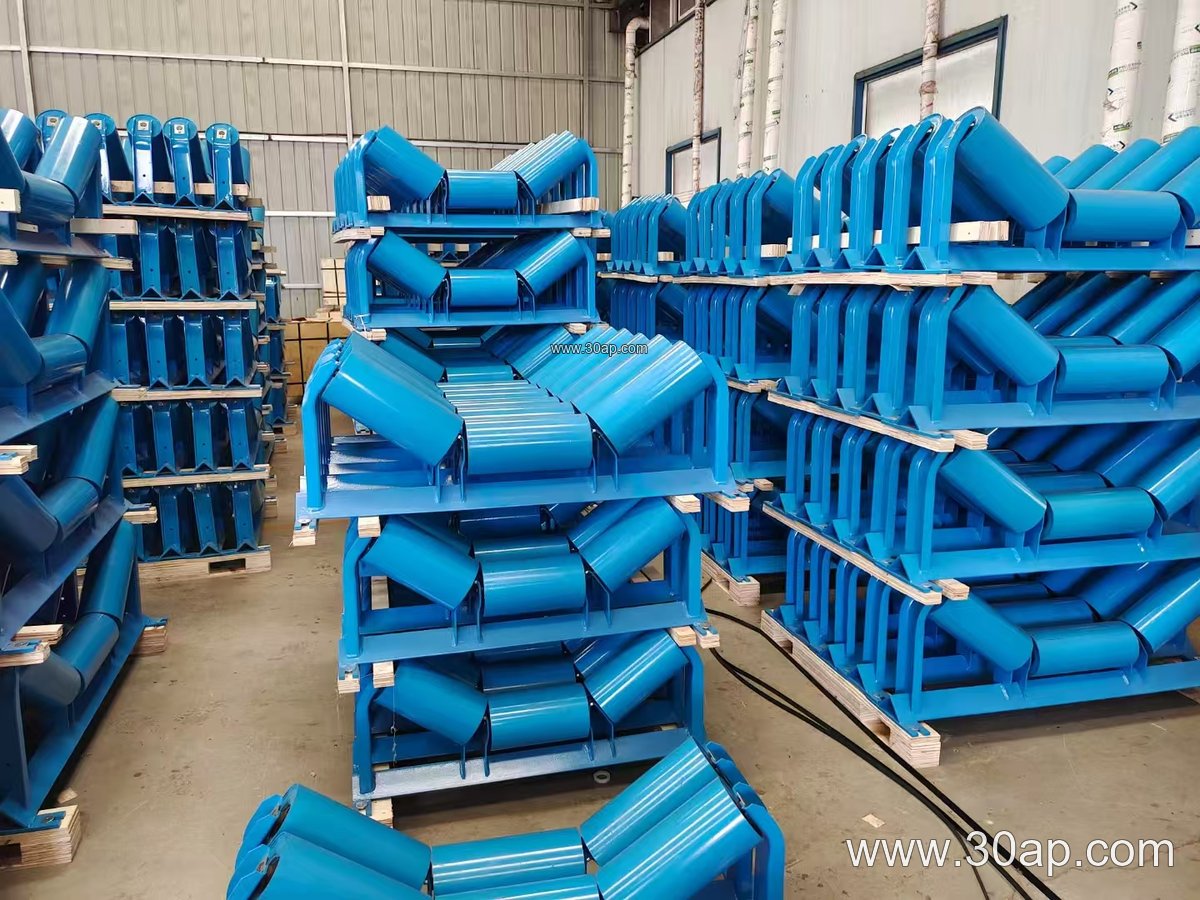
Stainless units appear in cement plant clinker lines where dust combines with moisture, in power plant coal handling where wash-down is routine, and in fertilizer and grain silos where residue must not contaminate the product. Port bulk terminals use them on ship loading conveyors exposed to salt air. In each case the pulley works alongside the conveyor belt, idler roller and conveyor bracket, and the whole frame benefits when one component stops corroding.
Matching the pulley to the belt matters. An abrasion resistant conveyor belt running over a smooth stainless shell behaves differently from a chevron or corrugated sidewall belt that needs clearance at the edges. Check that the face width and lagging profile suit the belt’s profile and that the pulley diameter gives an acceptable wrap angle.
Buyer Checklist Before Ordering
- Confirm the position: drive, tail, bend or take-up, since each has its own load case.
- State belt width, belt type and expected tension so diameter and shaft can be calculated.
- Choose the lagging pattern and thickness for the material being carried.
- Specify stainless grade and whether the shaft is stainless or protected carbon steel.
- Ask about balancing, bearing sealing and surface finish for wet or wash-down duty.
- Verify face width exceeds belt width and that edge clearance suits the belt profile.
For more conveyor component references, including roller and frame options, visit chengconveyor.com and review the pulley and roller pages before finalizing a specification.