What a Guide Roller Does on a Conveyor
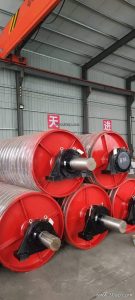
A guide roller is a specialized idler roller used to keep a conveyor belt centered and to correct minor misalignment before it becomes a belt-tracking problem. In aggregate plants, cement kiln feed lines, and coal handling systems, a small drift in belt position can lead to edge damage, spillage, and uneven wear on the conveyor pulley. The guide roller responds to that drift by applying a gentle steering force, usually through a slight forward tilt or a tapered profile. It is not a drive pulley, tail pulley, or bend pulley; those components transmit power or change belt direction, while the guide roller belongs to the idler group and works purely on belt alignment.
Construction and Common Configurations
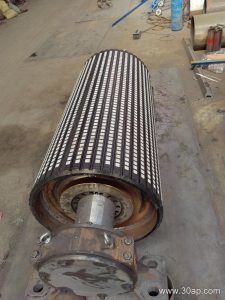
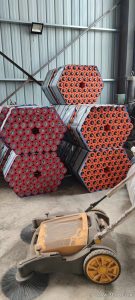
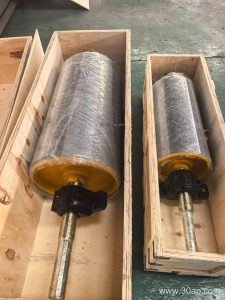
Most guide rollers share the basic build of a heavy-duty idler roller: a steel tube shell, welded end caps, a shaft, and sealed bearings. The difference lies in the surface form and mounting arrangement. Common variants include the friction self-aligning roller, the tapered self-aligning roller, and the return-side V-type roller used for training. Roller diameters typically range from Ø63 to Ø219, with Ø89, Ø108, Ø127, and Ø133 being frequent choices in bulk material handling. Bearing sizes such as 6204, 6205, 6305, 6306, 6308, and 6310 appear across the range, and the bearing is selected according to load and speed rather than matched to one shell diameter alone. Surface options include plain steel, nylon, ceramic, and rubber rings. Rubber rings are useful where impact and abrasion are present, while ceramic or nylon surfaces can reduce buildup in sticky service.
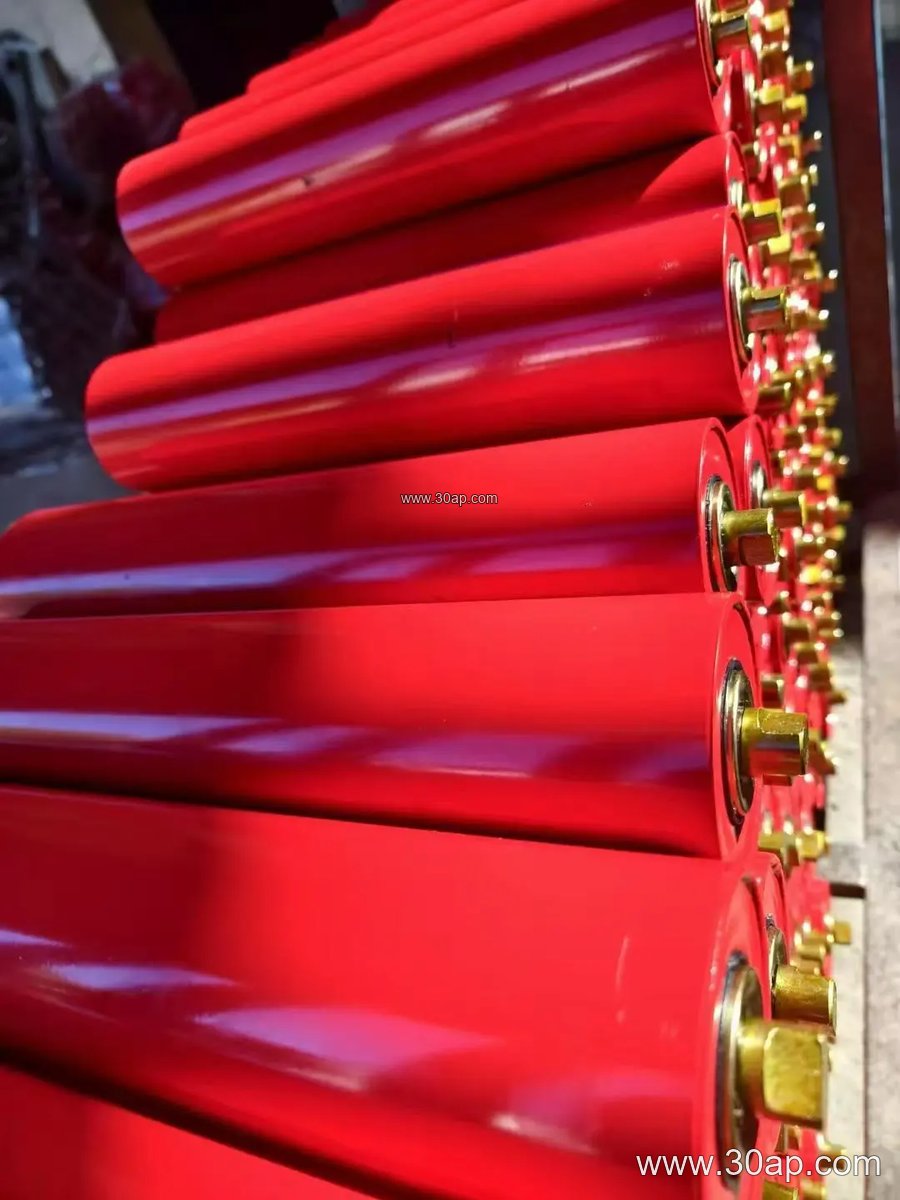
Typical guide roller reference dimensions
| Belt width | Common roller length (three-roll troughing example) | Typical roller diameter range |
|---|---|---|
| B500 | about 200 mm | Ø63–Ø89 |
| B650 | about 250 mm | Ø76–Ø108 |
| B800 | about 315 mm | Ø89–Ø127 |
| B1000 | about 380 mm | Ø108–Ø133 |
| B1200 | about 465 mm | Ø108–Ø159 |
| B1400 | about 530 mm | Ø127–Ø159 |
| B1600 | about 600 mm | Ø133–Ø178 |
| B1800 | about 670 mm | Ø159–Ø194 |
| B2000 | about 750 mm | Ø159–Ø219 |
These figures are common examples for three-roll troughing sets; side rollers and center rollers can differ, and final dimensions are confirmed by conveyor design. A guide roller for a 1200mm wide conveyor belt will not automatically share the same shaft diameter as a 650mm belt, because shaft size depends on load, bracket design, and the conveyor bracket interface.
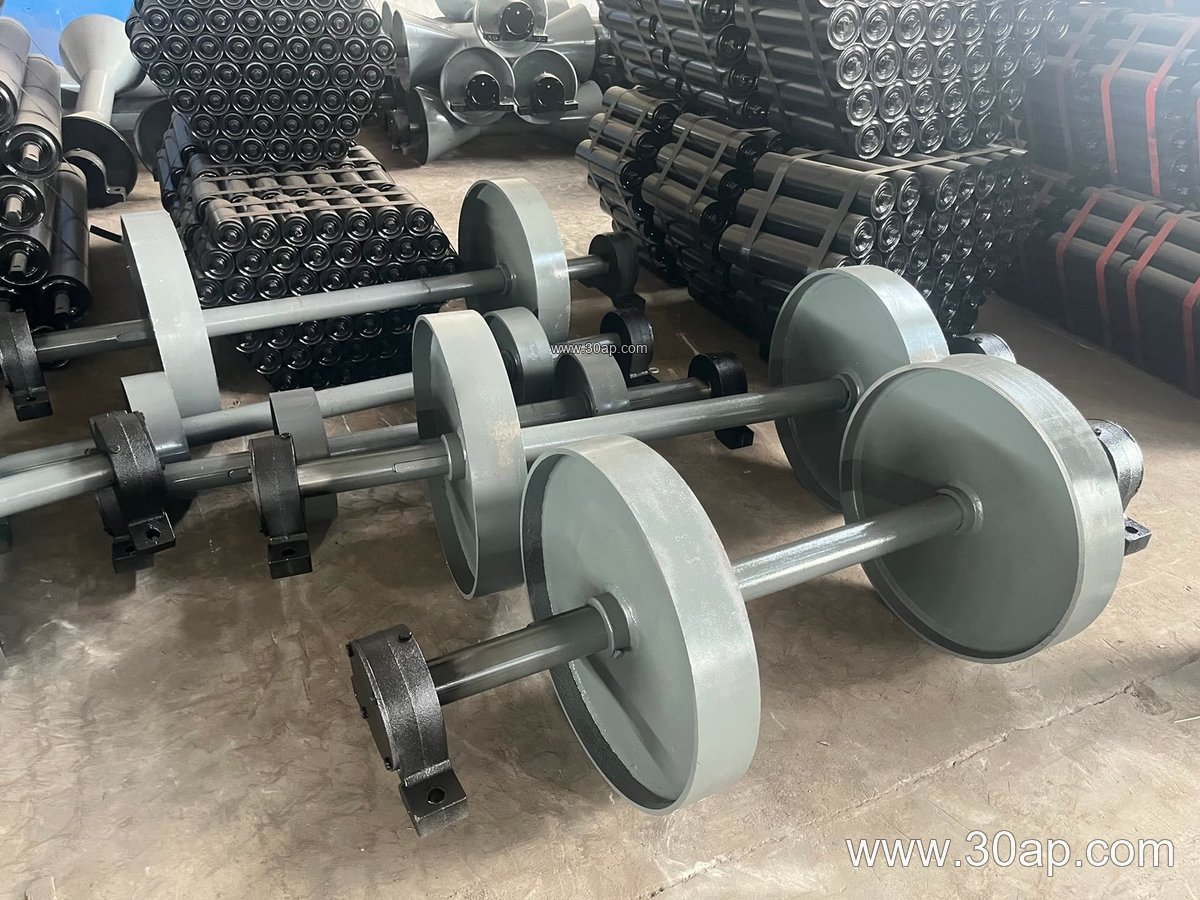
Where Guide Rollers Fit in the Line
In a quarry conveyor or a power plant coal conveyor, guide rollers are often placed just after the loading point and at intervals along the carrying run where belt tracking is critical. On the return side, a V-type return roller or a pair of tapered rollers can guide the belt without contacting the full width. In underground mining conveyor systems, space is tight and maintenance access is limited, so sealed, low-friction guide rollers help reduce stoppages. The same principle applies in a cement plant clinker line or a steel plant sinter feed, where dust and heat demand careful bearing protection. A guide roller should be distinguished from a buffer roller, which absorbs impact at transfer points, and from a spiral roller, which cleans the return belt. Each has its own job, and mixing them up can leave a belt mistracked or a transfer point underprotected.
Buyer Checklist for Guide Rollers
- Confirm the belt width and the existing conveyor bracket dimensions before ordering; roller length and shaft end must match the bracket.
- Check the roller diameter and bearing size against the actual load and belt speed, not against a single catalog rule.
- Select the surface form for the environment: rubber rings for impact, nylon or ceramic for sticky material, plain steel for general service.
- Verify sealing and lubrication for dusty or wet conditions, especially in coal mining conveyor and aggregate conveyor applications.
- Ask for the guide roller’s tilt angle or taper details if belt tracking is the main concern; a small forward tilt is common, but the exact value should follow the conveyor design.
- Keep spare guide rollers with the same mounting configuration so replacements do not require bracket modification.
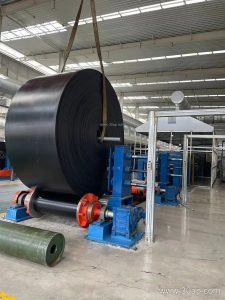
For operators running a fabric core conveyor belt or a steel cord conveyor belt, guide roller condition matters because edge contact and misalignment accelerate belt damage. A worn guide roller can wear the belt edge long before the belt itself reaches the end of its service life. Regular inspection of roller rotation, shell wear, and bearing play is a simple way to protect the whole conveyor system. Whether the site is a limestone mine, a port ship loader, or a concrete batching plant, the guide roller remains a small component with a direct effect on belt life and material containment.