What a Conveyor Leg Does
A conveyor leg is the vertical support that carries the idler frames and belt load along a conveyor line. In many plants it is called a conveyor support leg or conveyor stand leg, and it is the same structural component. The leg transfers the weight of the conveyor belt, material, idlers, and pulleys to the floor or foundation. It also holds the frame at the correct height and alignment so the belt tracks properly. In a quarry conveyor or a cement plant, the legs are often the most visible part of the structure, but their role is purely load-bearing and positioning.
How a Conveyor Leg Is Built
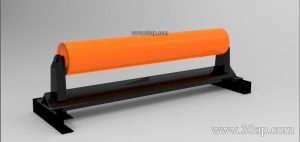
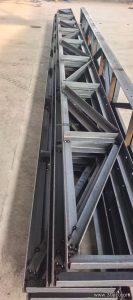
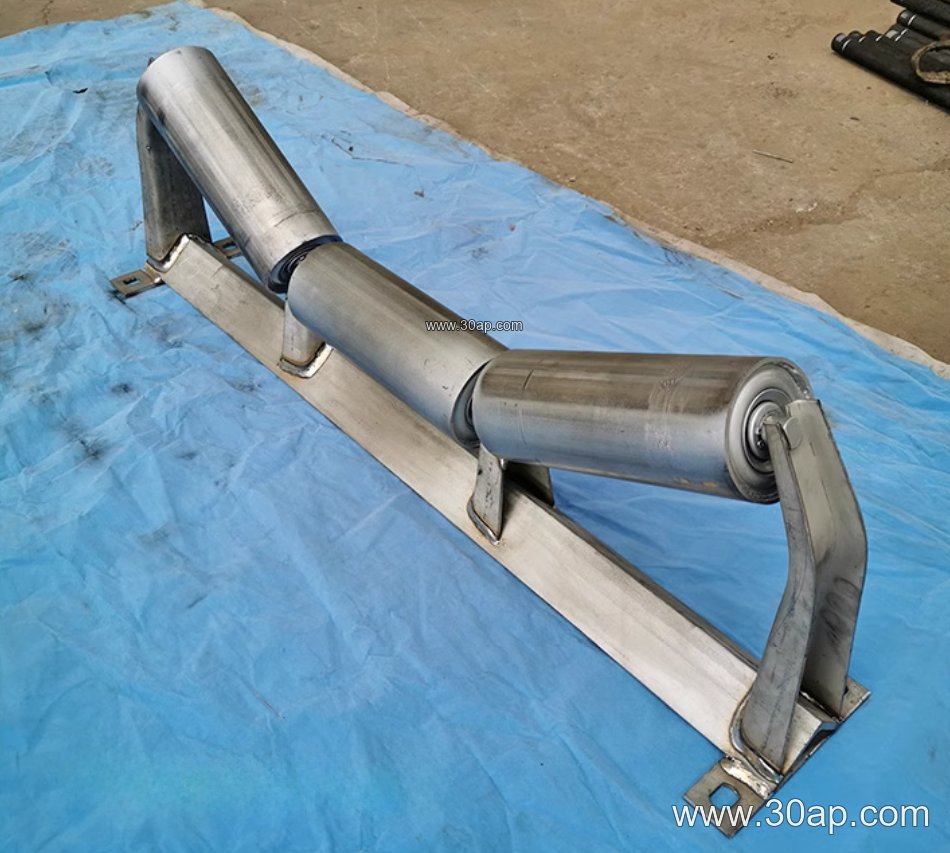
Most legs are fabricated from angle steel, channel steel, or folded steel plate. The material choice depends on the load and the environment. For a heavy-duty mining conveyor, channel steel legs are common because they resist bending and vibration. For lighter aggregate conveyors, angle steel may be sufficient. A leg usually includes a base plate with bolt holes for anchoring, a vertical column, and a top connection that matches the conveyor bracket or stringer. Some designs are fixed, while adjustable legs allow height changes for slope or transition sections. The connection to the conveyor bracket should be rigid enough to keep the idler roller aligned with the belt.
Where Conveyor Legs Are Used
These supports appear in almost every bulk material handling line. In a coal mining conveyor or underground mining conveyor, legs must fit tight spaces and resist moisture and dust. In a power plant coal yard, they support long overland conveyors that carry fuel to the boiler. In a sand and gravel plant, legs are often paired with a quarry conveyor belt and idler rollers to form a complete truss section. The same component is used in a cement plant, a steel plant, and a port ship loading conveyor. The working environment decides the surface treatment and material thickness, not the basic shape.
Matching Legs with Belt Width and Idler Diameter
A conveyor leg is not selected by belt width alone. The leg height, top connection, and base plate must match the idler frame and the conveyor bracket. Common belt widths include B500, B650, B800, B1000, B1200, B1400, B1600, B1800, B2000, B2200. Idler roller diameters often range from Ø89 to Ø194. A typical combination might be B800 with 35-degree troughing and Ø108 idlers, or B1200 with 45-degree troughing and Ø133 idlers. These are examples, not fixed rules. The same belt width can use different idler diameters depending on load and speed. Installation hole spacing and crossbeam length change with belt width and trough angle, so they should be confirmed by design.
Types and Adjustability
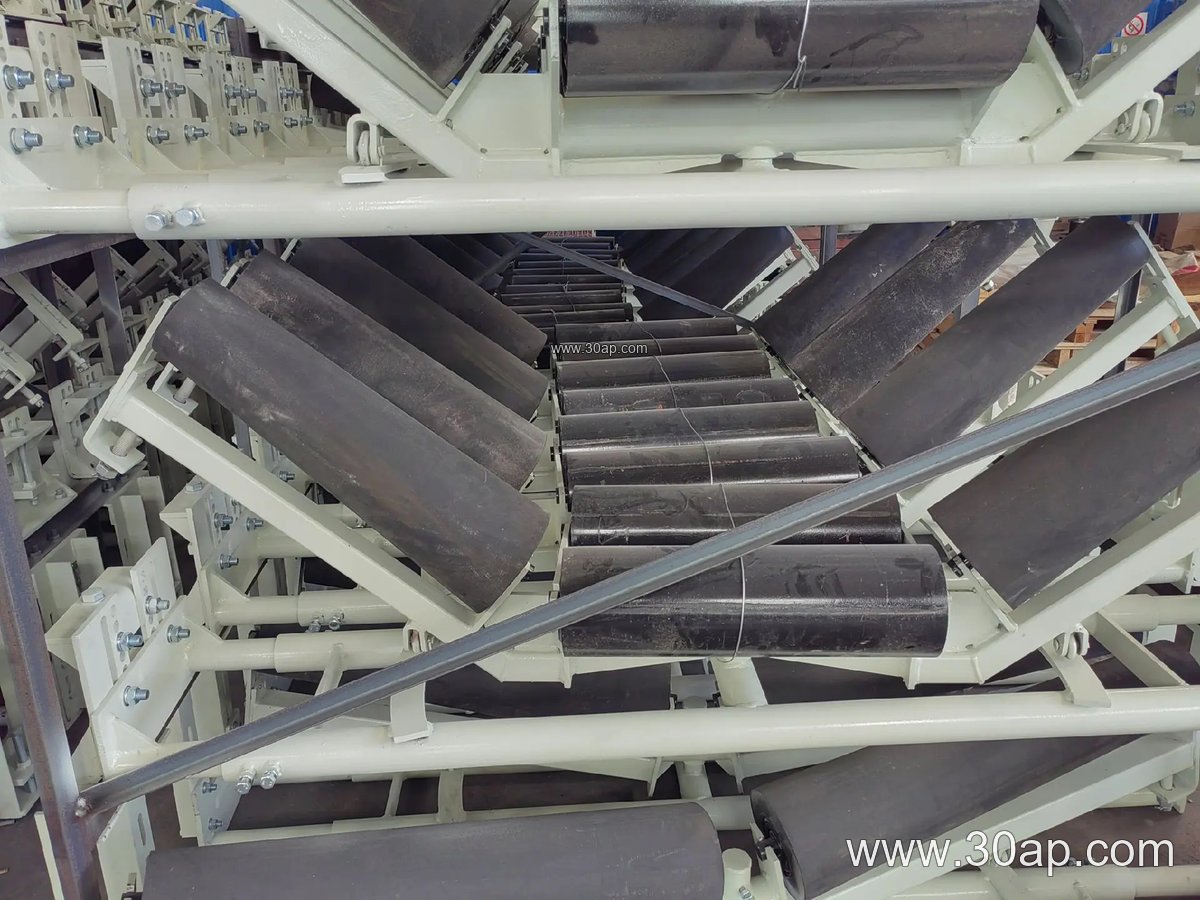
Conveyor legs can be fixed or adjustable. Fixed legs are welded or bolted to a set height and are common on long straight sections. Adjustable legs are useful at transition zones, near a drive pulley or tail pulley, and where the ground is uneven. They allow the trough angle to be set between common values such as 20, 30, 35, and 45 degrees. Some legs are designed for 1.5 to 2 degrees of forward tilt to help belt training. A leg should not be confused with a conveyor pulley: drive pulleys, tail pulleys, and bend pulleys are different components with different functions. The leg only supports the frame; it does not transmit drive power.
Buyer Checklist
- Confirm the belt width and the idler frame type before ordering legs.
- Check the required height and whether adjustment is needed for slope or transition.
- Match the base plate and anchor holes to the foundation drawing.
- Choose steel grade and surface treatment for the site: washdown, dust, or humidity.
- Verify that the top connection fits the conveyor bracket and stringer.
- Ask for leg load ratings based on the actual conveyor design, not a generic table.
For a reliable conveyor line, the leg should be treated as part of the whole structure, together with the conveyor belt, idler roller, and conveyor pulley. A well-matched leg keeps the belt stable and reduces wear on the idlers and pulleys. Whether the project is a small aggregate conveyor or a long overland system, the conveyor leg is a simple but critical part of the support system.