What the EP100 Conveyor Belt Is
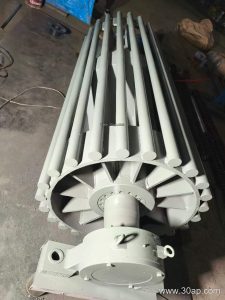
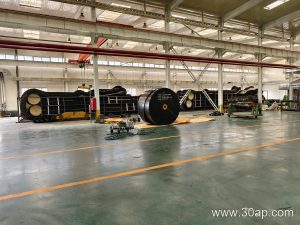
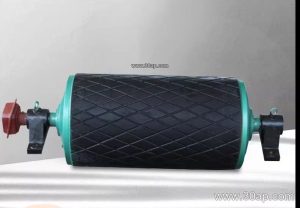
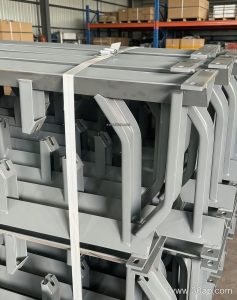
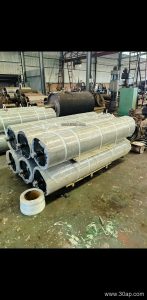
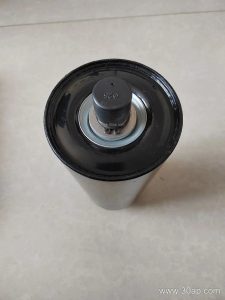
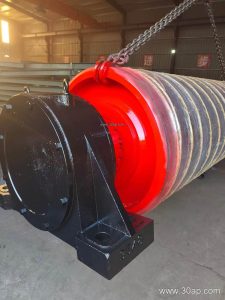
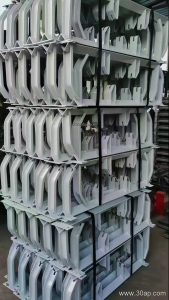
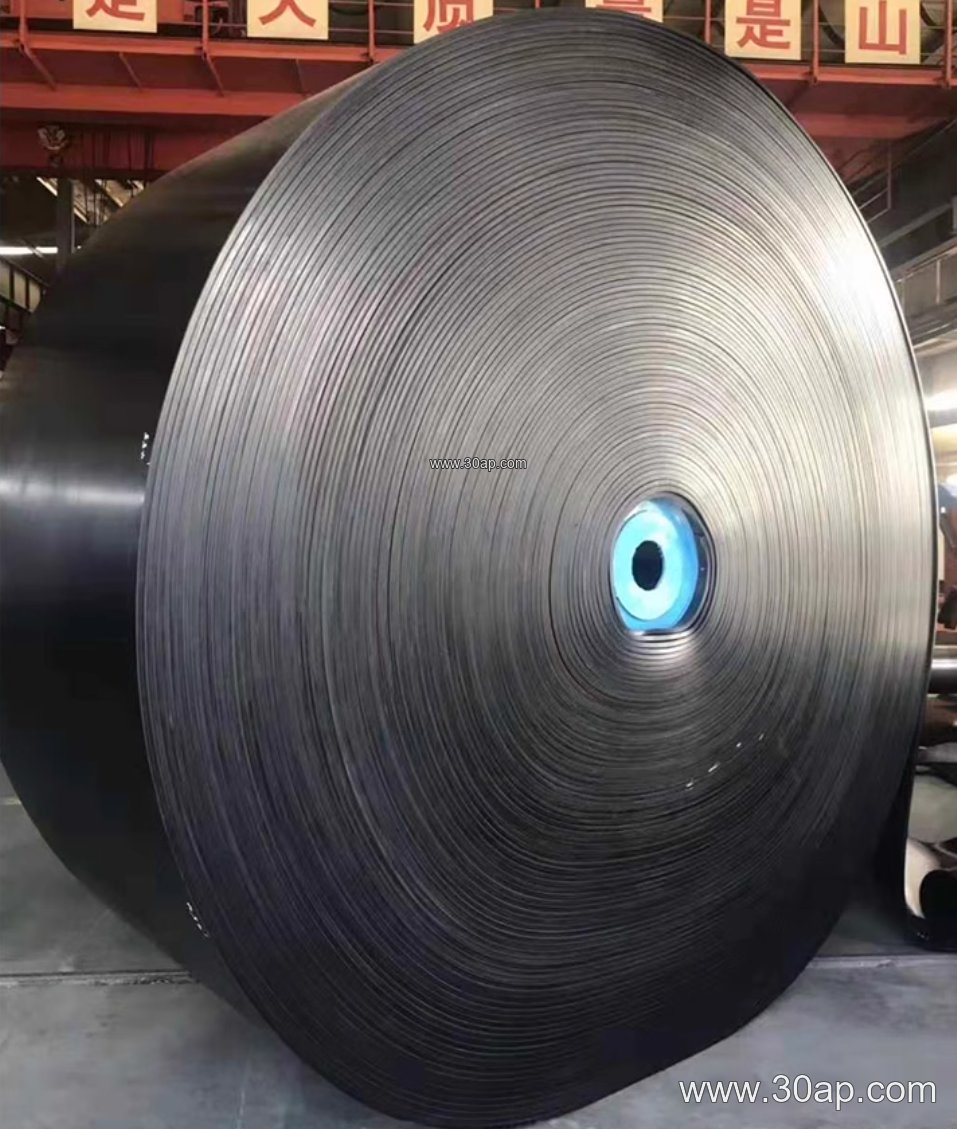
The EP100 Conveyor Belt is a fabric-core belt built around polyester warp and polyamide weft cords. This construction is often called an EP fabric core conveyor belt, and the number 100 refers to its nominal tensile strength per unit width. It sits at the entry end of the EP range, making it a practical choice for medium-duty conveying where the belt must resist fatigue, stretch and moisture without the stiffness of heavier carcasses. In a typical plant, it runs alongside conveyor pulleys, idler rollers and conveyor brackets that guide and support the belt along the route.
As a rubber conveyor belt, the EP100 grade balances flexibility with load support. It is not the same as an NN conveyor belt, which uses nylon in both warp and weft; the polyester warp gives EP belts lower elongation under load, which helps keep take-up travel within reasonable limits.
Construction and Common Specifications
The belt usually combines a multi-ply fabric core with rubber covers on both faces. Cover thickness, ply count and rubber grade are selected according to the material being carried. Common cover combinations include 3+1.5 mm, 4+2 mm and 5+2 mm, while the carcass often uses 2 to 4 plies in this strength class. Buyers should treat these as reference values rather than fixed rules, because each manufacturer builds to its own design.
| Property | Typical Range |
|---|---|
| Nominal strength | EP100 |
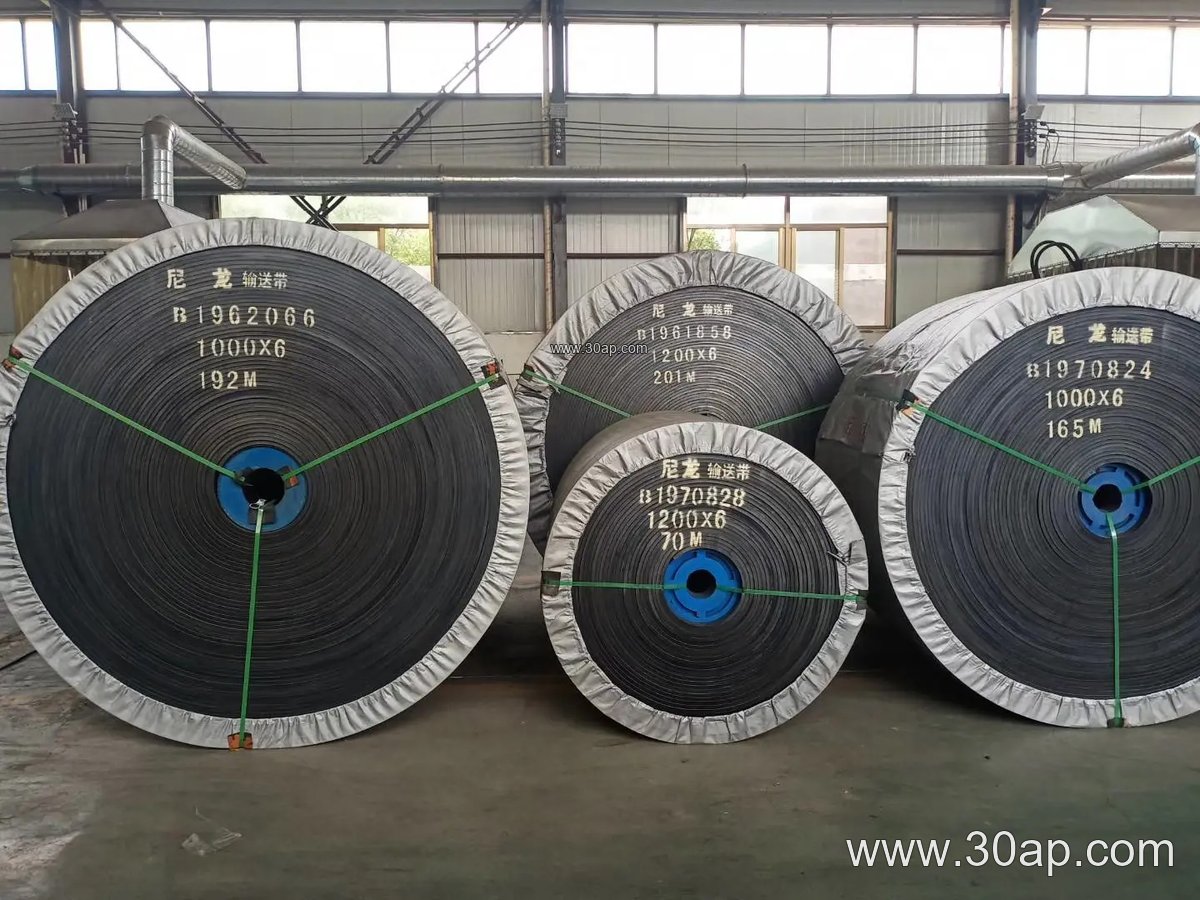
| Belt width | B500, B650, B800, B1000, B1200 mm |
| Cover thickness | 3+1.5, 4+2, 5+2 mm |
| Carcass plies | 2 to 4 |
| Rubber grades | Abrasion resistant, flame retardant, heat resistant, oil resistant |
Width and pulley diameter are matched through conveyor design, not by a single fixed rule. A wider belt does not automatically dictate one shaft size, and a given width can run on different pulley diameters depending on tension and load.
Where It Fits in the Plant
The EP100 Conveyor Belt appears in cement plants, power plants, sand and gravel yards, and light mining duties where loads are moderate. It handles bulk material conveyor belt tasks such as conveying clinker, limestone, coal, aggregate and fertilizer. In a quarry conveyor belt line, it may feed a crusher conveyor belt or discharge onto a screen. In a coal mining conveyor belt system, flame retardant versions are often specified for safety, while a heat resistant conveyor belt variant suits hot materials in a cement plant.
When the route needs steep inclines, a chevron conveyor belt or corrugated sidewall conveyor belt may be considered, but those are separate designs. For very heavy loads or long spans, a steel cord conveyor belt or higher EP grades such as EP200 or EP315 are more appropriate. The EP100 belt remains a sensible starting point for standard conveying circuits.
Selection and Maintenance Notes
Choosing the right belt involves more than strength. Check the material size, temperature, oil content and abrasion level. An abrasion resistant conveyor belt cover reduces wear in stone crushing and aggregate service, while a flame retardant conveyor belt is common underground. A cold resistant conveyor belt may be needed in winter yards, and an anti-static conveyor belt helps where static buildup is a concern.
- Confirm belt width and cover thickness against the conveyor frame and pulley dimensions.
- Inspect idler roller alignment and conveyor pulley lagging to prevent edge damage.
- Keep take-up travel within design limits; EP belts stretch less than all-nylon types.
- Store belts away from heat and ozone sources before installation.
For buyers sourcing an EP conveyor belt, ask for the carcass construction, cover grade and ply count in writing. The EP100 Conveyor Belt is a workhorse grade, but it performs best when the whole conveyor system, including pulleys, rollers and brackets, is matched to the duty. For more information on fabric core belts, visit EP100 Conveyor Belt or explore EP Conveyor Belt options.