What an Adjustable Conveyor Bracket Does
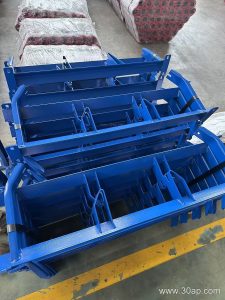
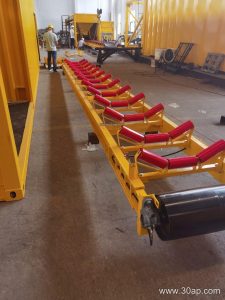
An adjustable conveyor bracket is a support component that holds idler rollers at a settable position relative to the belt line. Instead of welding a fixed cradle at one angle, the bracket uses slotted holes, pivoting arms or movable mounting plates so maintenance teams can change the trough angle, the roller spacing or the height of the roller set. In a crushing and screening circuit, this flexibility matters because belt loading, belt width and material characteristics often change over the life of the line.
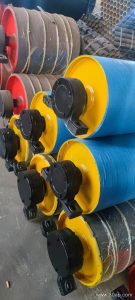
The same component is also called an adjustable idler bracket or a variable-angle roller support, depending on the supplier’s catalogue. It remains a bracket, not a pulley or a roller, and it should not be confused with drive pulleys, tail pulleys or bend pulleys, which perform entirely different duties at the head, tail and curve of a conveyor.
Construction and Adjustment Features
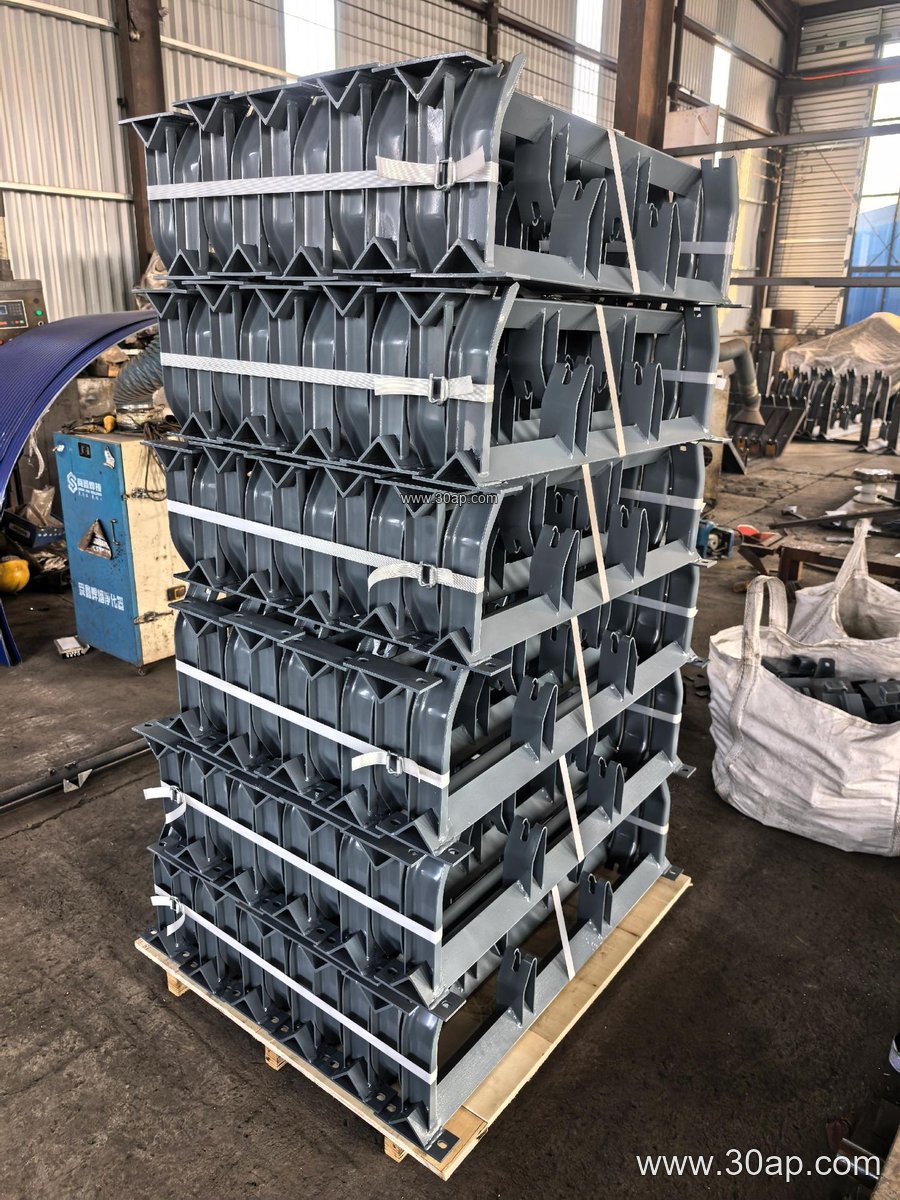
Most units are fabricated from angle steel, channel steel or folded steel plate, then drilled or slotted for the roller shaft. Common adjustment methods include:
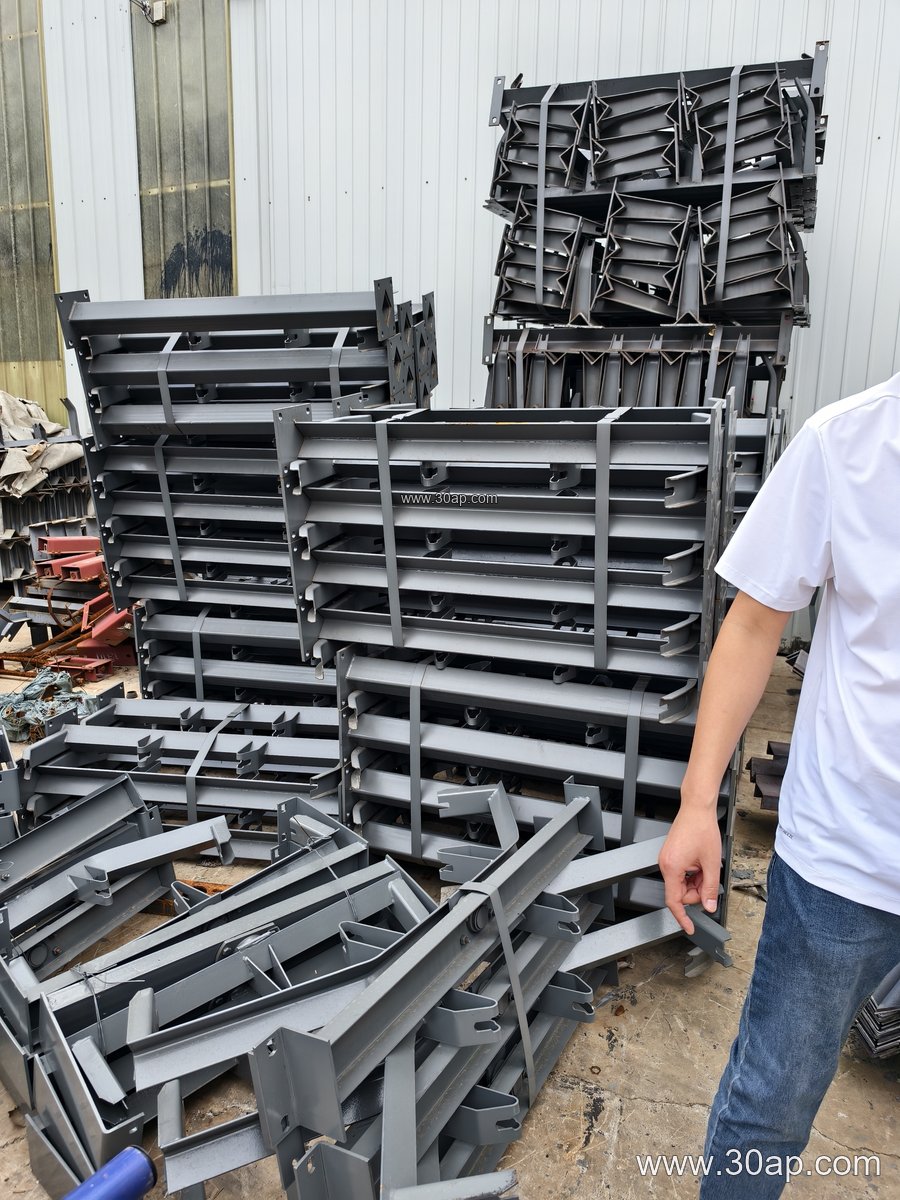
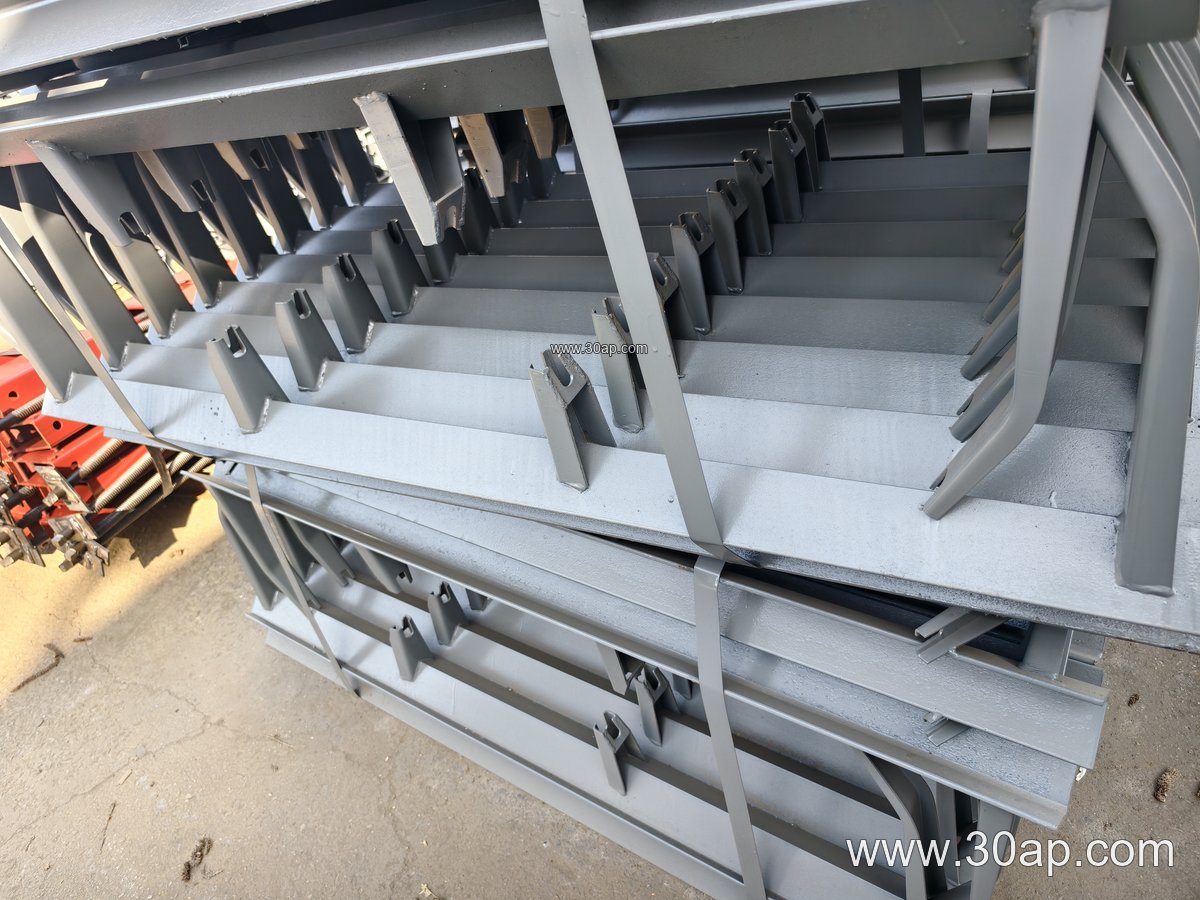
- Slotted mounting holes that let the roller frame slide to a new trough angle
- Pivoting side arms that swing between positions
- Stacked or shimmed plates that raise or lower the roller set
- Bolt-on transition sections that ease the belt from flat to troughed
A typical adjustable bracket may be set at 20, 30, 35 or 45 degrees, and forward-leaning types are often set around 1.5 to 2 degrees to help centre the belt. Because hole spacing and crossbeam length change with belt width and trough angle, these dimensions are usually confirmed per project rather than taken from a single fixed number.
Where It Fits on the Conveyor
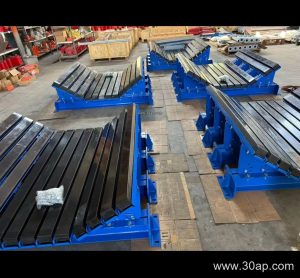
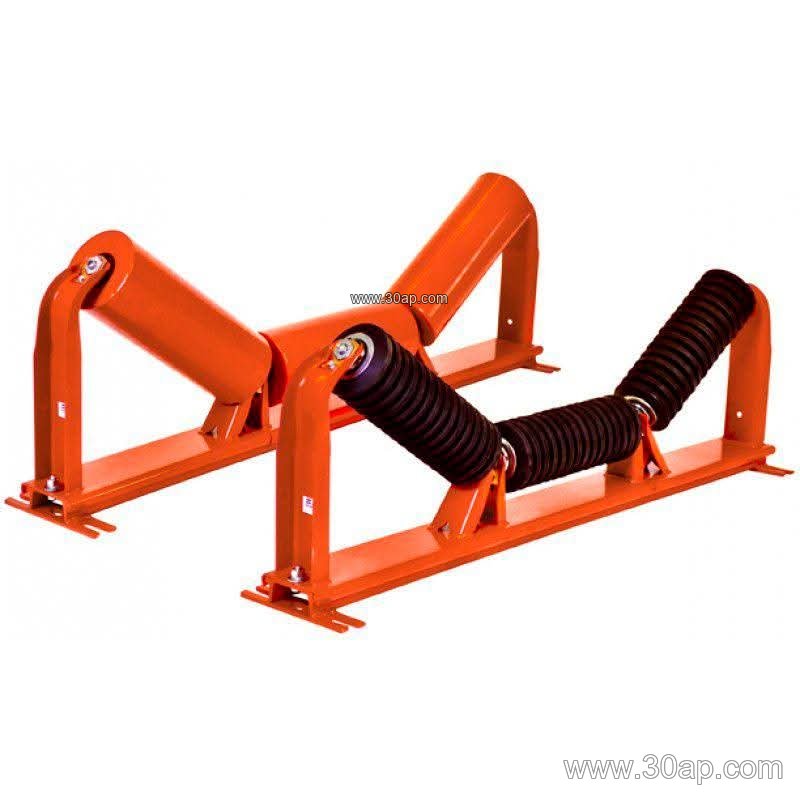
The bracket appears in several positions along a conveyor structure. Troughing brackets carry the loaded side of the belt, transition brackets ease the belt into and out of the trough near the head and tail, and return brackets support the empty strand. A V-return bracket or a flat return bracket may use the same adjustable principle, while impact brackets sit under loading points where rock or ore drops onto the belt.
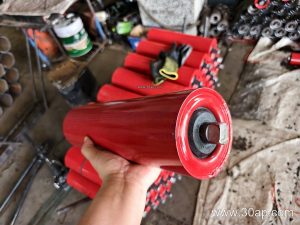
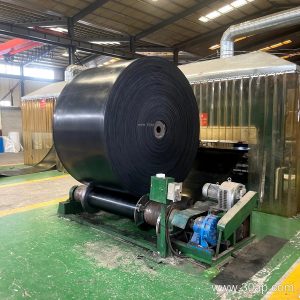
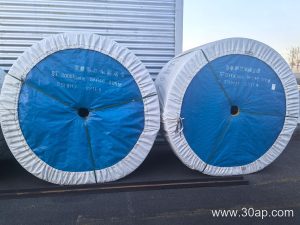
In a coal preparation plant or a power station coal yard, adjustable troughing brackets help match the roller set to a flame retardant conveyor belt or a PVG conveyor belt that has a stiffer carcass. In a quarry or aggregate line, a heavy-duty mining conveyor belt running over Ø133 or Ø159 rollers may call for a wider adjustment range so the trough profile can be tuned after the first weeks of operation.
Matching Bracket, Belt and Roller
Selection starts with the belt width, the roller diameter and the required trough angle. Typical reference combinations include B800 with 35 degrees and Ø108 rollers, B1200 with 45 degrees and Ø133 rollers, or B650 with 30 degrees and Ø89 rollers. These are examples only; the correct set depends on belt tension, material weight and the conveyor design.
The table below lists reference values that are commonly requested. They are guidelines for discussion, not fixed supply promises.
Reference Data for Adjustable Bracket Selection
| Parameter | Common Reference Values |
|---|---|
| Belt width | B500, B650, B800, B1000, B1200, B1400, B1600, B1800, B2000, B2200 |
| Trough angle | 20°, 30°, 35°, 45° (adjustable between positions) |
| Forward lean | About 1.5° to 2° |
| Roller diameter | Ø89, Ø108, Ø133, Ø159, Ø194 |
| Frame material | Angle steel, channel steel, folded steel plate |
| Bracket positions | Troughing, transition, return, V-return, flat return, impact, self-aligning |
Matching a wide belt such as a 1200mm or 1500mm wide conveyor belt to a larger roller diameter is common practice, but no single belt width locks the buyer into one roller size or one trough angle. The bracket should be chosen with the idler roller, the conveyor pulley layout and the belt carcass in mind.
Buyer Checklist
Before ordering, confirm the belt width, the roller diameter, the required trough angle range, the mounting hole pattern and the frame finish. Ask whether the bracket is intended for the carrying side, the return side or a transition zone. For abrasive duties such as iron ore or limestone, check that the bracket and its bolts suit the dust and vibration of the site. For food, chemical or port applications, confirm the surface treatment and material compatibility.
Maintenance is straightforward when the bracket is accessible. Inspect bolts for loosening, check that the adjustment slots have not slipped, and verify that the roller set still matches the belt line after belt replacement. A bracket that has drifted will usually show uneven belt tracking or edge wear before any structural damage appears.
Related components such as the conveyor belt, idler roller and conveyor pulley should be reviewed as one system. Our range covers brackets, rollers and belts for mining, cement, power and bulk handling lines at www.bulkconveyorsparts.com, where adjustable conveyor bracket options can be matched to the rest of the conveyor structure.