What an EP300 Conveyor Belt Is
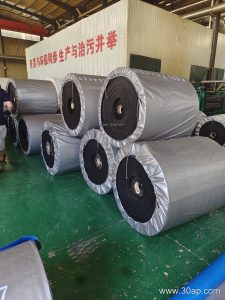
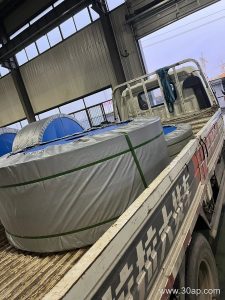
An EP300 conveyor belt is a fabric-core belt built on polyester warp and polyamide weft (EP) fabric. The “300” refers to the nominal tensile strength class of the carcass, commonly expressed in N/mm, so this is a mid-to-high strength fabric belt suited to demanding but not extreme duty. It sits in the same EP family as EP200, EP400, EP500, EP630, EP800 and higher classes, and buyers often compare it against an NN conveyor belt or a steel cord conveyor belt depending on the load and the conveyor geometry.
Because the EP carcass has low elongation and good resistance to flex fatigue, an EP300 belt is a frequent choice for main haulage runs in quarry, coal, cement and ore plants where a rubber conveyor belt must survive start-stop cycles and carry abrasive bulk material.
Construction and Cover Grades
The belt is normally built as a multi-ply fabric core with rubber covers, with the carcass ply count chosen by design, commonly 2 to 6 plies. Cover thickness is usually given as top plus bottom, for example 4+2 mm, 5+2 mm, 6+2 mm or 8+3 mm for heavy wear points. The cover compound defines the service environment: abrasion resistant, heat resistant, flame retardant or fire resistant, oil resistant, acid and chemical resistant, cold resistant, anti-static, or food grade.
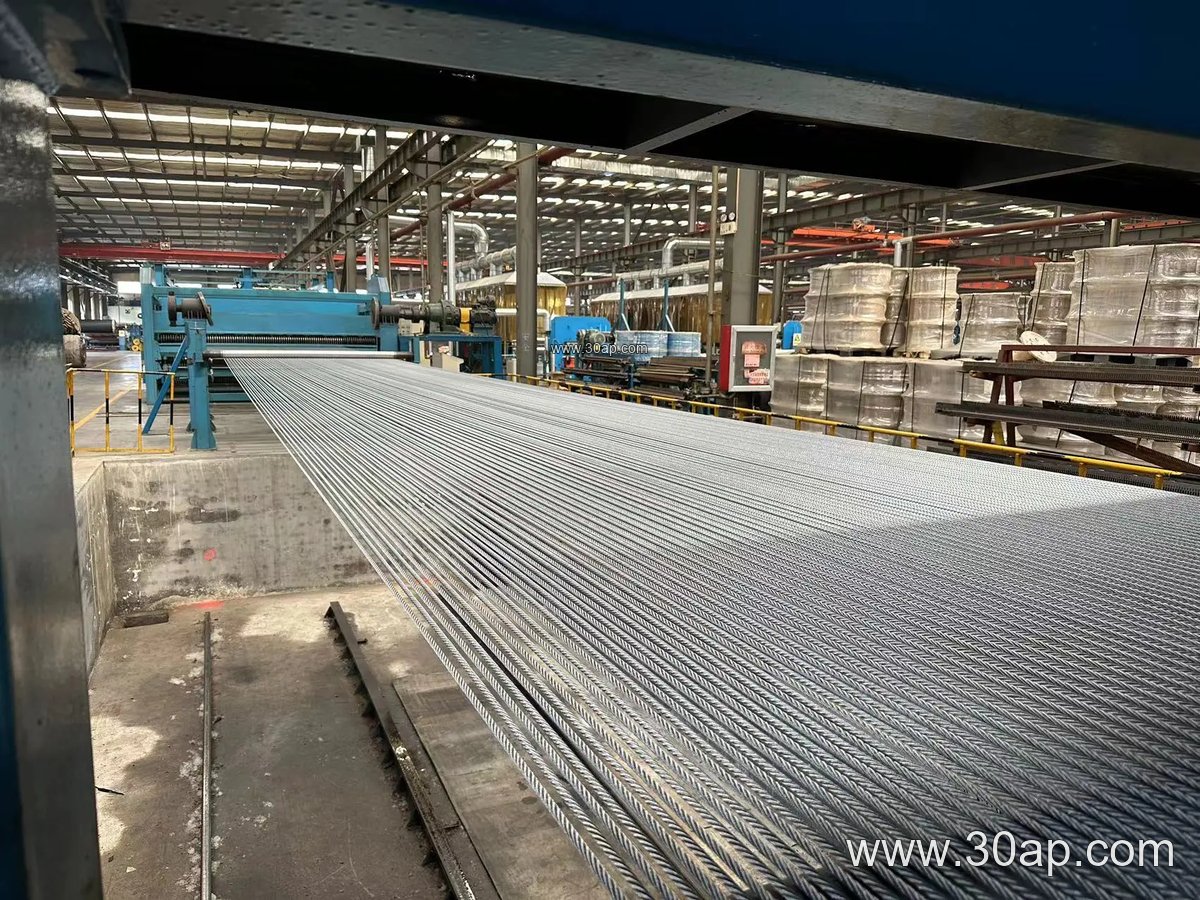
An abrasion resistant conveyor belt is the most common variant for stone, aggregate and ore, while a flame retardant or fire resistant belt is usual in underground coal mining and in enclosed transfer houses. For very long, high-tension routes, a steel cord belt or a high strength fabric belt may be selected instead, but for many medium-length trunk conveyors the EP300 remains a practical balance of strength and spliceability.
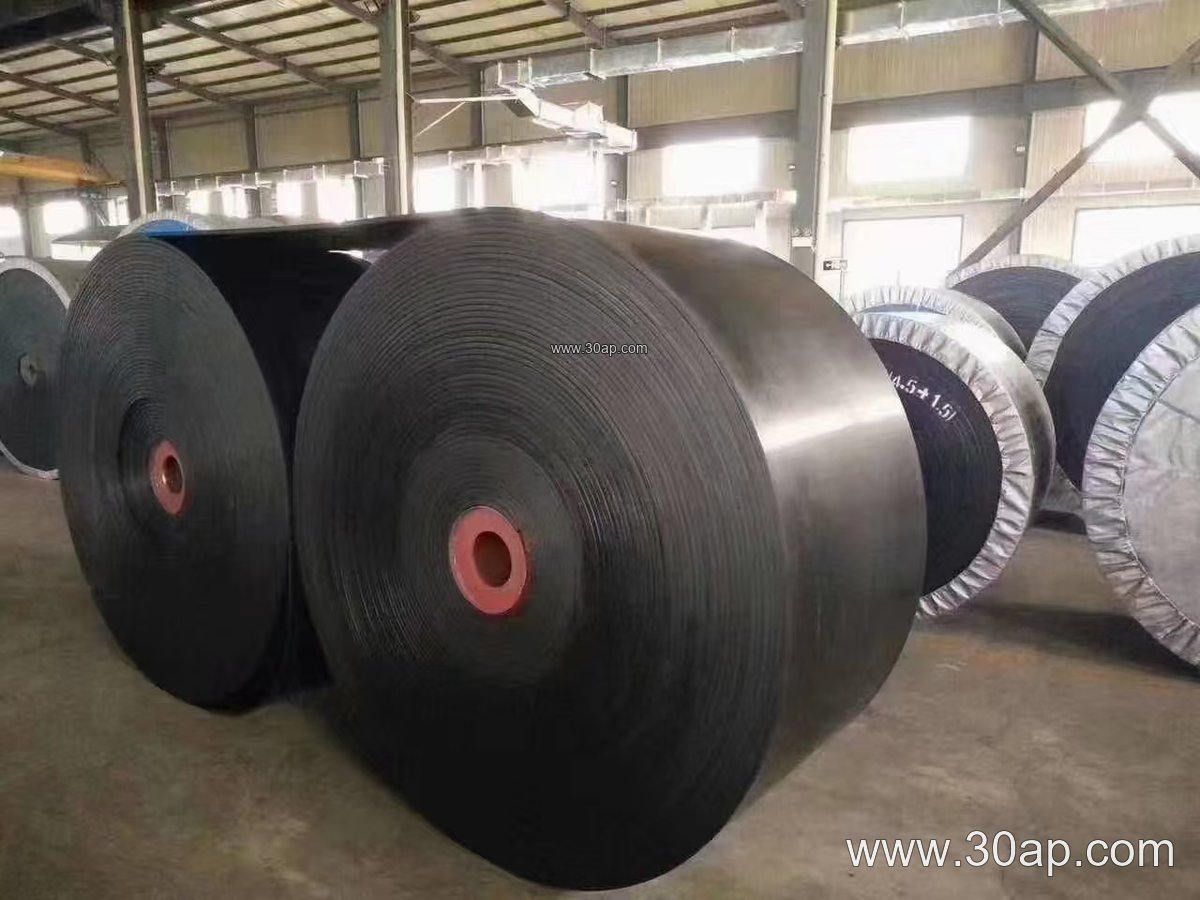
Typical Duty and Industries
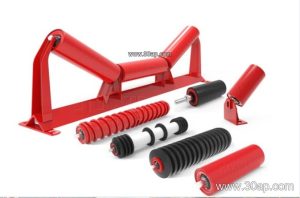
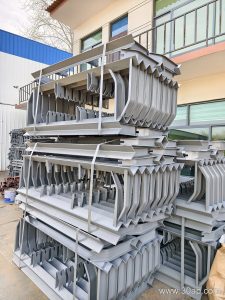
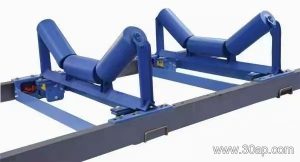
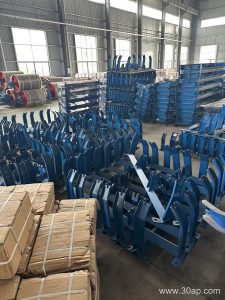
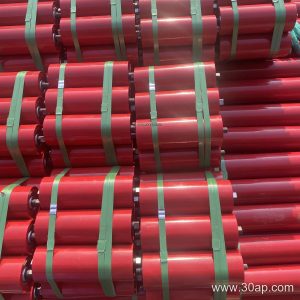
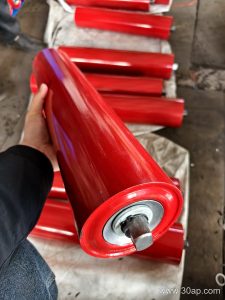
The belt is used across mining, coal preparation, cement plants, power stations, steel plants, port loading, sand and aggregate yards, crushers and recycling lines. A mining conveyor belt of this class often runs on troughing idler rollers, with conveyor pulleys at drive, tail and bend positions and conveyor brackets carrying the idlers along the structure. Where material is dropped from a crusher, an impact resistant belt or a thicker cover helps protect the carcass.
In cement and clinker service, a heat resistant conveyor belt variant may be needed if the material is warm. In coal mining, a coal mining conveyor belt version with flame retardant properties is normally specified. For steep inclines, a chevron conveyor belt or a corrugated sidewall belt can be considered, and for dusty or enclosed routes a pipe conveyor belt may suit the layout. These are separate designs, not substitutes for a flat EP300 belt.
Sizes and Reference Data
The table below lists commonly referenced values. They are for orientation only; actual construction is confirmed per application and per manufacturer.
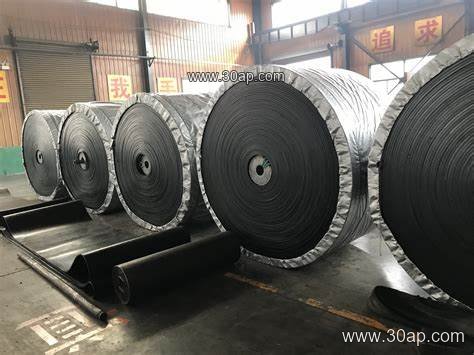
- Strength classes: EP200, EP315, EP400, EP500, EP630, EP800, EP1000, EP1250, EP1600, EP2000 (EP300 is a nominal class within this range)
- Belt widths: B500, B650, B800, B1000, B1200, B1400, B1600, B1800, B2000
- Cover thickness: 3+1.5, 4+2, 5+2, 6+2, 8+3 mm
- Carcass plies: usually 2 to 6
| Parameter | Common reference | Notes |
|---|---|---|
| Tensile class | EP300 | Nominal carcass strength |
| Width range | B500 to B2000 | Final width by conveyor design |
| Cover grade | Abrasion, heat, flame, oil, cold | Matched to cargo and climate |
| Ply count | 2 to 6 | Set by tension calculation |
| Splice | Vulcanized or mechanical | Per belt and site practice |
Belt width and pulley diameter are separate design decisions; a given width does not fix a pulley size, and shaft diameter follows the pulley load calculation rather than the belt alone. At chinabeltconveyor.com, buyers can compare EP conveyor belt grades, rubber conveyor belt covers and matching idler roller and conveyor pulley options.
What to Check Before Ordering
Give the supplier the material type, lump size, tonnage per hour, incline angle, pulley diameters, trough angle and ambient temperature. State whether the belt must be flame retardant, anti-static, oil resistant or heat resistant, and whether an endless conveyor belt splice is required. Confirm the cover thickness at loading points and check chute height, skirt clearance and idler roller spacing, since poor support shortens belt life more than cover grade alone. Spare belts, edge condition and storage practice also matter, and a cold resistant grade is advisable for outdoor yards in winter.
Finally, review the data sheet for the EP300 class, ply count, cover compound and tolerance, and ask for the splice method to be agreed in writing. A well matched EP300 conveyor belt with correct idlers, pulleys and brackets will usually deliver longer service than an oversized belt running on poor support.