What Is a Parallel Idler Bracket?
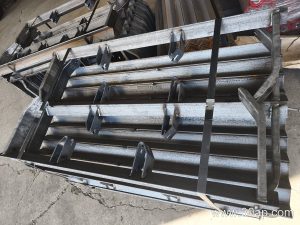
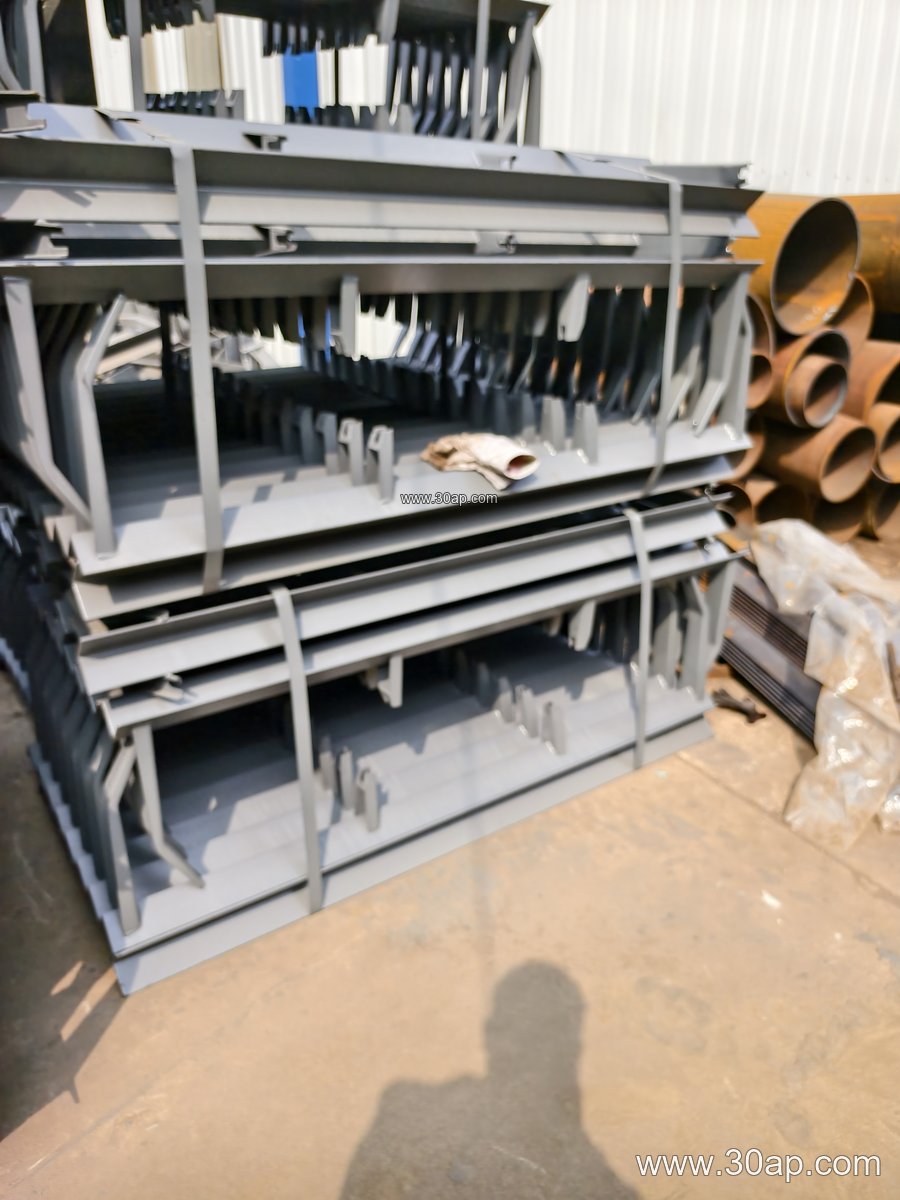
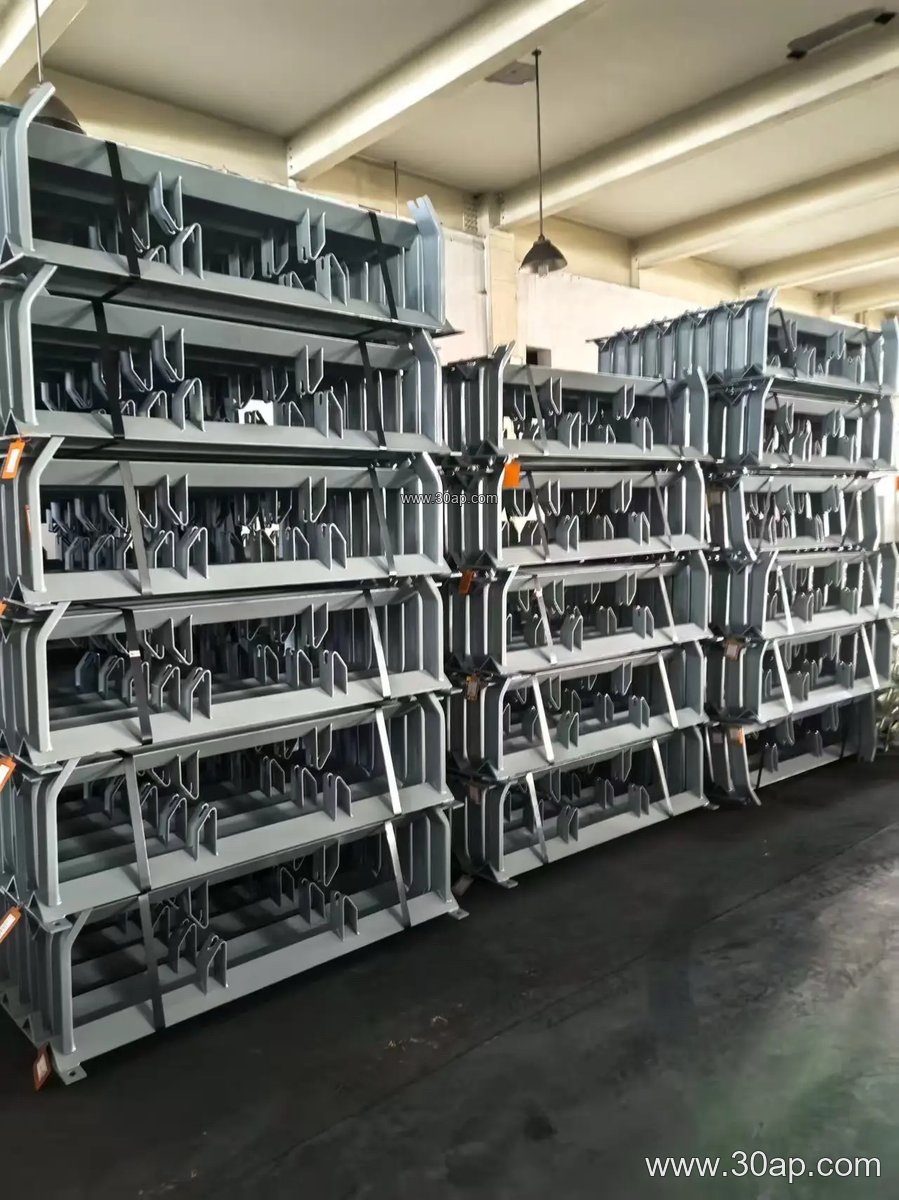
A parallel idler bracket is a structural component that holds conveyor idler rollers in a parallel orientation to the belt surface, typically used in the return run or in applications where a flat belt profile is desired. Unlike troughing brackets that angle the rollers to form a trough, this bracket keeps idler rollers level, supporting the belt across its width without creating a material-holding curve. The bracket is often fabricated from angle steel, channel steel, or folded steel plate, and it mounts directly to the conveyor frame. In quarry and aggregate operations, a parallel idler bracket helps maintain belt alignment on the return side, reducing spillage and wear. The same component may appear under names such as flat idler bracket or return flat bracket, but it remains distinct from troughing, transition, or V-return brackets.
Construction and Mounting
Most parallel idler brackets are built as a rigid crossbeam with mounting slots or holes for idler shafts. The frame material is selected for the load and environment: angle steel for lighter duties, channel steel for heavier belts, and folded plate for compact designs. The bracket is bolted to the conveyor stringer or frame, and its height and hole spacing are determined by belt width, idler diameter, and the required clearance. For a B800 belt with 35-degree troughing on the carrying side, the return side might use a parallel bracket with Ø108 idlers. A B1200 system could use Ø133 idlers in a parallel return bracket, while a B650 conveyor often pairs Ø89 idlers with a lighter bracket. These combinations are common references, not fixed rules; actual selection depends on load, belt speed, and frame design.
Typical Reference Combinations
| Belt Width | Idler Diameter | Bracket Type | Common Use |
|---|---|---|---|
| B500 | Ø89 | Parallel return bracket | Light aggregate lines |
| B800 | Ø108 | Parallel idler bracket | Quarry return run |
| B1000 | Ø133 | Flat idler bracket | Cement plant conveyors |
| B1400 | Ø159 | Parallel return bracket | Power plant coal handling |
| B1800 | Ø194 | Heavy-duty parallel bracket | Iron ore and port systems |
These values are indicative only; hole spacing and beam length vary with belt width and bracket design.
Where It Fits in a Conveyor System
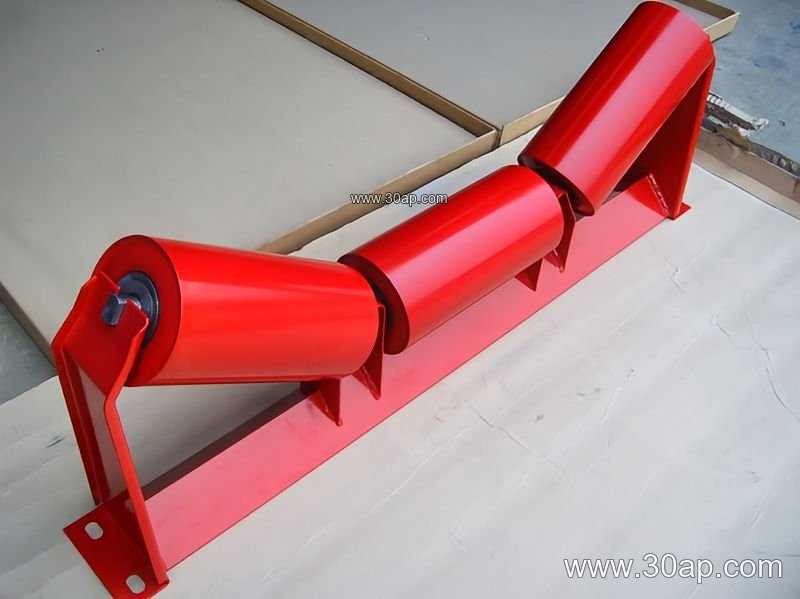
In a typical conveyor, the carrying side may use troughing idlers at 20, 30, 35, or 45 degrees, while the return side often uses parallel idler brackets to support the empty belt. This is common in sand and gravel plants, limestone mines, and coal washing facilities where belt cleanliness and tracking matter. A parallel bracket can also appear in transition zones or at loading points where a flat profile is needed before the belt enters a troughing section. It is not a substitute for a bend pulley or a drive pulley; those components handle direction changes and power transmission, while the bracket only supports idler rollers. Similarly, a V-return bracket is a different subtype used to create a V-shaped return profile for belt training, and a troughing bracket is used on the carrying side.
Selection and Maintenance Notes
Buyers should confirm the belt width, idler diameter, and mounting hole pattern before ordering. The bracket must match the conveyor frame’s bolt spacing and the idler shaft size. In dusty environments such as cement plants or coal preparation plants, a parallel idler bracket with slotted holes can simplify alignment during installation. Regular inspection of the bracket for bending, corrosion, or loose bolts helps prevent belt misalignment and premature idler failure. When replacing a bracket, check that the new unit maintains the same roller height so the belt does not develop a step or edge wear. For heavy-duty mining conveyor belts, a reinforced parallel bracket may be needed to withstand impact and vibration. The bracket works with the conveyor belt and idler roller to keep the return strand stable; it does not tension the belt or drive it.
Buyer Checklist
- Confirm belt width and idler diameter (e.g., B1000 with Ø133).
- Check frame hole spacing and bracket beam length.
- Verify material thickness for the expected load.
- Specify surface treatment if corrosion resistance is required.
- Ensure the bracket is for parallel mounting, not troughing or V-return.
For more information on conveyor components, visit our site for conveyor belt and idler roller details. A parallel idler bracket is a small but critical part of keeping a conveyor belt running true, whether in a stone crushing line, a fertilizer plant, or a grain silo.