What a Head Pulley Assembly Does
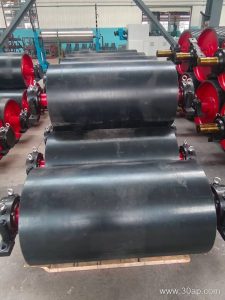
A head pulley assembly is the discharge-end drum group of a belt conveyor. Mounted at the front of the frame, it carries the conveyor belt on its return path and, driven by the gearbox or motor, pulls the loaded belt forward so material is thrown off at the head. Because it transmits traction, the assembly combines the pulley shell, shaft, hubs, bearings, bearing housings, lagging and often a scraper or conveyor bracket in one working unit. In a quarry, cement plant or power station coal yard, this is the point where the belt hands its load to the next stage, so alignment and grip here affect the whole line.
Construction and Main Parts
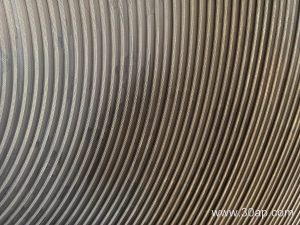
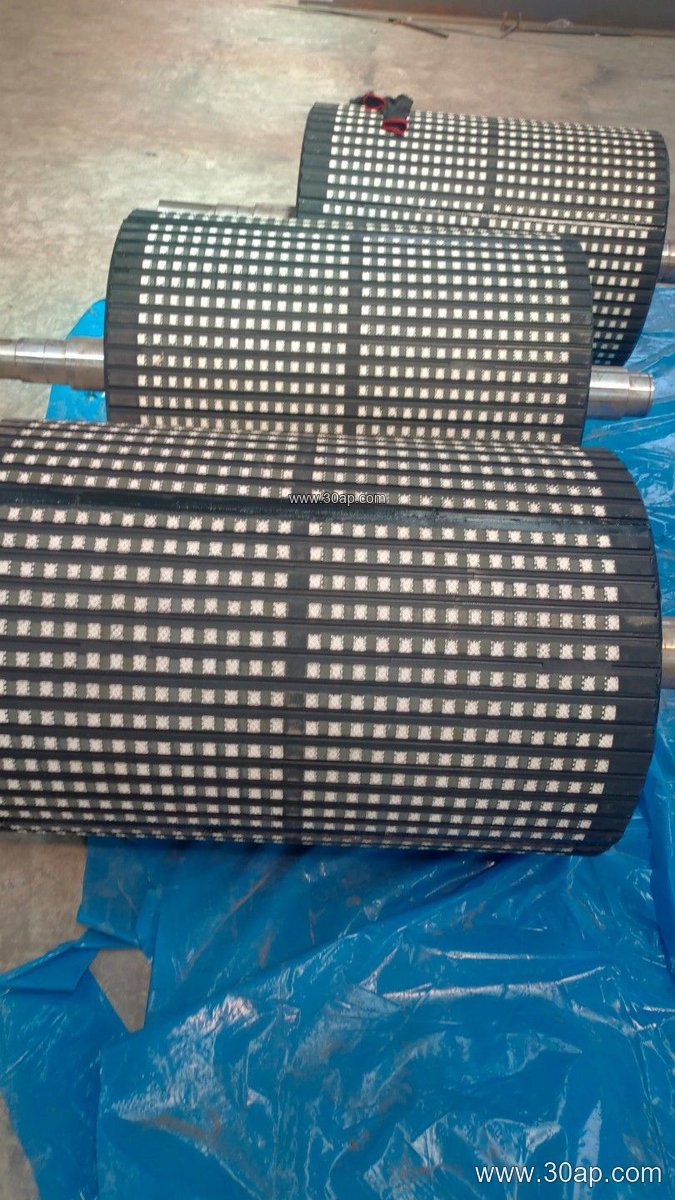
The typical head drum is a welded steel shell with dished or flat end plates, keyed to a through shaft. Bearings sit in pillow-block housings fixed to the conveyor bracket, and the drive side connects through a coupling or a shaft-mounted reducer. Surface treatment is chosen for grip: plain finish for light duty, hot-vulcanised rubber, cold-bonded rubber, diamond grooving, herringbone grooving or ceramic tiles where slip and wear are concerns. Lagging thickness is commonly 8, 10, 12, 15 or 20 mm. The shell width is normally a little wider than the belt, for instance about 1150 mm for a B1000 belt or 1400 mm for B1200. Diameters such as Ø500, Ø630, Ø800, Ø1000 and Ø1250 are common, while shaft ends in the Ø80 to Ø200 range are sized by torque and load rather than by belt width alone.
Where It Fits in the Plant
Head pulley assemblies appear at transfer towers in limestone mines, at crusher discharge in sand and aggregate lines, on overland conveyors at iron ore and copper ore operations, and in coal handling systems of thermal plants. They also serve in clinker transport at cement works, sinter lines at steel plants, port ship loaders and tunnel spoil conveyors. Each duty changes the specification: an underground coal mining conveyor may call for a flame retardant conveyor belt and a fire resistant conveyor belt, while a hot clinker line may run a heat resistant conveyor belt and a high temperature conveyor belt. Abrasive rock favours an abrasion resistant conveyor belt, and oily or dusty environments may need an oil resistant conveyor belt. The drum itself must match that belt in width, wrap angle and friction demand.
Common Reference Combinations
The table below shows indicative pairings, not fixed rules. A given belt width can work with more than one drum diameter depending on tension, speed and wrap angle.
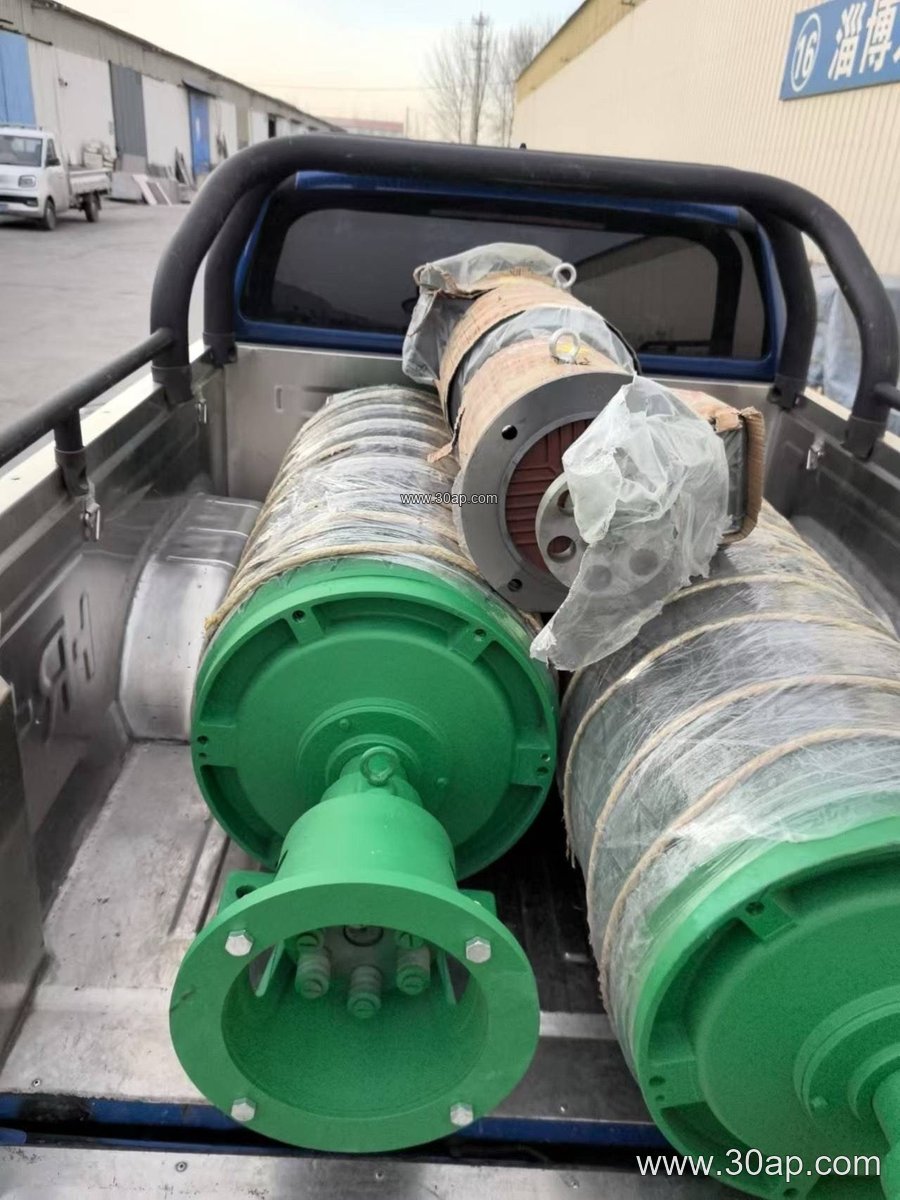
- B650 belt with Ø400 or Ø500 drum, shell around 750 mm wide
- B800 belt with Ø500 or Ø630 drum, shell around 950 mm wide
- B1000 belt with Ø630 or Ø800 drum, shell around 1150 mm wide
- B1200 belt with Ø800 or Ø1000 drum, shell around 1400 mm wide
- B1400 belt with Ø1000 or Ø1250 drum, shell around 1600 mm wide
- B1600 belt with Ø1250 or Ø1400 drum, shell around 1800 mm wide
Heavier fabric belts such as EP200 conveyor belt or multi-ply fabric core conveyor belt grades, and steel cord types like ST1600 conveyor belt, usually justify larger drums to limit bending stress. Lighter NN conveyor belt or PVC conveyor belt duties can use smaller diameters.
Buyer Checklist
Before ordering, confirm belt width, belt type and mass, required wrap angle, motor power, shaft torque and the mounting height of the bearing centres. State the lagging form and thickness, the bearing type and sealing arrangement, and whether the assembly includes a coupling, backstop or plough scraper. Ask for the balance grade and runout tolerance of the finished drum, because vibration shortens bearing life. Check that the conveyor bracket bolt pattern matches the existing frame and that the shaft extension fits the reducer. For dusty sites, specify adequate bearing protection; for wet or washdown areas, consider corrosion-resistant coating. Spare parts such as lagging sheets, bearing housings and fasteners should be listed so maintenance does not stall. Finally, confirm that the head pulley assembly will be balanced with the drive coupling fitted, since an unbalanced drum at the discharge point can cause belt tracking problems that no amount of idler roller adjustment will solve.