What a Side Guide Idler Does
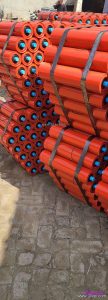
A side guide idler is a small-diameter roller mounted vertically or at an angle along the edges of a conveyor belt, usually just ahead of a loading point, a transfer chute, or a section where the belt tends to wander. Its job is not to carry the main material load. Instead, it contacts the belt edge and keeps the belt centered on the conveyor frame, protecting the belt from rubbing against the structure and helping prevent mistracking that can lead to spillage and edge damage.
On a coal mining conveyor belt or an ore conveyor belt handling heavy tonnage, a belt that drifts even a little can wear its edge quickly. The side guide idler acts as a light-duty guide, while a larger idler roller set does the actual load carrying. This distinction matters when specifying parts, because the side guide unit is selected for guidance force and edge contact, not for bulk load capacity.
Construction and Common Configurations
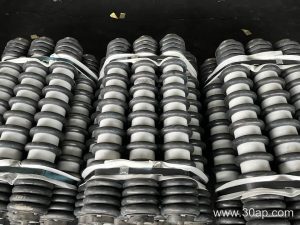
Most side guide idlers use a steel tube shell with sealed bearings, similar in principle to a standard idler roller but often smaller in diameter. Common roller diameters for this duty include Ø63, Ø76, Ø89, and Ø102 mm, with shaft and bearing selection matched to the guide load. Bearings such as 6204, 6205, or 6305 are frequently used, though the exact bearing is a design choice rather than a fixed rule tied to any one diameter.
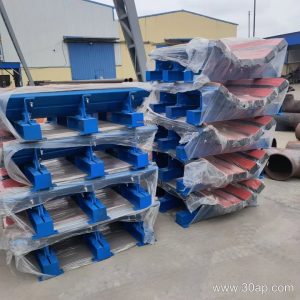
The roller surface may be plain steel, nylon, or covered with a rubber ring to improve grip on the belt edge without scuffing. Mounting is usually through a bracket fixed to the conveyor frame, allowing height and angle adjustment during installation. The side guide idler is often paired with a conveyor bracket that can be shimmed or rotated, so maintenance crews can fine-tune contact with the belt.
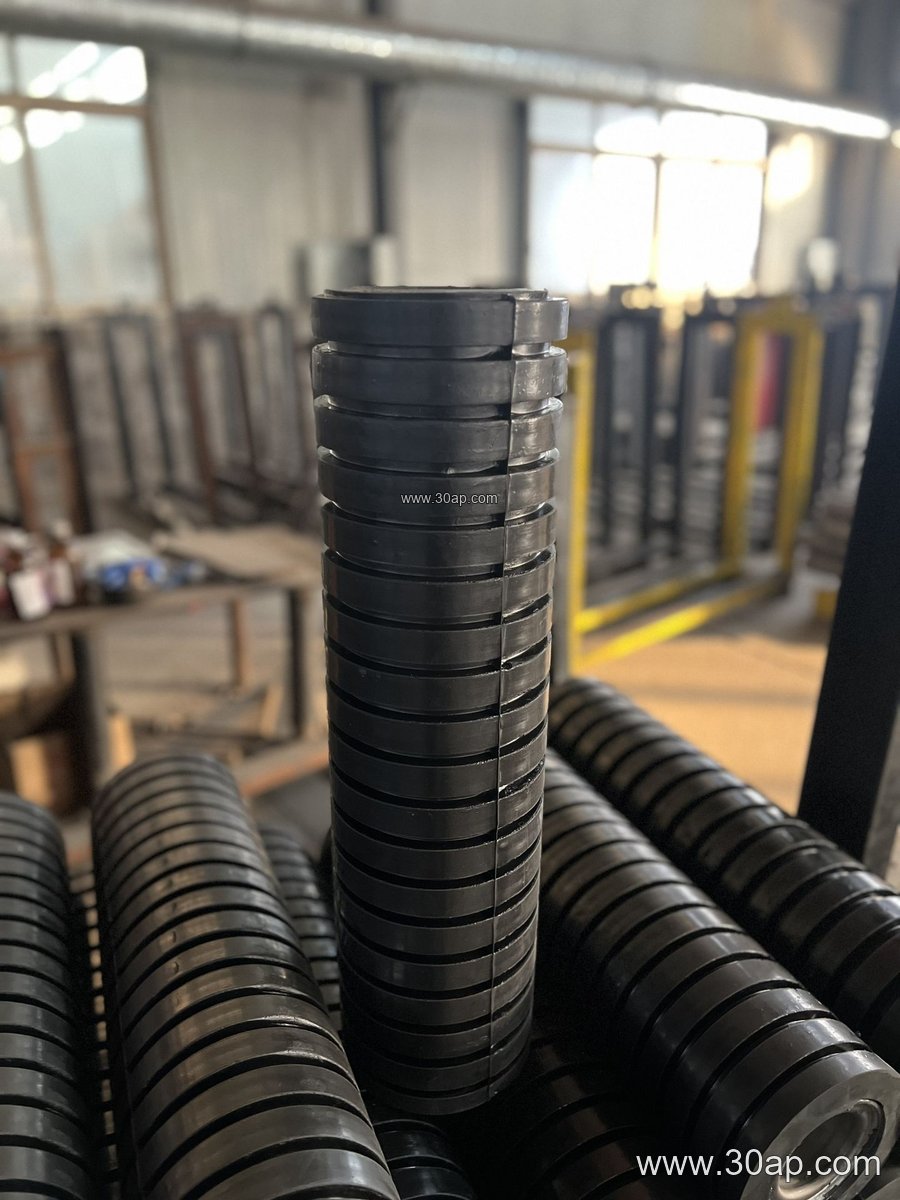
Typical Reference Values
The table below gives common reference ranges, not fixed supply commitments. Actual dimensions depend on belt width, frame design, and the guidance force required.
- Roller diameter: Ø63, Ø76, Ø89, Ø102 mm
- Belt width range: B400 to B2000, with wider belts on heavy-duty mining conveyor belt lines
- Roller surface: steel, nylon, rubber ring
- Bearing options: 6204, 6205, 6305, 6306
- Mounting: adjustable bracket, fixed bracket
Where Side Guide Idlers Are Used
These units appear in many bulk handling settings. In a quarry conveyor belt or aggregate conveyor belt line, they are often installed near the head and tail areas where the belt leaves a conveyor pulley and can shift sideways. In a cement plant, side guide idlers help keep the belt aligned through long transfer points and around curves in the structure. In a power plant coal handling system, they reduce edge wear on a flame retardant conveyor belt that runs continuously.
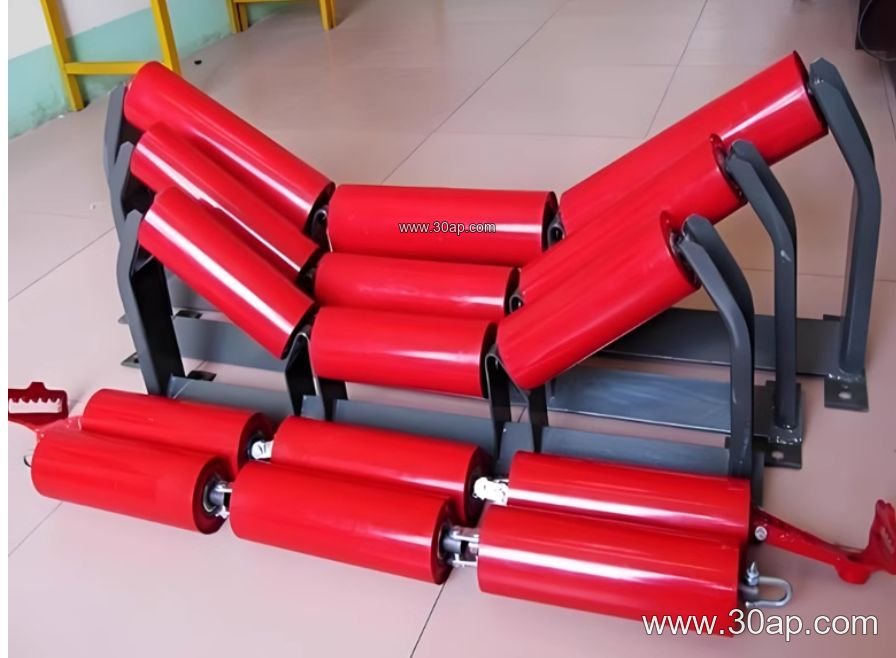
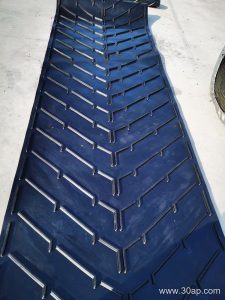
They are also useful on a pipe conveyor belt or a corrugated sidewall conveyor belt installation, where the belt profile is sensitive to misalignment. In such cases the side guide idler must be positioned so it contacts the flat edge region and does not press on the cleats or sidewalls. The same care applies on a chevron conveyor belt, where the raised pattern should not run against the guide roller.
Selection Points for Buyers
Start with the belt width and the available space on the frame. A B650 or B800 belt may use a smaller guide roller, while a 1200mm wide conveyor belt or a 1500mm wide conveyor belt needs a stiffer bracket and a larger shaft. Check the belt edge condition and the expected side force; a rubber-covered roller can protect a fabric core conveyor belt edge, while a steel roller may suit a steel cord conveyor belt where edge wear is less critical.
Confirm the mounting interface with the existing conveyor bracket, and make sure the guide roller can be adjusted without removing the belt. Ask for the bearing type, sealing arrangement, and roller runout, because a guide idler that does not spin freely will scrub the belt edge instead of guiding it. For abrasive service such as iron ore or copper ore handling, specify a wear-resistant shell and a reliable seal.
Finally, do not treat a side guide idler as a substitute for a training idler or a bend pulley. Each has a different role: the guide idler controls edge position locally, the training idler corrects belt tracking over a longer section, and the conveyor pulley drives or redirects the belt. Matching the right component to the right job keeps a conveyor system running smoothly from the crusher to the stockpile.